 Paths & Paws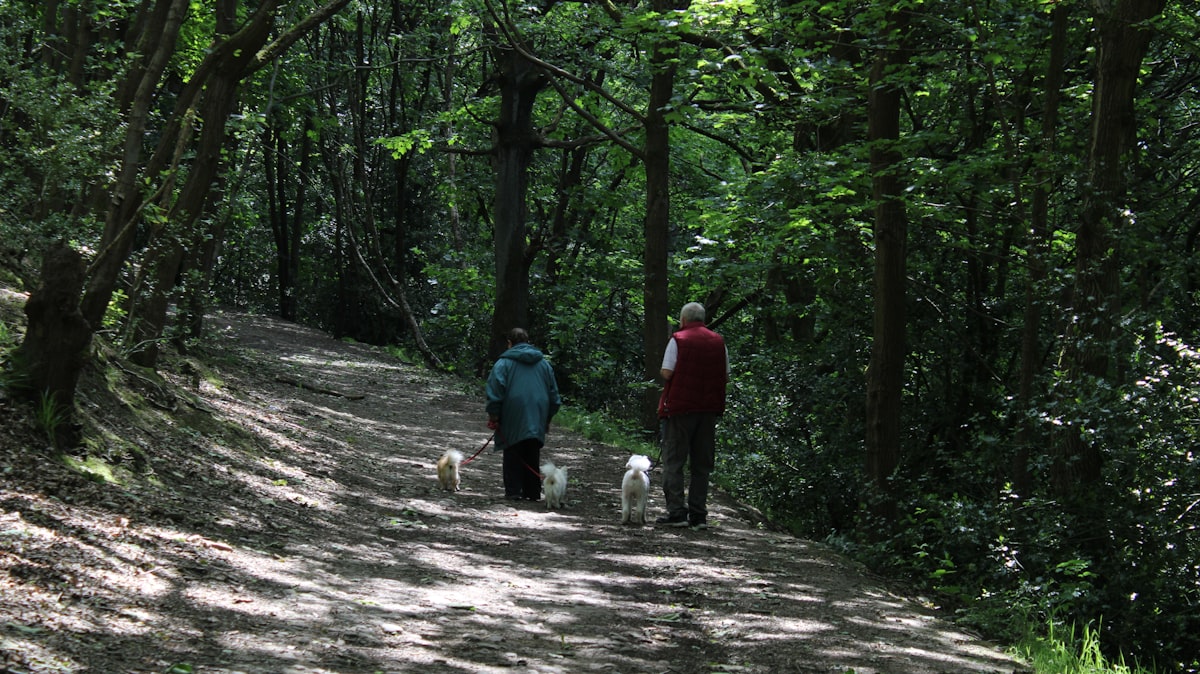
The dog who once ran ahead is now walking beside you. The one who begged for "just one more mile" now asks for rest breaks. Aging changes everything about how we hike with our dogs, but it doesn't have to end the adventure. Cedar at 11 still loves trails. We just approach them differently than when she was 5. Thoughtful adjustments let senior dogs continue doing what they love while protecting their aging bodies.
Key Takeaways
- 1Reduce mileage by 25-50% from peak distances as your dog ages
- 2Slower pace protects joints and prevents cardiovascular strain
- 3More frequent breaks allow recovery and prevent exhaustion
- 4Avoid extreme temperatures that stress aging bodies
- 5Focus on quality of experience over distance covered
When does senior stage begin
Dogs age at different rates depending on breed and size. Large breeds over 50 pounds typically enter senior status around 6-7 years. Medium breeds between 25 and 50 pounds become seniors around 7-8 years. Small breeds under 25 pounds may not reach senior status until 9-10 years.
These are guidelines. Individual variation is significant. Watch your specific dog for signs of slowing rather than relying solely on calendar age.
Signs your dog is entering the adjustment phase:
- Taking longer to warm up at the start of hikes
- Tiring earlier than previously
- Stiffness after exercise
- Slower recovery between hikes
- Less enthusiasm for challenging terrain
- More time spent resting during hikes
Note
Gradual changes are normal aging. Sudden dramatic changes warrant a vet visit to rule out injury or illness.
Mileage adjustments
Start by reducing distances thoughtfully. If your dog's peak was 10-mile hikes, begin senior adjustments at 7-8 miles. That 25% reduction gives you a baseline to work from. Watch how your dog handles the reduced distance and adjust further if needed.
Many senior dogs do best at roughly half their peak distance. A dog who once crushed 12-mile days might now thrive on 6-mile outings. Frequency matters too. Fewer hikes per week may be appropriate alongside shorter distances.
Focus on quality over quantity. A comfortable 3-mile hike where your dog explores happily and returns home relaxed beats a painful 6-mile march that leaves them sore for days.
Pace modifications
Slowing down protects aging bodies. Let your dog set the pace, walking at whatever speed keeps them comfortable even if it feels slow to you. Allow plenty of sniffing breaks. These natural pauses provide rest without making your dog feel they're holding you back.
Watch for speed variations throughout the hike. Dogs often start strong and slow dramatically as miles accumulate. Consider this when planning your route and turnaround time. Keep movement steady and controlled rather than explosive. Sprinting stresses joints. On hot days, cold days, or challenging terrain, slow even more.
Your dog mirrors your movement. Walk at their pace, not yours.
Rest break strategy
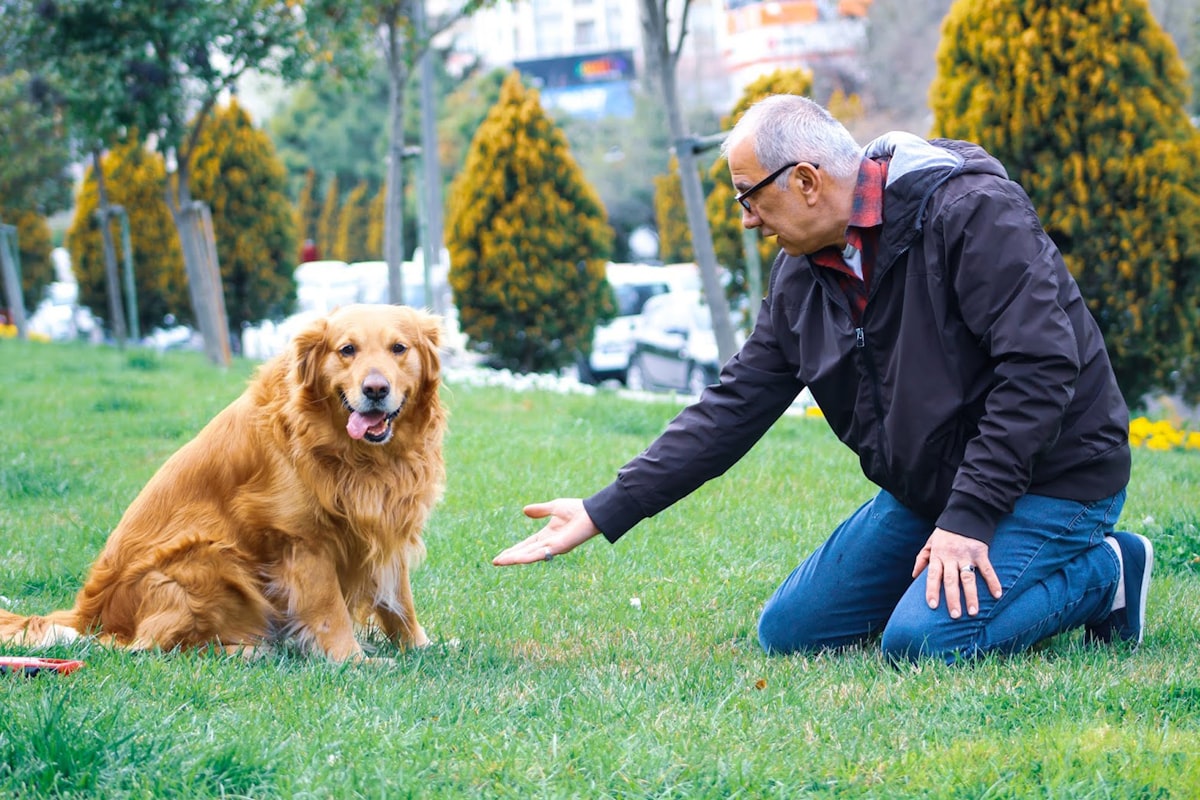
Frequent breaks prevent overexertion. Schedule stops every 20-30 minutes regardless of whether your dog asks for one. Offer water at each break since older dogs may not drink adequately without prompting.
Find comfortable spots for resting. Soft surfaces like grass or sandy soil are easier on aging joints than rocky ground. Watch how quickly your dog bounces back after rest. If recovery takes longer than a few minutes, they need more breaks and shorter distances.
Don't rush breaks. Let your dog fully recover before continuing. What feels like a delay actually prevents bigger problems later in the hike.
Pro Tip
Bring a portable pad or towel for your senior dog to rest on. Insulation from cold ground and cushioning for joints makes breaks more restorative.
Terrain considerations
Choose trails carefully for aging dogs. Steep descents are harder on joints than uphills for most dogs. The impact of walking downhill stresses knees and hips that may already have some arthritis. Minimize scrambling and technical terrain that stress joints and risk falls.
Consider the trail surface. Packed dirt and grass are gentler than rocky paths. Roots, steps, and uneven ground that young dogs navigate easily may challenge seniors who can't see obstacles as well or move as nimbly.
Plan routes where you can turn back easily if your dog struggles. Out-and-back trails work better than loops when you're uncertain how far your dog can comfortably travel.
Temperature sensitivity
Aging dogs handle temperature extremes poorly. They overheat faster in summer and recover slower than they once did. Cold affects joints, worsening arthritis pain that may not bother them in warm weather.
Time your hikes strategically. Early morning outings work best in summer. Midday warmth helps in winter when joints are stiff. Watch for signs of temperature stress like excessive panting, shivering, or reluctance to continue.
Bring appropriate gear. Cooling vests help in heat. Jackets protect in cold. Senior dogs need more temperature support than they once did. The dog who never needed a jacket at age 3 may appreciate one at age 10.
Joint and mobility support
Protecting aging joints extends trail time. Start each hike with a short easy walk before reaching the trailhead. This warm-up helps joints loosen and prepares muscles for the work ahead. After the hike, gentle movement prevents stiffness from setting in.
Consider joint supplements if your vet recommends them. Glucosamine, chondroitin, and omega fatty acids may help joint health over time. Watch for pain signs during hikes. Limping, reluctance to move, crying, or unusual posture all indicate discomfort. Stop and assess if you see these signs.
With senior dogs, having a way to carry them out in an emergency becomes more important. Know your dog's weight and whether you can handle it if they can't walk.
Warning
If your senior dog shows signs of significant pain on trails, consult your vet. Pain management options may allow continued hiking that would otherwise be too uncomfortable.
When to retire from trails
Some dogs reach a point where hiking isn't appropriate. Persistent pain that takes days to resolve after every hike signals that trail time is causing harm. Mobility limitations that make basic trail movement a struggle mean the activity is no longer appropriate.
Health conditions like heart disease or severe arthritis may preclude hiking entirely. The key question is whether hiking improves or harms your dog's quality of life.
Retirement from long trails doesn't mean ending outdoor time. Short walks, car rides to scenic spots, and gentle nature exploration can continue long after strenuous hiking stops.
Alternative adventures
When long hikes aren't appropriate, other activities fill the gap. Short nature walks of 15-20 minutes still provide enrichment and fresh air. Scenic drives let your dog enjoy sights and smells from the car, watching the world pass by with nose pressed to the window.
Find beautiful locations to sit together and enjoy nature. A bench at an overlook or a spot by a stream gives your dog outdoor time without physical strain. Swimming is easier on joints than walking for many dogs and provides gentle exercise. Even backyard adventures offer sniffing, gentle play, and outdoor time without travel stress.
Celebrating the senior years
Reframe rather than mourn. Slower hiking means more time to notice details you'd rush past with a young dog. Years of trail partnership create deep connection. You know each other's rhythms. You communicate without words.
Different adventures are still adventures. The summit isn't the only destination worth reaching. A quiet meadow or a shady stream holds value too. Focus on abilities rather than limitations. Celebrate what your dog can do rather than grieving what they've lost.
Every trail moment with a senior dog is a gift. The clock runs on all of us, but the time we have is precious.
Frequently Asked Questions
Dr. Jennifer Coates, DVM, brings 25+ years of clinical experience to Paths & Paws. Based in Fort Collins, Colorado, she specializes in preventive medicine and evidence-based nutrition for active dogs.