 Paths & Paws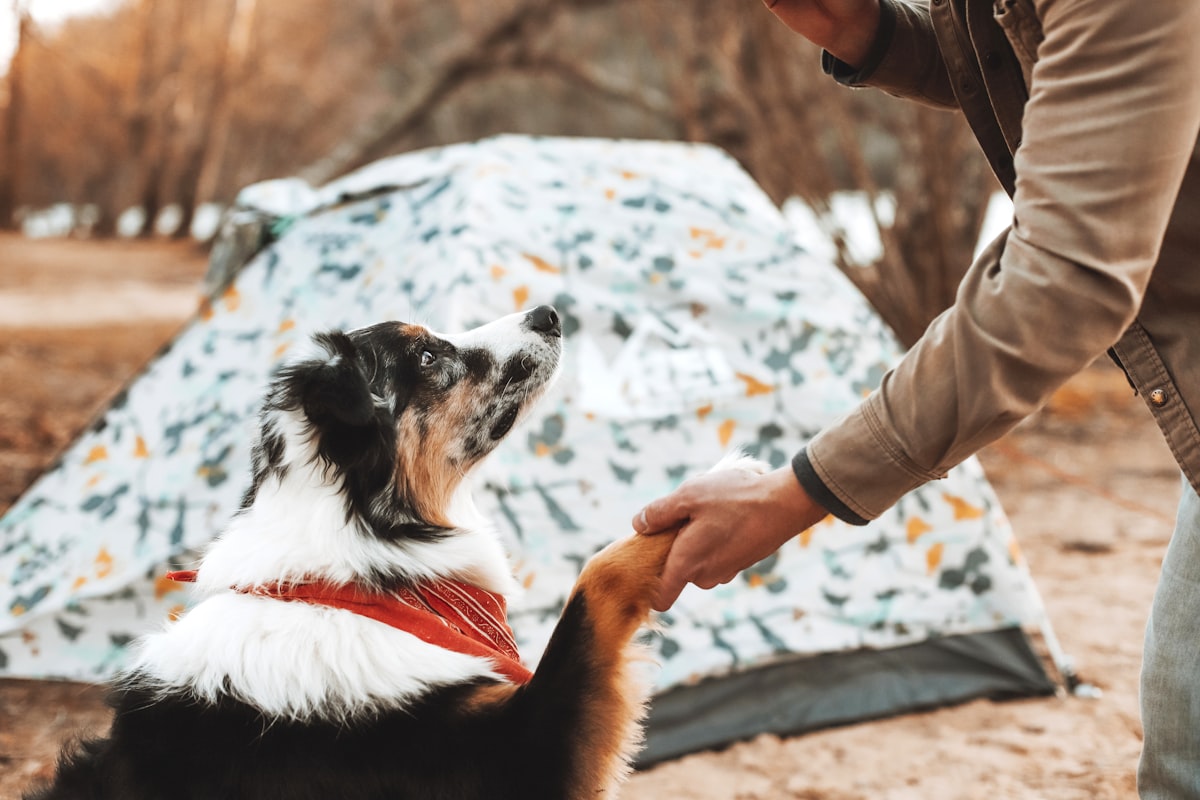
Keeping a dog clean in the backcountry is possible without packing half your bathroom. I've tested this across 40+ nights in the backcountry with Jasper, my Malamute, and the reality is simpler than most guides suggest. Focus on what actually matters and skip the rest.
The goal isn't a spa-fresh pup. It's preventing problems. Matted fur traps moisture and creates hot spots. Dirty paws track mud into your tent. Waste left improperly attracts animals and violates Leave No Trace. Handle those three things and you're set.
Backcountry Hygiene Essentials
- 1Paw cleaning after each hike prevents tent contamination
- 2Full baths are rarely needed; spot cleaning handles most issues
- 3Pack waste out in all environments, always
- 4Biodegradable soap should still be used 200 feet from water sources
- 5Quick daily brush checks prevent mat buildup and catch parasites early
Daily paw maintenance
Paws are the main hygiene concern on trail. They pick up everything. Mud, sap, sand, burrs. We've tracked this during a three-week trip through the Cascades last summer. Paw cleaning took 3 minutes per day and kept our tent floor clean the entire time.
The method is simple. Carry a small packable towel dedicated to paw duty. At the end of each hiking day, wipe each paw. Check between the toes. That's where debris hides and problems start.
For muddy conditions, we dip paws in a collapsible bowl first. Let the worst mud rinse off, then wipe dry. No soap needed unless there's something sticky like tree sap involved.
Between-toe checks matter more than the wipe itself. We found a small thorn wedged deep between pads on day four of a Wind River trip. Without the nightly check, that could have become a serious issue by day six or seven.
The Bandana Method
A bandana works as a paw towel, water filter pre-screen, pot holder, napkin, and emergency bandage material. Multi-use items earn their weight in the backcountry.
Coat care without water
Full baths in the backcountry are rarely necessary and honestly kind of a pain. Wet fur takes forever to dry. A damp dog in a cold tent is miserable for everyone. Spot cleaning handles 90% of situations.
For dirt and dust, a quick brush clears most debris. We carry a small slicker brush that weighs 2 oz. Five minutes of brushing at camp removes the day's trail grime and distributes natural oils that help repel future dirt.
For sticky situations like sap or something foul they rolled in, targeted wipes work. Unscented baby wipes or dog-specific grooming wipes get the job done. I pack 10-15 wipes in a small ziplock for a week-long trip. Haven't needed more than that yet.
Dry shampoo formulas exist for dogs. We tested three different brands across multiple trips. They're okay for freshening up but don't actually clean much. I stopped packing them. The weight-to-benefit ratio wasn't there.
One thing that does help: checking problem areas daily. Behind ears, belly folds if your dog has them, armpits. These spots trap moisture and can develop hot spots quickly if ignored. A quick feel during your evening brush catches issues before they become problems.
Waste management in wilderness
This part isn't glamorous but it matters. Dog waste impacts water quality, wildlife behavior, and other hikers' experiences. The rules are straightforward.
Pack it out. Always. Every environment. Some people think buried waste is fine in remote areas. It's not. Dog waste doesn't break down like wild animal waste. The diet is different. The parasite load is different. Dig a cathole for yourself if you want, but bag your dog's waste and carry it out.
The system we use: biodegradable poop bags plus an odor-proof stuff sack. The bags go in the sack. The sack clips to the outside of my pack. Zero smell, zero mess. Total weight when empty is about 1 oz.
Some wilderness areas require specific waste containers like WAG bags. Check regulations before your trip. Non-compliance can result in fines. It also ruins things for future dog owners trying to access these areas.
When actual washing is needed
Sometimes spot cleaning won't cut it. Your dog rolled in something truly horrible. They're covered in mud that won't brush off. There's a skin issue that requires actual cleaning.
For these situations, plan ahead. Identify a washing spot 200 feet from any water source. Heat water if you can. Cold water doesn't clean as well and stresses the dog more.
Use a small amount of biodegradable, unscented soap. We like Campsuds or Dr. Bronner's. A little goes a long way. Over-soaping makes rinsing harder and leaves residue that irritates skin.
Focus on the problem area. A full bath takes significant water, significant time, and significant drying afterward. If your dog just has a muddy chest, wash the chest. Done.
Rinsing matters more than you think. Soap left in fur causes itching and irritation. We use about three times as much rinse water as we use for the actual washing. Pour slowly and work the water through the coat with your fingers.
After washing, towel dry as much as possible. Then let them air dry somewhere warm if available. A damp dog in a sleeping bag leads to a damp sleeping bag, and down bags don't handle moisture well.
Sleeping arrangements and hygiene
Your tent is your dry, clean refuge. Keeping it that way requires some boundaries. We've refined our system over dozens of trips.
First rule: paw check at the vestibule. Dog waits outside or in the vestibule while you do a quick inspection. Remove any debris. Wipe if needed. Then they enter the tent.
Second rule: dedicated dog bedding. Whatever your dog sleeps on absorbs the remaining dirt that makes it past the paw check. A packable dog bed, old fleece blanket, or purpose-made sleep system works. This layer protects your sleeping pad and bag.
Third consideration: the dog's access area. We keep our dog on one side of the tent. That concentrates any remaining dirt to one zone rather than spreading it everywhere. Consistent placement also helps them settle faster at night.
For longer trips, shake out the dog bedding each morning. Give it a few whacks against a tree or rock. The accumulated debris has to go somewhere. Better outside the tent than building up inside.
Damp Dog, Damp Gear
Never let a wet dog into a down sleeping bag. The moisture destroys loft and creates cold spots. Synthetic bags handle moisture better but still perform worse when damp. Dry your dog first, always.
Parasite checks and prevention
Backcountry trips expose dogs to ticks, fleas, and various creepy crawlies. Your daily routine should include a thorough check. We do ours during the evening brush session.
Run your hands through the coat with your fingers spread. Feel for bumps. Check ears, between toes, armpits, groin area, and around the tail base. Ticks love warm, protected spots.
For removal, use a proper tick tool rather than tweezers. We've pulled ticks with tweezers and tick keys. The tick key removes the entire tick, including mouthparts, more consistently. That matters for disease prevention.
Prevention beats treatment. Talk to your vet about tick and flea prevention before backcountry trips. Oral preventatives work better than topicals in wet conditions since topicals can wash off. We've used Simparica Trio for two years with good results.
Record any tick bites. Date, location on the body, general area where you were hiking. If symptoms develop later, this information helps your vet narrow down possibilities.
The minimal kit
Here's what we actually carry for backcountry dog hygiene. Total weight around 6 oz.
- Packable microfiber towel (1 oz)
- Small slicker brush (2 oz)
- Unscented wipes, 10-15 in a ziplock (1 oz)
- Tick removal tool (negligible)
- Poop bags (1 oz worth)
- Odor-proof stuff sack for waste (0.5 oz)
That's it. We tried carrying more on early trips. Travel shampoo bottles. Dedicated paw washers. Grooming spray. All of it stayed in the pack unused. The simple kit above handles every situation we've actually encountered.
If your dog has specific needs like prescription shampoo for a skin condition, add that. Otherwise, this kit covers normal backcountry hygiene for trips up to two weeks.
Leave No Trace with dogs
Hygiene intersects with wilderness ethics. Your cleaning routine shouldn't leave traces any more than your presence should.
All waste goes out with you. We covered this already but it bears repeating.
Soap and dirty water stay 200 feet from any water source. Even biodegradable soap takes time to break down and shouldn't enter streams or lakes.
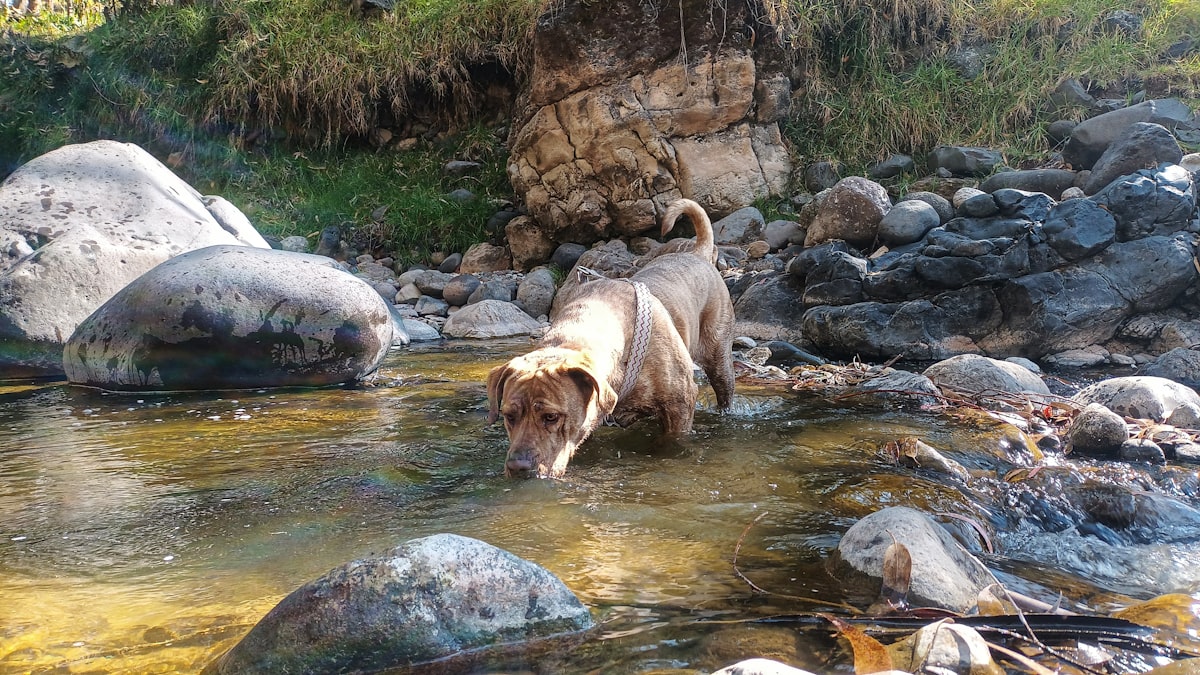
Don't let your dog disturb wildlife while "cleaning" themselves in streams. A dog charging through a mountain stream might seem innocent, but it disturbs fish habitat and can stress wildlife using that water source.
Brush debris falls where it falls in nature. That's fine. But concentrated piles of fur from heavy grooming sessions should be scattered or packed out. A large clump of dog fur is unnatural to the environment and can provide nesting material that spreads domestic animal parasites to wildlife.
Frequently Asked Questions
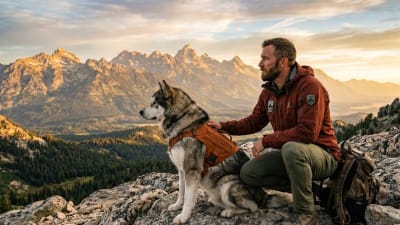
Kelly has logged over 5,000 trail miles with his dogs across the American West. He specializes in backcountry expeditions and gear testing for large breeds.