 Paths & Paws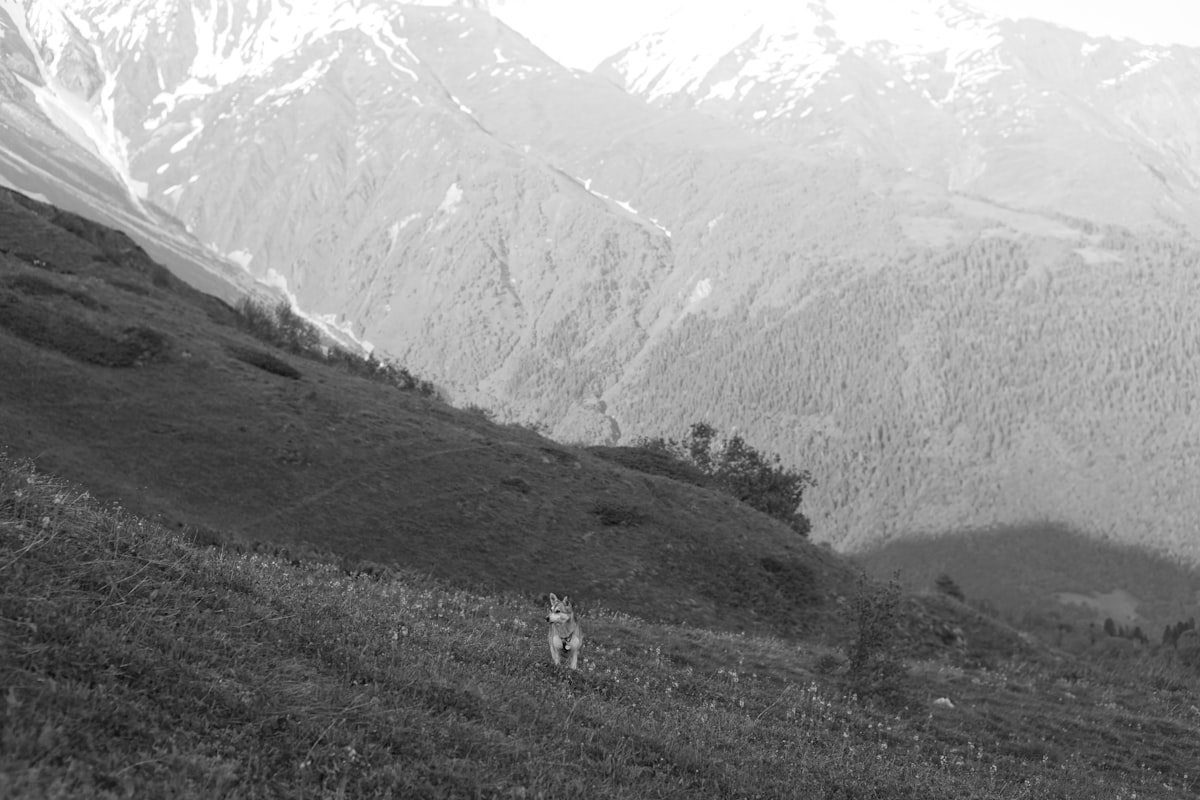
Above treeline, everything moves slower. Plants that look like moss might be decades old. A footprint in a meadow can persist for years. Scout and I love alpine hiking, but we approach it with extra care. These environments face pressures from climate change and increasing visitation. How we behave up there matters more than anywhere else.
Key Takeaways
- 1Alpine plants grow extremely slowly - a single trampled patch can take decades to recover
- 2Always stay on established trails, even when shortcuts look obvious
- 3Pack out all dog waste without exception - alpine soils can't process it
- 4Keep dogs on leash to protect both wildlife and fragile vegetation
- 5Respect seasonal closures designed to protect nesting birds and recovering meadows
Why alpine zones are different
Conditions above treeline create vulnerability unlike anywhere else. The extreme environment features short growing seasons, harsh winters, intense UV radiation, and minimal soil development. Plants grow millimeters per year rather than inches. Damage that would heal in weeks at lower elevations takes decades to recover here.
Thin soils often measure just inches over bedrock. Compaction and erosion become essentially permanent on these timescales. Many alpine plants and animals exist nowhere else on Earth, having evolved for this specific niche. Climate change already stresses these environments through warming temperatures and shifting seasons. What seems like minor impact has outsized consequences at elevation.
Note
A single footprint on alpine cushion plants can kill decades of growth. This isn't exaggeration - researchers have documented individual boot prints persisting for 20+ years.
Stay on the trail
Trail discipline prevents lasting damage in ways that aren't always obvious. Switchbacks exist for erosion control, not to make your hike longer. Cutting them destroys vegetation and accelerates erosion that takes years to repair. Walk single file rather than beside the trail to avoid widening the path over time.
Cross fragile areas quickly to minimize contact time on delicate surfaces. Step on rock when possible rather than vegetation. Saturated alpine meadows are extremely fragile and should be avoided entirely when wet. When trails fade in rocky areas, stay on obvious worn routes rather than spreading out to find your own path. Following the bootpath keeps impact concentrated where it already exists.
Dog-specific alpine rules
Dogs create additional impacts beyond what human hikers cause alone. Keep your dog on leash always because off-leash dogs explore off-trail and disturb wildlife that's already surviving on narrow margins. Pack out all waste without exception since alpine environments cannot decompose dog waste for years due to cold temperatures and limited soil biology.
Direct your dog to step on stone rather than vegetation when possible. Avoid alpine tarns and seeps because dogs in these small water bodies disturb fragile aquatic environments. Stop digging immediately if your dog starts scratching at the ground out of curiosity. While you can't eliminate scent marking entirely, avoid letting dogs mark directly on vegetation.
Wildlife considerations
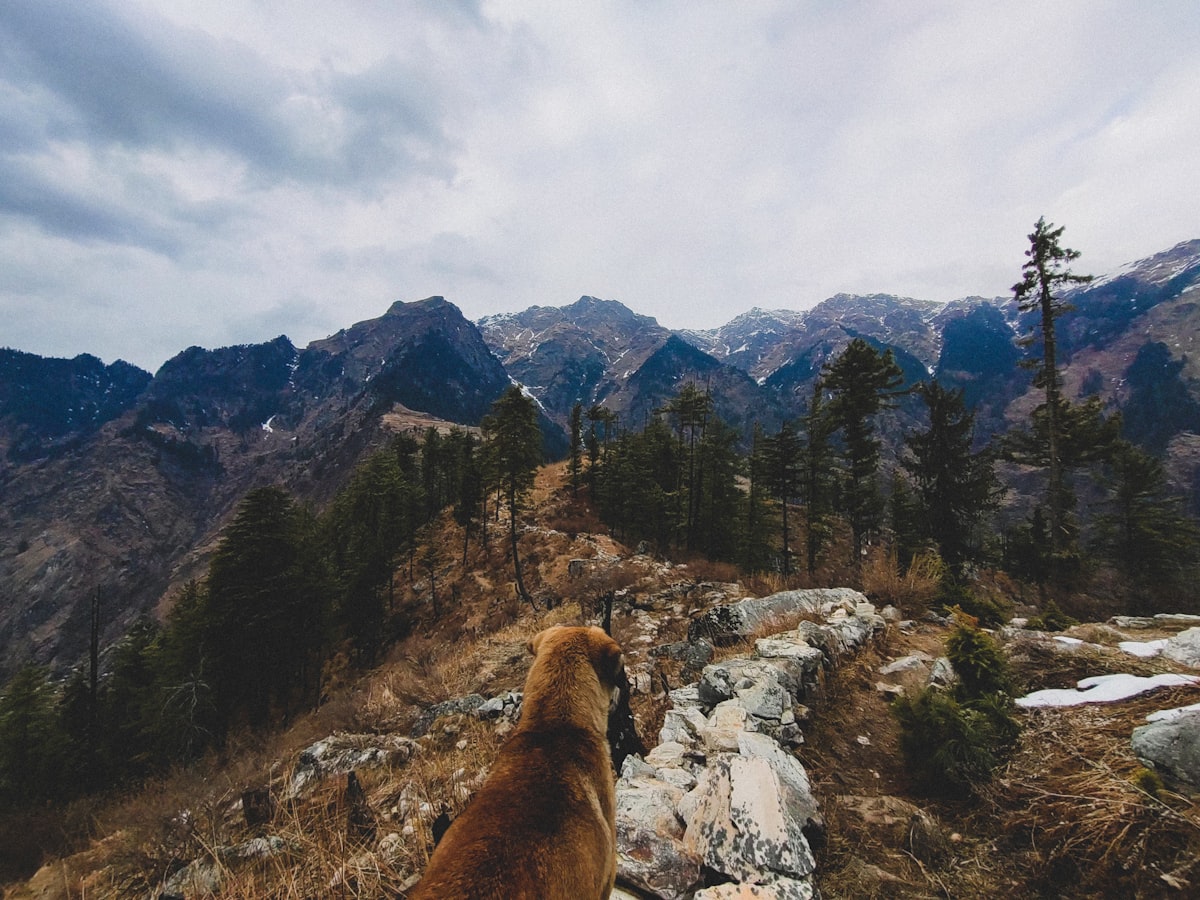
Alpine wildlife faces enough challenges without additional pressure from recreational visitors. Pika and marmot are alpine specialists already under climate pressure, and dog presence adds stress to animals that can't easily relocate. Mountain goats and sheep use critical alpine habitats that shouldn't be disturbed by dogs chasing or even just approaching.
Ground-nesting birds like ptarmigan and rosy finches are vulnerable to disturbance during breeding season. Distance matters significantly, so keep dogs away from visible wildlife and move on quickly rather than watching for extended periods. Dog smell persists in an area and may deter wildlife use even after you've left. Your few hours of enjoyment shouldn't compromise species survival.
Warning
Some alpine areas close seasonally to protect nesting birds or lambing wildlife. These closures often include dogs specifically. Check regulations before your hike.
Leave no trace at elevation
Standard Leave No Trace principles apply with extra importance in alpine zones. Plan ahead by knowing regulations, carrying all necessary supplies, and checking conditions before you go. Travel only on durable surfaces like rock, snow, and established trails.
Pack out everything you carry in, especially dog waste. Leave what you find rather than collecting alpine plants, rocks, or other natural objects. Most alpine areas prohibit fires entirely, so don't plan on one. Observe wildlife from distance with quiet observation only. And remember that other visitors came for the same experience of solitude and beauty that you sought.
Specific terrain considerations
Different alpine surfaces require different care and attention. Talus and scree fields are relatively durable for walking but require attention to loose rock safety. Fellfields look barren at first glance but contain cushion plants that are nearly invisible until you crush them. Stay on rock.
Alpine meadows are extremely fragile. Cross quickly on established paths only and never shortcut through them. Snowfields provide good durable surfaces for travel but watch for post-holing into vegetation hidden below. Krummholz, those stunted windswept trees at treeline, are often centuries old. Don't damage branches or walk through them. Keep dogs out of alpine lakes to protect water quality and aquatic life.
Dog waste in alpine zones
This topic deserves extra emphasis because the consequences are so significant. Burial doesn't work in alpine zones because soils are too thin and too cold for decomposition to occur on any reasonable timescale. Leaving waste exposed doesn't work either despite the "it's natural" argument. Dog waste alters soil chemistry and introduces foreign nutrients that don't belong in these ecosystems.
Tossing waste off-trail doesn't make it disappear. Out of sight isn't gone. Pack out everything. Bring enough bags and then bring extras because running out is not acceptable at elevation. Use wag bags if needed and double-bag in leak-proof containers for the descent. Know before you start how you'll carry full bags back down.
How to manage the challenges
Alpine hiking with dogs requires extra effort and preparation beyond normal trail outings. Physical fitness preparation matters because well-conditioned dogs handle the terrain with less stumbling and wandering that causes off-trail impact. Proper gear means leashes, plenty of waste bags, and water capacity appropriate for the environment.
Time management helps you move steadily through fragile areas rather than lingering. Weather awareness matters because afternoon storms develop quickly at elevation and you need to descend before they hit. Know your limits honestly. Technical alpine terrain may exceed your dog's capability even if you're comfortable with it. Some alpine areas may simply be inappropriate for dogs.
Pro Tip
Consider visiting alpine areas during shoulder seasons when trails are established but fragile vegetation may be snow-covered or dormant. Early July snowfields provide durable travel surfaces.
When to avoid alpine zones
Sometimes staying lower is the right call for you, your dog, and the environment. Respect seasonal closures without exception regardless of how the trail looks. Extreme conditions including lightning, high winds, or other hazards should keep you below treeline. High-use days multiply impacts, so consider whether your visit needs to happen on a crowded weekend.
Not all dogs are suited for technical alpine travel, and honest assessment of your dog's capabilities matters. If you can't control your dog consistently in challenging situations, stay lower until training improves. Drought years and other climate stresses mean the environment needs extra protection.
How to advocate for access
Responsible use protects future access for everyone who hikes with dogs. Model good behavior because others learn from watching. Educate gently when appropriate by sharing why practices matter rather than lecturing. Support trail maintenance through volunteering or donating to organizations that maintain alpine trails.
Participate in management processes because comment periods and planning processes need dog owner voices representing responsible use. Report violations when you see them because land managers need to know when rules are being broken. And accept restrictions gracefully. Some places may appropriately be off-limits to dogs, and fighting that reality doesn't help anyone.
Frequently Asked Questions

Sara founded Paths & Paws to share field-tested advice with fellow dog hikers. She believes every dog deserves time on the trail.