 Paths & Paws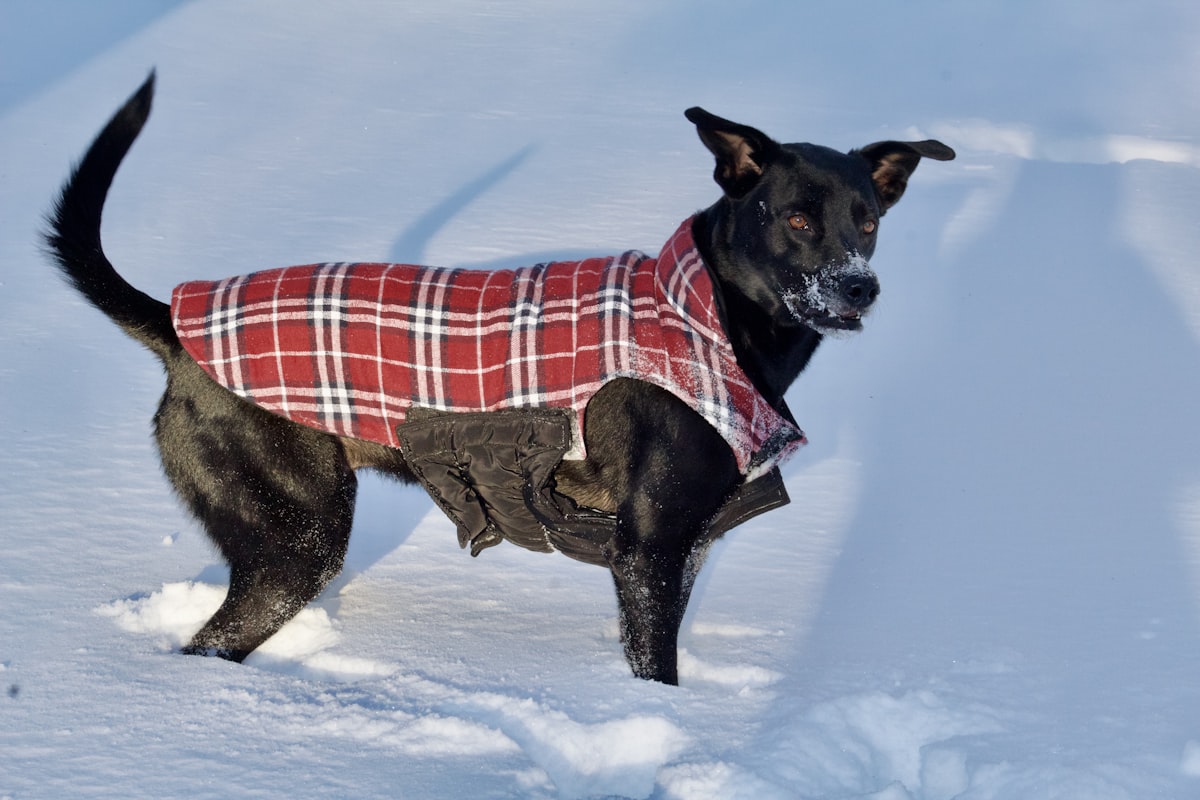
Key Takeaways
- 1Ground insulation matters more than covering - cold from below steals heat fastest
- 2A dog's belly and chest lose heat quickly due to thin fur coverage
- 3Shared body heat is the most effective warming strategy
- 4Calorie intake before bed fuels overnight heat production
- 5Know your dog's cold tolerance - it varies dramatically by breed and individual
The temperature drops as soon as the sun dips behind the ridge. By midnight, your breath fogs inside the tent and you're grateful for your sleeping bag's comfort rating. But what about your dog? Jasper weighs 95 pounds and has a thick Malamute double coat. You'd think he'd be immune to cold. But on a 22-degree night in the Trinity Alps, I woke to find him shivering and pressed against my sleeping bag. His belly, with its thinner fur coverage, had been losing heat to the cold ground all night. Keeping dogs warm through cold nights requires different strategies than keeping yourself warm. Their needs, vulnerabilities, and heat loss patterns differ from ours.
How dogs lose heat
Dogs lose body heat through four mechanisms, and addressing each makes nights warmer.
Conduction is the direct transfer of heat to cold surfaces, and ground contact is the biggest culprit. Even inside a tent, sleeping directly on cold ground steals heat rapidly. Convection happens when heat escapes into moving air. Wind chill affects dogs just like humans. Inside a tent, convection is minimal, but drafts still matter.
Radiation describes heat moving from warm surfaces to cold surroundings. A dog radiates heat to cold tent walls and floor throughout the night. Evaporation pulls heat away through moisture loss. Panting, wet fur, and damp bedding all increase evaporative cooling.
Ground insulation handles conduction. Tent shelter handles convection. Bedding and body coverings handle radiation. Keeping things dry handles evaporation.
Note
Your dog's core temperature is naturally higher than yours (101-102.5°F). They generate significant heat but also lose it quickly through their less-insulated belly, paw pads, and ears.
Ground Insulation Fundamentals
The most common mistake is inadequate ground insulation. No amount of blankets on top compensates for cold bleeding in from below.
Start with a closed-cell foam pad on the ground as your mandatory minimum. Add a reflective emergency blanket layer to bounce heat back, then another sleeping pad or foam layer, and finish with soft bedding on top. This creates thermal barriers that stack their protective effects.
R-value matters. Budget foam pads have R-values around 2. Winter-capable pads hit R-values of 5-7. Double layering increases effective insulation.
Your dog doesn't need a fancy pad. A basic closed-cell foam pad from a hardware store works well. Just make sure it's large enough for their full body - they curl up small but still need complete coverage.
Bedding Choices That Work
On top of insulation, your dog needs bedding that traps air and retains heat.
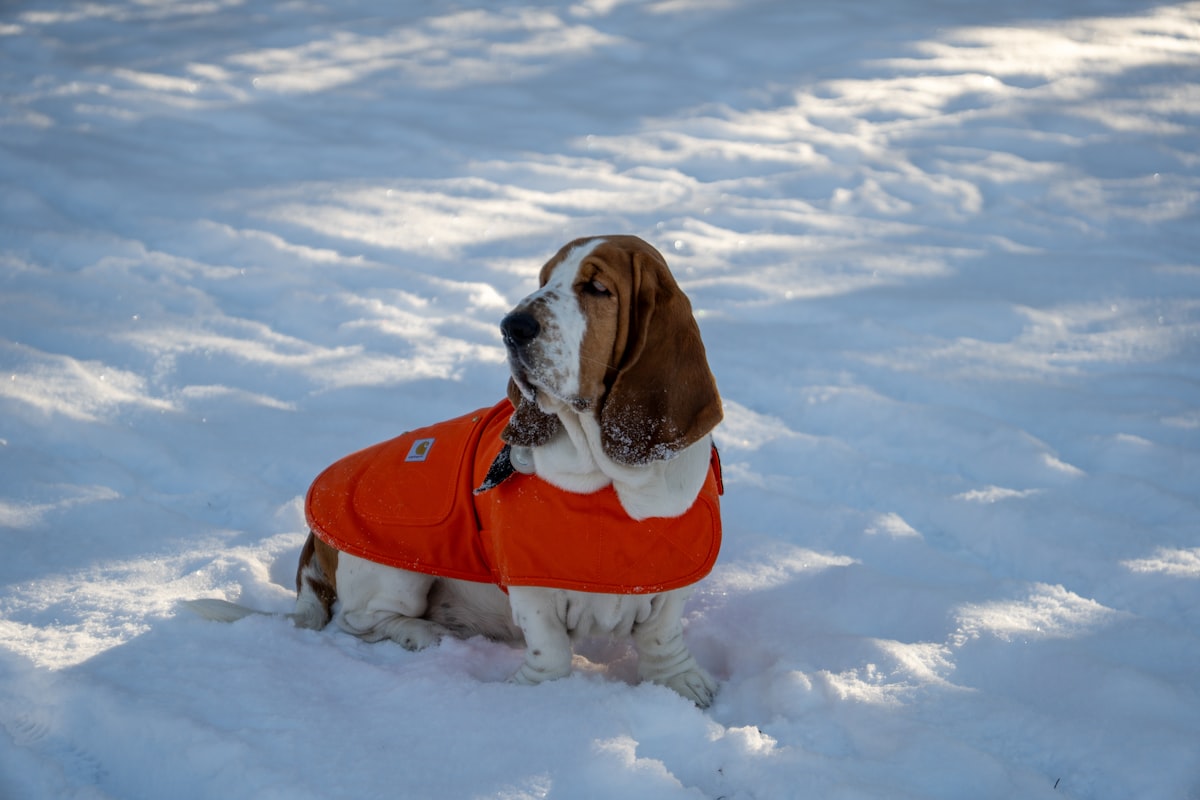
Fleece blankets offer an excellent warmth-to-weight ratio while wicking moisture and packing small. They're the go-to choice for most backpackers. Dog sleeping bags come purpose-built with insulation and work great for dogs who burrow into them, though they're less effective for dogs who refuse to stay inside. Synthetic puffy blankets pack down well and provide solid warmth, but lose effectiveness when wet faster than fleece does. In a pinch, pile spare fleece and down layers around your dog. Not ideal but it works.
Bring more bedding than you think you need. What feels adequate at 40 degrees feels insufficient at 25.
Pro Tip
Pre-warm bedding by stuffing it in your sleeping bag for 30 minutes before your dog lies down. Dogs settle into warm bedding more readily and start the night ahead instead of behind on heat.
Dog Jackets and Coats
Insulating garments trap air against your dog's body, reducing radiant heat loss.
Short-coated breeds with under an inch of fur benefit most from jackets, as do lean body types with minimal fat insulation. Small dogs lose heat quickly because of their high surface-area-to-volume ratio. Senior dogs with reduced circulation and any dog showing cold stress signs should also wear layers.
Look for jackets that cover from neck to tail base, including chest and belly coverage that many designs overlook. The fit should be snug without restricting movement, with insulation appropriate to the temperature and construction that stays in place while sleeping.
A jacket alone doesn't make a warm dog. It adds to the system but doesn't replace ground insulation or bedding.
Shared Body Heat
The most effective warming strategy is also the simplest. Sleep next to your dog.
Combined body heat in a tent raises the ambient temperature noticeably. Direct contact provides warmth no gear can match. Dogs instinctively seek contact when cold, and accommodating this keeps everyone warmer.
Choose a tent large enough for both sleeping areas and consider unzipping sleeping bags to create shared coverage when possible. Position your dog against your stomach or back, but let them choose their comfortable spot. They'll find what works.
Some dogs get too warm with direct contact and will move away. That's fine - they're self-regulating. Others want to be pressed against you all night. Both are normal. Jasper typically starts the night on his own pad, then migrates to press against me around 2 AM when temperatures bottom out. I've learned to leave enough space for this inevitable migration.
Pre-Sleep Calories
Dogs fuel their overnight heat production through metabolism. A small evening meal or snack before bed gives them fuel to burn.
High-fat, high-protein snacks work best. Freeze-dried meat treats are ideal. Peanut butter and cheese both pack calories into small portions. Dog-safe high-calorie trail treats designed for working dogs are another solid option.
Don't overfeed (risks bloat), but a substantial snack 1-2 hours before sleep provides warmth throughout the night.
Warning
Avoid feeding right before sleep. Allow time for initial digestion. Also avoid excessive water intake right before bed, as middle-of-the-night bathroom trips let cold air in and heat out.
Signs Your Dog is Too Cold
Learn to recognize cold stress before it becomes dangerous.
Early warning signs include shivering, which is a normal response that isn't yet dangerous. You'll also see dogs curling tightly into a ball or seeking warmth by pressing against you. Reluctance to lie down signals discomfort with the ground temperature. A tucked tail rounds out the picture. These behaviors mean your dog is working to conserve heat but managing.
Concerning signs demand immediate action. Persistent shivering that won't stop is the first warning. Whimpering, stiff movement, pale gums, or extreme lethargy all point to a dog in trouble. If you see any of these, add warmth immediately. Chemical hand warmers wrapped in cloth and placed against the belly provide emergency heat.
The Windproof Factor
Even inside tents, drafts make dogs cold. Seal your shelter properly.
Close all vents in cold conditions and accept some condensation as the tradeoff. Position the door opening away from the wind and use your vestibule as a windbreak. Check the tent for gaps and holes before you leave home.
A windproof layer over your dog, even just a light jacket or emergency blanket, prevents the subtle heat loss from air movement inside the tent.
Temperature Limits by Coat Type
Dogs vary dramatically in cold tolerance. Know where your dog falls.
Northern breeds like Huskies and Malamutes tend to be comfortable down to 20 degrees or below. Dogs with heavy double coats handle cold well regardless of breed. Large body mass helps too. Medium double-coated dogs such as Labs and Shepherds typically handle 35 to 45 degrees without trouble. Most large mixed breeds fall in this range as well.
Cold-sensitive dogs need protection below 45 degrees. Short single-coated breeds like Boxers and Pit Bulls fall into this category. Small breeds lose heat quickly due to their surface-area-to-volume ratio. Greyhounds and lean sighthounds have almost no body fat for insulation. Senior dogs need extra warmth regardless of their breed.
Individual variation matters. Two dogs of the same breed can have different tolerances based on condition, acclimation, and health.
Multi-Night Trip Adjustments
On trips longer than one night, patterns emerge that help optimization.
The first night is often coldest for dogs because they're not acclimated and may be anxious. Provide extra warmth that night. Subsequent nights tend to go better as dogs settle in and sleep warmer while adjusting to the routine. By the end of a long trip, fatigue becomes a factor. A tired dog generates less body heat, so increase insulation toward the trip's end.
Monitor your dog each night rather than assuming what worked on night one works on night three.
Frequently Asked Questions
Kelly has logged over 5,000 trail miles with his dogs across the American West. He specializes in backcountry expeditions and gear testing for large breeds.