 Paths & Paws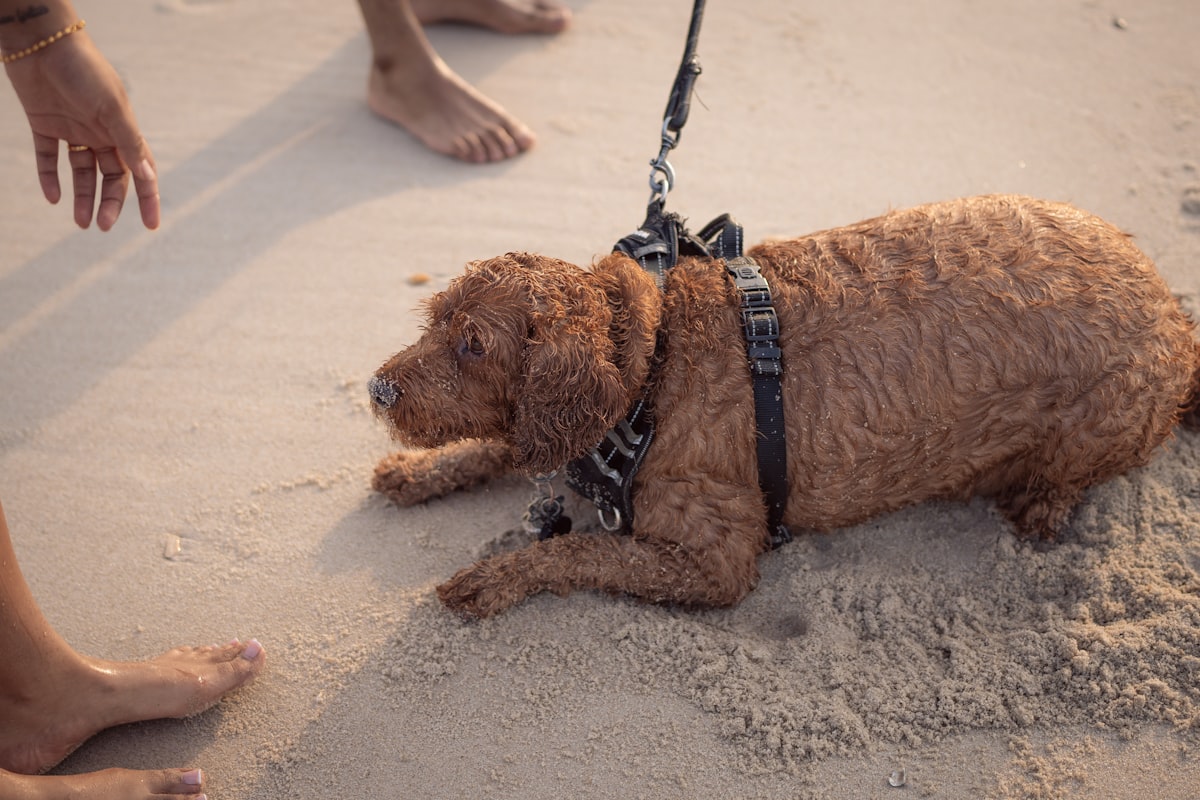
A day hiking along the coast leaves your dog covered in invisible irritants. Salt dries out skin and causes itching. Sand works its way to the skin and rubs with every movement. Left untreated, this combination leads to hot spots, matting, and general discomfort. Proper post-beach cleaning takes 15-20 minutes and prevents days of problems.
Key Takeaways
- 1Rinse with fresh water as soon as possible after beach exposure
- 2Salt residue causes skin irritation and excessive itching if not removed
- 3Sand trapped in fur creates friction that damages skin and causes matting
- 4Pay special attention to ears, paw pads, and groin where residue accumulates
- 5A conditioning rinse helps restore moisture stripped by salt water
Why immediate cleaning matters
Salt water doesn't just evaporate and disappear. When it dries, salt crystals remain in the fur and on the skin. These crystals:
- Draw moisture from skin, causing dryness and irritation
- Create an itchy sensation that leads to scratching
- Contribute to matting, especially in long coats
- Can be ingested during grooming, causing stomach upset in large amounts
Sand compounds these problems by adding abrasive particles that rub against skin with every movement.
Note
Dogs who swim in salt water face more exposure than those who just walked on wet sand. The level of cleaning needed scales with exposure.
The basic rinse protocol
At minimum, rinse your dog with fresh water after any salt or sand exposure. If you have water available at the beach, rinse there. This prevents sand from spreading through your car and home.
Work water through the entire coat down to the skin. Rinse the face and muzzle while avoiding eyes, the outer ears but not inside the canal, between toes and paw pads, the belly, groin, and armpits, and under the tail. Cool to lukewarm water is fine. Avoid hot water, which can further dry skin already stressed by salt.

When rinsing isn't enough
For heavy exposure, swimming, or dogs with skin sensitivities, a full bath works better. Use a mild dog shampoo specifically formulated for dogs, not human products. Look for moisturizing formulas if your dog has dry skin tendencies.
Lather thoroughly and work shampoo through the entire coat, especially dense undercoat areas where salt and sand hide. Rinse completely because shampoo residue causes its own irritation. Keep rinsing until water runs clear and the coat feels clean rather than slippery or sticky. A leave-in or rinse-out conditioner helps restore moisture that salt stripped away, and this is especially helpful for dogs with longer coats.
Problem areas that need extra attention
Sand settles in ear folds, and salt water entering the ear canal can promote infections. Gently clean outer ears with a damp cloth. If your dog swam with head submerged, use a veterinary ear cleaner to dry the canal.
Sand packs between pads and into the webbing between toes. Spread toes apart and rinse each space individually. For stubborn sand, a soft brush helps dislodge particles. Armpits and groin have thin skin that's more sensitive to irritation, and they stay damp longer, creating an environment for hot spots.
Remove collars and harnesses after beach activities. Sand trapped under gear causes friction sores.
Pro Tip
Keep a gallon jug of fresh water and a small bucket in your car for trailhead rinses. A quick rinse at the beach is worth more than a thorough bath after an hour of driving with salt drying in fur.
Drying matters too
Wet fur holds sand and keeps salt against skin. Proper drying completes the cleaning process. Towel dry thoroughly using absorbent towels and work through the entire coat. Multiple towels may be needed.
If weather permits, let your dog air dry in a warm, clean environment. A blow dryer on the cool setting speeds drying and helps dislodge remaining sand particles, but don't use hot settings which can burn skin. After drying, a thorough brushing removes any remaining sand and prevents the matting that wet fur encourages.
Long coats need extra work
Dogs with thick, long, or double coats present more challenge. The dense undercoat holds sand and salt even after surface rinsing, so work water and shampoo through to the skin. Long fur on legs, belly, and tail accumulates more debris and needs focused attention.
Matting risk increases because salt-dried fur tangles easily. Brush before bathing to remove existing tangles, then again after drying. Thick coats also hold moisture longer. Allow more time for complete drying to prevent skin problems.
Preventing skin issues
Repeated salt exposure stresses skin. Don't do beach hikes daily during sensitive periods. Some handlers apply leave-in conditioner before beach exposure to create a protective barrier.
Watch for red, irritated patches in the days following beach exposure because early treatment prevents hot spots from escalating. Overall coat health matters too. Healthy, well-conditioned coats resist salt damage better than dry, damaged fur.
Warning
If your dog develops persistent itching, redness, hair loss, or sores after beach exposure, see a veterinarian. Salt and sand can trigger or worsen underlying skin conditions.
Ear infection prevention
Dogs who swim in salt water face increased ear infection risk. Use a veterinary ear cleaner that contains a drying agent after swimming. Watch for signs of trouble including head shaking, scratching at ears, redness, odor, or discharge.
Breeds with floppy ears face higher risk due to reduced air circulation, so be extra vigilant. If your dog gets recurring ear infections after water exposure, consider ear covers designed for swimming dogs.
Paw care after coastal hikes
Salt and sand combine to stress paw pads. Rinse paws thoroughly because salt draws moisture from the pads. Check for cuts since shells and rocks cause injuries that salt water irritates. A moisturizing paw balm after cleaning helps restore pad health. Watch for limping in the hours after the hike because irritation may develop even after you've cleaned up.
Frequently Asked Questions
Dr. Jennifer Coates, DVM, brings 25+ years of clinical experience to Paths & Paws. Based in Fort Collins, Colorado, she specializes in preventive medicine and evidence-based nutrition for active dogs.