 Paths & Paws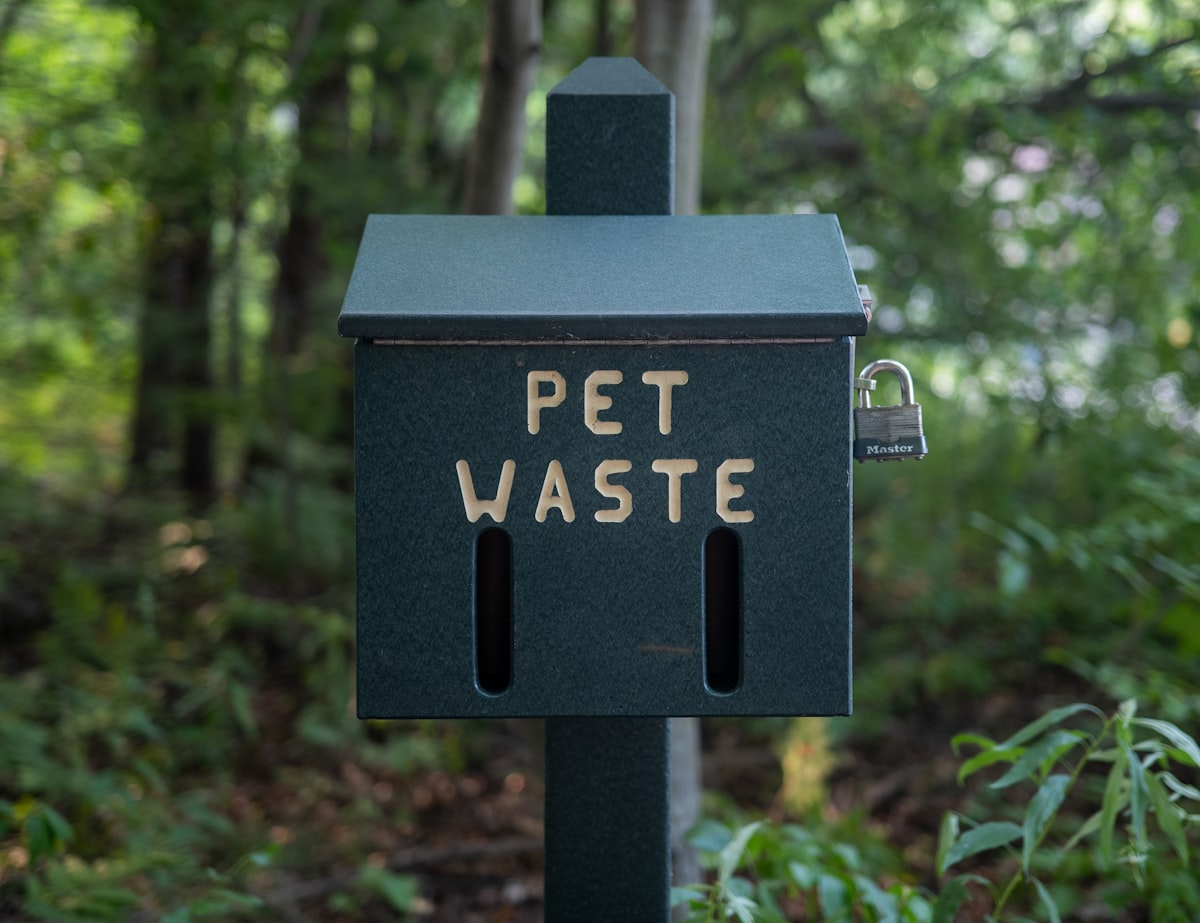
Twenty years ago, the advice was simple: bury it like you'd bury human waste. Dig a cat hole, deposit, cover, done. That advice has changed. Modern backcountry ethics now require packing out dog waste in most situations.
This shift surprises many dog owners. It feels extreme. But the reasoning is solid, and land managers increasingly require it.
Key Takeaways
- 1Pack out is now the standard for dog waste in backcountry
- 2Cat holes don't work for dog waste like they do for human waste
- 3Waste affects water quality and wildlife health
- 4Several products make packing out practical and hygienic
Why the Rules Changed
The old logic made sense: dogs are animals, animals poop in the woods, nature handles it. But three factors changed the equation.
Dog Waste is Different
Wildlife eating native diets produces waste that integrates into local environments. Deer droppings break down quickly, adding nutrients that local microbes process well.
Dogs eat processed food containing ingredients from around the world. Their waste introduces bacteria, parasites, and nutrients that don't match local environments. The breakdown process is different. The ecological impact is different.
Volume and Concentration
Wild animals spread their waste across vast territories. Dogs hike the same popular trails as thousands of other dogs. Concentrated waste along trail corridors creates genuine environmental problems that dispersed wildlife waste doesn't.
Some popular trails see hundreds of dogs per weekend. That's hundreds of waste deposits in a narrow corridor. No natural environment evolved to process that load.
Disease Transmission
Dog feces can contain parasites and bacteria harmful to wildlife and humans, including giardia, roundworms, E. coli, campylobacter, and salmonella.
These persist in soil and wash into water sources. Wild animals drinking contaminated water can become infected. So can other dogs and humans.
Water Contamination is Real
Studies have found that dog waste is a measurable contributor to water pollution in watersheds with heavy recreational use. The bacteria and nutrients aren't theoretical concerns.
Current Rules by Land Type
Different land managers have different requirements. Know before you go.
National Parks
Most national parks that allow dogs restrict them to roads, parking lots, and designated trails. On those trails, pack-out is typically required. Many parks provide waste stations at trailheads.
National Forests
Rules vary by forest and district. Some require pack-out. Others allow burial with specific guidelines. Check the ranger district website or call ahead.
Wilderness Areas
The strictest requirements. Most wilderness areas now require packing out all pet waste. The reasoning: wilderness should remain untrammeled, and introducing non-native biological material violates that principle.
BLM Land
Generally more relaxed, but pack-out is still best practice. Some high-use areas have specific requirements.
State Parks
Varies by state. California requires pack-out. Other states differ. Check the specific park.
How to Pack Out Properly
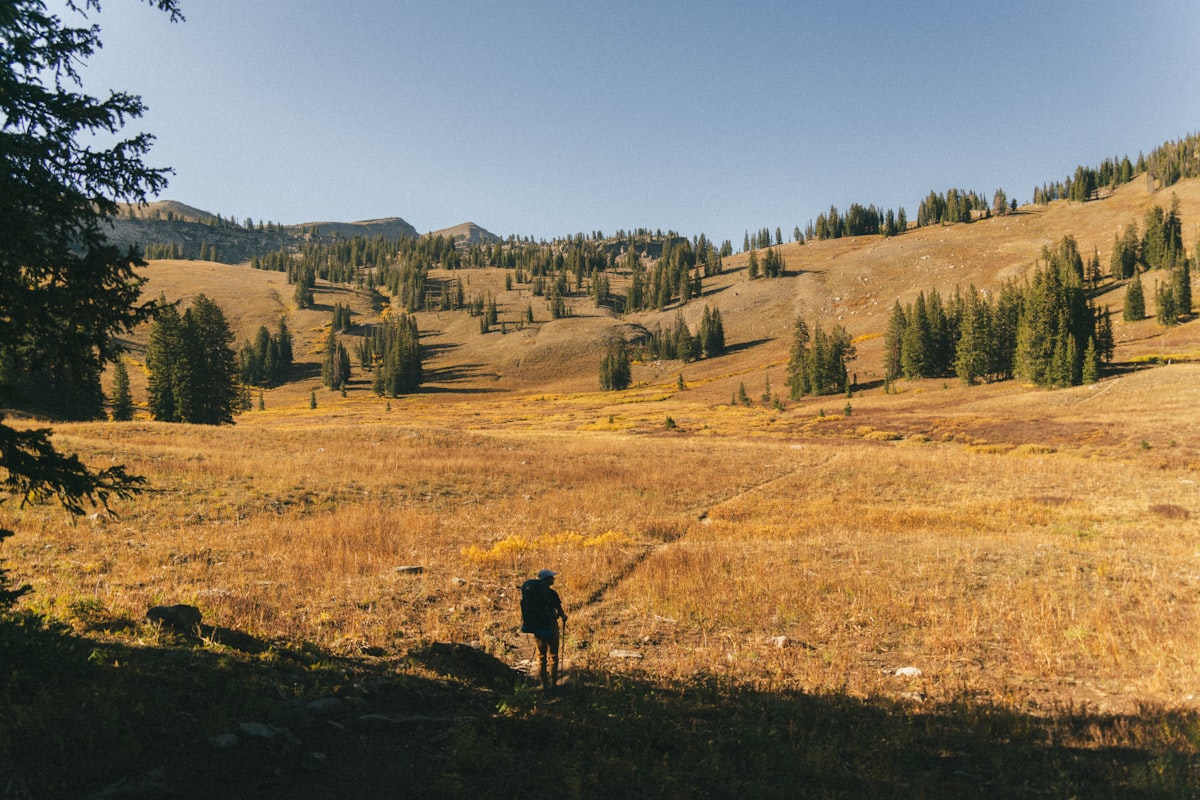
Packing out dog waste isn't as bad as it sounds. Several approaches work.
Standard Poop Bags
The simplest method. Use bags, tie them shut, store in an outer pocket of your pack or a dedicated pouch. They're cheap, lightweight, and familiar. The downsides include odor, needing multiple bags for a trip, and no containment if a bag fails.
Double-bag for added security and use scented bags to mask odor. A dedicated external pocket keeps waste away from your gear. Never put filled bags in the main compartment.
Dedicated Waste Carriers
Products designed specifically for this purpose include the Dicky Bag, a clip-on container that holds filled bags with an odor-blocking design. The Poop Porter follows a similar concept with a sealing container for filled bags. Third-hand carriers are pouches that attach to your leash or belt.
These products offer odor containment and hands-free carrying since they're designed for exactly this purpose. The downsides are additional cost, typically $15-30, and one more thing to carry.
WAG Bags and Similar
Originally designed for human waste in sensitive areas, some backpackers use these for dog waste on multi-day trips. They're designed for containment and include powder that controls odor and breaks down waste. The tradeoffs are weight, cost, and the fact that they may be overkill for short trips.
The Tube Method
Some long-distance hikers use PVC tubes or purpose-built containers to store waste on extended trips where trash cans don't exist. This provides complete containment and the containers can be stackable if needed. The downsides are weight, bulk, and DIY hassle to set up.
When Burial Might Still Be Acceptable
In some situations, burial remains acceptable if conditions align. Some forests and BLM areas explicitly permit burial with specific guidelines. True remote wilderness with minimal dog traffic where waste won't concentrate is another scenario where burial might work. Proper technique requires a 6-8 inch deep cat hole, 200 feet from water, and off the trail. This only applies to solid waste since diarrhea cannot be buried properly.
Even when burial is technically allowed, pack-out is the higher ethical choice. Consider doing better than the minimum.
Distance Requirements
However you handle waste, distance matters. Stay 200 feet from water sources including streams, lakes, springs, and wetlands to prevent runoff contamination. Maintain 200 feet from trails so others won't encounter it. Keep 200 feet from campsites including your own because fouling common areas affects everyone.
These aren't arbitrary numbers. They're based on research into how far waste-borne contaminants typically travel.
Count Your Steps
200 feet is about 70 adult paces. When your dog needs to go, walk that far from trail and water before allowing them to squat.
Multi-Day Trip Logistics
Backpacking with a dog requires planning for waste across multiple days.
Pre-Trip Considerations
Calculate your expected waste volume before you leave. Most dogs produce 0.5-1 lb of waste daily, so for a 3-day trip, plan to carry 1.5-3 lbs of waste. Bring adequate supplies with one bag per expected bowel movement plus extras. For most dogs, this means 3-4 bags per day.
Decide your storage strategy in advance. An external mesh pocket works for day trips, but multi-day trips require more thought about where filled bags will go.
On-Trail Management
Pick up waste while fresh. It's easier and reduces odor. Don't let bags hang loose where they might break or fall. In bear country, store waste with food in your bear canister or hung cache at night. Yes, really.
Food Timing
Feeding schedule affects waste timing. Some backpackers feed a lighter dinner so morning elimination happens before breaking camp. Others skip breakfast and feed a larger lunch so afternoon stops handle waste. Timing meals to predict elimination patterns gives you more control over where and when your dog needs to go.
The Bags Themselves
Not all poop bags are equal. Standard plastic bags work fine but aren't environmentally friendly and don't biodegrade in landfills or backcountry. Biodegradable bags break down faster in industrial compost, but not in cold or dry conditions. Don't leave them in nature expecting them to disappear.
Compostable bags have even stricter degradation requirements and only truly break down in hot, wet composting conditions. Some areas require paper bags that can be disposed of with human waste in pit toilets, so check local rules.
The bag type matters less than actually using one and packing it out. A plastic bag removed from the trail beats a biodegradable bag left behind.
Handling Diarrhea
Loose stool presents challenges standard bags can't solve. On trail, do your best. Cover with dirt if burial is allowed and pack out what you can.
Prevention helps more than treatment. Avoid trail water unless filtered and don't let dogs eat unknown substances. Watch for food sensitivities triggered by stress. If diarrhea happens repeatedly, leave the trail. Your dog may be sick and needs rest, not more hiking.
Frequently Asked Questions

Sara founded Paths & Paws to share field-tested advice with fellow dog hikers. She believes every dog deserves time on the trail.