 Paths & Paws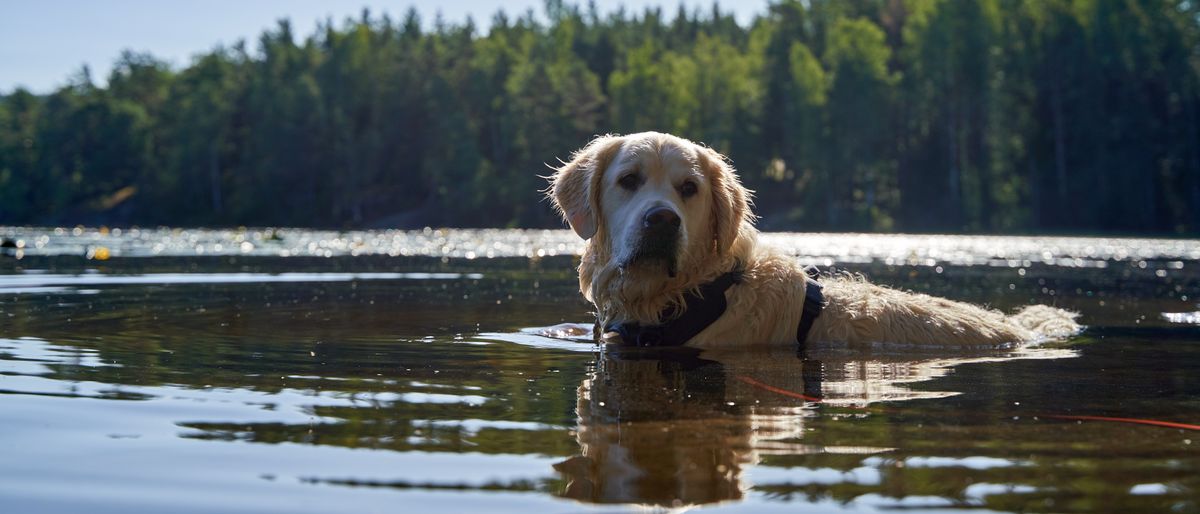
Jasper and I came off a three-day loop in the Olympic Peninsula absolutely soaked. Rain for 52 straight hours. Every piece of gear dripped. The tent, our sleeping bags, his pack, my pack. Everything.
What happened next taught me more about gear care than any manual ever could. I hung a few things to dry and stuffed the rest in the garage. Two weeks later, mold had claimed my tent rainfly. The damage was permanent. That $400 tent became a $400 lesson.
Mold and mildew can develop in as little as 24 hours on damp fabric. According to the REI Expert Advice team, gear stored wet is the leading cause of premature replacement. Your dog's gear faces the same risk as yours, sometimes worse. Harness webbing traps moisture. Pack padding holds water like a sponge. And your dog? The American Kennel Club notes that a wet undercoat that stays damp creates the perfect conditions for hot spots and skin infections, which can develop within 24 to 48 hours.
We have refined our post-trip drying routine over 67 wet backpacking trips across the Pacific Northwest, Cascades, and Olympic Peninsula. The process takes time. Skip it and you replace gear far sooner than you should. We estimate proper drying has saved us $2,000 or more in gear replacement over the past five years.
Key Takeaways
- 1Dry all gear within 24 hours to prevent mold and mildew growth
- 2Never store wet sleeping bags or they will develop permanent odor
- 3Dog harnesses and packs need air drying away from direct heat
- 4Wet dog undercoats can develop hot spots within 48 hours
- 5Tents should be set up indoors or hung to dry completely before storage
- 6Enzyme cleaners can save gear that already smells musty
Start with your dog
Your dog comes first. Always. Jasper weighs 95 pounds and his double coat holds an impressive amount of water. After a wet trip, drying him properly takes priority over any piece of equipment.
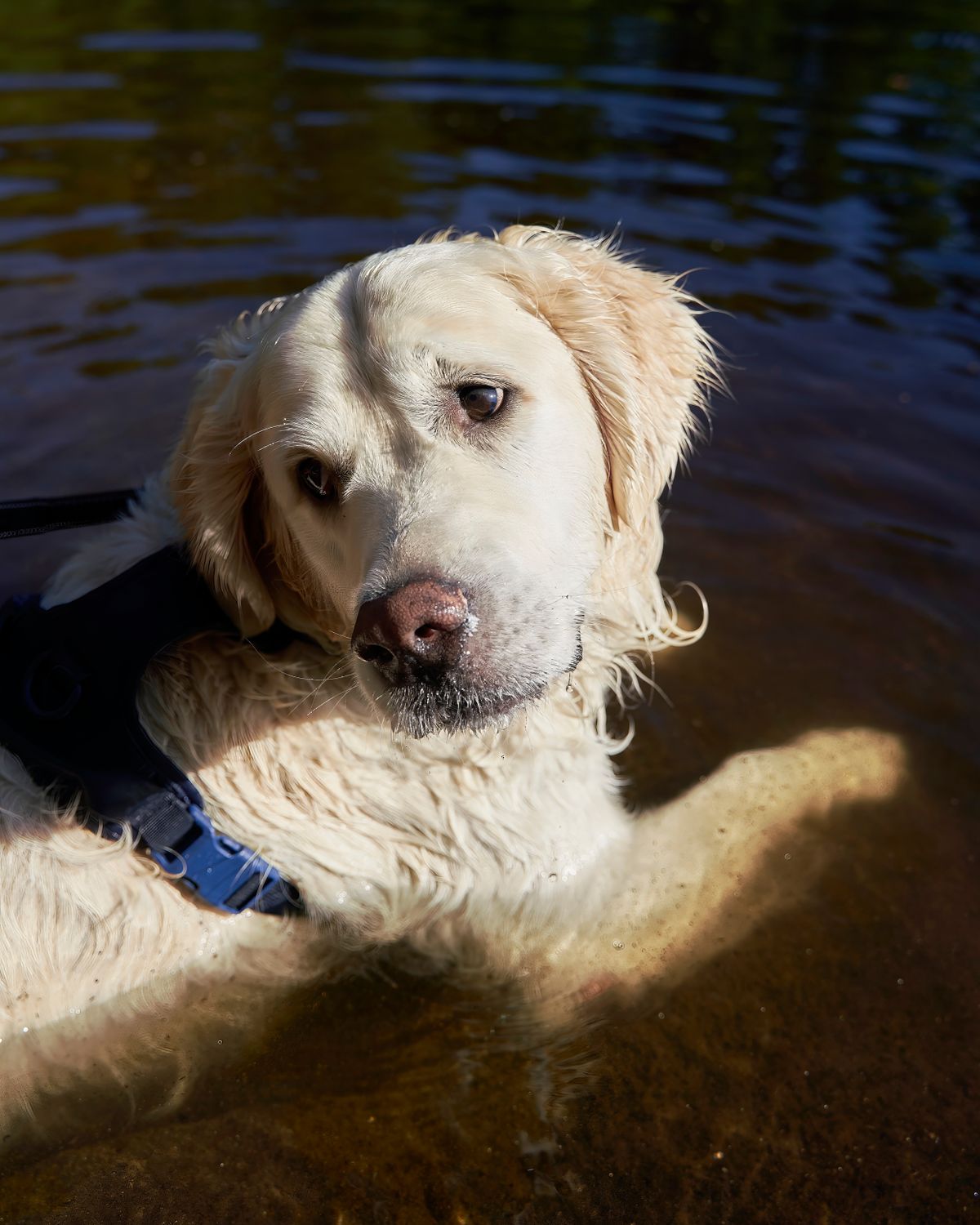
A damp undercoat creates ideal conditions for bacterial growth. Hot spots, which vets call acute moist dermatitis, can develop in 24 to 48 hours when moisture stays trapped against the skin. We have seen this happen. A small damp spot behind Jasper's ear turned into a raw, oozing lesion before we caught it.
Use your hands like a comb. Lift sections of fur, especially around the neck, chest, thighs, and base of the tail. Squeeze water from the undercoat. You are pushing moisture out from the dense inner layer where it lingers for hours otherwise.
A high-velocity pet dryer on a low or medium setting speeds things up dramatically. Hold it at a distance and keep it moving. If you do not own a pet dryer, a human hair dryer works on cool or warm settings. Never use hot. Keep it moving constantly.
Focus extra attention on areas where gear sits. Under the harness. Where pack straps rest. Behind the ears. These spots trap moisture and show problems first.
The Towel Wrap Method
After squeezing out excess water, wrap a large absorbent towel around your dog and leave it for 5 to 10 minutes. The towel wicks moisture from the undercoat passively while you start unpacking gear.
Drying your dog's gear
Dog packs and harnesses need careful handling. The materials differ from human gear. Webbing, foam padding, and buckles each have specific drying needs.
Never put dog gear in a dryer. The heat damages webbing and can warp buckles or melt plastic components. We learned this the hard way with a harness that came out twisted and unusable.
Start by removing visible dirt. Use a soft brush or old toothbrush to scrub mud from straps and padding. Dirt left to dry becomes much harder to remove later and can harbor bacteria.
Rinse the gear in clean water if it picked up any trail grime. Salt from sweat or minerals from stream crossings should come off before drying. A quick rinse prevents long-term material breakdown.
| Gear Type | Drying Method | Time Required |
|---|---|---|
| Dog pack | Hang open in ventilated area | 24-48 hours |
| Harness | Lay flat on rack or hang | 12-24 hours |
| Collar | Hang or lay flat | 6-12 hours |
| Booties | Stuff with paper, air dry | 12-24 hours |
| Cooling vest | Hang in shade | 24-48 hours |
Wrap the gear in a dry towel first to absorb initial moisture. Then hang it in a well-ventilated space away from direct sunlight. UV rays degrade nylon webbing over time. A covered porch, garage with good airflow, or indoor drying rack works well.
Open all compartments and pockets on dog packs. Unzip everything. Spread the pack so air reaches all surfaces. We hang Jasper's pack upside down with all compartments open.
Tents and shelters
Your tent probably got the worst of it. A wet tent stored without drying will smell terrible within days and develop permanent mold damage.
Set up the tent indoors if you have space. A garage or basement works perfectly. Open all doors and vents. If you cannot set it up fully, drape it over a clothesline or large furniture so both sides get airflow.
Shake the fabric first. Remove loose water before setting it to dry. Flip the tent occasionally to make sure all sides dry evenly.
For seriously soaked tents, we wipe down the interior with a camp towel before setting it up to dry. This removes standing water that would otherwise drip onto your floor.
The rainfly often takes longest. The waterproof coating prevents moisture from escaping quickly. Give the rainfly extra time. We usually leave ours set up for 48 hours after a heavy soaking.
Tent poles can trap water inside. Stand them upright so moisture drains out the bottom. Leave them standing until completely dry.
Sleeping bags and pads
A wet sleeping bag becomes a useless sleeping bag. Down insulation clumps when wet and loses all loft. Synthetic insulation handles moisture better but still needs proper drying.
Never stuff a damp sleeping bag into storage. This is how you get mold, mildew, and a bag that smells like forgotten gym equipment.
Squeeze out excess moisture. Do not wring the bag. Wringing damages insulation and baffles. Gentle squeezing pushes water out without causing harm.
Hang the bag loosely over a shower rod, clothesline, or drying rack. Some people drape them over multiple chairs to maximize airflow. Flip the bag every few hours so both sides dry evenly.
For severely wet down bags, a large commercial dryer on low heat with clean tennis balls helps restore loft. This works for down specifically. Synthetic bags air dry only.
Sleeping pads trap moisture in valve openings and foam. Open all valves. Stand the pad upright so water drains. Inflate partially to allow internal airflow, then deflate and repeat.
| Item | Risk if Stored Wet | Drying Time |
|---|---|---|
| Down sleeping bag | Permanent loft loss, mold | 24-72 hours |
| Synthetic sleeping bag | Odor, mildew | 24-48 hours |
| Inflatable pad | Valve mold, internal mildew | 12-24 hours |
| Foam pad | Permanent odor | 24-48 hours |
Your pack and clothing
Backpacks have multiple compartments, each capable of trapping moisture. Empty everything. Turn pockets inside out. Remove the hip belt and shoulder straps if they detach.
Open every zipper. Spread the pack so the main compartment stays open. A pack frame can help hold the shape while drying.
Hang the pack upside down. Water that pooled in the bottom drains out. Leave it hanging for at least 24 hours in a ventilated space.
Clothing follows standard laundry rules with one exception. Do not leave wet hiking clothes in a pile. Mildew starts fast. Either wash immediately or hang items separately until you can wash them.
Rain gear needs special attention. Wipe down the exterior with a clean cloth. Hang it open so the interior dries. DWR coatings on rain gear stay effective longer when you let the material dry completely between uses.
Boots and trail shoes take longest. Remove insoles. Open the tongue fully. Stuff loosely with newspaper or use a boot dryer. Replace the newspaper every few hours as it absorbs moisture. Never use direct heat on boots.
What to do if mold already started
Sometimes you cannot get to gear fast enough. Work, travel, life. The tent sat in the car for three days and now it smells.
Enzyme cleaners work wonders. Products like Gear Aid Revivex Odor Eliminator kill mildew, clean the fabric, and eliminate the smell. We keep a bottle in the garage specifically for this purpose.
Dilute the cleaner according to directions. Submerge the affected item completely. Open all zippers and compartments so the solution reaches everywhere. Soak for 15 to 30 minutes.
Rinse thoroughly with clean water. Then dry normally using the methods above.
For stubborn cases, a second treatment helps. Some mildew needs repeated applications to fully eliminate.
Prevention always beats treatment. But knowing you can salvage mildewed gear takes some pressure off those situations where immediate drying is not possible.
Check Before Your Next Trip
Gear that smelled fine when you stored it might have developed hidden mold. Before your next trip, inspect all seams, pockets, and padding. Smell each item. Catching mildew early saves gear that would otherwise become unusable.
Building a drying routine
We have a specific routine now. It starts in the parking lot before we even drive home.
In the car, we separate wet items into a dedicated waterproof bag. This keeps moisture from spreading to the rest of our gear during the drive. We use a large dry bag that lives in the trunk for exactly this purpose.
At home, the dog comes first. Towel dry, then blow dryer on cool. Check for any raw spots or irritation while drying.
Next, tent goes up in the garage. Sleeping bags get hung. Packs get emptied and spread open. Dog gear gets rinsed if muddy and hung separately.
Everything stays set up until fully dry. We check by feeling deep into padding and along seams. If anything feels cool to the touch, it still holds moisture.
Only after everything passes the touch test do we pack items for storage. This process takes 24 to 72 hours depending on how wet things got. Rushing it costs more in replacement gear than the time investment saves.
The routine sounds like a lot. After a few trips, it becomes automatic. Ten minutes of setup when you get home saves hundreds of dollars in gear damage over a hiking career.
Frequently Asked Questions
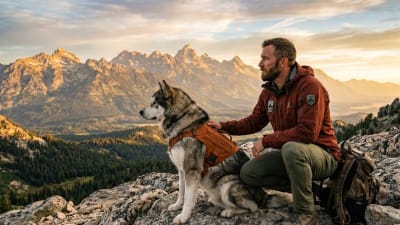
Kelly has logged over 5,000 trail miles with his dogs across the American West. He specializes in backcountry expeditions and gear testing for large breeds.
References & Further Reading
- Gear Care and Maintenance — REI Expert Advice
- Preventing Hot Spots in Dogs — American Kennel Club
- Mold Prevention in Outdoor Gear — National Park Service