 Paths & Paws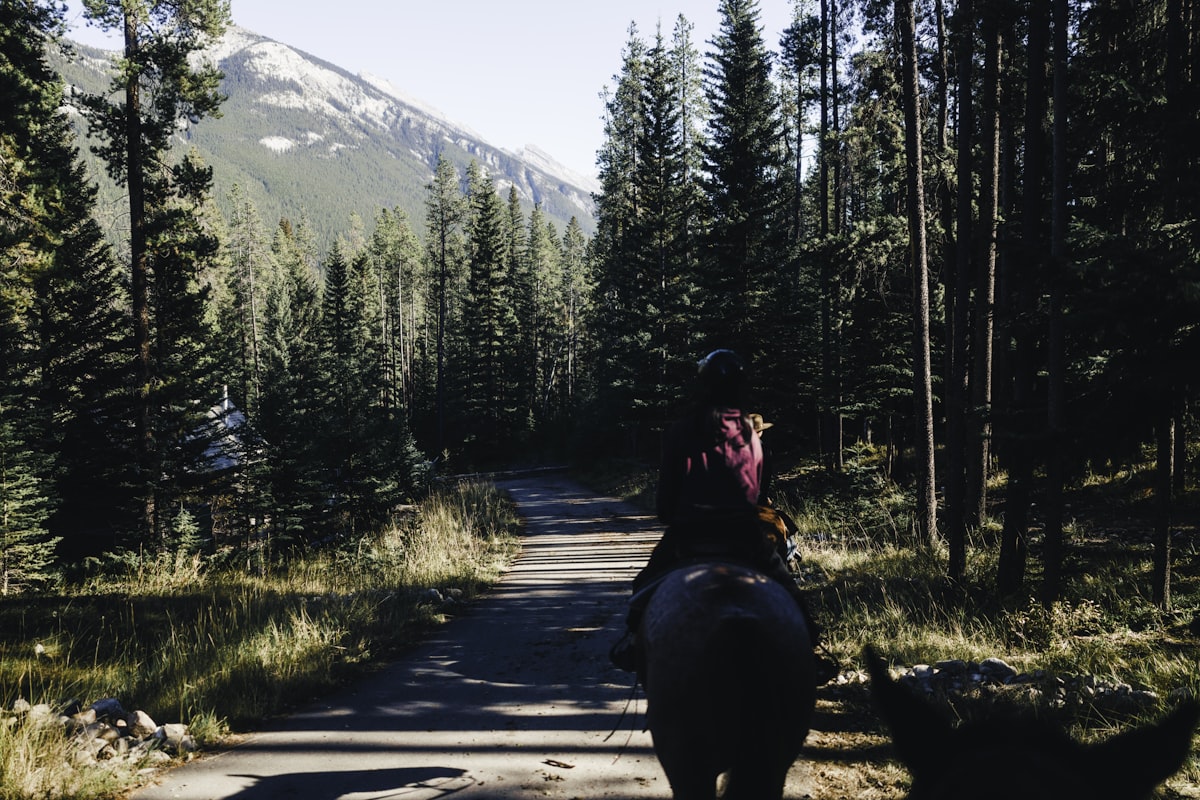
Hikers with dogs yield to horses. This rule exists because horses are prey animals that can panic when they see unfamiliar creatures, especially dogs. A spooked horse can injure its rider, damage trail infrastructure, or cause a dangerous situation for everyone nearby. Scout and I have encountered dozens of horses on trails, and following proper protocol has kept every interaction calm and safe.
Key Takeaways
- 1Hikers and dogs always yield to horses on shared trails
- 2Move to the downhill side of the trail when possible
- 3Keep your dog close and under control - preferably sitting quietly
- 4Speak calmly to the rider so the horse knows you're human, not a predator
- 5Wait for the rider's signal before resuming your hike
Why horses have right of way
Trail hierarchy exists for safety reasons. Horses are flight animals whose instinct when frightened is to run. A panicking horse can throw its rider, bolt off trail, or collide with obstacles. On narrow trails, horses have limited options for maneuvering since they can't back up easily. Hikers and dogs are more mobile and flexible.
Size matters too. A 1,000-pound animal in motion is dangerous to everyone nearby. Giving horses space prevents accidents. To a horse, a dog can look like a wolf or coyote. This triggers deep-seated fear responses, even in well-trained horses.
Warning
Never assume a horse is "trained" or "bomb-proof." Even experienced trail horses can spook unexpectedly. Every horse encounter deserves careful handling.
The standard yielding protocol
When you see horses approaching, work through these steps. First, assess distance. As soon as you spot horses, begin planning where you'll yield. Look for a wide spot on the trail or an area where you can step well off the path.
Second, move off trail. Step to the side of the trail, preferably the downhill side. This positions you below the horse's eyeline, making you less threatening.
Third, control your dog. Shorten your leash and have your dog sit or stand calmly beside you. Hold the leash securely. A sudden lunge can spook the horse and pull you off balance.
Fourth, announce yourself. As the horse approaches, speak in a calm, normal voice. Say something like "Hi there, we're stepping aside" or "Good morning, nice day for a ride." This tells the horse you're a human, not a predator hiding in the brush.
Fifth, stay still. Don't make sudden movements while the horse passes. Keep your dog still too.
Sixth, wait for the signal. The rider will often indicate when it's safe to resume walking. If they don't, wait until the horse is well past you before moving.
Why the downhill side matters
Yielding to the downhill side of the trail serves multiple purposes. You're below the horse's sightline, and horses feel less threatened by things below them rather than above. If the horse does spook, the rider can direct it uphill, away from you. You and your dog are more stable standing below the trail than above it. The horse has the established trail to walk on rather than navigating uncertain ground.
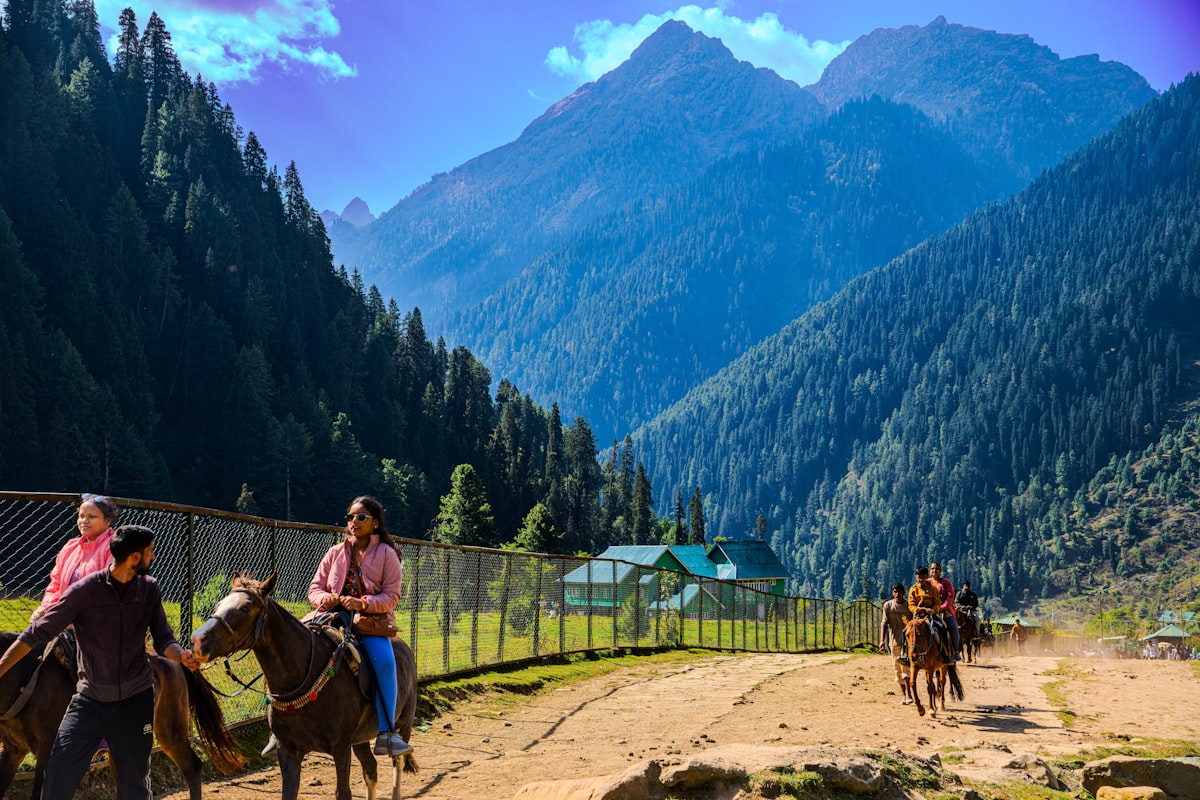
Managing your dog during horse encounters
Your dog's behavior is the critical factor. Never let your dog approach horses off-leash, as even friendly dogs can trigger a spook response. A stationary dog is less threatening than one moving around, so practice having your dog hold a sit while horses pass.
Position yourself between your dog and the horse when possible. You become a visual barrier. Your dog picks up on your stress, so stay relaxed, keep breathing normally, and your dog will stay calmer. High-value treats keep your dog's attention on you rather than the horse. Reward calm behavior during and after the encounter.
Pro Tip
Practice horse encounters at a local stable or equestrian area before encountering horses on remote trails. Controlled practice builds confidence for both you and your dog.
What to do if your dog reacts
Despite preparation, some dogs bark or lunge at horses. Hold firm and don't let the leash slip. A dog chasing a horse creates a dangerous situation. Move further off trail if possible to create more distance between your dog and the horse. Sometimes breaking visual contact helps, so turn your dog to face away from the trail.
Apologize clearly and let the rider know you're actively managing the situation. Most riders appreciate the acknowledgment. If your dog reacts strongly to horses, seek training help before hiking horse-popular trails again.
Communicating with riders
Clear communication prevents misunderstandings. Call out when you first spot horses so the rider knows you're there. Surprises cause more problems than advance notice. Some riders prefer you stand, others prefer you crouch. Ask "Is this good, or should I move further?" if you're unsure.
Confirm your dog is controlled. "My dog is leashed and under control" reassures riders. Wait for the all-clear before resuming. Riders may need a moment after passing to ensure their horse has settled. Wait for their acknowledgment.
Special situations
Multiple horses require patience. Wait for the entire group to pass since a dog moving behind one horse can spook the next. Pack strings of mules and horses carrying gear may be tethered together, so let the entire string pass before moving.
If a rider says their horse is green or nervous, give extra space. Back further off the trail and keep your dog quieter. On narrow trails with no room to yield, you may need to backtrack to a wider spot. It's inconvenient but safer. When horses approach from behind, step off trail when you hear hooves. Don't make the horse navigate around you.
Note
Some riders may ask you to stay completely still while they pass at a distance. Others may be comfortable with you walking alongside your trail side. Follow the individual rider's preferences.
Teaching your dog to be horse-safe
Gradual exposure builds comfort. Start at a distance, watching horses from far away and rewarding calm attention to you. Decrease distance slowly over multiple sessions as your dog remains calm. Some stables offer controlled exposure for dogs learning to be horse-safe.
Practice in different settings so your dog generalizes the calm behavior. Never punish fear. A dog who's scared of horses won't become less scared through punishment. Patient counter-conditioning works better.
What riders appreciate
Good dog hikers stand out:
- Yielding without being asked
- Controlling their dogs proactively
- Speaking calmly to announce themselves
- Waiting patiently for the entire group to pass
- Keeping their dogs quiet and still
- Moving off trail far enough to provide real clearance
Frequently Asked Questions
Sara founded Paths & Paws to share field-tested advice with fellow dog hikers. She believes every dog deserves time on the trail.