 Paths & Paws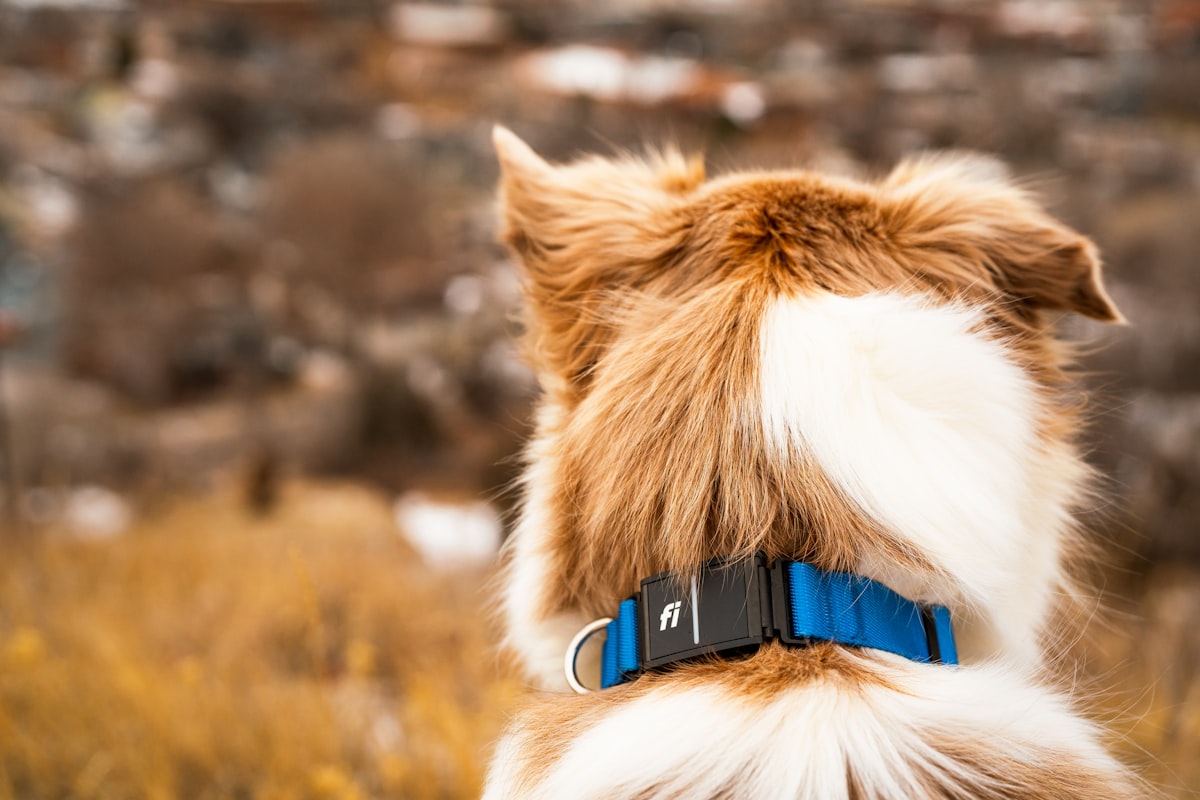
Both Fi and Tractive promise to track your dog's location in real-time. Both use LTE cellular networks. Both require monthly subscriptions. But when you're three miles from the trailhead with zero bars on your phone, which one actually works?
The short answer is neither works reliably without cell service. For true wilderness hiking, you need satellite or radio-based tracking. But for hikes that stay within cellular range, these are the two best options.
Key Takeaways
- 1Both trackers rely on LTE cellular networks and fail without coverage
- 2Fi offers superior battery life (3 months vs 2 weeks)
- 3Tractive provides more frequent updates and live tracking
- 4Fi costs more upfront but subscription prices are similar
How These Trackers Work
Both Fi and Tractive use the same basic technology: GPS satellites determine location, and LTE cellular networks transmit that location to your phone app.
In practice, you get accurate location when cell service exists but no updates when service dies. Your phone doesn't need service, but the collar does. Both require monthly subscription fees to function.
The trackers differ in how they handle battery life, update frequency, and additional features. Neither can track your dog in true wilderness where cell towers don't reach.
Fi Series 3: The Marathon Runner
What's Good
Battery life is Fi's standout feature. The Series 3 lasts up to 3 months on a single charge in normal use, and even with heavy location tracking, you'll get weeks instead of days. The collar itself feels premium, with a solid buckle and durable band. The GPS module integrates cleanly into the design, making it look like a normal collar that happens to have tracking built in.
Beyond location, Fi tracks steps and activity levels throughout the day. Over time, you see patterns in your dog's movement and can catch changes that might indicate health issues. When you activate lost dog mode, the collar enters high-frequency tracking and alerts you immediately to any movement.
What's Not
Standard mode updates every few minutes rather than continuously. If your dog moves between updates, you see location jumps rather than smooth tracking. Fi uses T-Mobile's LTE network exclusively, which means coverage gaps exist wherever T-Mobile doesn't reach.
The cost adds up as well. The collar runs around $150 upfront, with subscriptions starting at $99/year. You're committed to ongoing fees for as long as you want tracking. Unlike Tractive, Fi doesn't offer true real-time tracking. You see where your dog was, not where they are this exact second.
Tractive DOG 6: The Real-Time Tracker
What's Good
Tractive's biggest advantage is continuous real-time tracking. You can watch your dog's movement as it happens, second by second, which makes a real difference when you're trying to locate a dog on the move. The tracker uses multiple cellular networks instead of relying on just one carrier, potentially offering better coverage in areas where T-Mobile is weak.
The price point is friendlier too. The tracker costs around $50, quite a bit less than Fi's collar. You can create virtual boundaries through geofencing and get alerts whenever your dog leaves designated safe zones. The Tractive device is also more compact, making it a better choice for smaller dogs who don't need the bulk.
What's Not
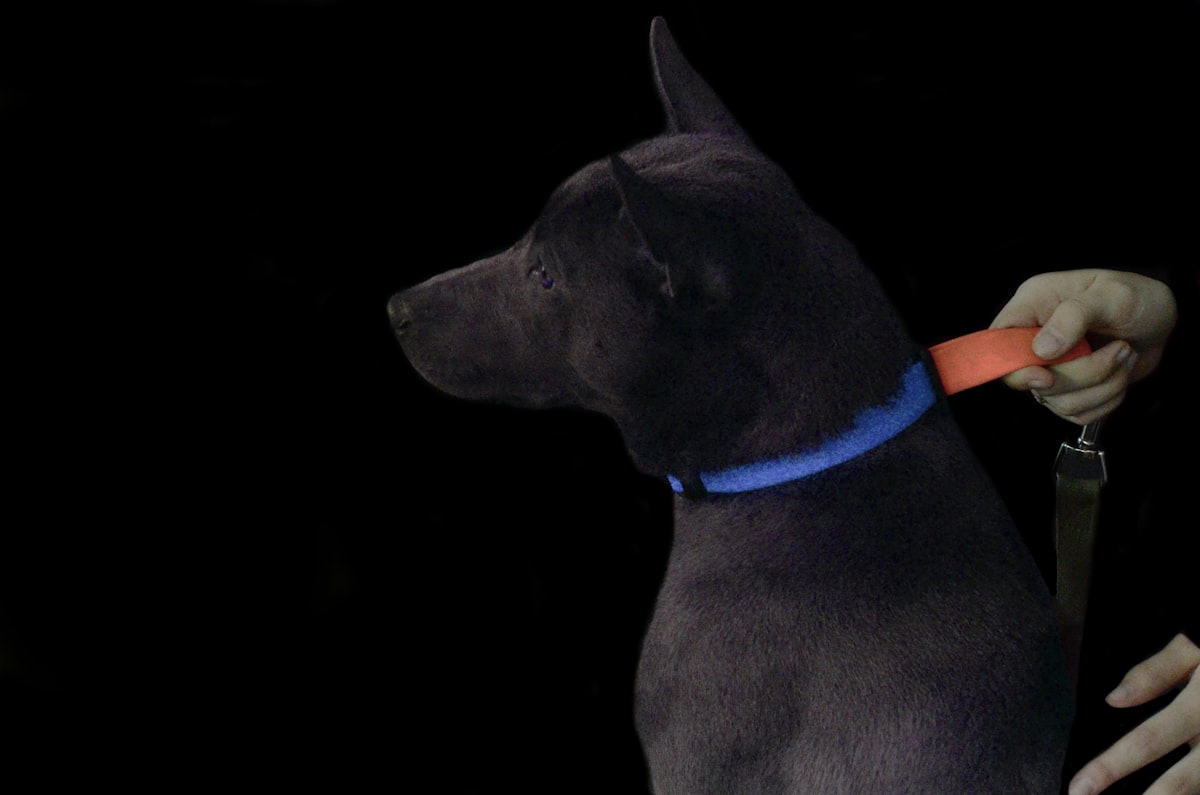
Battery life is the main weakness. Two weeks is the maximum claim, and real-world use often yields less. Heavy live tracking drains it even faster. The attachment method also raises concerns. The tracker clips to an existing collar rather than being built into one, and that clip can snag on brush or fail over time with trail use.
Some users report location drift or delayed updates in certain conditions, though this varies by area. Like Fi, Tractive requires an active subscription for any tracking functionality. Plans run $5-13/month depending on how long you commit.
Check Coverage Before You Buy
Both companies provide coverage maps. Before purchasing either tracker, verify your regular hiking areas have LTE coverage from their carrier network. A tracker without cell service is just an expensive collar decoration.
Head-to-Head: Trail Testing
We took both trackers on the same hikes across Colorado's Front Range over six months.
Cell Coverage Performance
Within cellular range, both performed well. Updates came through consistently, and location accuracy was within 10-30 feet of actual position.
The moment we hiked beyond cell coverage, both failed identically. No updates, no tracking, no warning. Our dogs could have been anywhere. This round ends in a tie: both work fine in coverage areas, and both become useless beyond coverage.
Battery Life Reality
Fi's claims held up. Three months of light use, about 6 weeks with frequent check-ins. We charged it twice during our testing period.
Tractive needed charging every 7-10 days with mixed use. Live tracking mode drained it in 2-3 days. Fi wins this round decisively on battery. It's not even close.
Tracking Accuracy
When both had service, Fi showed updates every 2-5 minutes. Good enough for knowing general location but not for tracking a running dog.
Tractive's live mode showed movement in near-real-time. We watched our dog's exact path through a meadow, turn by turn. Tractive takes this round for live tracking situations, while Fi works fine if you just need to check location periodically.
Build Quality
Fi's integrated collar design survived brush, water crossings, and general trail abuse without issues. The buckle stayed secure.
Tractive's clip-on mount caught on branches several times. We tightened the attachment repeatedly throughout testing. Fi's integrated design proves more trail-ready for serious hiking.
Cost Over Time
In the first year, Fi runs about $249 total ($150 collar plus $99 subscription), while Tractive comes in around $150 ($50 tracker plus approximately $100 subscription). By year three, Fi totals roughly $447 and Tractive around $350, though Tractive's tracker may need replacement by then.
Tractive costs less upfront and over time, but Fi's longer battery life and build quality may make it more economical in the long run.
Which One for Hiking?
Choose Fi If:
- Battery life matters most to you
- You want a clean, integrated collar design
- Multi-day trips where charging isn't convenient
- You're primarily checking location periodically, not tracking continuously
- Build quality and durability are priorities
Choose Tractive If:
- Real-time tracking is a priority
- Budget is your primary concern
- Your dog is small and needs a lighter/smaller device
- You hike mostly in areas with good cell coverage
- You want the lowest upfront investment
Choose Neither If:
- You regularly hike beyond cell coverage
- You need satellite or radio tracking
- You need guaranteed tracking in wilderness areas
For true backcountry hiking, both trackers will disappoint. Consider Garmin Alpha systems (satellite/radio-based) or Aorkuler (radio-frequency) for areas without cellular infrastructure.
The Honest Reality for Hikers
Both Fi and Tractive are excellent products for their intended use: tracking dogs in populated areas with cell coverage. They work great for neighborhood escapes, dog parks, and hikes on popular trails near civilization.
Neither is a wilderness tracking solution. Marketing sometimes implies otherwise, but the physics are simple: no cell tower, no tracking.
If your hiking stays within a few miles of trailheads that have cell service, either tracker adds valuable peace of mind. If you push into actual wilderness, neither will help when you need it most.
Don't Rely on These for Wilderness Safety
Cell-based GPS trackers create a dangerous false sense of security in wilderness areas. Always maintain visual or auditory contact with your dog in areas without cell service. Technology can't replace basic wilderness dog handling.
Frequently Asked Questions

Kelly has logged over 5,000 trail miles with his dogs across the American West. He specializes in backcountry expeditions and gear testing for large breeds.