 Paths & Paws
First Aid for Senior Dogs on the Trail
Key Takeaways
- 1Senior dogs bruise easier and heal slower than younger dogs
- 2Keep arthritis medications accessible in your pack's top pocket
- 3Older dogs hide pain better so watch for subtle behavior changes
- 4Carry extra padding for splints to protect fragile senior bones
- 5Know your dog's baseline vitals before every hike
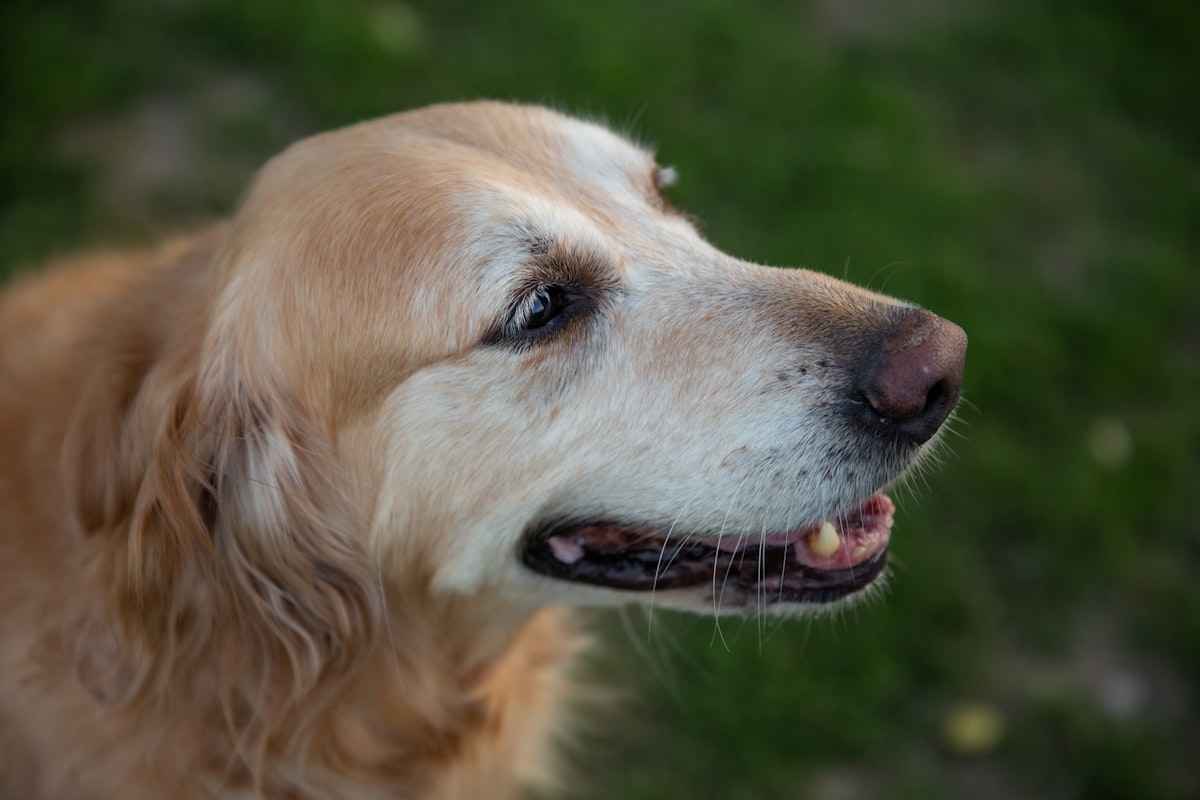
Senior dogs require a different first aid mindset on the trail. Their bodies don't bounce back like they used to, and what would be a minor scrape on a young dog can become a real problem for an older companion. I learned this firsthand with Cedar, my 12-year-old Golden Retriever. A minor paw pad scrape that would have healed in three days when she was younger took nearly two weeks last summer. Over my veterinary career, I've treated countless trail injuries, and the approach for a 10-year-old Lab differs substantially from treating a 3-year-old.
Why Senior Dogs Need Modified First Aid
Aging changes everything about how a dog's body responds to injury. Skin becomes thinner and tears more easily. Blood vessels are more fragile, leading to increased bruising. Healing times double or even triple compared to younger dogs.
The immune system also weakens with age. A small wound that a young dog's body would fight off easily can become infected faster in senior dogs. Cedar got a thorn puncture on a Mount Tamalpais hike last fall. Despite cleaning it immediately, the wound showed redness by the next morning. In her younger years, that same puncture wouldn't have needed a second thought. This means wound cleaning and monitoring become even more critical on the trail.
Warning
Senior dogs often mask pain as an instinct. A tough older dog may seem fine while hiding real discomfort. Watch for subtle signs like slight limping, reluctance to jump, or changes in breathing patterns.
Pre-Hike Preparation for Senior Dogs
Before hitting the trail with an older dog, establish baseline vitals at home. Know their normal heart rate and respiratory rate. Check gum color too. This information becomes invaluable if something goes wrong on the trail.
Record these numbers before you go
- Resting heart rate (measure for 15 seconds, multiply by 4)
- Breaths per minute at rest
- Capillary refill time (press gum, count seconds until pink returns)
- Normal gait and movement patterns
Review any medications with your vet before longer hikes. Some arthritis medications need dose adjustments for extended activity. Pack medications in waterproof containers and keep them accessible.

Modifying Your First Aid Kit for Seniors
Your standard canine first aid kit needs additions for older dogs. Senior-specific items address their unique vulnerabilities.
Add these to your kit
- Extra gauze padding for fragile skin
- Non-stick wound dressings (regular bandages can tear thin skin)
- Soft splinting materials
- Extra arthritis medication doses
- Glucosamine treats for emergency joint support
- Eye drops (senior dogs often have dry eyes)
The splinting materials matter more for seniors. Older bones are more brittle and fracture differently than young bones. Use extra padding between any rigid splint material and the leg. Consider carrying a SAM splint that you can mold gently around fragile limbs.
Treating Common Senior Dog Trail Injuries
Pad and Paw Issues
Senior paw pads lose their toughness over time. The padding becomes thinner, and calluses that once protected wear down. Small rocks and rough terrain affect older dogs more.
When treating pad injuries on seniors, follow this approach.
- Clean gently with diluted saline
- Apply antibiotic ointment liberally
- Use breathable wound covers instead of tight wraps
- Check circulation frequently after bandaging
- Plan for a slower return pace
Joint Flare-Ups
Arthritis can flare suddenly on the trail. One moment your senior dog seems fine, the next they're struggling with a steep section they've done before. I've watched Cedar handle the same switchback on Dipsea Trail dozens of times. Last March, halfway up, she stopped and wouldn't move forward. Her hind legs were trembling slightly. That was the day I realized her arthritis had progressed more than I'd admitted to myself.
Pro Tip
Carry portable joint support. Emergency glucosamine chews can provide some relief, but the real solution is rest. Find a shaded spot, let your dog rest for 20-30 minutes, and consider shortening the hike.
For acute joint pain, try these steps.
- Apply a cold pack if you have one (wrapped in cloth)
- Massage surrounding muscles gently
- Offer water and a small snack
- Give prescribed pain medication if available
- Reduce remaining hike distance
Cuts and Lacerations
Senior dog skin tears more easily and bleeds longer. What looks like a minor cut might need more attention than the same wound on a young dog.
Apply pressure longer than you think necessary. Where a young dog might stop bleeding in 2-3 minutes, seniors often need 5-10 minutes of steady pressure. Use non-stick dressings and avoid tape directly on skin whenever possible.
Recognizing Emergencies in Older Dogs
Senior dogs can deteriorate faster than young dogs. Conditions that might give you time to reach a trailhead in a young dog become urgent emergencies in seniors.
Immediate evacuation signs
- Collapse or inability to stand
- Pale or blue gums
- Labored breathing
- Distended abdomen
- Sudden severe confusion
- Unable to bear weight on multiple limbs
Heart conditions are more common in older dogs. If your senior has any cardiac history, carry emergency contact information for the nearest emergency vet on every hike.
Carrying and Transporting Injured Senior Dogs
Getting an injured older dog off the trail presents unique challenges. Many senior dogs are large breeds, and age may have reduced your own carrying capacity. Cedar weighs 68 pounds. When her arthritis flared on that Dipsea hike, I had to support her hindquarters with a makeshift sling for nearly a mile back to the trailhead. My shoulders ached for days afterward.
For dogs under 40 pounds, a modified backpack carry works. Support the hindquarters especially, as this is where many seniors have weakness. For larger dogs, an emergency sling or stretcher becomes necessary.
Practice these techniques before you need them.
- Two-person carry with crossed arms
- Emergency stretcher from trekking poles and jacket
- Sling support for dogs who can partially walk
Note
Consider your own physical limitations honestly. If carrying your senior dog out isn't realistic, plan hikes where evacuation help is available within reasonable distance.
Post-Injury Recovery Differences
Senior dogs need longer recovery periods after trail injuries. A young dog might bounce back from a strain in days. An older dog could need weeks.
After any trail injury, follow these steps.
- Schedule a vet visit even for minor issues
- Reduce activity for twice as long as you think necessary
- Watch for delayed symptoms (some issues show up 24-48 hours later)
- Ease back into hiking gradually
The post-hike check becomes more thorough with older dogs. Run your hands over their entire body, checking for swelling or heat. Feel for tender spots. Look between toes and check ear canals. Examine eyes for any debris or irritation.
When to Retire from Longer Trails
Part of caring for a senior hiking dog is recognizing when certain trails become too risky. A dog who summited peaks at age 5 may need gentler routes at age 11.
This isn't giving up. Shorter trails with good footing and easy evacuation routes keep senior dogs safe. Shade matters too. They can still enjoy the outdoors they love.
Match trail difficulty to your dog's current abilities, not their history. And always have a bail-out plan that gets you back to the trailhead faster if needed.
Frequently Asked Questions
Written by Dr. Jen Coates
Trail-tested advice from hikers who bring their dogs on every adventure. We believe every dog deserves time on the trail.