 Paths & Paws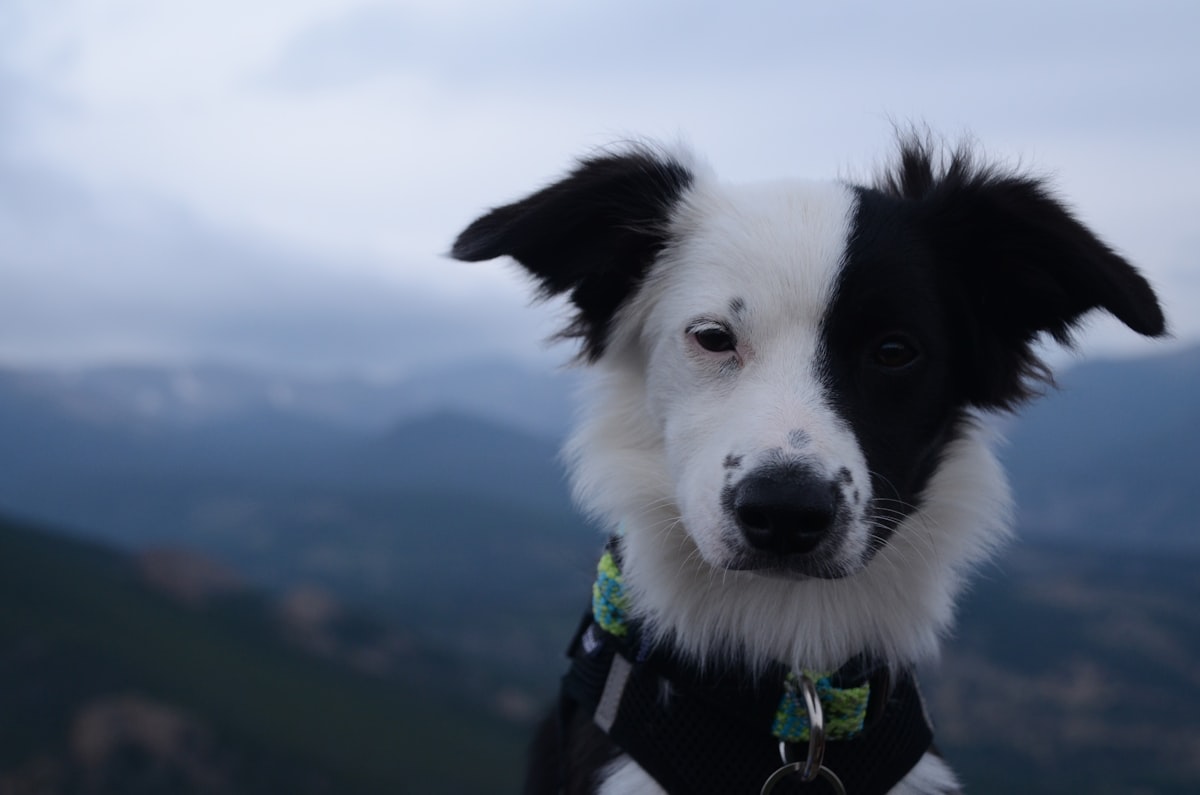
A harness is generally safer than a collar for hiking because it distributes pulling force across your dog's chest and shoulders instead of concentrating it on the throat. On technical terrain where sudden stops happen, this difference matters. Jasper and I have logged over 400 trail miles testing both setups. A collar works fine for well-trained dogs on mellow paths. But the moment terrain gets steep or unpredictable, a harness gives you better control without risking neck injury.
Key Takeaways
- 1Collars put all pulling pressure on the trachea and cervical spine
- 2Harnesses spread force across chest and shoulders, reducing injury risk
- 3Technical terrain with sudden direction changes favors harnesses for control
- 4Escape-prone dogs need a belly strap harness, not just a standard design
- 5Many hikers use both: collar for ID tags, harness for leash attachment
- 6Small breeds and brachycephalic dogs should almost always use harnesses
The debate comes down to anatomy and physics. I have seen the real-world difference when Jasper spooked at a rattlesnake on a narrow ledge in Canyonlands. A collar would have jerked his neck hard. The back handle on his harness let me steady him without any throat pressure. That moment convinced me the harness wins for serious trail work.
The trachea problem with collars
Dogs pull. Even well-trained dogs pull sometimes. When leash tension goes through a collar, all that force concentrates on a small area around your dog's neck. The trachea sits right there, along with the esophagus, thyroid gland, and cervical vertebrae.
Repeated collar pressure can damage the trachea over time. The cartilage rings that hold the windpipe open can weaken or collapse. Veterinarians call this tracheal collapse, and it shows up as a honking cough and breathing difficulty. Small breeds get this most often, but it happens in larger dogs too.
One study from a veterinary ophthalmology journal found that collars increase intraocular pressure more than harnesses during pulling. That elevated eye pressure is a proxy for how much force goes through the neck. The study tested both flat collars and harnesses, and collars consistently caused higher pressure readings.
The damage is not always dramatic. Chronic low-grade stress on neck structures can cause muscle strain, nerve compression, and disc problems. A single hard yank can cause acute injury. On trails where you might need to suddenly restrain your dog from wildlife or a cliff edge, that yank is more likely than on a neighborhood sidewalk.
High-Risk Breeds
Brachycephalic breeds like Pugs, Bulldogs, and Boston Terriers already have compromised airways. Small breeds like Yorkshire Terriers, Pomeranians, and Chihuahuas are prone to tracheal collapse. These dogs should almost always hike in a harness regardless of their training level.
Control on technical terrain
Steep scrambles. Rocky descents. Narrow ledges with exposure. Creek crossings on slippery logs. These situations demand reliable control over your dog, and harnesses deliver it better than collars.
A harness gives you three contact points instead of one. The chest strap, belly strap, and back panel all contribute to how you can guide your dog. Many hiking harnesses include a back handle. This is not a luxury feature. When Jasper needs a boost over a boulder or I need to hold him still while another dog passes on a switchback, that handle matters.
We tested this on a sustained rocky descent in the White Mountains last fall. Loose scree shifted under every step. Jasper slipped twice. Both times, grabbing the back handle let me stabilize him instantly. If I had only a collar to grab, I would have been pulling up on his neck while his feet scrambled for purchase. The physics just do not work.
Front-clip harnesses redirect pulling energy back toward you. This helps on steep uphill sections where your dog wants to charge ahead. The leash attachment on the chest turns forward momentum into a slight rotation, naturally slowing and redirecting without any neck strain.
Back-clip harnesses give more freedom of movement. I use these on easier terrain where Jasper has earned some slack. The back attachment does not provide as much redirection, but it stays out of the way on straightforward trail sections.
Escape-proofing your setup
Some dogs are Houdinis. They back out of standard harnesses by raising their shoulders and folding their front legs under them. A loose collar slips right over their head if they reverse suddenly. On the trail, an escaped dog can disappear into wilderness fast.
The solution is a harness with a belly strap. This second strap sits behind the ribcage, not just behind the front legs. When a dog tries to back out, the belly strap catches them. The Ruffwear Web Master uses this two-strap design, and it is the standard recommendation for escape artists.
Fit matters enormously. You should be able to slide two fingers under every strap but no more. Loose straps let dogs wiggle free. Too tight and you cause rubbing and discomfort that makes your dog want to escape even more.
I have worked with several rescue dogs who came to trails terrified of everything. Fear makes dogs unpredictable. One panicked reversal and they are gone. A properly fitted escape-proof harness is mandatory for nervous dogs until they build trail confidence.
Martingale collars tighten when dogs pull, which prevents some escapes. But the tightening still concentrates force on the neck. For hiking purposes, a martingale does not solve the trachea problem. A belly-strap harness solves both escape risk and neck pressure simultaneously.
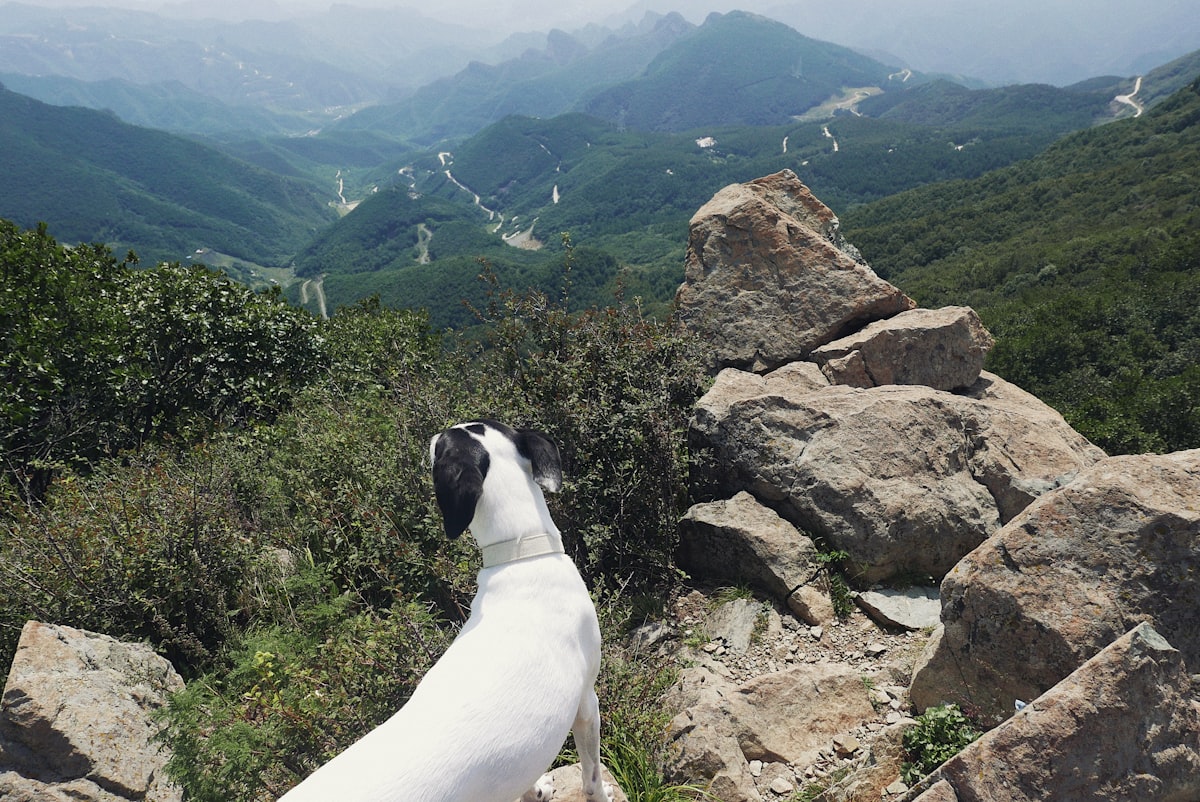
Breed and build considerations
Anatomy varies widely between breeds. A long-necked Greyhound has different vulnerable points than a stocky Bulldog. Your gear choice should account for your dog's specific build.
Dogs with long necks and narrow heads slip out of collars easily. Sighthounds like Greyhounds, Whippets, and Salukis need martingale collars at minimum, but a harness is still safer for active trail use.
Deep-chested breeds like German Shepherds, Dobermans, and Vizslas often fit better in harnesses designed for athletic dogs. Standard pet store harnesses sized by weight alone may gap at the chest or ride up toward the throat. Brands that measure girth separately from weight tend to fit these dogs better.
Short-legged breeds like Corgis and Dachshunds benefit from harnesses because their low center of gravity already puts them at risk on uneven terrain. A harness handle lets you assist them over obstacles they cannot jump themselves.
Puppies should almost always start with harnesses. Their necks are still developing, and yanking on a collar during the clumsy puppy months can cause lasting damage. Build good harness habits early and you avoid injury risk during the most accident-prone stage.
When collars still make sense
Collars have one irreplaceable function. They hold ID tags. If your dog gets loose, a collar with tags is the fastest way for someone to contact you. Harnesses can have ID clips, but collars are more visible and more universally understood.
The smart approach is both. Keep a lightweight flat collar on your dog at all times for ID purposes. Clip the leash to a harness. This combination gives you the safety benefits of harness control and the identification security of a visible collar with tags.
For mellow hikes on wide, flat trails with a well-trained dog who does not pull, a collar-only setup is workable. I still prefer the harness for Jasper even on easy terrain because habits are hard to change in an emergency. If I always use the harness, my muscle memory is there when I need it.
Some dogs genuinely dislike harnesses. They freeze, refuse to walk, or try to bite the straps off. If careful desensitization fails, a well-fitted collar with gentle handling may be necessary. Work with a trainer on leash manners before taking a collar-reactive dog into challenging terrain.
The Hybrid Approach
Wear a collar for ID tags at all times. Clip your leash to a harness. This combination gives you control and safety during the hike, plus identification if your dog somehow gets separated from you.
Matching gear to terrain difficulty
I match Jasper's setup to what we are hiking that day. Easy out-and-back on a fire road. Moderate loop with some rock hopping. Technical scramble with exposure and creek crossings. Each demands different control options.
For Class 1 trails with smooth footing and no hazards, either collar or harness works. This is neighborhood-walk difficulty in a prettier setting. If your dog walks well without pulling, the choice is preference.
For Class 2 trails with uneven terrain, loose rocks, or moderate slopes, a back-clip harness is my minimum. The handle helps when navigating log crossings or waiting for other hikers to pass. Falls are more likely here, and you want to catch your dog without strangling them.
For Class 3 terrain with scrambling, exposure, or river crossings, I use a fitted harness with both back clip and back handle. The handle becomes a lifting point for bouldering sections. The secure fit prevents any chance of escape during creek crossings. Collar-only on technical terrain is asking for trouble.
Jasper wears his Ruffwear Front Range on most day hikes. The padded chest spreads load comfortably and the back handle is sturdy enough to lift his 65 pounds briefly. For overnight trips with more gear and more unknowns, we upgrade to the Web Master for its extra security.
Fitting your harness correctly
A harness only works if it fits. Too loose and your dog can escape or the straps shift to uncomfortable positions. Too tight and you cause chafing, restrict breathing, or make your dog hate wearing it.
Start with a girth measurement. Wrap a flexible tape measure around the widest part of your dog's chest, usually right behind the front legs. This number determines your starting size. Check the manufacturer's chart because sizing varies between brands.
Put the harness on and check strap tension at every adjustment point. The two-finger rule applies everywhere. Slide two fingers under each strap. They should fit snugly without extra space. If you can fit a fist, the harness is too loose. If you cannot fit two fingers, it is too tight.
Watch for common fit problems. Chest straps that ride up toward the throat can cause the same pressure issues as collars. Belly straps that sit too far forward restrict front leg movement. Straps that cross the armpit area can cause chafing during long hikes.
Have your dog walk, sit, and lie down while wearing the harness. Watch for straps that shift or bunch. A harness that fits while standing may ride up or bind during movement. Test before you hit the trail, not after you are miles from the car.
Frequently Asked Questions
Kelly has logged over 5,000 trail miles with his dogs across the American West. He specializes in backcountry expeditions and gear testing for large breeds.