 Paths & Paws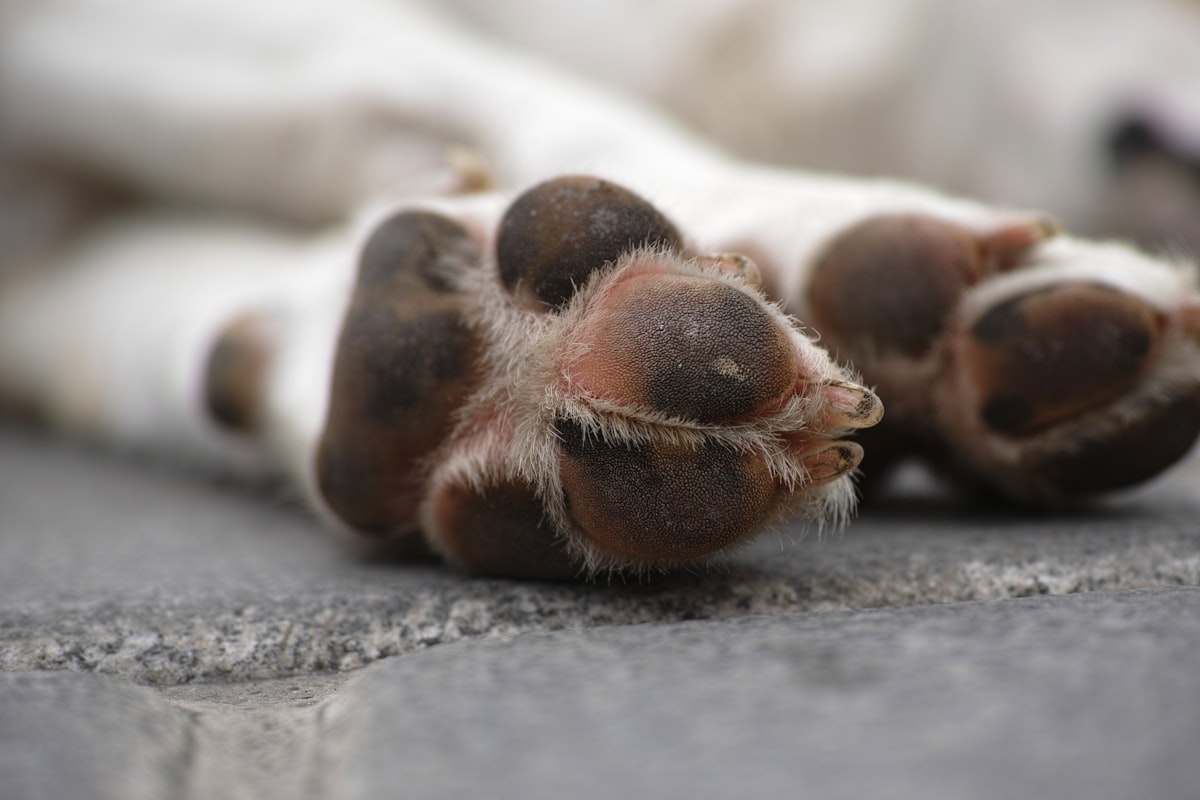
The trailhead is shaded. The trail is dirt. The danger is the parking lot you have to cross first.
Pavement, asphalt, and metal surfaces absorb and radiate heat far beyond air temperature. On an 85-degree day, dark pavement can exceed 140 degrees. That's hot enough to cause second-degree burns on your dog's paws in under 60 seconds.
Most paw burns happen in the minutes before a hike starts.
Key Takeaways
- 1Pavement is 40-60 degrees hotter than air temperature
- 2Burns can occur in under a minute on extreme surfaces
- 3The 7-second rule provides quick assessment
- 4Early morning and evening hiking avoids peak temperatures
How Hot is Too Hot?
Surface temperature matters more than air temperature.
Temperature Comparison
| Air Temperature | Estimated Pavement Temperature |
|---|---|
| 77°F | 125°F |
| 86°F | 135°F |
| 95°F | 155°F |
These are approximations. Dark surfaces in direct sun run even hotter. Shaded or light-colored surfaces run cooler.
Burn Thresholds
At 120 degrees Fahrenheit, dogs experience discomfort and possible burns with prolonged contact. By 130 degrees, burns become possible in under 2 minutes. At 140 degrees, burns can occur in under 1 minute. Above 150 degrees, burns happen in seconds.
At temperatures above 120°F, time is your enemy. Every second on the surface increases burn risk.
The 7-Second Rule
A simple test tells you if pavement is safe:
Press the back of your hand firmly against the pavement. Hold for 7 seconds.
If you can't hold for the full 7 seconds, it's too hot for your dog's paws.
This test isn't perfect. You're using the back of your hand, which is less sensitive than paw pads. If the surface is uncomfortable for you, it's dangerous for your dog.
Test at Ground Level
Don't test by touching pavement while standing. Bend down and make full-palm contact. Heat intensity at ground level is higher than what you feel from standing height.
Where Burns Happen
Parking Lots
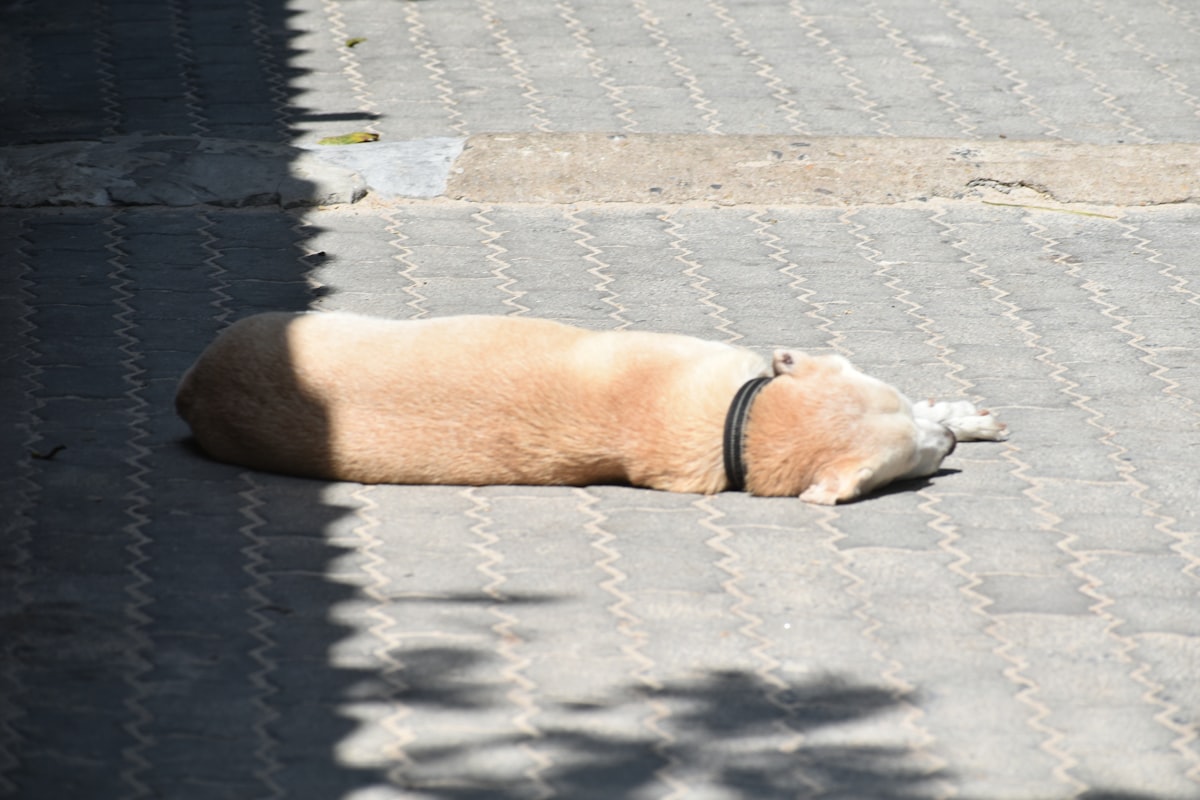
The most common location. Dark asphalt absorbs maximum heat. Dogs often walk long distances across parking lots to reach trailheads.
Metal Surfaces
Grates, manhole covers, and metal bridges get extremely hot. Even a few steps across hot metal can cause burns.
Rock Faces
Dark rock in direct sun can match pavement temperatures. Granite slabs, lava rock, and dark stone all absorb heat.
Sand
Beach sand gets hot enough to burn. Walking on sand in midday sun can damage paw pads quickly.
Concrete Sidewalks
Lighter than asphalt and typically cooler, but still dangerous at peak temperatures.
Signs of Paw Burns
Burns may not be immediately obvious. Watch for:
During the Burn
- Lifting paws rapidly
- Refusing to walk
- Pulling toward shade
- Limping or hopping
- Vocalization (whining, yelping)
After the Burn
- Limping or tenderness
- Excessive licking of paws
- Visible redness or blistering
- Darker coloration on pads
- Peeling or cracked pad surface
Even if your dog doesn't show immediate signs, check paws after any hot-surface exposure.
Treating Paw Burns
Immediate First Aid
- Remove from hot surface. Get to shade or cool ground immediately.
- Cool the paws. Use cool (not cold) water or wet cloths. Don't use ice; extreme cold can worsen burn damage.
- Inspect the damage. Look for blisters, peeling, or deep redness.
- Don't pop blisters. They protect the healing tissue underneath.
- Keep clean. Gently wash with mild soap and water.
Veterinary Care
Seek veterinary attention for:
- Severe blisters
- Deep burns affecting tissue below the pad
- Burns covering large pad areas
- Signs of infection (swelling, discharge, fever)
- Burns that don't improve within 48 hours
Recovery
Minor burns heal in 1-2 weeks with proper care. During recovery:
- Limit walking
- Keep pads clean and dry
- Use protective booties if walking is necessary
- Monitor for infection signs
Carry Booties for Emergencies
Even if your dog doesn't normally wear boots, carrying lightweight boots lets you protect injured paws on the walk back to the car.
Prevention Strategies
Time of Day
Early morning offers the safest window because pavement hasn't absorbed the day's heat yet. Before 9 AM is usually safe on most summer days. Evening brings cooler conditions as pavement begins releasing stored heat, and after 7 PM is often acceptable, though you should verify with the hand test. Midday hours from 10 AM to 5 PM represent peak danger, and you should avoid pavement entirely during these hours on hot days.
Route Planning
Many trailheads have overflow parking on natural surfaces like dirt or gravel, so seek these out on hot days. Plan your route to minimize time on hot surfaces, taking the shortest path across parking lots. Cross through shaded sections when possible. For small dogs, simply carrying them across hot surfaces takes only seconds.
Surface Selection
When crossing is necessary, choose the coolest options available. Painted lines run cooler than surrounding asphalt. Shaded areas stay significantly cooler than sun-exposed pavement. Grass or landscaping provides natural insulation. Concrete generally runs cooler than asphalt, and light-colored surfaces absorb less heat than dark ones.
Protective Gear
Paw wax products like Musher's Secret create a protective barrier between pads and hot surfaces. Apply before exposure for best results. Dog boots provide full protection from heat, and many dogs tolerate boots for the brief walk across a parking lot even if they refuse them for hiking. Regular paw pad conditioning builds thicker, more resilient pads that withstand temperature extremes better.
The Egg Test Myth
You may have heard: "If you can fry an egg on it, it's too hot for your dog."
This test doesn't work well. Eggs require about 158°F to cook, but paw burns occur at lower temperatures. A surface that won't fry an egg may still burn paw pads.
Stick with the 7-second hand test for reliable assessment.
At-Risk Dogs
Some dogs face higher burn risk:
Puppies
Young pads are thinner and more sensitive than adult pads.
Seniors
Older dogs may have thinner or more fragile pad tissue.
Small Breeds
Closer to the ground means higher heat exposure. Small dogs also have proportionally thinner pads.
Dogs With Pad Conditions
Pre-existing cracks, dryness, or injury makes pads more vulnerable.
Dark-Coated Dogs
Dogs with dark coats absorb more ambient heat and may already be thermal stressed.
Beyond Paw Burns
Hot pavement affects dogs beyond paw damage:
Heat Radiation
Hot surfaces radiate heat upward. Dogs walking on hot pavement absorb heat from below while experiencing air temperature from above. This accelerates heat buildup.
Core Temperature
Ground-level heat raises core temperature faster than air temperature alone. Dogs at greatest risk for heat stroke face compound effects from hot surface contact.
Mental Impact
Dogs who experience painful burns may develop avoidance behaviors around similar surfaces. Prevention protects both physical and behavioral health.
Frequently Asked Questions
Kelly has logged over 5,000 trail miles with his dogs across the American West. He specializes in backcountry expeditions and gear testing for large breeds.