 Paths & Paws
"Dogs can carry 25% of their body weight." You've read this everywhere. It's become gospel in the hiking community. It's also misleading.
That number comes from working sled dog research and doesn't apply to most hiking dogs. Pushing to 25% without proper conditioning risks injury. Here's what actually determines safe pack weight for your dog.
Key Takeaways
- 1Most hiking dogs should stay at 10-15% of body weight
- 2Conditioning matters more than any percentage rule
- 3Build weight gradually over weeks, not days
- 4Watch your dog's movement for the real answer
Where the 25% Rule Came From
The 25% figure originated from studies on working sled dogs and military working dogs. These are elite athletes in peak physical condition with extensive pack training. They carry loads as part of a conditioning program that builds capacity over months or years.
Applying their numbers to a pet who hikes occasionally makes as much sense as applying elite runner training to someone who jogs twice a week. Same activity, completely different capacity.
A More Realistic Framework
For the average hiking dog without specialized conditioning, start at 5% of body weight. Most dogs reach a comfortable target around 10-15% after proper conditioning. A well-conditioned dog with months of progressive training might handle 20%, but only elite working dogs should approach that 25% figure.
A 50-pound dog should start carrying 2.5 pounds, work up to 5-7.5 pounds as a regular load, and only approach 10 pounds with extensive conditioning.
These numbers assume a healthy adult dog in normal condition. Multiple factors adjust them in either direction.
Factors That Reduce Capacity
Age
Puppies should carry nothing until growth plates close (18-24 months for most breeds, longer for large breeds). Their developing joints can't handle the stress of loaded packs.
Senior dogs lose muscle mass and joint health. A dog who carried 15% comfortably at age five may struggle with 10% at age ten. Reduce loads as dogs age.
Body Condition
Overweight dogs already carry extra weight constantly. Adding a pack increases stress on joints that are already overworked. An overweight dog should carry less, not more, until they reach healthy weight.
Underweight dogs lack the muscle mass to support loads. Build condition before building pack capacity.
Joint Issues
Any history of joint problems, hip dysplasia, arthritis, or limb injuries reduces safe carry weight. Dogs with structural issues need lighter loads regardless of size or conditioning.
Breed Characteristics
Dogs with long backs (Dachshunds, Corgis) face higher spinal stress from pack weight. Dogs bred for carrying (many working breeds) have structural advantages. Consider your dog's build, not just their weight.
When in Doubt, Go Light
The consequences of overloading are serious: joint damage, spinal problems, muscle strain. The consequence of underloading is carrying a few more ounces yourself. Err toward caution.
Factors That Increase Capacity
Consistent Conditioning
A dog who wears a weighted pack twice weekly for months develops the strength and endurance to carry more. Conditioning happens gradually through repeated, progressive loading.
Athletic Baseline
Dogs who run, swim, or hike regularly without packs have a fitness foundation. They can typically handle slightly higher initial loads than sedentary dogs.
Breed Build
Dogs bred for pulling, carrying, or sustained work often handle packs well. Breeds like Labs, Bernese Mountain Dogs, and Huskies have structural advantages for carrying.
Proper Fit
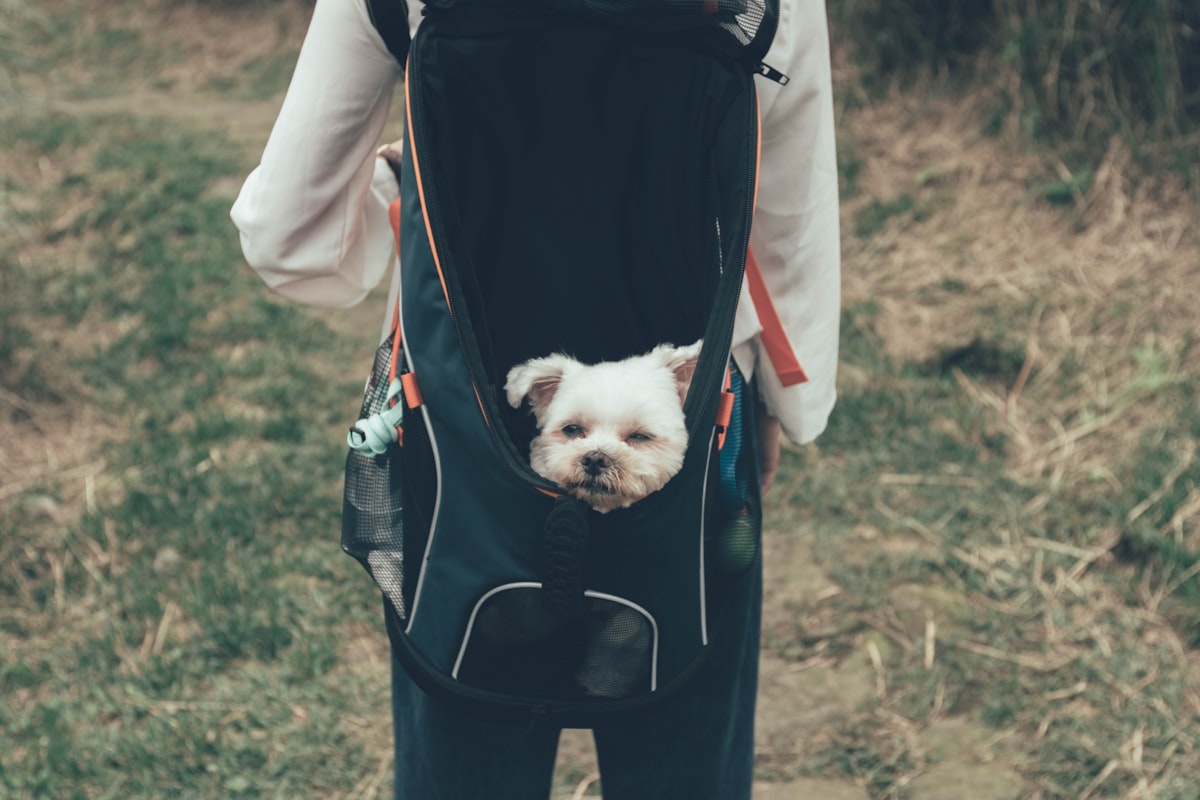
A well-fitted pack that sits correctly distributes weight well. Poor fit concentrates load on specific areas, reducing what a dog can safely carry.
How to Build Pack Weight
Week 1-2: Empty Pack
Start with the pack empty. Your dog needs to accept wearing it before adding weight. Hike normally with the empty pack until your dog moves without noticing it.
Week 3-4: 5% Body Weight
Add minimal weight, evenly distributed. Start with 15-20 minute walks. Build to hour-long hikes over two weeks.
Week 5-8: Gradual Increases
Add small amounts weekly, maybe 0.5-1 pound depending on dog size. Increase hiking duration and difficulty. Watch carefully for any movement changes.
Week 9+: Approaching Target
Continue gradual increases until reaching your target percentage. This might take 2-3 months of consistent training. There's no shortcut.
Maintenance
Once at target weight, maintain with regular loaded hikes. Capacity decreases during off-seasons. After breaks, rebuild gradually rather than jumping back to previous loads.
Reading Your Dog's Movement
Numbers and percentages provide starting points. Your dog's actual movement tells you what they can handle.
A dog moving well under load maintains their normal gait without changes. They transition easily between walking, trotting, and running. They show no reluctance on hills or obstacles, carry their head normally, and seem willing to keep going.
Signs of overloading look different. Watch for a pace that slows beyond normal fatigue, reluctance to walk, or frequent stopping. Changed gait patterns like a wider stance or shorter stride indicate trouble. So does hunched or lowered posture, difficulty with hills, or lagging behind when they'd normally be ahead of you.
If you see overloading signs, reduce weight immediately. Don't push through hoping they'll adapt. Pain and strain cause lasting damage.
Film Your Dog
Video your dog walking with different pack weights. Compare their gait at 5%, 10%, 15%. Subtle changes are easier to spot on video than in real time. If their movement changes noticeably at a certain weight, stay below that threshold.
What Should Go in the Pack
Light, bulky items make sense for dog packs:
- Their own food and treats
- Collapsible water bowl
- Poop bags
- A light jacket or bandana
- Their own first aid supplies
Heavy, compact items should stay in your pack:
- Water (unless you're desperate for capacity)
- Human food
- Emergency gear
- Electronics
The dog's pack supplements yours; it doesn't carry primary weight.
Pack Weight vs. Total Load
Your dog also carries their body weight, their harness, their pack, their collar, and anything else they wear. Add it up.
A 50-pound dog wearing 2 pounds of gear before adding pack contents already carries 4% of body weight. Adding 5 more pounds brings them to 14%. Account for everything when calculating load.
Common Mistakes
Starting Too Heavy
Enthusiasm exceeds wisdom. Owners buy a pack, fill it up, and head out. Dogs develop soreness or injury that could have been prevented with gradual progression.
Uneven Loading
Weight should be balanced side to side. Uneven loads cause dogs to compensate, straining muscles on one side. Pack symmetrically and check periodically as contents shift.
Wrong Pack Fit
A pack that bounces, shifts, or rubs adds stress beyond the weight itself. Proper fit means the pack moves with your dog as a unit. If it swings or slides, adjust or replace it.
Ignoring Terrain
Flat trail miles and steep mountain miles aren't equivalent. Reduce pack weight for technical terrain, significant elevation gain, or challenging conditions. What works on a rail trail may be too much for a mountain scramble.
Not Adapting to Conditions
Hot weather increases strain. Your dog is working to stay cool while also carrying weight. Reduce loads on hot days or slow the pace.
The Math in Practice
Consider a healthy 60-pound adult Lab. Starting weight would be 3 pounds (5%). By week four, they might reach 6 pounds (10%). A final target around 9 pounds (15%) is reasonable, with an absolute maximum of 12 pounds (20%) for a thoroughly conditioned dog.
What does 9 pounds actually hold? About 2 pounds of kibble for an overnight trip, 1 pound of treats, half a pound for a collapsible bowl, another half pound for first aid supplies, and 1 pound for a jacket or blanket. That leaves roughly 4 pounds of capacity for water if needed.
That's a reasonable overnight load for a conditioned dog. Building to that capacity takes 6-8 weeks minimum.
Frequently Asked Questions
Kelly has logged over 5,000 trail miles with his dogs across the American West. He specializes in backcountry expeditions and gear testing for large breeds.