 Paths & Paws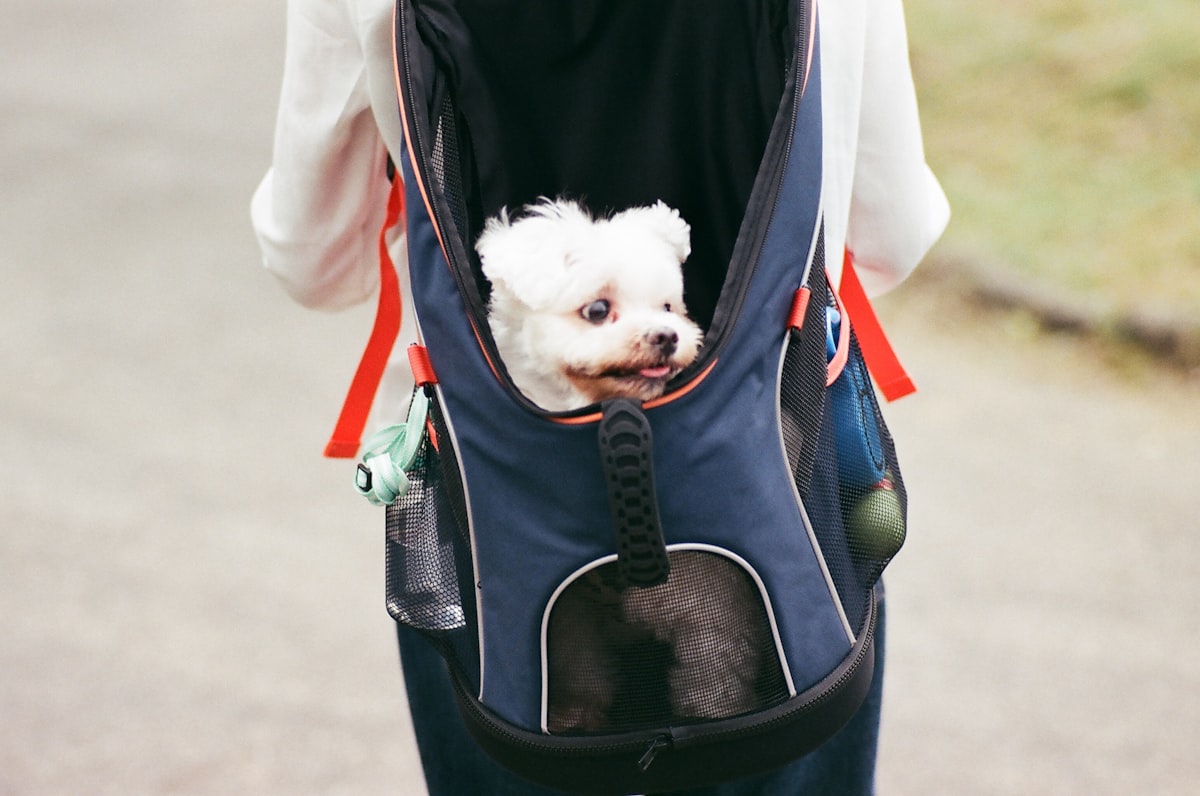
You're a mile from the trailhead when your puppy sits down and refuses to move. Their tongue is hanging, legs are wobbly, and those pleading eyes say "carry me." This moment comes for nearly every puppy owner who ventures onto trails.
The reality is puppies tire faster than adult dogs and often don't know their limits. Knowing how to carry them safely keeps a minor inconvenience from becoming a dangerous situation.
Key Takeaways
- 1Proper carrying technique protects both you and your puppy from injury
- 2Dog-specific carriers distribute weight better than improvised solutions
- 3Plan for carrying by knowing your puppy's limits before you start
- 4Watch for fatigue signs early so you can turn back before carrying becomes necessary
Why Puppies Tire Faster Than You Expect
Puppies aren't built for endurance. Their bodies are still growing, and their muscles fatigue quickly because they haven't developed the stamina of adult dogs. Temperature regulation works against them too. Puppies overheat faster than adults, have less efficient cooling systems, and often don't know to slow down when they're getting hot.
The constant sniffing, exploring, and investigating burns energy fast. A puppy walking the same distance as you might actually be covering three times the ground with all that back-and-forth movement. Adult hiking dogs build up endurance over months or years through gradual conditioning. Your puppy is starting from zero.
Most puppies can handle about 5 minutes of walking per month of age. A 4-month-old might manage 20 minutes before needing rest. Exceed this, and you'll likely be carrying them back.
The Emergency Carry: No Gear Required
Sometimes you need to carry your puppy without any equipment. Here's how to do it safely:
For Small Puppies (Under 15 lbs)
The football carry works well for small puppies. Support their chest with one hand while tucking their rear against your body. Keep their spine straight, not curved, and switch arms regularly to prevent fatigue. This technique works well for short distances, and your puppy should feel secure with their body pressed against yours.
For Medium Puppies (15-30 lbs)
The cradle carry distributes weight better for medium-sized puppies. Place one arm under their chest behind the front legs and your other arm under their rear. Lift with your legs, not your back, and hold them against your body for stability. Alternate between carrying and short rest breaks. Thirty pounds gets heavy fast.
For Larger Puppies (30+ lbs)
The shoulder carry handles heavier puppies more safely. Have your puppy stand beside you, then bend at the knees and drape them over your shoulders. Hold their front legs with one hand and rear legs with the other. Keep their weight centered over your shoulders rather than your lower back. This distributes weight better for heavier puppies but requires a calm dog who won't squirm.
Protect Your Back
Lifting a squirming puppy with poor form is a recipe for injury. Always bend at the knees, keep your back straight, and hold your puppy close to your body. If the distance is too far, take rest breaks rather than pushing through.
Dog Carriers: The Prepared Approach
If you hike regularly with a puppy, a proper carrier is worth the investment.
Backpack-Style Carriers
Backpack carriers work best for longer hikes with puppies up to 25-30 pounds. They sit on your back like a hiking pack, with your puppy in a compartment that keeps them secure. Good carriers have padded shoulder straps and a hip belt, ventilation mesh to prevent overheating, a stable base so your puppy can sit or lie down, and a leash attachment inside to prevent jumping.
Your puppy should be able to see out but not wiggle free. Practice at home before hitting the trail.
Front-Carry Slings
Slings work best for small puppies under 15 pounds on short carries. They drape across your body and create a pouch for your puppy. They're lightweight and packable but not ideal for long distances because the weight pulls on one shoulder, which gets uncomfortable quickly.
Chest Carriers
Chest carriers suit puppies between 10-25 pounds for moderate distances. They strap on like a baby carrier and hold your puppy against your chest. Weight distribution is better than slings, and you can use both arms freely. Some puppies find this position calming because they can feel your heartbeat.
How to Choose the Right Carrier
Think about current and adult weight when shopping. Your puppy will grow, so buy a carrier rated for their expected adult size if you plan to use it long-term. Your hiking style matters too. Backpack carriers work better for technical terrain where you need your hands free, while front carriers are fine for easy trails.
Consider your puppy's temperament. Active puppies may not tolerate confinement in a backpack, while anxious puppies often prefer the security of chest carriers where they can see you. Climate is another factor. Enclosed carriers trap heat, so look for mesh panels and breathable fabrics if you hike in warm weather.
Training Your Puppy to Accept Carrying
Some puppies panic when lifted or confined. Build comfort gradually over several weeks.
Start by placing the carrier on the ground and letting your puppy sniff and explore it. Reward any interest with treats. During the second week, feed meals near the carrier and eventually place food inside so they enter voluntarily. The third week, practice short carries around the house, just 30 seconds at first and then gradually longer. By the fourth week, wear the carrier during short walks in familiar areas, keeping sessions positive with frequent treats.
Don't wait until you're on the trail to discover your puppy hates being carried. Practice at home when there's no pressure.
Knowing When to Turn Back
The best strategy is avoiding the need to carry in the first place.
Watch for early fatigue signs:
- Slowing pace
- More frequent sniffing stops
- Tongue hanging lower than usual
- Seeking shade
- Lying down during rest breaks
When you see these signs, you're approaching your puppy's limit. Turn back while they can still walk. A tired puppy walking slowly is better than carrying a exhausted one.
The halfway rule helps here. When your puppy shows first signs of tiredness, assume you've used half their energy. Turn around immediately. The return trip often takes more energy than the outbound because fatigue compounds.
Emergency Situations
Sometimes carrying isn't optional. Your puppy may be injured, overheated, or genuinely unable to continue.
For injuries, keep your puppy as still as possible. Improvise a stretcher from a jacket if available. Move slowly and watch for signs of pain. For overheating, get them into shade immediately and wet their paws and belly before carrying. Move toward water sources if possible. For exhaustion, offer water and rest before attempting to carry. A few minutes of recovery might let them walk part of the way.
In true emergencies, your puppy's safety matters more than perfect carrying technique. Do what you need to do to get them to help.
Pack for the Possibility
Even on short hikes, bring: a collapsible water bowl, extra water, a light jacket that could serve as a sling or padding, and your phone with the vet's number. Preparation prevents emergencies.
Building Toward Independent Hiking
Carrying your puppy shouldn't become a permanent habit. Use this period to build their endurance gradually:
- Start with distances well below their limit
- Increase by 10-15% each week
- Add rest breaks at regular intervals
- Let them set the pace on return trips
- Note how far they went before tiring
Most puppies can handle adult-level hikes by 12-18 months, depending on breed size. Until then, carrying is just part of the adventure.
Frequently Asked Questions

Sara founded Paths & Paws to share field-tested advice with fellow dog hikers. She believes every dog deserves time on the trail.