 Paths & Paws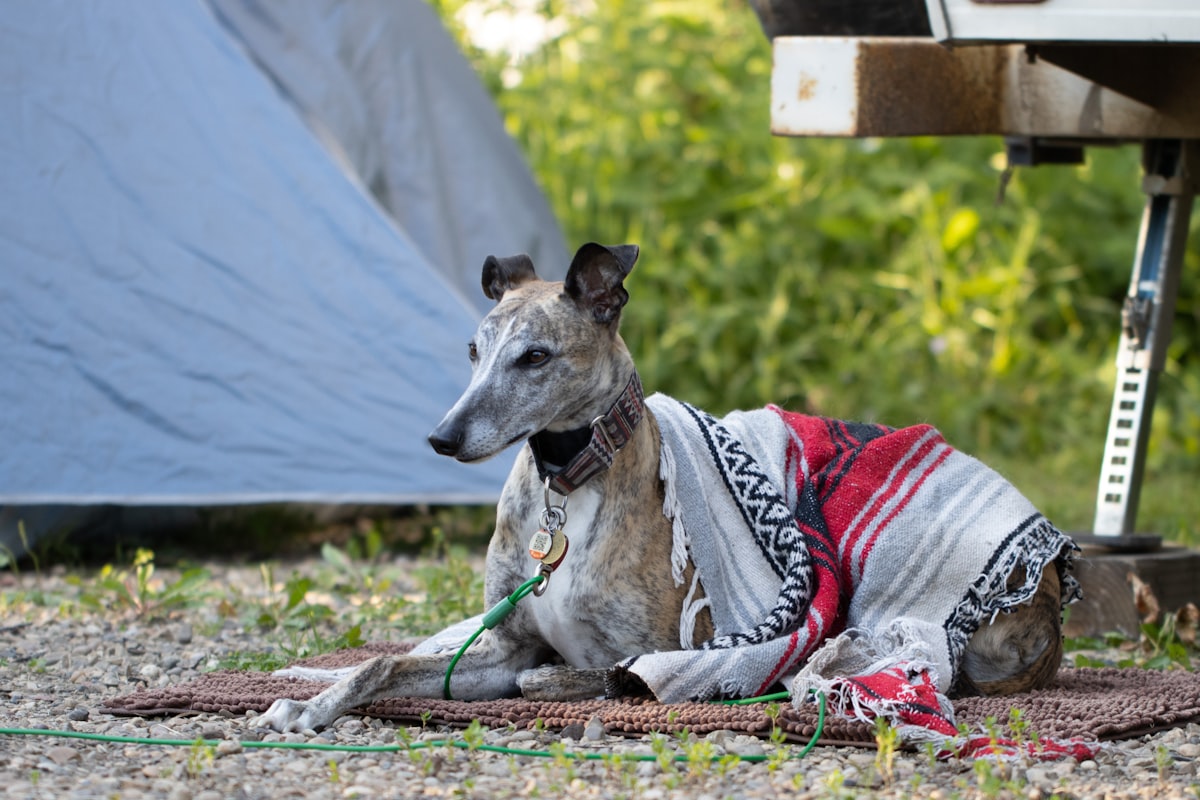
Key Takeaways
- 1Exercise before camp reduces nighttime alertness and restlessness
- 2Position your tent away from high-traffic areas and wildlife paths
- 3Bring a familiar blanket or bed to create comfort in new environments
- 4Practice the 'settle' command at home before expecting it in the wild
- 5Some sounds are worth investigating - learn to read your dog's alerts
A barking dog at 2 AM destroys the wilderness experience for everyone in earshot. Sound travels far in quiet backcountry settings, and your dog's alert to a rustling chipmunk can wake campers a quarter mile away. I know this because Bodie was that dog on our first backcountry trip. My Australian Shepherd barked at every owl hoot, every branch snap, every rustle in the leaves. A camper came over at 5 AM to ask, politely but firmly, if we could do something. The good news is that experience taught me what works. With preparation and training, most dogs can spend peaceful nights in the backcountry without disturbing fellow campers or wildlife.
Why Dogs Bark at Night in the Backcountry
Understanding what triggers barking helps you prevent it. Dogs in unfamiliar environments experience heightened alertness. Everything is new. Sounds, smells, and the dark itself feels different without familiar home territory.
Dogs commonly react to wildlife moving nearby, other campers walking to the bathroom, wind rustling branches or tent fabric, unfamiliar sounds like owls or coyotes, and anxiety about the new sleeping environment.
Your dog isn't trying to cause problems. They're doing their natural job of alerting to potential threats. The work lies in helping them understand that backcountry sounds don't require alarm responses.
Note
A single alert bark followed by settling is reasonable. Sustained barking at normal wilderness sounds is what you're trying to prevent. Complete silence isn't the goal. Context-appropriate responses are.
Pre-Trip Preparation
Campsite quiet starts before you leave home. Dogs who haven't learned to settle in novel environments can't suddenly do it on their first backpacking trip.
Foundation training makes all the difference. Work on the "settle" or "place" command on their bed until it becomes automatic. Practice relaxation on cue in various locations around your home and neighborhood. Teach them to ignore sounds during settle time, and reward them for sleeping through household noises at night. These skills transfer to the backcountry when the foundation is solid.
Take your dog camping in developed campgrounds first. These trips teach them that sleeping outdoors is normal and safe, without the added challenge of true wilderness remoteness.
Campsite Selection
Where you camp affects how much stimulation your dog experiences through the night.
Look for sites away from popular trails and intersections where foot traffic might wake your dog. Set up back from water sources since animals visit these throughout the night. Avoid wildlife travel corridors that run along ridge lines or connect meadows to water. Wind protection matters too. Flapping tent fabric creates noise that keeps alert dogs on edge. When possible, put distance between yourself and other campers to buffer sound in both directions.
Avoid camping near berry patches, salt licks, or other wildlife attractors. These increase nighttime animal activity that triggers barking.
Exercise Before Evening
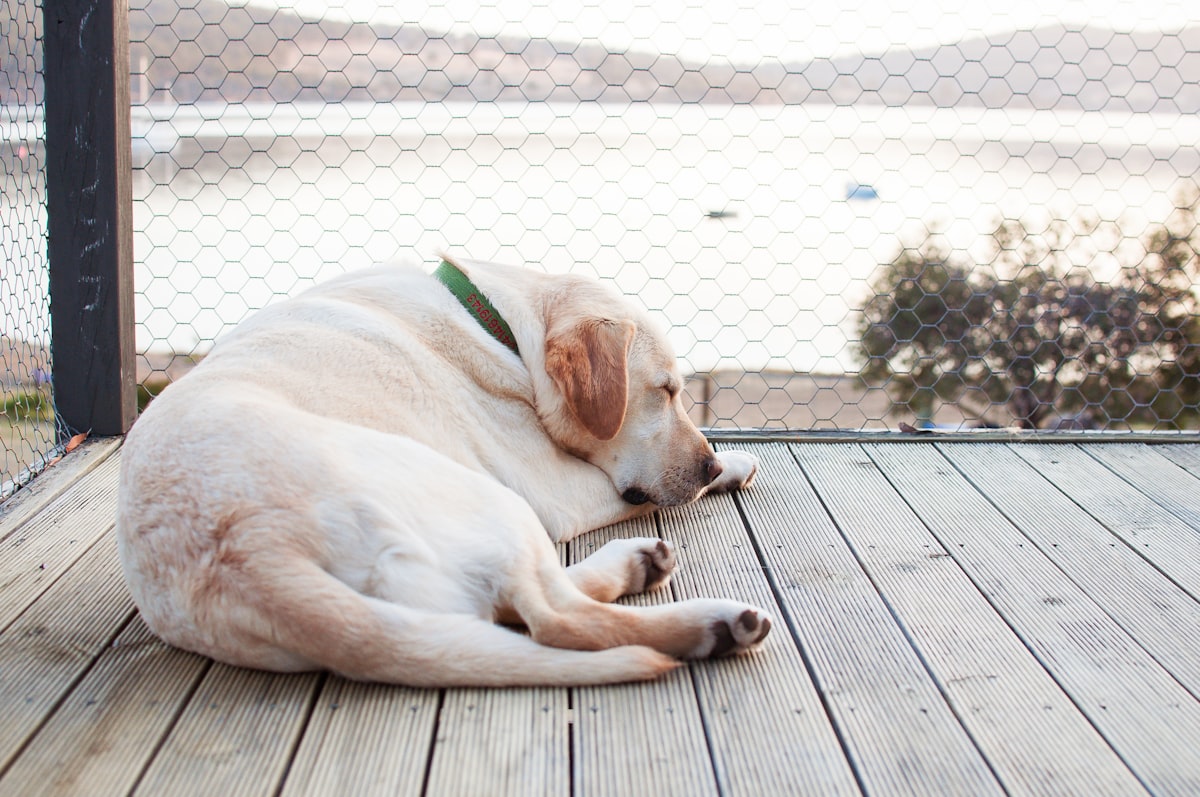
A tired dog sleeps better than a restless one. Plan your hiking day so significant exercise happens before you reach camp. Bodie is a high-energy Australian Shepherd. If we reach camp early and he hasn't burned off his energy, he's wired all night. Now I plan routes so the last few miles before camp include some elevation gain or challenging terrain. He settles much faster when his muscles are genuinely tired.
This doesn't mean exhausting your dog. An overtired dog can actually be more anxious. Aim for satisfying physical activity that leaves them ready to rest, not collapse.
Helpful evening activities include a short walk around the camp perimeter, a sniff walk in the immediate area, light play before dinner, and training games that engage their mind.
The combination of physical activity and mental engagement creates the best conditions for restful sleep.
Pro Tip
Avoid heavy exercise right before bed. Like humans, dogs need some wind-down time. Stop active play at least an hour before you want them to settle.
Creating Comfort in Camp
Familiar items reduce anxiety in unfamiliar places. Pack items that smell like home and signal "sleep time" to your dog.
Pack their regular sleeping blanket or bed, even if it adds weight. A shirt you've worn provides your scent, which comforts anxious dogs in strange places. Bring a familiar toy they associate with relaxation rather than play. Even using their regular food and water bowls helps maintain routine in an unfamiliar environment.
Set up their sleep spot as soon as you reach camp. Let them investigate it and claim it as their space. This gives them a home base before nighttime anxiety can develop.
The "Settle" Command for Camping
"Settle" tells your dog to lie down and relax in their designated spot. It's different from "down" because it implies staying calm rather than just assuming a position.
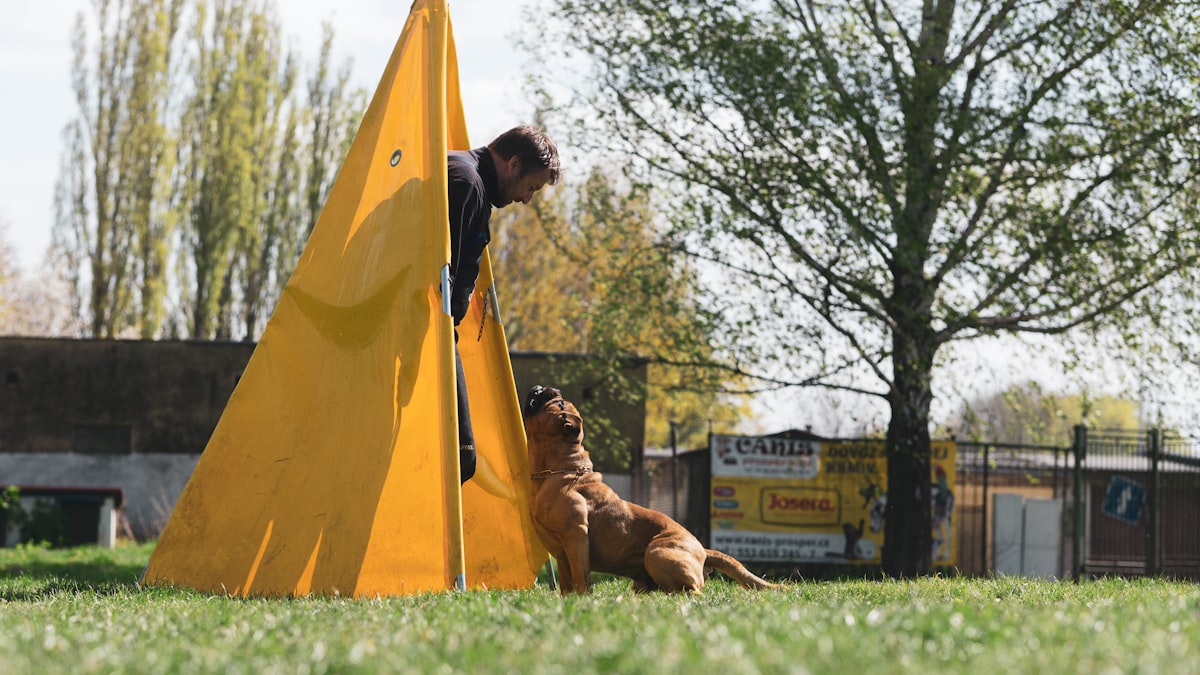
Start at home on their regular bed. Reward genuine calm behavior, not just the act of lying down. Gradually increase duration before delivering rewards. Add mild distractions like someone walking past or a noise outside, and reward your dog for ignoring them. Practice in new locations. Try the backyard, the car, and local parks. Use the command at developed campgrounds before expecting success in the backcountry.
A solid settle takes weeks to build. Don't expect your dog to perform in high-stimulation wilderness if they can't do it in low-stimulation practice environments.
Managing Nighttime Alerts
When your dog does bark at something, how you respond shapes future behavior.
Acknowledge the alert calmly with something like "I hear it too" so your dog knows you're aware. Assess whether the sound is a real concern or just normal wilderness noise. If it's nothing to worry about, redirect with your settle command. Don't yell or punish, as this increases anxiety and makes future reactions worse. At the same time, don't overly comfort them with soothing voices and petting, which can reinforce the idea that there was something to be alarmed about.
The goal is neutral acknowledgment. You're saying "I see that exists" without saying "Good job, that was scary" or "Bad dog, be quiet." Neither extreme helps.
Warning
Sometimes your dog's alert is valid. A bear approaching camp, a dangerous sound, or another real threat warrants attention. Learn your dog's different barks and take genuine alerts seriously.
Tent vs. Vestibule vs. Outside
Where your dog sleeps affects their alertness level.
Inside the tent puts your dog closest to you, which provides maximum security for anxious dogs. They experience less exposure to outside stimuli, stay warmer in cold conditions, and generally settle faster. The main drawback is limited space in small tents.
The vestibule offers a middle ground. Your dog still has protection from the elements but can see and smell more of what's happening outside. This works well for dogs who need slightly more awareness of their surroundings to relax.
Sleeping outside while tethered exposes your dog to the most stimuli. This option only works for very experienced camp dogs with rock-solid settle commands. It requires a secure tethering system and isn't recommended for most dogs.
For most dogs on their first backcountry trips, inside the tent provides the security needed for restful sleep. Bodie started out sleeping in the vestibule because I thought he'd be more comfortable with the extra space. He barked at everything all night. When I brought him inside and he could feel me breathing next to him, he calmed down completely. Now he sleeps pressed against my sleeping bag, and we both get proper rest.
Dealing With Wildlife Encounters
Some nighttime animal visitors warrant your dog's attention, and some don't. Learning the difference takes experience.
Some sounds warrant your attention. Bear sounds like huffing or heavy branch breaking, large animal movement near your food storage, animals actively trying to access your camp, and unusual sustained commotion all deserve investigation.
Most backcountry sounds are just background noise. Small rodents rustling through leaves, birds calling through the night, distant coyote howls, wind and weather, and other campers' normal activities are all part of the wilderness soundscape. These don't require a response.
You can't teach your dog this distinction directly. You model appropriate responses. When you stay calm about normal sounds, your dog learns to stay calm too.
Backup Strategies
Despite preparation, some nights are just hard. Having backup strategies helps salvage difficult situations.
When barking continues despite your best efforts, bring your dog inside the tent if they're sleeping outside. Lie with them and provide physical comfort through your presence. White noise from a phone app can mask some of the triggering sounds. A calming chew or supplement given earlier in the evening might help on subsequent nights. Sometimes you just have to accept that this particular night won't be perfect.
Extreme persistent barking that disturbs others might require packing up and moving to a distant location. This is rare if you've done preparation work, but it's an option.
Building Long-Term Camping Skills
Each successful backcountry night teaches your dog that wilderness sleep is safe. The first trip is hardest. Subsequent trips get easier as they learn the patterns.
A sensible progression starts with backyard camping overnight, where everything is new but help is nearby. Move to a developed campground with many distractions to practice settling amid unfamiliar activity. Try dispersed camping with moderate distance from others to reduce pressure while still testing wilderness skills. Graduate to true backcountry with no other campers nearby. Eventually, your dog can handle sharing backcountry camps with considerate groups.
Expect the first few experiences to be imperfect. That's learning. Mark successes, don't dwell on difficulties, and keep building positive associations.
Frequently Asked Questions
Sarah is a certified canine fitness trainer with a background in veterinary rehabilitation. She focuses on injury prevention, proper conditioning, and training techniques for trail dogs.