 Paths & Paws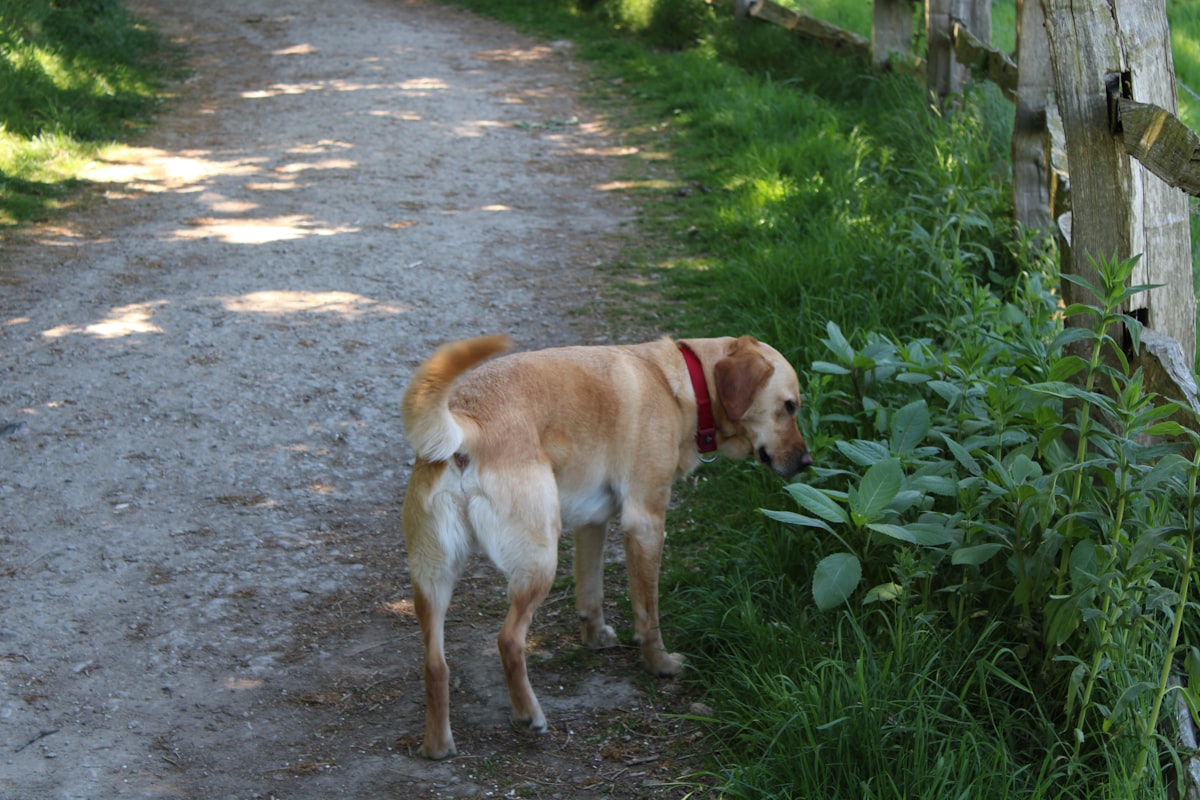
Cedar is slowing down. The 10-mile days are behind us, but her love of the trail hasn't faded. Now I seek different kinds of hikes: gentler grades, softer surfaces, shorter loops with plenty of rest options. Finding these trails takes more research, but watching her still enjoy the outdoors makes the effort worthwhile. Senior dogs deserve trail time too.
Key Takeaways
- 1Prioritize flat terrain, soft surfaces, and moderate distances for aging joints
- 2Look for trails with multiple access points allowing flexible turnaround options
- 3Water features provide cooling and swimming opportunities that reduce joint stress
- 4Shade is essential - older dogs manage heat less efficiently than young dogs
- 5Quality matters more than quantity - short enriching hikes beat long difficult ones
What makes a trail senior-friendly
Several characteristics make trails work well for older dogs. Gentle grades with minimal elevation change reduce joint stress, and flat terrain is ideal. Packed dirt and grass are easier on aging bodies than rock and pavement. Tree cover provides rest from sun and heat, which matters more as dogs age.
Water access helps too. Streams and lakes offer cooling opportunities, plus adequate drinking water along the route. Look for trails with multiple access points that allow shortening the hike if needed. Bench rest areas give you places to sit while your dog recovers. Smooth surfaces without technical obstacles mean easy footing throughout.
Trail types that work
Certain categories of trails consistently work well for senior dogs. Rail trails follow former railroad beds, offering flat, smooth surfaces over long distances. Lakeside paths are often level, usually shaded, and provide water access. Riverside trails follow gentle grades along waterways.
Trails designed for wheelchair users work great for seniors too. Search for accessible trails in your area. Beach walks offer soft sand, though watch for paw pad sensitivity. City greenways are paved but natural, with benches and water fountains at regular intervals. Park loops in developed parks often have gentle trail networks perfect for shorter outings.
Pro Tip
Search for "accessible trails" or "wheelchair accessible hiking" in your area. These trails meet senior dog needs perfectly, though they may not appear in standard hiking databases.
What to avoid
Some trail characteristics challenge aging bodies. Steep grades stress joints in both directions, and downhill is often worse than uphill for arthritic dogs. Rocky surfaces with uneven footing risk stumbles and require constant joint stabilization. High steps from rock scrambles and log crossings demand painful flexion.
Hot exposed sections tire seniors quickly because they regulate temperature less efficiently. Know your dog's current limit and choose shorter trails accordingly. Avoid out-and-back trails where you must complete the full distance to return. Crowded trails bring jostling and quick movements that stress older dogs socially and physically.
Regional suggestions
Different regions offer different opportunities for senior-friendly hiking.
In the Pacific Northwest, look for coastal beach walks at low tide, rail-to-trail conversions throughout the region, lower elevation forest service roads, and lakeside loops in state parks.
The Mountain West offers valley floor trails away from alpine terrain, reservoir perimeter paths, meadow walks at moderate elevation, and riverside trails following major drainages.
In the Southwest, try early morning desert flat walks, riparian corridors with shade, mountain town greenways, and canal trails in urban areas.
The Midwest has extensive rail trail networks, Lake Michigan and Great Lakes beaches, state park river trails, and prairie path systems.
The Northeast provides carriage roads in national parks, coastal walking paths, rail trails through countryside, and canal towpaths.
The Southeast has swamp boardwalks that are flat and shaded, coastal plain rail trails, river walk greenways, and barrier island beach paths.
Adjusting familiar trails
You can modify hikes you already know to suit your senior dog. Try hiking just the first gentle section of longer trails. Sometimes reversing direction and starting from the "end" provides an easier option with better grade.
Different seasons open different possibilities. Hot-weather trails may be perfect in cool months. Different timing helps too, as dawn and dusk reduce heat stress. Skip difficult approaches by driving closer to trailheads. Consider replacing one long difficult hike with two easy ones. The trail you've hiked for years may still work with modification.
Planning for success
Preparation specific to senior dogs makes outings successful. Check current conditions because recent storms may create obstacles. Call rangers when in doubt. Read recent reviews since other visitors note problems you won't find on maps.
Always have contingency plans and know where to stop early if needed. Carry comfort items like a portable pad for rest stops and extra water. Allow extra time rather than rushing. Let your dog set the pace. Know your limits honestly. Your senior dog's capacity changes, so assess each trip rather than assuming past performance predicts current ability.
Note
Your dog's capability changes over time. A trail that worked six months ago may be too much now. Reassess continually rather than assuming past performance predicts current ability.
Signs the trail is too much
Watch for warning signs during the hike. Early fatigue shows as lying down, lagging behind, or reluctance to continue. Any limping that wasn't present at the start means the terrain is causing problems. Heavy panting excessive for conditions and exertion level indicates heat stress.
If your dog constantly seeks shade, they're struggling with temperature regulation. Stumbling and difficulty maintaining footing suggests the terrain is too challenging. Multiple stops to rest indicate the distance is too long. When you see these signs, it's time to turn around or end the hike.
Alternative experiences
When trails don't work anymore, other outdoor experiences still bring joy. Short walks with ample sniff time prioritize mental enrichment over distance. Car camping lets you set up at a scenic spot and take short walks from camp.
Scenic drives with stops let your dog experience nature from the car with brief walking breaks. Swimming provides exercise without joint stress. Some owners carry their dog through hard sections and let them walk easy parts. Even bringing them along when they can't hike the whole way keeps them connected to the outdoors. The outdoors isn't only for young, athletic dogs.
The emotional component
Acknowledge what's happening as your dog ages. Grief is normal when watching your dog slow down. Adjust your expectations and find joy in what's possible now rather than mourning what's gone. Quality time still matters. Short hikes together still deepen your bond.
Honor their spirit because that eager trail dog is still in there. Create new memories through different adventures that are still adventures. The years of big miles prepared you for this. Now it's time for small miles with big meaning.
Frequently Asked Questions
Dr. Jennifer Coates, DVM, brings 25+ years of clinical experience to Paths & Paws. Based in Fort Collins, Colorado, she specializes in preventive medicine and evidence-based nutrition for active dogs.