 Paths & Paws
Cedar used to be first to the door whenever I reached for my hiking boots. After twelve years of trails together, I know her rhythms better than my own. So when she started hanging back last summer, watching me pack gear with what I can only describe as exhaustion in her eyes, I paid attention.
She wasn't injured. The vet found nothing wrong. But something had shifted. My enthusiastic trail partner had hit a wall that rest alone couldn't fix.
Dogs experience burnout just like humans. The difference is that they can't tell us when they've had enough. They push through fatigue because that's what dogs do. They follow us into exhaustion because they love the trail and they love us more. Recognizing burnout before it becomes a bigger problem takes observation, honesty, and sometimes the willingness to take a step back from the hiking schedule you both enjoy.
What You Need to Know
- 1Hiking burnout can be physical, mental, or both
- 2Warning signs often appear gradually over weeks
- 3Recovery requires more than just rest days
- 4Mental enrichment matters as much as physical recovery
- 5Prevention is easier than rehabilitation
What hiking burnout looks like
Burnout doesn't announce itself with a sudden injury or dramatic collapse. It creeps in slowly, disguised as an off day that turns into an off week that becomes your new normal.
The most obvious sign is reluctance. A dog who once bolted for the car now needs coaxing. They might stand at the trailhead with none of the usual energy, tail at half-mast, already looking tired before you've taken a single step. This isn't disobedience. This is a dog telling you something in the only way they can.
Decreased enthusiasm during hikes matters too. Your dog might lag behind when they normally lead. They stop investigating scents with their usual intensity. Play invitations get ignored. The joy drains out of the activity even if they're still physically completing it.
Sleep changes often accompany burnout. Some dogs sleep far more than normal, struggling to bounce back after hikes the way they used to. Others develop restless sleep, pacing at night or shifting positions constantly. Cedar started needing an extra full day of rest between hikes when she previously recovered overnight.
Watch for these additional warning signs.
- Slow to rise in the morning or after naps
- Less interest in food, especially after hiking
- Irritability with other pets or unusual snappiness
- Seeking isolation rather than company
- Persistent low energy even on rest days
- Regression in trail behaviors they previously mastered
Track the Patterns
Keep a simple log of your hikes and your dog's energy levels. Note enthusiasm at the start, energy during, and recovery time after. Patterns become obvious when you write them down.
Physical versus mental burnout
Not all burnout is the same. Understanding whether your dog struggles physically, mentally, or both helps you target recovery correctly.
Physical burnout comes from pushing the body too hard for too long. We see this in dogs who hike frequently without adequate rest, who carry heavy packs beyond their conditioning, or who tackle elevation and terrain that exceeds their fitness level. The muscles, joints, and cardiovascular system simply run out of reserves. Physical burnout shows up as persistent stiffness, slower pace on familiar trails, and longer recovery windows between outings.
Mental burnout comes from overload that isn't necessarily about mileage. A dog can become mentally exhausted from trails that demand constant focus. Technical scrambles that require careful foot placement. Crowded paths full of stimulation and social pressure. New environments every weekend that never let them relax into familiar territory. Mental burnout manifests as hypervigilance, anxiety on trail, or the opposite problem of checking out entirely.
Most burned-out dogs experience both. The body wears down while the mind stays on high alert, creating a feedback loop that amplifies the exhaustion. Recovery needs to address both components.
| Type | Common Causes | Primary Symptoms |
|---|---|---|
| Physical | Too many miles, insufficient rest days, heavy pack loads, extreme terrain | Stiffness, slow recovery, decreased endurance, reluctance to climb |
| Mental | Constant novelty, high-stimulus trails, social pressure, technical demands | Anxiety, hypervigilance, withdrawal, loss of enthusiasm |
| Combined | Aggressive hiking schedule with varied challenging terrain | All of the above plus behavior changes |
How overtraining develops
Veterinary sports medicine recognizes overtraining syndrome in dogs. The condition parallels what happens in human athletes who push too hard without adequate recovery.
Every hike creates stress on the body. Good stress, mostly. The kind that triggers adaptation and builds fitness. But adaptation only happens during recovery. If you hike again before that recovery completes, you stack fatigue on top of fatigue. Over time, the deficit accumulates.
The pattern usually looks something like this. You and your dog have a great hiking season. You both get fitter. Trails that challenged you in spring become easy by fall. So you push further. Add elevation. Extend mileage. Pick harder routes. Your dog keeps up because that's what dogs do.
Then winter comes. Maybe you hike less, maybe you don't. Spring arrives and you jump back into the aggressive schedule that worked before. But your dog's body remembers the accumulated fatigue that never fully cleared. The early signs appear. You push through because the dog is still willing. By summer, you're dealing with a burned-out dog who needs real time off.
Senior dogs reach this point faster. Cedar's twelve-year-old body doesn't recover the way it did at five. I had to accept that the hiking schedule she tolerated in middle age no longer served her well.
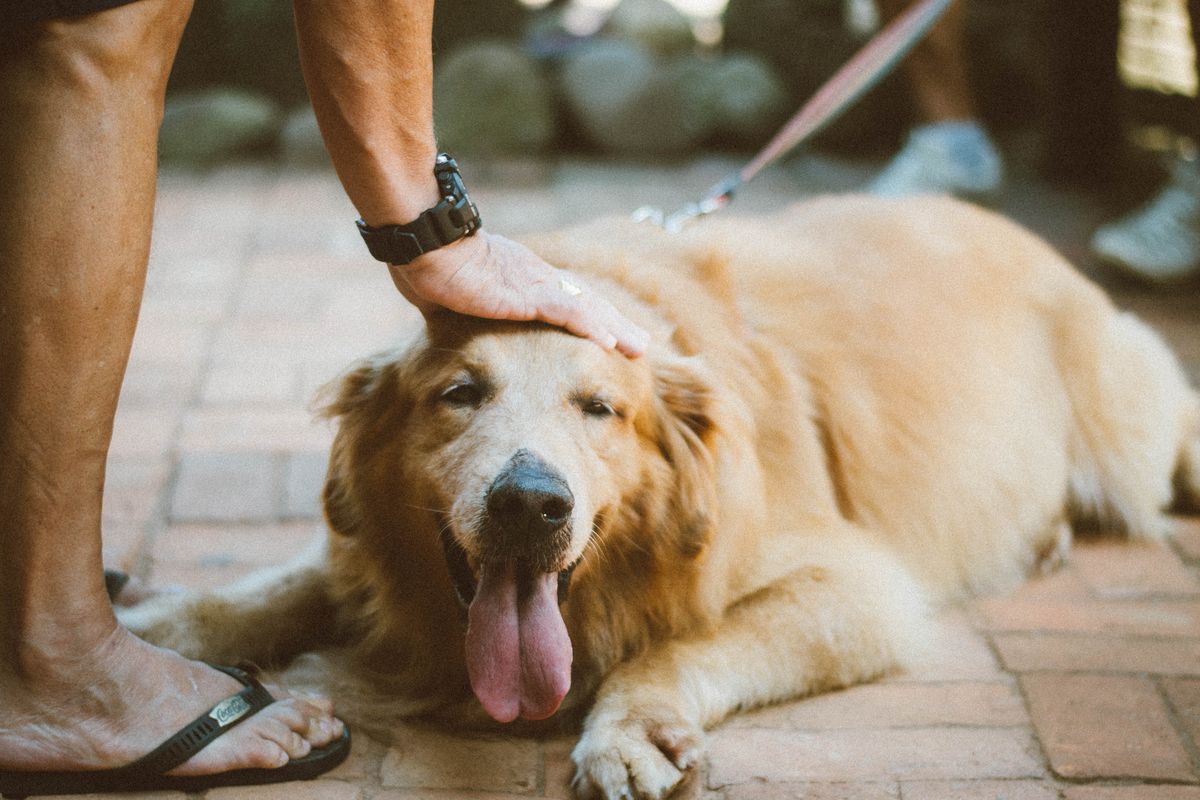
Recovery strategies that work
Fixing burnout takes longer than creating it. Plan for weeks of modified activity, not days.
Start by cutting your hiking volume sharply. Not by 20 percent. By 50 percent or more. If you were hiking four times a week, drop to twice. If your average hike was eight miles, cut to four. This isn't a failure. This is giving your dog's body the deficit time it needs.
Switch to familiar, easy terrain. Now isn't the time for new trails or technical challenges. Let your dog relax into routes they know well. Familiar scents and predictable footing reduce mental load. Save the adventures for when enthusiasm returns naturally.
Add genuine rest days. Not low-activity days. Actual rest. Let your dog sleep. Skip the fetch sessions. A tired body needs stillness to repair, and dogs won't choose it for themselves if you keep offering activity.
Support physical recovery with massage and gentle stretching. Run your hands over your dog's muscles daily. Notice areas of tension or sensitivity. Light massage increases blood flow and helps clear the metabolic waste that accumulates in overworked tissue. If your dog seems especially tight or sore, consider a session with a certified canine massage therapist.
For mental recovery, provide enrichment that doesn't involve trail stress. Puzzle feeders make meals interesting. Scent games let them use their nose without covering miles. Short training sessions for new tricks engage the brain differently than hiking does. The goal is stimulation without exhaustion.
Watch for the return of enthusiasm. It might take two weeks. It might take two months. You'll know recovery is working when your dog starts seeking activity again rather than tolerating it. When they hear you grab your boots and actually perk up. That's your signal to slowly reintroduce hiking, at a much more sustainable pace.
Prevention for the long term
Once you've dealt with burnout once, you'll want to avoid repeating it. Prevention comes down to building rest into your schedule before problems develop.
Plan your hiking week with recovery in mind. After any strenuous hike, give your dog at least one full rest day. After especially demanding outings with major elevation gain or extreme conditions, consider two days. This isn't optional recovery. It's when adaptation happens.
Vary terrain and intensity deliberately. Not every hike needs to push limits. Easy trails have value. Familiar routes let your dog relax. An 80/20 rule works well for many dogs. Eighty percent of hikes at comfortable intensity. Twenty percent that truly challenge.
Watch seasonal transitions. Dogs who hike hard through fall often enter winter with accumulated fatigue. Use the shorter days as a natural reset period. Let your dog's fitness level drop slightly rather than maintaining peak conditioning year-round. The mild detraining actually sets up better gains in spring.
Know your individual dog's limits. Breed matters. Age matters. Individual variation matters more. A Border Collie at four can sustain volumes that would destroy a Bulldog at the same age. A senior dog who hiked twenty miles weekly for years may need half that now. Pay attention to your dog rather than comparing to what other dogs do.
Mental enrichment on rest days isn't a luxury. It's part of keeping your dog satisfied with a sustainable schedule. When rest days feel boring, dogs get restless. When rest days include interesting activities that don't involve physical strain, dogs accept the rhythm more easily.
Age Changes Everything
A dog's recovery capacity declines with age, often before obvious physical changes appear. By age seven or eight, most dogs need more recovery time than they did at three or four. Senior dogs may need rest days to become rest day pairs.
Seasonal adjustments
Your hiking schedule should shift with the seasons. Dogs don't operate the same way in August heat and January cold.
Summer demands the most careful management. Heat makes everything harder. Your dog burns more energy regulating body temperature, which means less energy for actual hiking. Humidity makes panting less effective, adding stress. Cut distances during hot months. Start earlier. Accept that summer capacity runs lower than spring or fall capacity.
Winter brings different challenges. Cold weather hiking can actually feel easier for well-coated dogs, but snow and ice increase the physical demands of each mile. Post-holing through deep powder exhausts a dog faster than walking on packed trails. Adjust expectations based on conditions, not just temperature.
Spring and fall usually offer the best hiking conditions, which creates a temptation to maximize those windows. This is exactly when overtraining develops. The weather cooperates, your dog seems eager, and you stack ambitious hike after ambitious hike. Build rest into your best seasons, not just your challenging ones.
Pay attention to how daylight affects your dog's energy. Some dogs have seasonal patterns similar to humans. They may naturally slow down in winter and energize in spring. Working with those rhythms rather than against them reduces burnout risk.
When to involve your veterinarian
Burnout symptoms overlap with medical conditions. Before assuming fatigue comes from overtraining, rule out health problems.
Visit your vet if your dog shows sudden rather than gradual changes in energy or enthusiasm. If they're reluctant to move at all rather than just reluctant to hike hard. If stiffness or limping persists beyond 48 hours after activity. If they lose their appetite or show other signs of illness.
Conditions that can mimic burnout include hypothyroidism, anemia, cardiac problems, arthritis, Lyme disease, and various metabolic issues. A basic blood panel and physical exam can identify or rule out these causes.
Even if your vet confirms no underlying medical issue, discuss your hiking schedule with them. They can help you develop a realistic recovery timeline based on your dog's age, breed, and condition. Some dogs bounce back in two weeks. Others need months of modified activity to fully reset.
For senior dogs, annual or biannual wellness checks become more valuable. Catching early arthritis or organ function changes lets you adjust expectations before problems become serious.
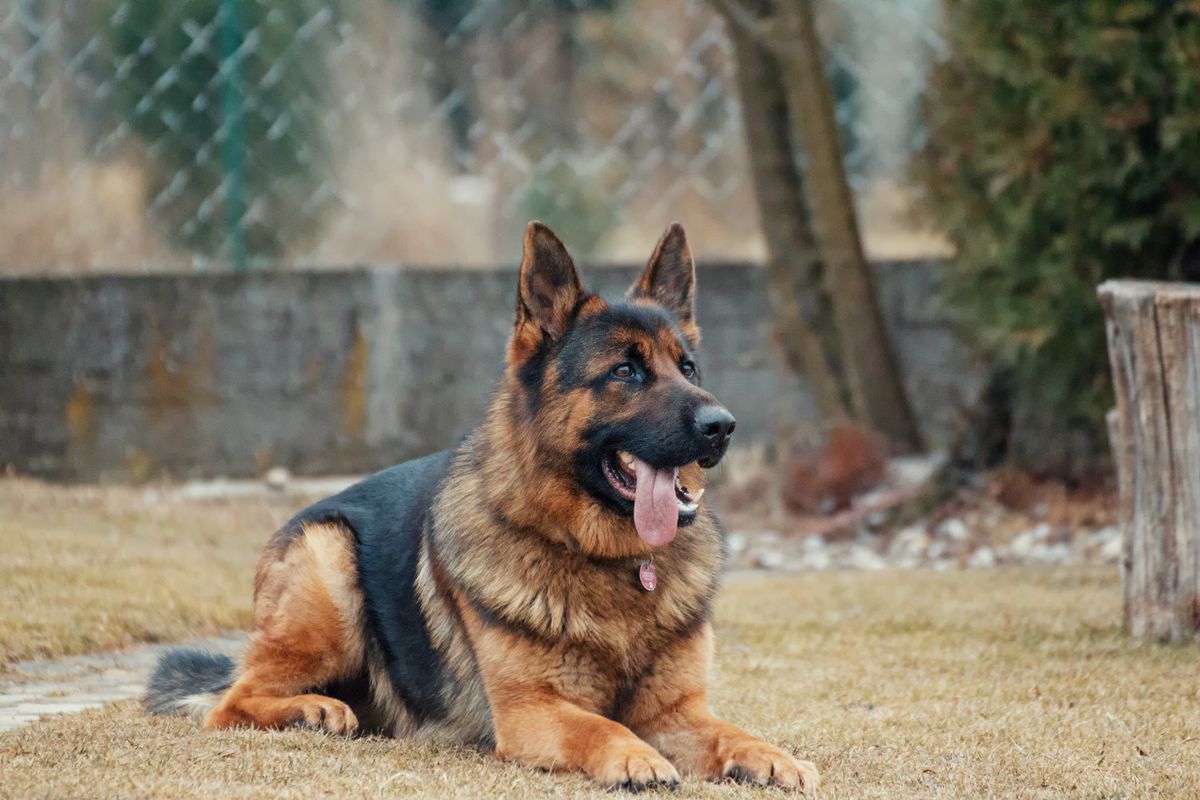
Finding balance
Cedar and I found our new normal. We hike less frequently now but enjoy each outing more. I stopped measuring our adventures in miles and started measuring them in tail wags.
The goal isn't to eliminate hiking from your dog's life. It's to find the sustainable rhythm that keeps them healthy and happy for years rather than burning through their reserves in months. That rhythm will change as your dog ages. It will vary with seasons and conditions. It requires ongoing attention rather than a fixed schedule.
Your dog can't tell you when they need a break. They'll follow you until they can't. The responsibility for balance falls entirely on you. Learning to recognize burnout, treat it seriously, and prevent it from recurring is part of being a good trail partner.
Some of my favorite recent memories with Cedar happened on our "recovery" walks. Short rambles through familiar woods. No pace to maintain. No summit to reach. Just two old friends enjoying the outdoors together, moving slowly enough to notice things we used to rush past.
That might be what hiking with your dog is supposed to feel like.
Frequently asked questions
Frequently Asked Questions
Dr. Jennifer Coates, DVM, brings 25+ years of clinical experience to Paths & Paws. Based in Fort Collins, Colorado, she specializes in preventive medicine and evidence-based nutrition for active dogs.