 Paths & Paws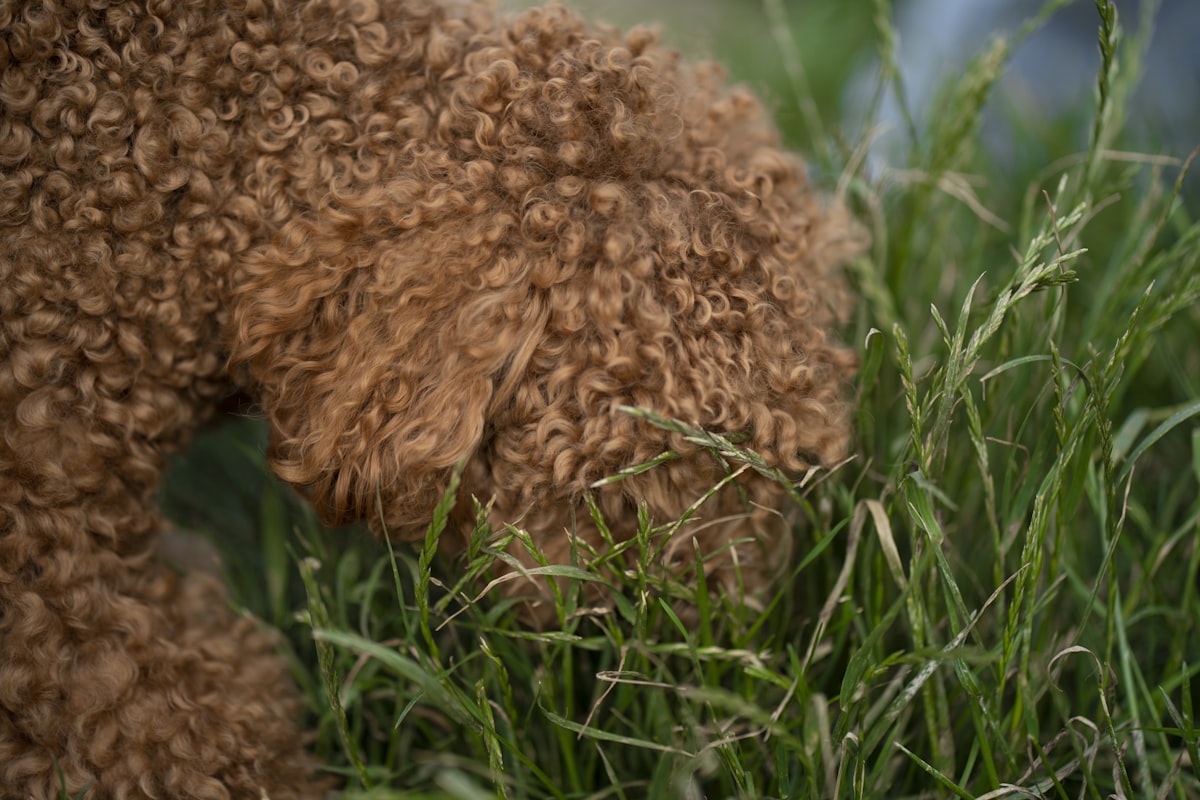
The hike was great. Your dog ran through meadows, splashed through streams, explored every smell. Then you got home. Now they won't stop scratching. Chewing their paws. Rubbing their face on the carpet. Welcome to hiking itch.
Trail environments expose dogs to allergens they don't encounter in daily life. Grasses, pollens, mold spores, plant oils, and insects all concentrate in outdoor spaces. Some dogs handle it fine. Others react badly enough to need intervention.
Key Takeaways
- 1Contact allergies from plants cause most post-hike itching
- 2Paws, belly, and ears are most affected areas
- 3Rinse your dog after hikes through heavy vegetation
- 4Antihistamines can provide relief but dosing varies
- 5Repeated reactions warrant allergy testing with your vet
Common Trail Allergens
Grasses and Pollens
Grassy meadows and fields look inviting. Dogs run through waist-high growth, collecting pollen on every inch of their coat. Certain grass species cause more reactions than others. Timothy grass, Bermuda grass, and ryegrass are common culprits.
Symptoms appear within hours. Itchy paws from walking through grass. Red belly from lying in fields. Sneezing from inhaled pollens. Spring and early summer see the highest pollen counts, but some grasses produce pollen into fall.
Plant Oils
Poison ivy, poison oak, and poison sumac don't affect most dogs directly. Their fur protects them. But the oils transfer to your hands, clothes, and car interior. You then touch your dog. They then react.
Other plants cause direct contact irritation. Wild parsnip, giant hogweed, and certain ferns produce compounds that irritate skin. Stinging nettle leaves tiny welts. These reactions happen during or immediately after the hike.
Mold and Fungal Spores
Damp trails harbor mold. Rotting logs. Leaf litter. Shaded forest floors. Dogs who dig or nose around in damp organic matter inhale spores and get them on their coats.
Reactions range from respiratory symptoms to skin irritation. Fall hiking through wet leaves is prime exposure time.
Insects
Bug bites cause localized reactions. Mosquitoes, black flies, deer flies, gnats. Most bites are minor annoyances. Some dogs have amplified responses where a single bite causes significant swelling and itching.
Ant bites happen when dogs step on colonies or lie on nests. Fire ants in Southern regions cause painful welts. Bee and wasp stings trigger reactions in sensitive dogs.
Facial Swelling Is Urgent
If your dog's face swells, especially around the eyes or muzzle, or if they have difficulty breathing, this indicates a serious allergic reaction. Give Benadryl if you have it and get to a vet immediately.
Recognizing Trail Allergies
Not all scratching means allergies. But patterns emerge with true allergic reactions.
Timing
Allergic reactions typically appear within hours of exposure. Some show up during the hike. Others develop overnight after returning home. If your dog was fine yesterday, hiked today, and is scratching tonight, trail allergens are the likely cause.
Location on Body
Contact allergies hit certain areas hardest. Paws pick up allergens from the ground. Belly contacts low vegetation. Face gets into everything. Ears seem to attract all irritants.
Look for redness, bumps, or hives in these areas. Check between toes. Inspect the groin area and inside of thighs.
Behavior
Allergic dogs exhibit specific behaviors. Paw licking and chewing. Rubbing face on furniture or carpet. Head shaking from ear irritation. Scooting from anal area irritation. General restlessness from overall discomfort.
Some dogs scratch until they cause damage. Hot spots develop fast in warm weather.
Immediate Trail Response
When you notice your dog reacting during a hike, take action before things escalate.
Rinse When Possible
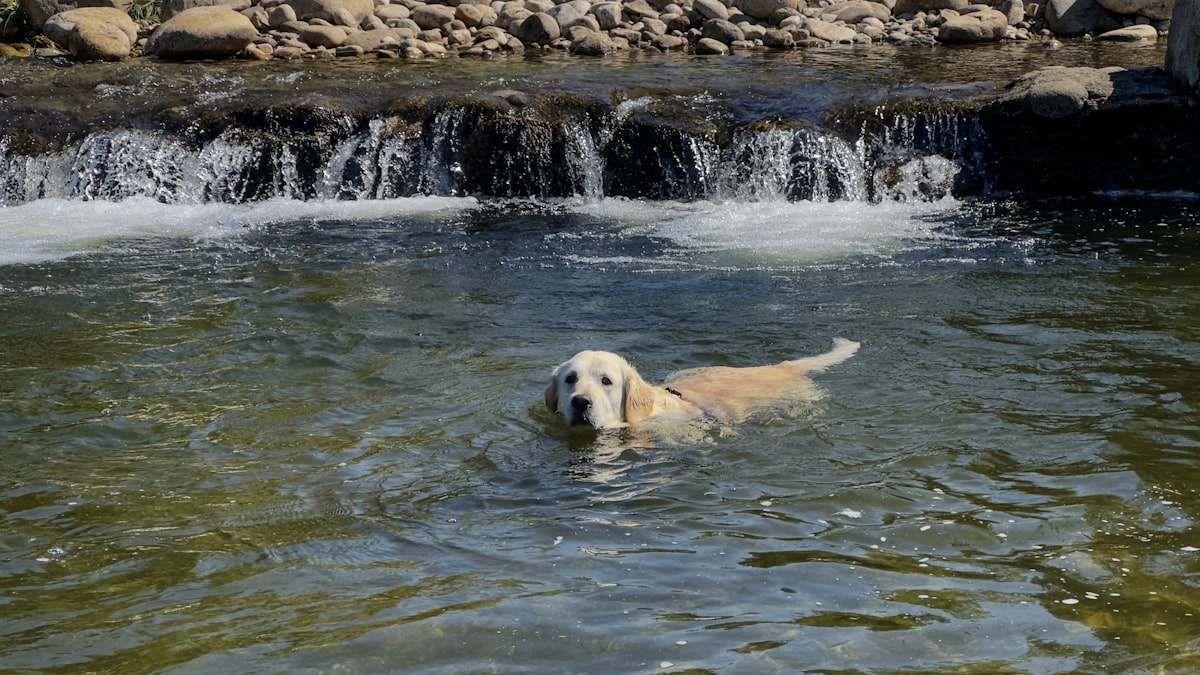
If there's clean water available, rinse your dog. Stream crossings, lakes, even bottled water from your pack. Get the irritant off their coat and skin. Focus on paws, belly, and face.
Avoid stagnant water or ponds with visible algae. These can introduce new irritants.
Remove From the Source
If you identify the trigger, move away from it. Left a meadow and symptoms started? Don't go back through. Certain section of trail causing problems? Take the alternate route.
Monitor for Escalation
Mild itching differs from systemic reactions. Watch for spreading hives, facial swelling, vomiting, or difficulty breathing. These indicate anaphylaxis and require immediate veterinary attention.
Post-Hike Protocol
What you do when you get home matters as much as what you do on trail.
Full Body Rinse
Rinse your dog before they go inside. A garden hose works. Cool water, not cold. This removes allergens from their coat before they spread through your house and continue exposure.
Pay extra attention to paws. Allergens concentrate between toes.
Paw Wipe Station
Keep wipes at your door. Unscented baby wipes or dedicated pet wipes. Even after rinsing, wiping paws removes residual irritants. Make it routine and it takes 30 seconds.
Full Bath When Needed
For severe reactions or heavily contaminated coats, a proper bath with gentle shampoo is warranted. Oatmeal-based shampoos soothe irritated skin. Avoid heavily fragranced products that add potential irritants.
Let shampoo sit for several minutes before rinsing. This contact time allows cleansing action.
Medication Options
Antihistamines
Benadryl works for many dogs. The dosing is roughly 1mg per pound of body weight, given every 8 hours. So a 50-pound dog gets 50mg. Always confirm dosing with your vet, especially for dogs with health conditions.
Zyrtec and Claritin also work for some dogs at veterinary-recommended doses. Different antihistamines work better for different dogs. You might need to experiment.
Antihistamines cause drowsiness in some dogs. Others seem unaffected.
Topical Treatments
Hydrocortisone cream provides relief for localized irritation. Apply to red or itchy spots. Prevent licking for 10-15 minutes so it absorbs.
Medicated sprays containing chlorhexidine or hydrocortisone cover larger areas. They're useful for belly irritation where cream is hard to apply.
Paw soaks in cool water with Epsom salts reduce paw inflammation. Five minutes per paw. Dry thoroughly after.
Prescription Options
For dogs with chronic or severe trail allergies, prescription medications help. Apoquel addresses itching quickly without steroid side effects. Cytopoint is an injection lasting 4-8 weeks that blocks itch signals.
These require veterinary prescribing and monitoring. They're not for occasional mild reactions.
Build a Trail Allergy Kit
Keep Benadryl tablets, hydrocortisone cream, and antiseptic wipes in your pack during allergy season. Treatment on-trail prevents overnight escalation. Know your dog's Benadryl dose before you need it.
Prevention Strategies
Timing Your Hikes
Pollen counts peak in morning hours and again in late afternoon. Midday hikes may reduce exposure. Rainy days wash pollen from the air. The day after rain is often easier for allergic dogs.
Wind spreads pollen. Calm days mean less airborne exposure.
Trail Selection
Some trails are worse than others. Open meadows concentrate grass pollens. Dense forest canopy reduces airborne allergens. Coastal trails and high alpine environments have different allergen profiles than lowland forests.
If your dog reacts badly to certain trails, note them. Try different environments.
Protective Gear
Dog bodysuits exist. They look a bit ridiculous but they work. Coverage prevents direct contact between vegetation and skin. Paw boots prevent grass and irritants from reaching paw pads and interdigital spaces.
Light coverage shirts at minimum reduce belly exposure when running through fields.
Pre-Treatment
For dogs with known allergies, giving antihistamines before hiking reduces reaction severity. Dose 30-60 minutes before hitting the trail. This preloads protection rather than chasing symptoms after exposure.
When to See the Vet
Some reactions exceed home management.
Allergy Testing
If your dog reacts repeatedly to outdoor environments, formal allergy testing identifies specific triggers. Blood tests or skin prick tests reveal exactly what causes reactions. This allows targeted avoidance and immunotherapy options.
Secondary Infections
Scratching damages skin. Damaged skin invites bacteria. Hot spots, skin infections, and ear infections develop from chronic scratching. These need antibiotic treatment, not just antihistamines.
Chronic Management
Some dogs have severe environmental allergies requiring ongoing management plans. Working with a veterinary dermatologist creates a protocol that lets them enjoy trails without constant suffering.
Frequently Asked Questions
Dr. Jennifer Coates, DVM, brings 25+ years of clinical experience to Paths & Paws. Based in Fort Collins, Colorado, she specializes in preventive medicine and evidence-based nutrition for active dogs.