 Paths & Paws
Heartworm kills dogs. It's that straightforward. And if you hike in humid regions, your dog faces higher exposure than average. One infected mosquito bite is all it takes. The larvae enter the bloodstream, mature into foot-long worms, and damage the heart and lungs over months.
Year-round prevention isn't optional in the South, along coastal areas, or anywhere with standing water and warm temperatures. I've talked to too many owners who assumed their dog was "mostly inside" or "only hikes occasionally." That's not how mosquitoes work.
Key Takeaways
- 1Heartworm transmission peaks in humid, warm environments
- 2One missed dose can leave your dog vulnerable for weeks
- 3Year-round prevention is standard in Southern and coastal states
- 4Testing annually is recommended even with consistent prevention
- 5Trail exposure near water increases mosquito encounters
Why Humid Areas Are High Risk
Mosquitoes need standing water to breed. They need warmth to stay active. Humid climates provide both in abundance.
The Gulf Coast states consistently report the highest heartworm infection rates in the country. Florida, Louisiana, Mississippi, Texas, and South Carolina see cases year-round. But it's not just the Deep South anymore. Climate shifts have expanded mosquito ranges northward. The Ohio River Valley, the Mid-Atlantic, and parts of the Pacific Northwest now report higher numbers than decades ago.
Hiking compounds the exposure. Trails near lakes, rivers, marshes, and swamps concentrate mosquito populations. That beautiful lakeside campsite? Peak mosquito territory. The lush forest trail after heavy rain? Breeding ground everywhere you step.
I've been eaten alive on humid evening hikes in the Great Smoky Mountains. My dog gets bitten too. Every bite from an infected mosquito is a roll of the dice.
The Infection Process
The lifecycle explains why prevention matters at every stage.
An infected dog carries microfilariae in their bloodstream. A mosquito feeds on that dog. The mosquito picks up the microfilariae. Over the next 10 to 14 days, larvae mature inside the mosquito. Then the mosquito bites your dog. Larvae enter through the bite wound. They migrate through tissue for months, eventually reaching the heart and pulmonary arteries. Adult worms grow up to 12 inches long. They live 5 to 7 years. They reproduce.
By the time symptoms appear, serious damage has occurred. Coughing. Fatigue. Weight loss. Exercise intolerance. Heart failure. Treatment exists but it's hard on dogs and expensive. Prevention costs a fraction.
Symptoms Mean Damage
If your dog shows heartworm symptoms like persistent coughing, fatigue during exercise, or decreased appetite, the infection has already progressed. Testing and treatment should happen immediately with your vet.
Prevention Options
Several preventive medications exist. All work by killing larvae before they mature into adults. Consistency matters more than which product you choose.
Monthly Oral Preventives
Products like Heartgard, Interceptor, and Sentinel come in chewable form. Dogs usually accept them as treats. They kill larvae that infected the dog in the previous 30 days. Missing a dose creates a gap where larvae can mature past the point where medication works.
Set a phone reminder. Use a calendar. Don't rely on memory.
Monthly Topical Preventives
Revolution and Advantage Multi apply to the skin between shoulder blades. They absorb and circulate through the body. Same timing rules as oral products. They often prevent other parasites too.
Water exposure can reduce effectiveness. If your dog swims frequently, discuss timing and frequency with your vet.
Injectable Preventives
ProHeart 6 and ProHeart 12 are injections lasting 6 or 12 months respectively. Your vet administers them. No monthly dosing to remember. Good option if you're inconsistent with monthly medications.
Cost is higher upfront but spreads across the protection period. Some owners find the math works out similar.
Hiking Considerations
Trail environments present unique challenges for heartworm prevention.
Water Crossings and Swimming
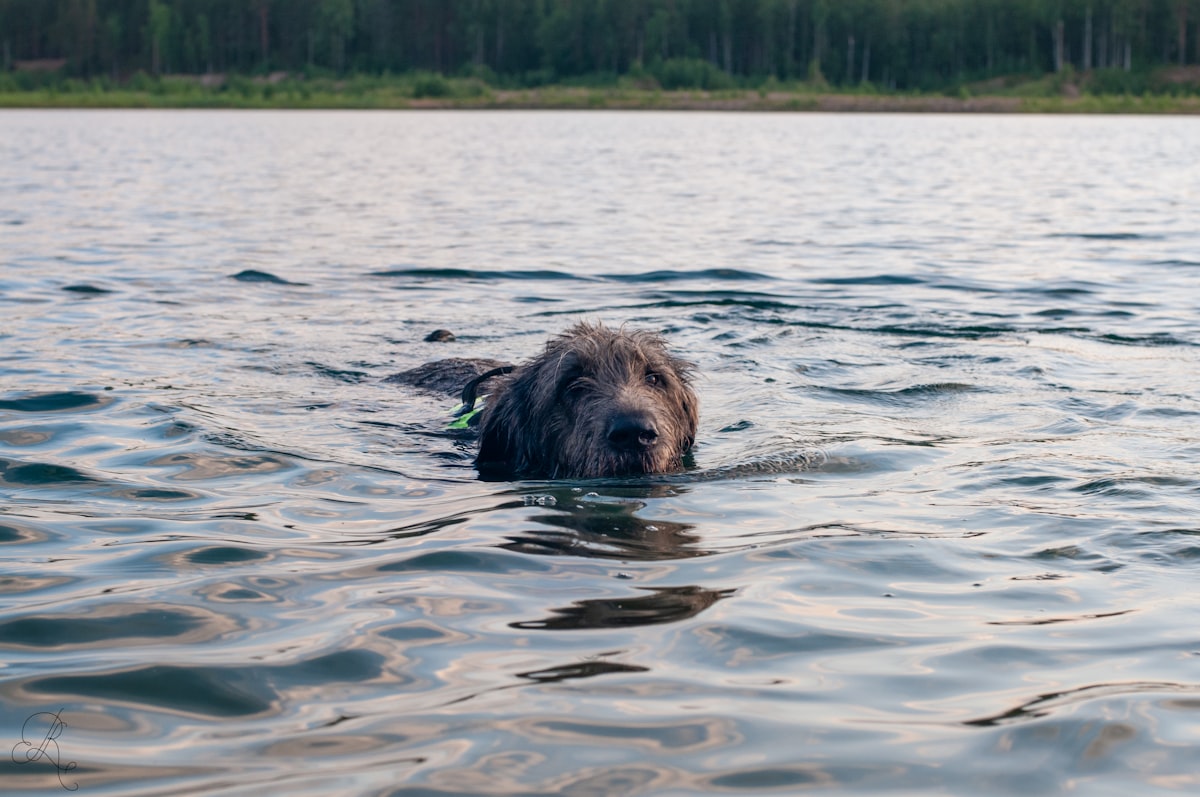
Dogs who swim regularly may need adjustments to topical prevention protocols. Waterproof formulas exist. Timing baths and swims around application improves efficacy. Your vet can advise based on how often your dog gets wet.
Camping and Extended Trips
Multi-day trips in humid areas mean sustained mosquito exposure. Make sure your dog is current on prevention before any camping trip. Carry mosquito deterrent safe for dogs. Avoid camping directly next to standing water when possible.
Dawn and dusk see the highest mosquito activity. Plan your morning starts and evening camps accordingly.
Seasonal Intensity
Humid regions don't get true breaks from mosquitoes. The Gulf Coast sees activity 12 months a year. The Mid-Atlantic might have reduced activity in deep winter, but any warm spell brings mosquitoes back.
Year-round prevention eliminates guesswork about when mosquitoes are active.
Testing Matters
Prevention works but isn't 100% effective. Dogs can spit out pills without owners noticing. Topical medications can rub off. Timing gaps happen.
Annual heartworm testing catches infections early. The test is simple blood work. Results come back fast. Early detection means treatment before extensive heart damage.
Testing also confirms that your prevention protocol works. After a year of consistent prevention, a negative test provides reassurance.
Test Before Starting Prevention
If your dog has been off prevention or you're adopting a dog with unknown history, test before starting preventive medication. Giving heartworm prevention to an already-infected dog can cause serious reactions.
Regional Risk Profiles
Gulf Coast and Deep South
Florida, Louisiana, Mississippi, Alabama, Texas coastal areas. Year-round transmission. Consider injectable prevention for maximum compliance. Test annually at minimum.
Mid-Atlantic and Piedmont
North Carolina, Virginia, Maryland, southern Pennsylvania. Heavy transmission spring through fall. Some winter activity during warm spells. Year-round prevention recommended.
Great Lakes and Upper Midwest
Summer and fall transmission. Lakeside areas and wetlands are hotspots. Prevention April through November at minimum. Many vets recommend year-round.
Pacific Northwest
Traditionally lower risk but increasing. Western Washington and Oregon see cases, especially in agricultural areas. Prevention during warm months, year-round for frequent hikers.
When Prevention Lapses
Life happens. You forgot a dose. Ran out and couldn't get to the vet. Your dog refused the chew three months in a row.
Contact your vet. They'll advise based on how long the gap was, your region's risk level, and time of year. Testing may be recommended. The sooner you restart prevention, the better.
Don't double up doses trying to catch up. Follow your vet's guidance.
Treatment Reality
If prevention fails and infection occurs, treatment is possible but challenging.
The standard protocol involves injectable arsenic-based medication over several months. Activity restriction during treatment is strict because dying worms can cause blockages. The process is hard on dogs physically. Costs often exceed $1,000 and can reach several thousand depending on infection severity and complications.
Compare that to monthly prevention at $50-150 per year.
Frequently Asked Questions

Dr. Jennifer Coates, DVM, brings 25+ years of clinical experience to Paths & Paws. Based in Fort Collins, Colorado, she specializes in preventive medicine and evidence-based nutrition for active dogs.