 Paths & Paws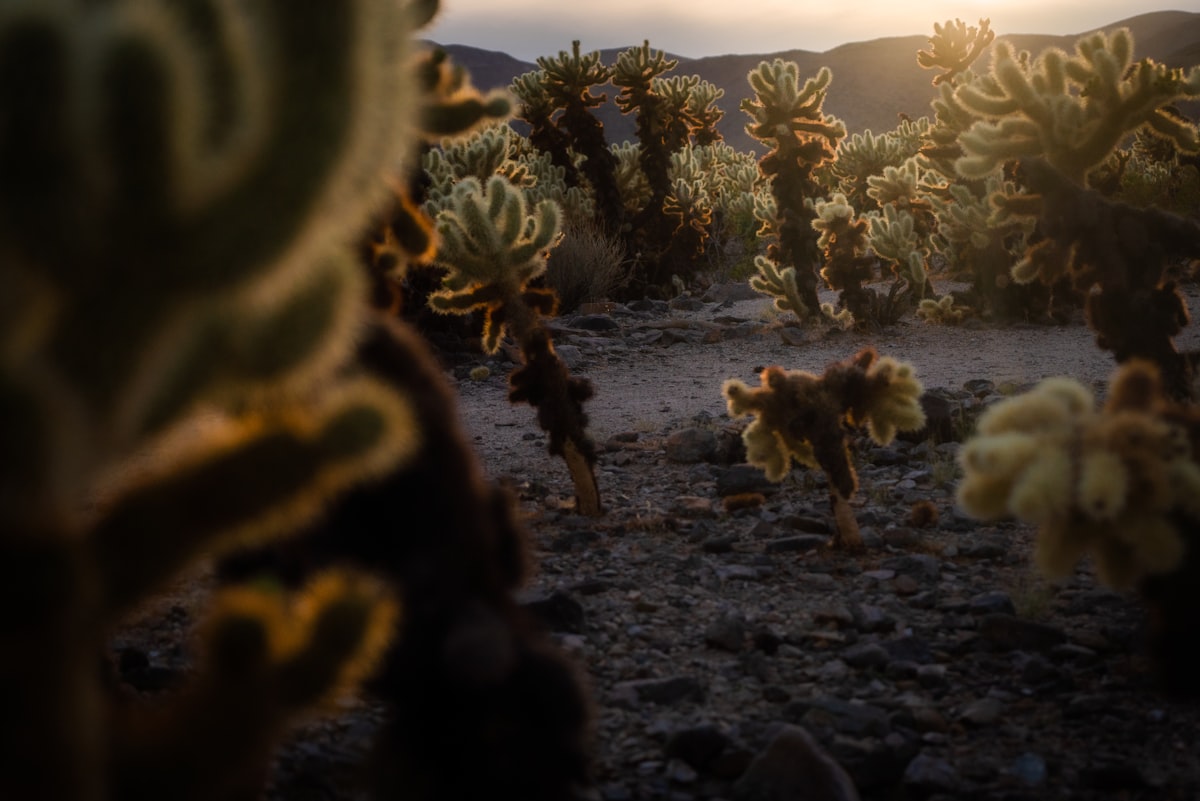
Cactus encounters happen fast. One moment your dog is trotting alongside you on a desert trail. The next, they're hopping and pawing at their face while attached to a cholla segment. Getting the spines out quickly and correctly prevents infection and minimizes pain.
I've pulled more cactus needles from dogs than I care to count. The technique matters.
Key Takeaways
- 1Remove cactus spines as quickly as possible to prevent deeper embedding
- 2Use a comb or pliers, not your bare hands
- 3Cholla segments should be flicked off before individual spines are addressed
- 4Watch for infection signs over the following 48 hours
Understanding Cactus Spines
Not all cactus needles work the same way.
Cholla (Jumping Cactus)
The worst offender. Cholla spines have microscopic barbs that hook into flesh and hold tight. The entire segment detaches from the plant and attaches to your dog. These spines work deeper with movement.
Cholla doesn't actually jump. The segments detach so easily that light contact transfers them instantly. Dogs brush against them, and suddenly they're attached.
Prickly Pear
Large, visible spines plus tiny glochids (hair-like spines). The big spines are obvious but the glochids are nearly invisible and cause persistent irritation.
Barrel Cactus
Long, hooked spines. Less common contact because barrel cacti don't detach segments, but painful when they occur.
Saguaro
Spines cluster in areoles. Contact usually happens when dogs investigate the base of these giant cacti.
Immediate Response
When your dog hits a cactus, act fast but stay calm.
Step 1: Prevent Further Contact
Restrain your dog. Their instinct is to bite at the cactus segment or rub against the ground, which embeds spines deeper or spreads them to new locations.
Use your leash to control them. If a segment is attached to their face, prevent pawing.
Step 2: Assess the Situation
Where are the spines? How many? Is there an attached segment?
The muzzle and face get hit most often because dogs lead with their nose when investigating. Paws contact fallen segments on the ground. Chest and legs brush against plants along trail edges. Mouth injuries happen when dogs try to bite at the cactus or eat dropped segments.
Mouth Spines Are Serious
Spines inside the mouth, tongue, or throat require veterinary care. These locations make safe removal difficult and risk infection in sensitive tissue. Don't attempt DIY removal for mouth spines.
Step 3: Remove Large Segments First
Cholla segments need to come off before you address individual spines.
A wide-toothed comb slides under the segment and lets you flick it away from the body. The spines catch on the comb teeth instead of transferring to your hands. Pliers or a multi-tool work well too: grip the segment and pull straight out with a quick motion without twisting. In a pinch, trap the segment between two sticks and lift away from skin.
Never use bare hands. Cholla spines will transfer to your fingers immediately.
Removing Individual Spines
Once segments are gone, address the remaining embedded spines.
Tools You Need
Pack these for desert hiking. Fine-tipped tweezers or hemostats are necessary for gripping spines close to skin. A wide-toothed comb handles segment removal. A magnifying glass helps you see small spines that are otherwise invisible. A flashlight or headlamp lets you angle light across the skin surface, making embedded spines visible as shadows. Duct tape pulls out glochids and small spines that tweezers cannot grip.
The Technique
For visible spines, start by restraining your dog. Have a helper hold them if possible. Grip each spine with tweezers as close to the skin as you can manage. Pull straight out in the direction the spine entered. Don't angle or twist, as this breaks spines and leaves fragments embedded. Work methodically through the area, then check again for spines you missed the first time.
For glochids, those tiny hair-like spines that are nearly invisible, use the tape method. Press duct tape firmly onto the affected area and pull it off quickly. Repeat with fresh tape until irritation subsides. A layer of school glue allowed to dry completely and then peeled off also captures these tiny spines effectively.
Problem Areas
Paw pads present challenges because dogs hate having their paws touched when painful. Work quickly. If multiple pads are affected, do one at a time with rest periods between.
Face and muzzle work is difficult in a different way. This area is sensitive and your dog will pull away. Consider a muzzle to prevent biting if they're stressed. Have a helper stabilize their head while you work.
Between toes is hardest to see. Spread the toes gently and use a light source from the side to spot embedded spines by their shadows.
Rubber Gloves Help
Wearing rubber gloves protects your hands from stray spines and gives you better grip on tweezers. Keep disposable gloves in your desert first aid kit.
When to Seek Veterinary Care
Some cactus encounters need professional help.
Seek vet care for spines in or around the eyes, where removal risks permanent damage. Spines in the mouth, tongue, or throat require professional handling. Large numbers of deeply embedded spines may need sedation for complete removal. If you can't fully remove a spine and fragments remain, a vet can get the rest. Signs of infection developing in the hours or days after removal warrant a visit. Dogs showing severe pain or distress need professional help to manage the situation humanely.
Veterinarians can sedate dogs for extensive removal and have better tools for accessing difficult locations.
After Removal
Getting the spines out is step one. Aftercare prevents complications.
Clean the Area
Wash affected skin with mild soap and water. Pat dry gently.
Apply First Aid
A thin layer of antibiotic ointment on puncture sites helps prevent infection. Cover large affected areas with a loose bandage if your dog will leave it alone.
Monitor for Infection
Over the next 48 hours, watch for:
- Increasing redness
- Swelling
- Heat at the site
- Discharge or pus
- Your dog licking excessively at the area
- Fever or lethargy
Any of these signs warrant veterinary attention.
Check for Missed Spines
Some spines are nearly invisible. If your dog keeps licking or favoring an area after removal, you probably missed something. Re-examine with good light and magnification.
Prevention Strategies
Stay on Trail
Desert trails are cleared. Stepping off-trail puts you and your dog in cactus territory.
Keep Dogs Close
A 6-foot leash is ideal for desert hiking. Retractable leashes or long lines give dogs too much range to investigate cacti.
Learn to Spot Chollas
The cylindrical, fuzzy-looking segments are distinctive. Train yourself to notice them so you can steer your dog away.
Consider Paw Protection
Dog boots prevent paw pad contact with fallen segments. Not all dogs tolerate boots, but desert hiking is a good reason to train for them.
Carry the Right Gear
A small kit for cactus removal weighs almost nothing. Pack:
- Comb (a cheap plastic one works)
- Tweezers or hemostats
- Duct tape
- Rubber gloves
- Small flashlight
- Magnifying lens
Common Mistakes
Using Bare Hands
The spines transfer to you. Then you're both in pain and less capable of helping your dog.
Pulling at Wrong Angle
Spines pulled sideways break off. The embedded fragment causes ongoing irritation and potential infection.
Waiting Too Long
Spines work deeper with movement and muscle contraction. The longer they stay in, the harder they are to remove and the more tissue damage they cause.
Ignoring Small Spines
Glochids are nearly invisible but cause significant irritation. If your dog is still uncomfortable after you've removed visible spines, glochids are probably present.
Skipping Aftercare
Puncture wounds from spines can become infected. Clean the area and monitor for complications.
Desert Hiking Mindset
Cactus encounters aren't inevitable. Most desert hikes end without incident. But when they happen, knowing what to do makes the difference between a minor trail inconvenience and a veterinary emergency.
Carry the tools. Know the technique. And watch where your dog's curious nose takes them.
Frequently Asked Questions
Kelly has logged over 5,000 trail miles with his dogs across the American West. He specializes in backcountry expeditions and gear testing for large breeds.