 Paths & Paws
Key Takeaways
- 1Site selection prevents most campsite hazards before they occur
- 2Secure tethering keeps dogs safe when you can't directly supervise
- 3Food storage protects both your dog and local wildlife
- 4Nighttime protocols prevent escapes and wildlife encounters
- 5Morning camp checks catch issues before breaking down
Your backcountry campsite needs to work for your dog, not just for you. Wilderness areas present hazards that established campgrounds don't, and I learned this after a few close calls with Jasper. On one trip to the Marble Mountains, I set up camp without checking the surroundings. At midnight, a bear wandered through our site following a game trail I hadn't noticed. Jasper went ballistic, I barely kept him contained, and neither of us slept the rest of the night. A thoughtful setup protects your dog while letting everyone sleep soundly.
Site Selection Priorities
Where you pitch your tent matters as much as how you pitch it. Scan potential sites with your dog's safety in mind.
Look for flat ground with no sharp rocks or roots, distance from cliff edges, drop-offs, and steep slopes, clear sightlines in multiple directions, natural windbreaks that don't include dense brush concealing wildlife, and water access that doesn't require dangerous descents.
Avoid game trails and wildlife corridors, areas with fresh animal scat or tracks, dense brush where predators could hide, standing dead trees that could fall, and flood zones near water.
Walk the perimeter of your potential site before committing. Check for hazards your dog might encounter during nighttime bathroom breaks or morning exploration.
Warning
In bear country, campsite selection follows additional rules. Camp at least 200 feet from your cooking area. Store food properly. Choose sites with good visibility. These rules protect both you and your dog.
Ground Preparation
Once you've selected your site, prepare the ground where your dog will spend time.
In the tent area, clear rocks, sticks, and pinecones that could injure paw pads. Check for ant hills, wasp nests, or biting insects. Remove any thorny vegetation. Sweep away debris that could puncture sleeping pads. Verify tent stakes won't hit underground obstacles.
For the tether area, create a radius clear of hazards and remove anything your dog's tether could wrap around dangerously. Make sure there's shade coverage for part of the day. Position near but not directly at the tent.
A few minutes of preparation prevents overnight discomfort and morning injuries.
Secure Tethering Systems
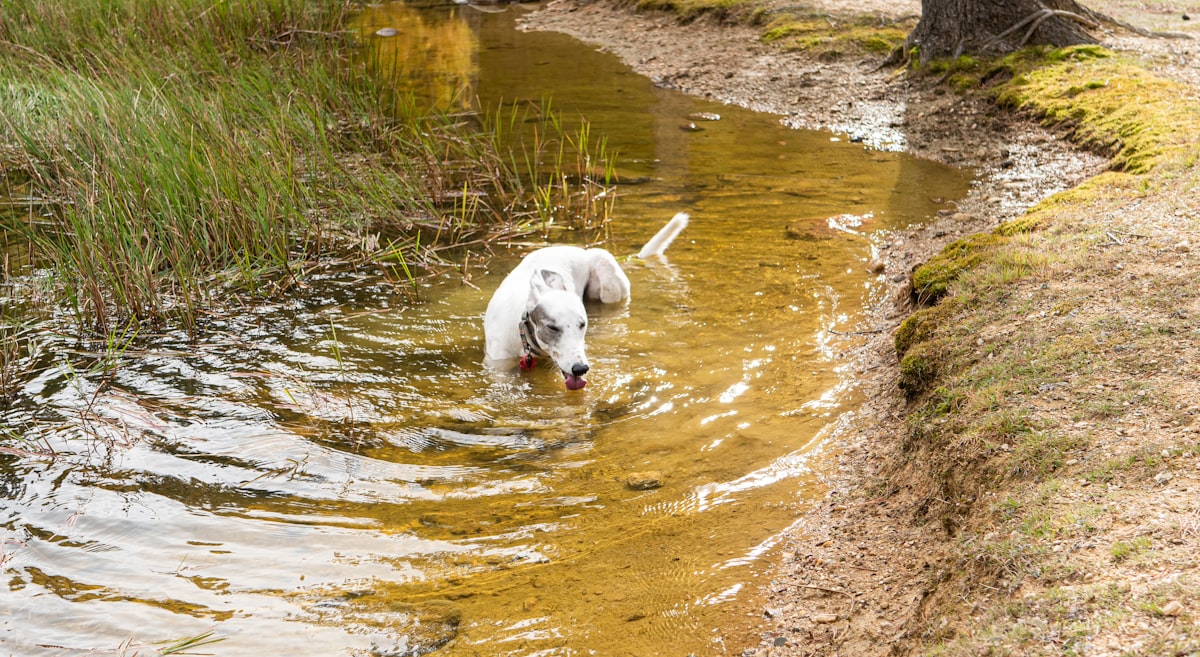
You can't watch your dog every second at camp. A secure tether allows freedom while preventing escapes or wildlife encounters.
Several tethering options work well in different conditions. A stake and cable system uses a screw-in ground stake with rotating top, connected to 15-20 foot cable. It works in soft soil but fails in rocky ground. A tree wrap uses a sling around a tree trunk with cable attached, protecting bark while providing an anchor that works everywhere trees exist. A picket line strings rope between two anchors with a tether attached via sliding ring, providing linear range of motion that's good for dogs who circle. In terrain where stakes won't work, a tie-out weight using a heavy bag filled with rocks on site provides a portable and adaptable anchor.
Whatever system you use, check that your dog can't reach hazards, tangle fatally, or slip their collar/harness. Test at home before relying on it in wilderness. Jasper managed to wrap himself around a tree trunk three times on our first tethered camp setup. The rotating stake top I'd bought didn't actually rotate. Now I use a sling system and test every setup before I walk away.
Pro Tip
Use a climbing-rated locking carabiner to connect tether to harness. Standard clips can pop open under repeated stress. A failed clip equals a loose dog in wilderness.
Food Storage Protocol
Proper food storage protects your dog in two ways. It prevents them from gorging on accessible food. It also prevents wildlife from associating your camp with food rewards.
Pack dog food in odor-proof bags and store it with human food in a bear canister or hang system. Never leave food accessible at night, even in the tent. Clean up all food spills immediately. Don't let your dog bury treats or chews.
A dog who resource-guards might become aggressive if wildlife approaches. A dog who's eaten bait treats might encounter poison. A camp with food smells attracts problems. Clean camp is safe camp.
Water Access Management
Dogs need water access but rushing streams and steep banks create hazards.
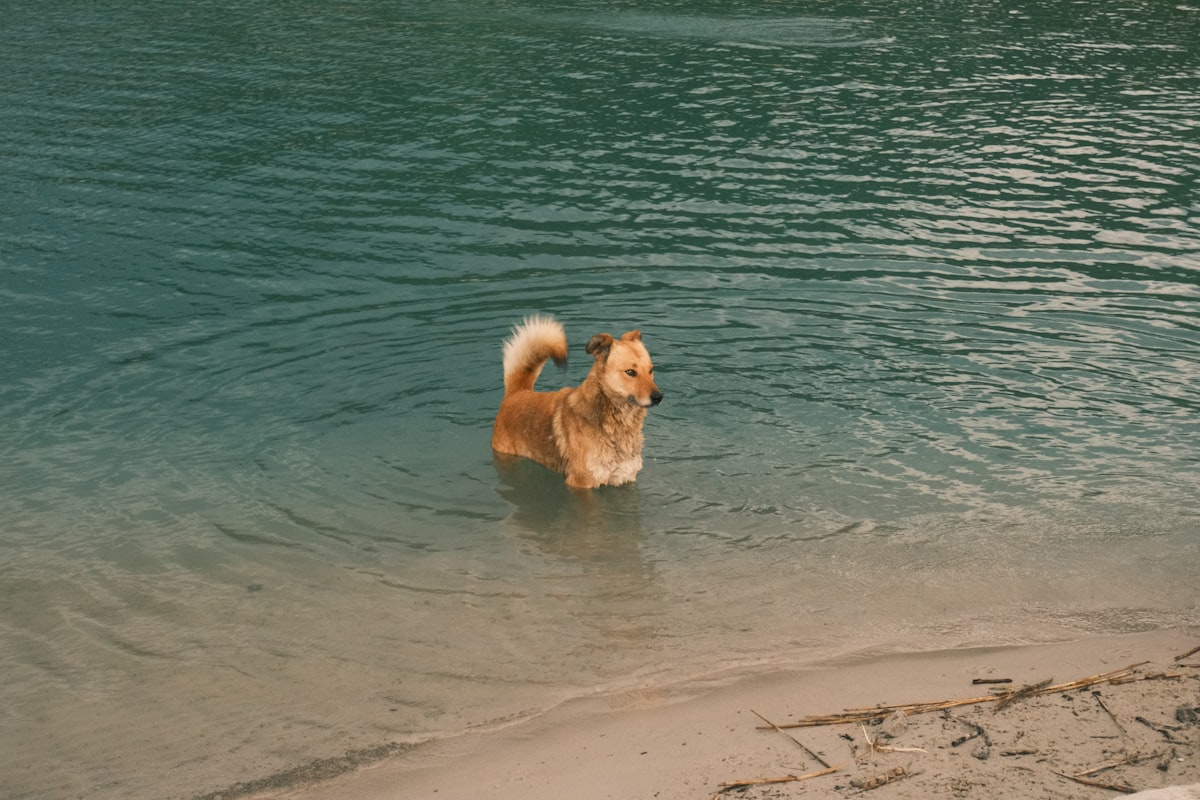
Scout water access points before your dog investigates. Choose gradual entries over steep banks. Watch for fast current even in shallow water. Keep your dog on leash near water at unfamiliar sites. Check for blue-green algae in still water.
Some wilderness water sources require difficult access. If the only water involves dangerous scrambles, bring enough water to avoid needing those sources.
Nighttime Safety Protocols
Darkness brings different considerations. Wildlife is more active. Your dog can't see hazards. The temperature drops.
Your evening routine should include a final bathroom break before full dark, checking tether system and collar/harness fit, bringing your dog into the tent or secure sleep area, removing any chews or treats that could cause choking, and positioning the dog bed away from tent doors.
If you hear wildlife at night, keep your dog inside and calm. Use voice to assert presence, not aggression. Have light and noise available. Don't let your dog "investigate." Record the encounter to report to land managers.
Many wildlife incidents happen when dogs rush out of tents toward sounds or smells. A zippered tent with a calm dog inside is much safer than a reactive dog on a tether.
Morning Camp Checks
Before breaking camp, do a safety sweep.
Check your dog first. Inspect paws for cuts, debris, or ticks. Look for any signs of overnight injury. Check collar and harness for wear. Assess energy level and hydration.
Then check the site. Walk the perimeter for dropped gear. Verify no food or waste was left behind. Look for signs of wildlife visitation. Confirm that all stakes and anchors have been removed.
A thorough morning routine catches problems early and leaves no trace for the next campers.
Emergency Considerations
Wilderness camps mean you're far from help. Plan for problems.
Have a first aid kit with dog-specific supplies, emergency contact info and evacuation routes, light sources for nighttime emergencies, a satellite messenger or other communication device, and extra food and water for delays.
Know the nearest trailhead and estimated evacuation time. Understand what injuries you can manage in the field and what requires professional care. Carry your dog if necessary, or have a plan for transport.
Frequently Asked Questions
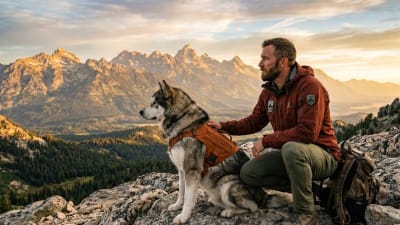
Kelly has logged over 5,000 trail miles with his dogs across the American West. He specializes in backcountry expeditions and gear testing for large breeds.