 Paths & Paws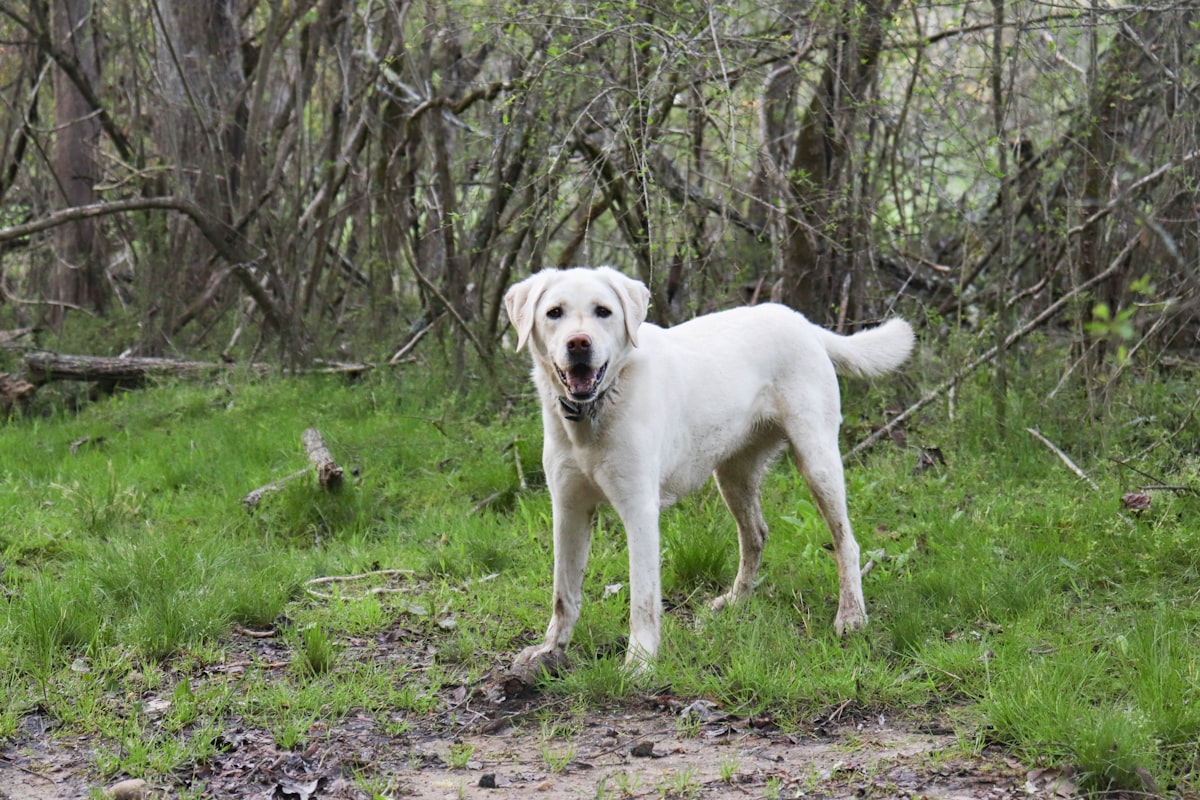
Key Takeaways
- 1Mud season peaks when ground thaws but trails haven't dried
- 2Ticks become active when temperatures consistently hit 40°F
- 3Slush hides ice patches that can injure paw pads
- 4Spring creek crossings run higher and faster than summer
- 5Post-hike tick checks should cover every inch of your dog
Spring hiking tests your patience and your dog's paws. The trails look inviting after winter, but mud bogs, hidden ice, and exploding tick populations create hazards unique to the season. Scout and I learned this the hard way our first spring together. We hit the trails in early March, excited after months of cabin fever. Three miles in, Scout was caked in mud to his chest, limping from a hidden ice slip, and I found seven ticks on him during the car ride home. Now I know what to expect, and that knowledge makes spring hiking enjoyable rather than frustrating.
Understanding Spring Trail Conditions
The transition between winter and summer creates unpredictable trail surfaces. Morning hikes might start on frozen ground, turn to slush by midday, and end in ankle-deep mud by afternoon. Your dog's paws experience this progression at four times the contact points.
Typical spring progression on mountain trails follows a pattern. Early spring brings frozen mornings with afternoon mud and ice hidden under slush. Mid-spring sees heavy mud, snowmelt streams, and exposed roots. By late spring, trails start drying with persistent wet spots and full vegetation returning.
Trails at lower elevations dry first. Higher trails might remain muddy for weeks after valleys have firmed up. Check recent trail reports before driving to trailheads.
Note
Many land managers request hikers avoid certain trails during mud season. Walking on saturated trails causes erosion that takes years to repair. Check local regulations and respect seasonal closures.
Mud Management Strategies
Deep mud does more than dirty your dog. Thick mud between toes can cake and harden, causing discomfort. Mud sucks at paw pads with each step, fatiguing dogs faster than firm ground. Wet mud chills paws, reducing circulation.
Before Muddy Sections
Check that paw hair is trimmed short and apply paw wax for some protection. Tighten your dog's harness fit to prevent slipping.
During Muddy Stretches
Keep a steady pace rather than stopping in deep mud. Let your dog find their own footing where safe, and avoid the trail edges where mud tends to be deepest.
After Mud Exposure
Rinse paws before mud dries, check between toes for stuck debris, and dry thoroughly to prevent irritation.
Hidden Ice and Slush Hazards
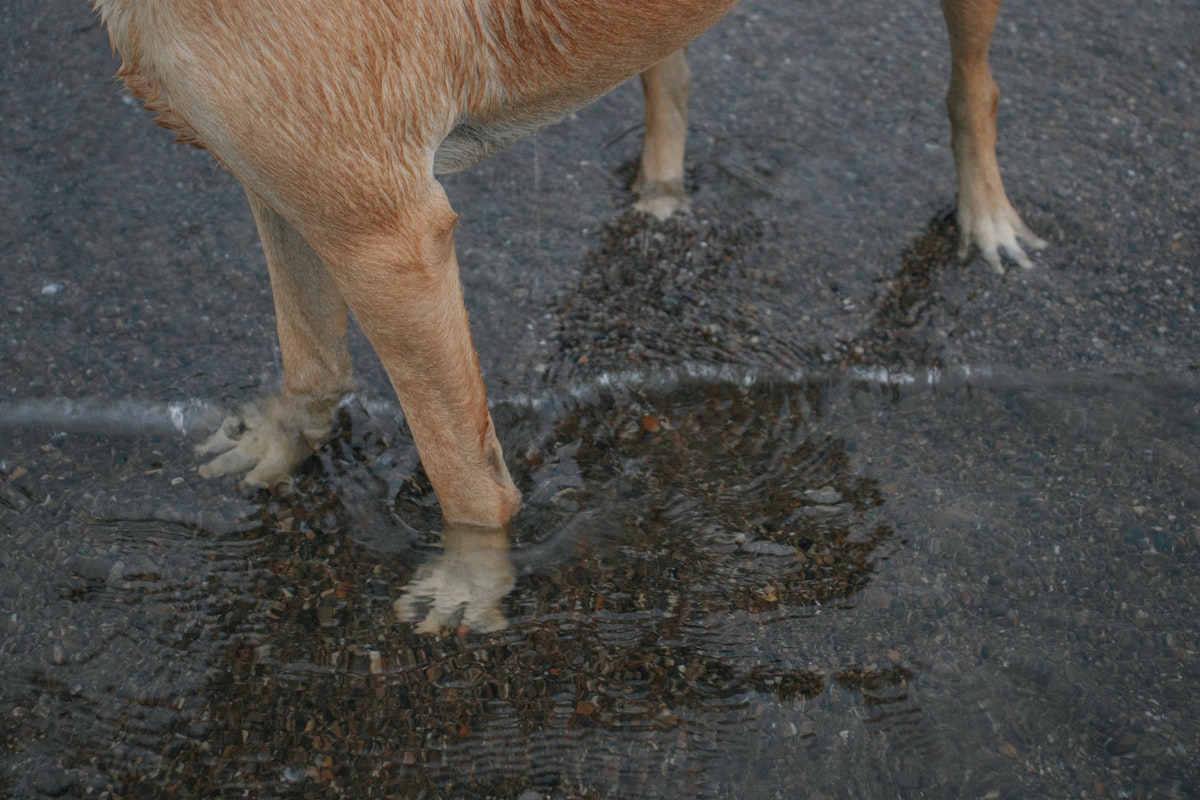
What looks like slush often conceals ice underneath. Dogs stepping confidently onto what appears to be soft snow can slip on hidden ice and strain muscles or tear paw pads on sharp ice edges. Scout slipped on one of these hidden ice patches on Rattlesnake Ridge last April. His back legs went out from under him, and he slid several feet before catching himself. He wasn't injured, but the panic in his eyes told me everything about how unexpected that was.
Problem spots tend to be shaded north-facing slopes, stream crossings with snow bridges, trail sections under dense tree cover, and areas where snowmelt refreezes overnight.
Test questionable sections yourself before letting your dog cross. If your boot breaks through into ice, find an alternate route. Dogs lack our ability to catch themselves during unexpected slips.
The Spring Tick Explosion
Tick populations surge in spring. Adults that overwintered become active as temperatures warm, and nymph populations emerge hungry for blood meals. Your dog provides an ideal target.
Ticks become active when daytime temperatures consistently reach 40°F (4°C). Peak activity occurs between 35°F and 70°F with high humidity. Exactly the conditions typical of spring hiking weather.
Ticks concentrate in leaf litter along trail edges, tall grass at trailheads, brushy areas where trails narrow, and wildlife paths that intersect hiking trails.
Warning
Nymph ticks are tiny, about the size of a poppy seed. They're easy to miss during quick checks. Spring tick searches require careful examination of your dog's entire body, including between toes and inside ears.
Tick Prevention Protocol
Effective tick management combines prevention, detection, and removal. No single approach works alone.
Prevention Measures
Apply vet-approved tick preventative before tick season. Avoid tall grass and brush when possible, and stay on trail centers rather than edges. Consider a tick-repellent bandana or collar for additional protection.
Detection Routine
Do a quick visual check every 30 minutes on trail. Perform a full body check at every major rest stop, a thorough inspection before getting in the car, and a complete check at home with good lighting.
Run your hands against the fur direction to feel bumps. Ticks often attach in warm, dark areas like the groin, armpits, ears, neck folds, and between toes.
Proper Tick Removal
When you find an attached tick, proper removal matters. Incorrect techniques can leave mouthparts embedded or cause the tick to regurgitate into the wound.
Correct Removal Steps
Use fine-tipped tweezers or a tick removal tool and grasp the tick as close to the skin as possible. Pull straight up with steady, even pressure. Don't twist, jerk, or squeeze the tick body. Clean the bite area with rubbing alcohol and save the tick in a sealed bag for identification.
Never use folk remedies like petroleum jelly, nail polish, heat, or alcohol to make ticks "back out." These methods don't work and may cause the tick to release more saliva into the wound.
Spring Creek Crossings
Snowmelt swells creeks and rivers throughout spring. A crossing that was knee-deep in summer might be waist-deep and fast-moving in April. Dogs can be swept away in water conditions they'd handle easily later in the year.
Before any spring creek crossing, scout upstream and downstream for safer options. Test depth with a trekking pole and check current speed by tossing in a stick. If conditions look marginal, consider turning back.
Keep your dog on a short leash during crossings. If they're swept off their feet, you need to be close enough to help. Some dogs panic in fast water and need immediate assistance.
Pro Tip
Early morning crossings are often safer in spring. Overnight freezing slows snowmelt, reducing water levels. By afternoon, peak melt means higher, faster water.
Dealing With Wet Dogs
Spring hikes frequently result in thoroughly soaked dogs. Mud, creek crossings, puddles, and morning dew conspire to saturate even water-resistant coats. Wet dogs chill quickly when temperatures drop.
Carry a packable dog towel for basic drying. Focus on chest, belly, and legs where water retention causes the most heat loss. A lightweight fleece layer can help a wet dog retain warmth during rest stops.
In your car, use a waterproof seat cover or dedicated dog area. Spring mud is notoriously difficult to clean once it dries on upholstery.
Post-Hike Spring Cleaning Routine
The post-hike routine takes longer in spring. Beyond normal checks, you're dealing with mud, potential ticks, and the grit that accumulates in wet fur.
Complete Spring Post-Hike Routine
Start with a tick check in good light before bringing your dog inside. Rinse paws and legs completely, then check between toes for debris, cuts, and ice damage. Brush out any remaining mud from the coat and dry thoroughly, especially ears and belly. Do a second tick check after the coat dries, and a final tick check the next morning.
Yes, three tick checks. I know this sounds excessive, but I've found attached ticks on Scout during that morning-after check that I completely missed the night before. They burrow into fur and find spots you'd swear you already checked. Ticks that were crawling during the first check may have attached by morning. Early detection means easier removal and lower disease transmission risk.
Trail Selection for Spring
Smart trail selection minimizes spring misery. Some trails handle the season better than others.
Good Spring Trail Characteristics
Look for trails with south-facing exposure (they dry faster) and sandy or rocky substrate (drains well). Open canopy allows sunlight to dry the trail, lower elevation means less lingering snow, and ridge routes accumulate less mud.
What to Avoid in Spring
Steer clear of north-facing slopes (they stay wet longest), valley bottoms (they collect runoff), trails through wetlands, and routes with multiple stream crossings. Avoid high elevation trails with lingering snowpack as well.
Frequently Asked Questions
Sara founded Paths & Paws to share field-tested advice with fellow dog hikers. She believes every dog deserves time on the trail.