 Paths & Paws
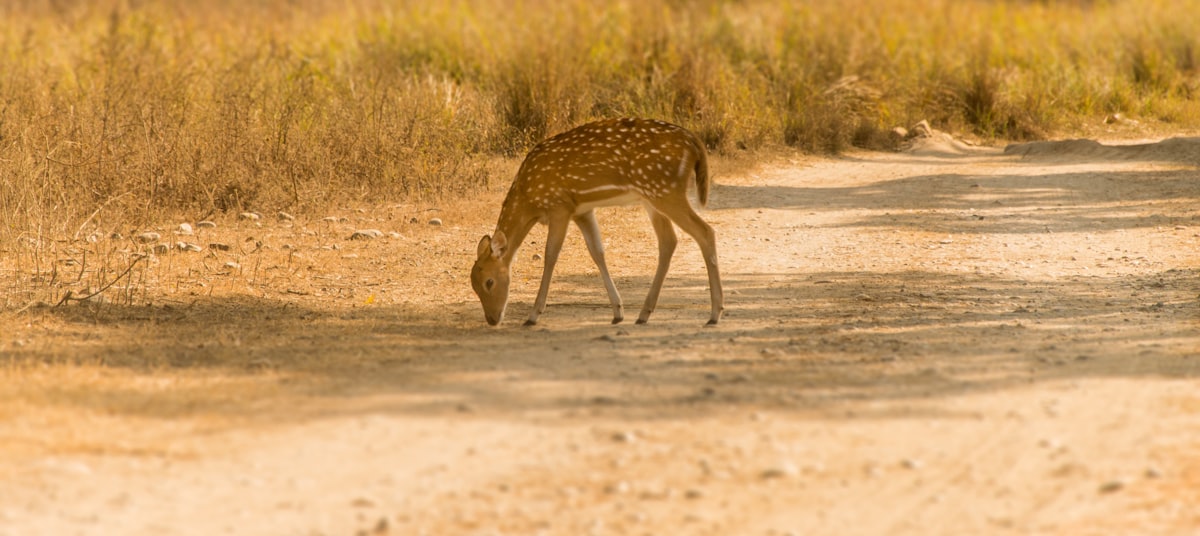
Your dog sees a deer. Every muscle tenses. They're gone before you can react. Now you're screaming recall commands into the woods while your dog chases prey they'll never catch but might get hurt pursuing.
Wildlife chasing isn't a training failure. It's instinct. Every dog carries the genetic heritage of a predator. Managing that instinct requires specific training, realistic expectations, and management strategies for when training isn't enough.
Key Takeaways
- 1Prey drive is instinct, not disobedience
- 2Training reduces chasing but may never eliminate it entirely
- 3High-value rewards must compete with the chase itself
- 4Management (leash, long line) is often necessary for safety
Understanding Prey Drive
Prey drive describes the instinctive sequence dogs inherited from wolves. That sequence includes searching, stalking, chasing, grabbing, and killing. Most pet dogs retain parts of this sequence even though generations of breeding have modified it.
Some breeds have enhanced prey drive through selective breeding. Sighthounds like Greyhounds and Whippets were selected for chase. Terriers were selected for grab and kill. Herding dogs were selected for modified stalk and chase. Retrievers were selected for chase and grab.
Other breeds have diminished prey drive. Companion breeds often have lower drive, and heavy, slow breeds often don't bother chasing.
Your dog's breed provides hints, but individual variation matters. I've met lazy Greyhounds and Bulldogs who chase everything.
Why This Matters on Trail
Wildlife chasing isn't just inconvenient. It creates real problems.
Safety risks pile up quickly. Dogs get hit by cars when chasing deer across roads. They fall from cliffs or into water while fixated on prey. Wildlife fights back sometimes, causing serious injuries. And dogs who run too far simply get lost.
Legal problems follow close behind. Harassing wildlife is illegal in many areas, and off-leash violations in leash-required zones can mean fines. If your dog's chase causes an accident, you may face liability.
The ecological impact matters too. Wildlife gets stressed during critical nesting and young-rearing periods. Feeding gets disrupted in areas where every calorie counts. Ground-nesting bird nests get destroyed.
Then there's the training setback. Each chase reinforces the behavior because it's self-rewarding. The more your dog chases, the stronger the drive becomes. Your carefully trained recall erodes with every successful pursuit.
The Self-Rewarding Problem
Chasing feels amazing to dogs. Every chase, regardless of whether they catch anything, releases dopamine. Your dog rewards themselves every time they do it. That's what makes this behavior so difficult to stop.
Foundation Training
Before you can stop chasing, you need foundational skills in place.
Rock-Solid Recall
Your recall must be more rewarding than the chase. This is a high bar. Work on recall extensively in low-distraction environments before expecting it to work against wildlife.
Building recall value means using high-value rewards like real meat instead of kibble. Coming to you needs to be the best thing that happens to your dog all day. Practice hundreds of times in controlled settings before you need it in the field. And never punish a dog who comes when called, even if they took their sweet time getting there.
Leave It
The "leave it" command tells your dog to disengage from something interesting. Building strong leave-it with food and toys provides foundation for wildlife application.
Work through a progression. Start with low-value treats, then graduate to high-value treats. Move on to toys, then other dogs. Eventually you can work up to wildlife triggers, but only after the foundation is rock solid.
Emergency Down
An emergency down stops your dog in place before they chase. This is harder than recall because you're asking them to stop mid-action.
Practice until your dog drops instantly on command from any position. This takes months of consistent training.
Specific Anti-Chase Training
With foundations in place, work specifically on wildlife response.
Trigger Management
Start with controlled exposure to chase triggers at a distance where your dog notices but doesn't react intensely.
Find your threshold first. How close can wildlife be before your dog fixates? Once you know, work at slightly greater distances. When your dog sees wildlife and looks at you instead of fixating, reward heavily. This builds an alternative response pattern that competes with the chase instinct. Over many sessions, gradually decrease distance while maintaining the attention-on-you response.
Emergency Protocols
Train a specific sequence for wildlife encounters. First, the "Look" command gets attention back to you. Then "Come" brings your dog to your side. Next, "Sit" or "Down" holds them while wildlife passes. Finally, deliver a massive reward for compliance.
Practice this sequence with lower-value distractions first. Dogs, squirrels, birds at a distance. Build to deer and larger wildlife.
Impulse Control Games
General impulse control translates to wildlife situations.
The "It's Yer Choice" game works simply. Your dog sees a treat in your hand. Keep your hand closed until they stop trying to get it. Open when they back off. This teaches that waiting gets rewards.
The "Ready, Set, Down" game starts with your dog in an excited state, ready to play. Give the down command, then reward. This teaches stopping excitement on command.
For "Leave It / Take It," present food, say "leave it," wait, then say "take it." This builds self-control even when the reward is visible.
High-Value Training Rewards
When competing with wildlife, regular treats won't cut it. Use real meat, freeze-dried liver, or whatever your dog finds irresistible. Training against prey drive requires rewards that actually compete with the behavior.
Management Strategies
Training takes time. Meanwhile, manage situations to prevent chasing.
Keep the Leash On
In areas with wildlife, keep your dog on leash regardless of their training level. No recall is 100% reliable against strong prey drive and close wildlife.
Long Line Freedom
A 30-50 foot long line provides exploration freedom while maintaining physical control. Your dog gets more sniffing and movement than a 6-foot leash allows, but you can prevent chase initiation.
Scout Ahead
Learn your trails. Know where wildlife appears frequently. Be extra vigilant in those sections. Early detection gives you time to leash up or increase distance.
Leash at Wildlife Signs
When you see fresh tracks, scat, or grazing areas, increase alertness. Wildlife nearby means higher chase risk.
Time of Day
Wildlife is most active dawn and dusk. Midday hiking reduces encounters. Not perfect, but helpful.
Realistic Expectations
Here's the hard truth. Some dogs will always chase if given the opportunity. Training can reduce frequency and improve recall success, but it may never eliminate the drive.
Training can accomplish real improvements. You can get better recall before a chase begins, faster response to commands during low-intensity triggers, reduced chase duration when it does happen, and better attention to you around wildlife. These gains matter.
But training may not accomplish everything. Perfect reliability in all situations, complete elimination of prey drive, and guaranteed recall mid-chase often remain out of reach.
Know your dog. Some dogs reach a point where off-leash around wildlife is reasonable. Others never do. Management is not failure; it's responsible ownership.
When Chase Happens
Despite training and management, chases sometimes happen.
Stay calm. Panic in your voice can reinforce the excitement or make your dog think you're joining the hunt. Don't chase after your dog, because running after them can activate play chase or make them think you're competing for the prey.
Call firmly, then wait. Issue your recall command once, clearly. Then stand still because movement attracts attention. If that doesn't work, try moving away. Sometimes walking in the opposite direction triggers your dog to follow you rather than the wildlife.
Be patient. Most chases end when the wildlife escapes. Your dog will return confused and possibly lost. Stay in the area where they last saw you. And whatever frustration you feel, don't punish them for returning. Your dog coming back must always be positive. Punishment teaches them not to return, not to stop chasing.
Frequently Asked Questions
Sarah is a certified canine fitness trainer with a background in veterinary rehabilitation. She focuses on injury prevention, proper conditioning, and training techniques for trail dogs.