 Paths & Paws
A 95-pound Malamute can do real damage to tent fabric. Jasper and I have logged over 400 backcountry nights together, and I've seen what wet paws, sharp nails, and excited scrambling can do to a tent floor. My solution is simple. I carry a custom Tyvek groundsheet inside the tent. Not underneath it. Inside. The material weighs almost nothing, costs less than twenty dollars to make, and has saved me from replacing multiple tent floors over the years.
Key Takeaways
- 1Tyvek weighs roughly 1.4 oz per square yard and adds minimal pack weight
- 2Use Tyvek INSIDE the tent to protect floors from dog claws and moisture
- 3A DIY groundsheet costs under $20 and takes 30 minutes to make
- 4Fold edges and add grommets for durability at stress points
- 5Replace your Tyvek sheet annually with heavy use
Why Tyvek works for dog camping
Tyvek is a brand of high-density polyethylene fibers made by DuPont. The material was originally designed as house wrap for construction, but backpackers discovered its potential decades ago. It is waterproof, tear-resistant, and surprisingly tough against punctures. For dog camping, these properties matter.
When Jasper comes into the tent after a stream crossing, water drips everywhere. A Tyvek layer catches that moisture before it soaks into my tent floor. When he circles three times before lying down, his nails drag across Tyvek instead of expensive silnylon. The material handles abuse that would damage tent fabric directly.
We tested our current Tyvek sheet across 23 nights in the Cascades last summer. Rocky campsites, sandy beaches along alpine lakes, muddy forest floors. The sheet shows scuffs and some discoloration but zero tears. Our previous tent floor needed seam sealing after just 15 nights without protection.
Note
Tyvek comes in different weights. Standard house wrap weighs about 1.85 oz per square yard. The lighter 1443R variant runs closer to 1.43 oz per square yard. Both work for dog camping, though the heavier version holds up better against aggressive scratching.
Getting your Tyvek material
You have several options for sourcing Tyvek. Construction sites often have scraps they'll give away if you ask. Hardware stores sell full rolls, though you only need a few square yards. Some outdoor retailers now sell pre-cut Tyvek groundsheets specifically for backpacking.
For a two-person tent, you need approximately 3-4 square yards of material. Measure your tent floor first. You want the Tyvek to cover the sleeping area completely with a few extra inches on each side for overlap.
| Source | Cost | Pros | Cons |
|---|---|---|---|
| Construction scraps | Free | No cost | May have creases or dirt |
| Hardware store roll | $15-25 | Clean material | More than you need |
| Pre-cut groundsheet | $20-40 | Ready to use | Limited sizes |
| Online fabric seller | $10-15 | Exact amount | Shipping wait |
We source our Tyvek from a local building supply store. A partial roll runs about $20 and provides enough material for three or four groundsheets.
Cutting and preparing your groundsheet
Set up your tent and lay the Tyvek inside. Mark the floor dimensions with a permanent marker, leaving about two inches extra on all sides. Cut with sharp scissors or a utility knife.
The edges are where Tyvek fails first. To prevent fraying, fold each edge over about one inch and secure it. You can use Tyvek-specific tape from DuPont, contact cement, or even a hot iron on low heat. We prefer contact cement because the bond survives wet conditions better than tape alone.
For corner reinforcement, fold the material over twice to create a four-layer thickness where grommets will go. If you add grommets, place them at the corners so you can stake the groundsheet flat inside larger tents or vestibules.

The sandwich technique for maximum protection
Some backpackers use Tyvek only under their tent. We use a different approach. The sandwich technique places one layer beneath the tent and one inside it. Your tent floor sits between two protective barriers.
The bottom layer stops ground moisture and sharp rocks from damaging the tent underside. The interior layer catches everything your dog brings in. Mud, sand, water, the occasional stick that hitches a ride in fur.
This doubles your Tyvek weight, but for a two-person tent, you're still under 8 ounces total. That's less than a can of dog food and offers far more floor protection.
We've used this setup across 50+ nights. The interior sheet takes most of the punishment. When it wears out, we simply replace it. The exterior sheet lasts much longer since it only contacts the ground.
Pro Tip
Cut your interior sheet slightly smaller than your exterior one. This makes setup faster because you can tell them apart by size alone, even in the dark.
How Tyvek compares to other materials
Tyvek is not your only option. Other groundsheet materials have their own strengths and weaknesses for dog camping.
Polycro weighs less than Tyvek. About half the weight per square foot. But it tears more easily and offers less puncture resistance. One aggressive scratch from a dog nail can slice right through polycro. We tested polycro for three trips before switching back to Tyvek.
Heavy-duty poly tarps provide excellent puncture resistance but weigh significantly more. A poly tarp thick enough to resist dog claws might add a full pound to your pack. That is a lot of extra weight for floor protection.
Silnylon tent footprints from manufacturers are sized correctly but often cost $50-80 for material that's no more durable than DIY Tyvek.
| Material | Weight (per sq ft) | Puncture Resistance | Cost | Best For |
|---|---|---|---|---|
| Tyvek | 0.14-0.22 oz | Good | Low | Dog camping |
| Polycro | 0.05-0.08 oz | Poor | Low | Ultralight, no dogs |
| Poly tarp | 0.5-1.0 oz | Excellent | Low | Base camps |
| Silnylon | 0.15-0.25 oz | Moderate | High | Matching tent |
Maintaining your Tyvek sheet
Tyvek requires minimal care but does wear out eventually. After each trip, shake off loose debris. If mud or sand is caked on, rinse with water and let it air dry before packing it away. Never machine wash Tyvek because the agitation can weaken the fiber bonds.
Inspect for holes or tears before each trip. Small punctures can be patched with Tyvek tape or Tenacious Tape. Larger damage means it's time for a new sheet. With heavy use, we replace our interior sheet about once per year. The exterior sheet lasts two to three years.
Store Tyvek loosely rolled rather than tightly folded. Repeated creasing along the same lines weakens the material and creates failure points.
Warning
Tyvek gets slippery when wet. If your dog moves around at night, this can cause sliding on the tent floor. Some handlers add a fleece blanket on top of the Tyvek to provide traction. Your dog settles better and your Tyvek stays protected.
Field tips from 400 nights of testing
Deploy your Tyvek before your dog enters the tent. A scrambling dog can bunch up unsecured material and end up on bare floor anyway. We stake our interior sheet at two corners using small fabric loops sewn to the tent's interior tie-outs.
Bring a second small piece of Tyvek for the vestibule. This catches the worst mud and water before your dog even enters the main tent body. A 2x3 foot scrap weighs almost nothing and saves cleanup time.
Train your dog to enter the tent calmly. An excited Malamute launching through the door defeats the purpose of floor protection. We use a wait command at the tent entrance. Jasper pauses, I wipe his paws with a bandana, then he steps in calmly.
For cold weather trips, Tyvek provides a slight vapor barrier. This can cause condensation issues if your dog sleeps directly on it for hours. Layer a breathable pad or blanket between your dog and the Tyvek to prevent moisture buildup.
Frequently Asked Questions
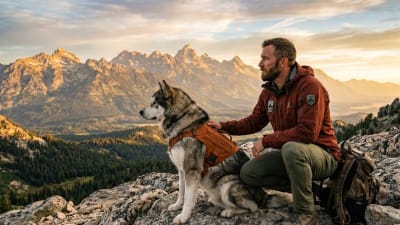
Kelly has logged over 5,000 trail miles with his dogs across the American West. He specializes in backcountry expeditions and gear testing for large breeds.
References & Further Reading
- Tyvek Product Specifications — DuPont
- Ultralight Backpacking Gear — REI Expert Advice
- Tent Care and Maintenance — Backpacker Magazine