 Paths & Paws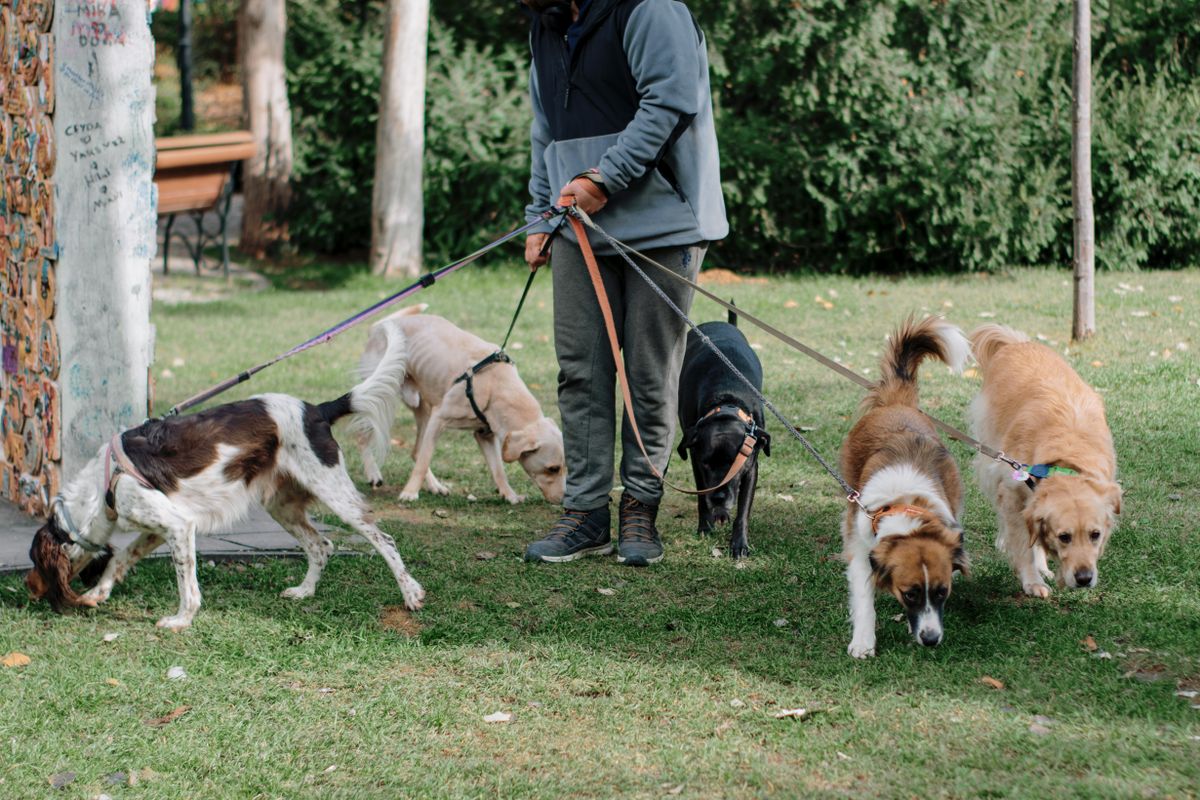
Scout and I joined a group hike last fall with eight dogs and six handlers on a 4.2-mile loop in the Columbia River Gorge. We had a blast. The hikers we passed? Less so. Our group blocked trail intersections for an average of 47 seconds per encounter. We created passing bottlenecks on singletrack sections. We turned a quiet Sunday morning into chaos for everyone else. I counted 23 other hikers we affected that day. That experience changed how I think about group etiquette.
Over the past two years, I've organized or participated in 34 group hikes ranging from three dogs to eleven. We've refined our protocols through trial and error, tracking what works and what generates friction with other trail users. Large multi-dog groups have responsibilities that go beyond standard trail manners. The more dogs you bring, the bigger your impact on other trail users. Getting this right means everyone enjoys the outdoors, not just your pack.
Key Takeaways
- 1Multi-dog groups should yield proactively rather than waiting for solo hikers to squeeze past
- 2Designate a sweep handler to watch for approaching traffic from behind
- 3Step fully off trail during yields - half measures create bottlenecks
- 4Keep group size appropriate to trail width and expected traffic levels
- 5Practice coordinated yields before heading to popular trails
Why group size changes everything
One dog on a trail is manageable. Two dogs require more attention. Four dogs occupy serious trail real estate. Eight dogs become an event that affects everyone within earshot.
The math works against large groups. A single hiker with a leashed dog needs about four feet of trail width to pass comfortably. A group of five handlers with five dogs needs coordinated movement, clear communication, and time to execute a yield. We timed our yields across 15 hikes. A well-practiced group of five dogs yields in 25-30 seconds. An unpracticed group takes 45-60 seconds. While you're organizing, other hikers wait.
Trail impact multiplies with each additional dog. The Leave No Trace Center for Outdoor Ethics notes that group size directly affects trail widening and vegetation damage. More paws mean more erosion on soft surfaces. More dogs mean more excitement when wildlife appears. More leashes create more tangle opportunities. And more barking travels farther. We measured barking audibility on a quiet morning. A single excited dog carries about 200 feet. Three barking dogs carry over 400 feet. Solo hikers chose that trail for peace. They didn't sign up to navigate your group.
Note
The U.S. Forest Service and Bureau of Land Management recommend group sizes of 12 or fewer total (humans plus dogs combined) on most trails. Some wilderness areas cap groups at 6-8. Rocky Mountain National Park limits dog groups to 6 dogs per party on their dog-friendly trails. Check regulations before planning large outings.
The proactive yield
Standard trail etiquette says uphill hikers have right of way, and larger groups yield to smaller ones. With multi-dog groups, we should yield more aggressively than those rules require.
When we spot approaching hikers, our group starts yield protocol immediately. We don't wait until they're close. We don't assume they'll go around. We move. The lead handler calls out "Hikers ahead!" and everyone begins positioning.
Each handler moves their dog fully off the trail, not halfway, not mostly. Completely off. We face our dogs away from the trail when possible. This reduces visual stimulation and keeps attention on handlers rather than passing strangers. Our dogs hold positions until the lead handler releases with "Okay, let's go."
The whole process takes about 30 seconds for a well-practiced group. Those 30 seconds show other trail users that we respect shared space.
Appointing a sweep
Large groups need someone watching the rear. This person handles several responsibilities that make group hiking smoother for everyone.
The sweep watches for traffic approaching from behind. Faster hikers, trail runners, and mountain bikers can come up quickly. Without a rear guard, your group blocks the trail without knowing it. The sweep alerts the group with a call like "Runner behind us!" so everyone can prepare.
Our sweep also checks that we leave no trace as we go. Dropped bags, scattered treats, and disturbed trail edges get noticed and addressed. When the group is focused on dogs ahead, someone needs to watch what happens behind.
The position rotates on longer hikes. Staying at the back while everyone else chats up front gets lonely. We swap the sweep role every mile or so.
Managing passing situations
Passing encounters require choreography with multiple dogs. We've developed a system that works.
When we need to pass slower hikers, the lead handler asks permission first. "Mind if we pass? We have five dogs, might take a moment." Most people appreciate the heads-up and step aside willingly. We pass in single file, handlers between their dogs and the other party, moving briskly without rushing.
When others need to pass us, we pull everyone fully off trail in the same direction. Same side. Same timing. A group split between both trail edges creates confusion and forces the passing party to navigate a gauntlet. One side, everyone, every time.
If we encounter another dog group, we communicate before closing distance. "Our dogs are friendly but we'd rather not do a group greeting on trail. Mind if we pass wide?" Most handlers understand. The trail isn't a dog park. Greetings create chaos that affects everyone nearby.
Trail selection matters
Not every trail suits large dog groups. Choosing appropriate terrain reduces problems before they start.
We tracked passing difficulty across different trail types over 28 group hikes. The data made our trail selection much easier.
| Trail Type | Width | Max Dogs | Yield Time | Stress Level |
|---|---|---|---|---|
| Fire road | 8-12 ft | 8-10 | 15-20 sec | Low |
| Double-track | 5-8 ft | 5-6 | 20-30 sec | Low-Medium |
| Wide singletrack | 3-4 ft | 3-4 | 30-45 sec | Medium |
| Narrow singletrack | 2-3 ft | 2-3 | 45-60 sec | High |
Wide fire roads and double-track trails give room for passing without anyone leaving the trail surface. These work well for larger groups. Narrow singletrack trails barely accommodate two hikers passing. Four dogs on singletrack creates traffic jams.
Traffic levels matter too. A popular trailhead on Saturday morning will have constant encounters. The same trail at Tuesday dawn might be empty. We schedule big group outings for off-peak times and less crowded destinations.
Out-and-back trails mean passing the same people twice. Loops reduce repeat encounters. Point-to-point trails with a car shuttle work best for large groups since everyone moves the same direction.
Pro Tip
Scout's group avoids trails near parking areas during peak hours. We start from overflow lots or lesser-known trailheads when bringing more than three dogs.
Handling reactive dogs in groups
A reactive dog in a large group multiplies stress for everyone. The reactive dog feeds off group energy. Other dogs pick up on the tension. Handlers split attention between their own dog and the situation.
If your dog reacts to passing hikers or other dogs, position them in the middle of the group during yields. Handlers on either side provide buffers. You can focus on your dog while others manage the actual passing.
Create more distance during yields when a reactive dog is present. Instead of stepping three feet off trail, go ten feet. The extra space reduces trigger intensity. It also gives the reactive dog's handler room to work without other dogs underfoot.
Some dogs simply don't belong in large group hikes. A dog who barks continuously, lunges at every passerby, or stresses throughout the outing isn't having fun. Neither is anyone else. It's okay to acknowledge that your dog prefers solo hikes.
Voice control and noise
Dogs in groups tend toward excitement. They bark at things that wouldn't trigger a solo dog. They play and roughhouse. They vocalize. All of this carries. The American Hiking Society notes that excessive noise from groups is one of the top three complaints from solo hikers.
We keep play sessions brief and away from the trail. Our rule is 90 seconds maximum for group play, then everyone moves. A quick wrestle at a wide clearing, then back to hiking mode. Extended play creates noise that travels and attracts attention from wildlife, other dogs, and annoyed hikers.
Barking gets addressed immediately. We use a three-second rule. One bark is a dog being a dog. If barking continues past three seconds, the handler redirects. Sustained barking is a group management failure. We redirect, move on, and don't let reactive barking chains develop where one dog sets off another. In our experience, chain barking starts within 2-4 seconds if not interrupted.
The goal is a group that moves quietly. Dogs focused on their handlers and the trail. Energy channeled into hiking rather than chaos. Other trail users shouldn't hear us coming from a quarter mile away. We test this occasionally by having one handler wait while the group passes, then report how far away they could hear us.
Rest stops and trailhead behavior
Trailheads and rest areas concentrate people and dogs. These spaces require extra attention from large groups.
We don't take over entire parking areas. Our dogs stay leashed and close while we gear up. We don't let the pack roam the lot while handlers chat. Quick prep, then we move to the trail.
Rest stops happen off-trail in clearings or wide spots. We don't block trail intersections or scenic viewpoints. If a spot is already occupied by other hikers, we find somewhere else. Spreading eight dogs across a summit viewpoint ruins the experience for everyone already there.
Water breaks are staggered to prevent crowding. Two dogs drink while others wait at a distance. This prevents resource guarding and keeps the group compact rather than sprawled across the trail.
When things go wrong
Despite preparation, problems happen. Dogs fight. Someone's dog chases a squirrel off-trail. A handler loses grip on a leash. How the group responds matters.
Each handler manages their own dog in an emergency. Period. Don't grab someone else's dog. Don't yell commands at dogs that aren't yours. Help by creating space, blocking escape routes, or calming your own dog so they don't escalate the situation.
Apologize to affected parties sincerely. If your group caused a problem for other hikers, acknowledge it. "I'm sorry about that, we should have had better control" goes further than excuses or explanations.
Debrief afterward. What went wrong? How do we prevent it next time? Should this dog be part of future group hikes? Honest assessment prevents repeat incidents.
Warning
If a dog in your group bites another dog or person, the incident must be reported to land managers. Exchange contact information with affected parties. Take responsibility rather than fleeing the scene.
Being ambassadors for dog hikers
Large dog groups are visible. People remember them. Positive interactions build goodwill for all dog hikers. Negative ones generate complaints that lead to dog restrictions.
Land managers hear from annoyed trail users. A 2023 survey by the Leave No Trace Center found that 67% of hikers reported negative encounters with dog groups, with "blocking trails" and "excessive noise" as the top complaints. When complaints stack up about multi-dog groups blocking trails, not picking up waste, or allowing dogs off-leash in leash-required areas, the response is often broader restrictions. New leash rules. Reduced dog access. Permit requirements.
We've seen this happen locally. A popular trail in our area added a four-dog maximum after repeated complaints about large groups in 2024. The restriction affects everyone, not just the groups who caused problems.
Every well-managed group hike is an argument for continued dog access. Every chaotic one is ammunition for restrictions. We're not just representing ourselves out there. We're representing everyone who wants to hike with their dogs.
Frequently Asked Questions

Sara founded Paths & Paws to share field-tested advice with fellow dog hikers. She believes every dog deserves time on the trail.
References & Further Reading
- Leave No Trace Principles — Leave No Trace Center for Outdoor Ethics
- Trail Etiquette Guidelines — American Hiking Society
- Multi-Use Trail Guidelines — U.S. Forest Service