 Paths & Paws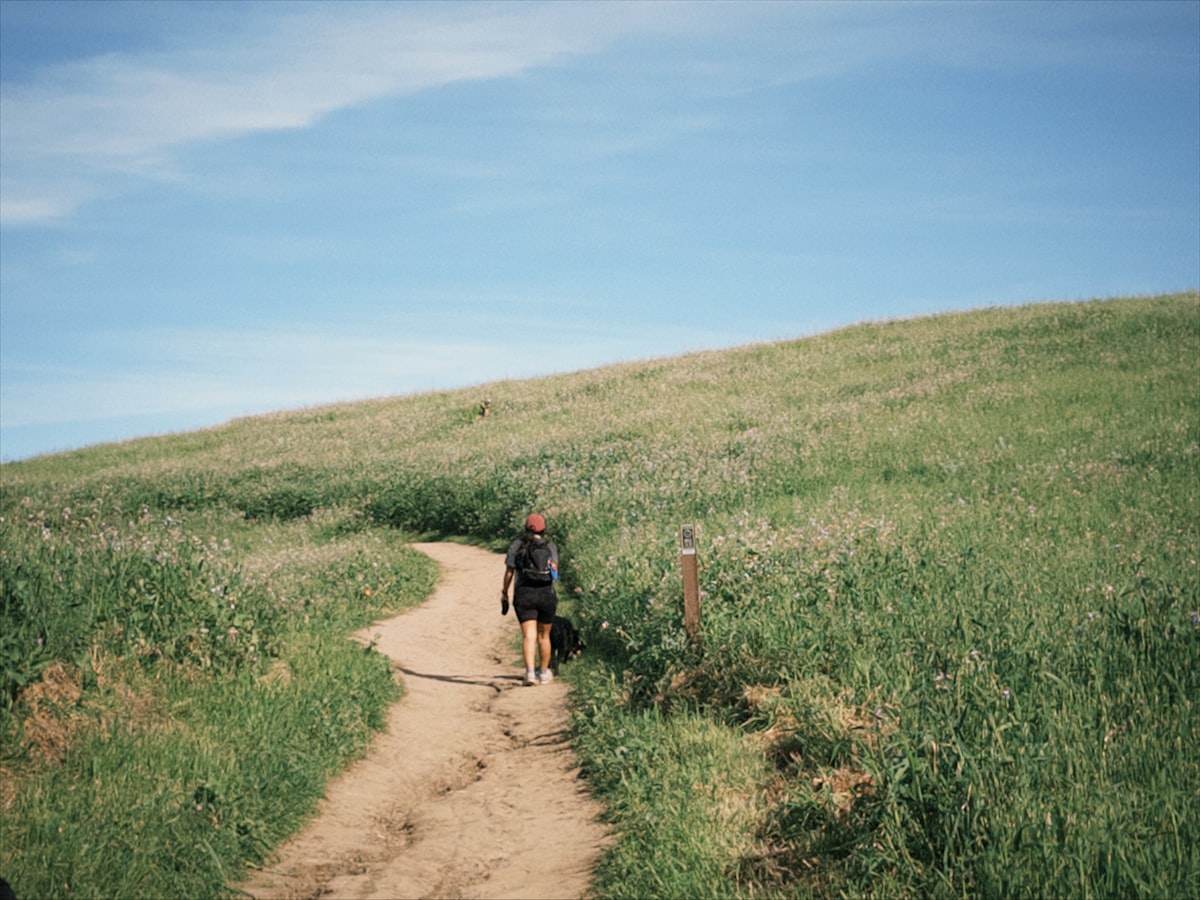
Passing other hikers with a dog creates unnecessary drama when you don't have a system. Scout and I have worked out a routine that makes these encounters boring. That's exactly what you want. No lunging. No tangled leashes. No awkward apologies.
The basics are simple. Yield to uphill traffic, shorten your leash, and step to the downhill side. But the real skill is reading situations before they become problems.
What You'll Learn
- 1Standard yielding protocols for uphill and downhill traffic
- 2The step-aside technique that works on any trail width
- 3Verbal cues that prevent confusion during passes
- 4How to handle reactive dogs during trail encounters
- 5Group hiking etiquette when multiple dogs are involved
The Uphill Rule and Why It Exists
Hikers going uphill have the right of way. This isn't just tradition. There's a practical reason behind it.
Climbing burns more energy than descending. Breaking momentum costs more effort on the ascent. When you're grinding up a steep section, the last thing you need is to stop, catch your breath, and then restart from zero.
Downhill hikers can see what's coming. They have the better vantage point. They can plan their yield without losing much energy.
I've violated this rule myself when the uphill hiker waves me through. That's fine. The rule establishes a default, not a mandate. But if nobody waves, downhill yields. Period.
With Scout, I've noticed the uphill position actually helps during passes. Dogs seem calmer when they're slightly above the other party. Might be a coincidence. Might be some territorial thing. Either way, I'll take it.
Bikes and Horses
Bikes yield to hikers. Everyone yields to horses. These rules trump the uphill convention. A horse can spook dangerously if a dog rushes past, so give them maximum space.
The Step-Aside Technique
When you spot oncoming hikers, here's the sequence that works.
First, shorten your leash to about two feet. This isn't negotiable. A six-foot leash gives your dog room to lunge, sniff, or block the trail. Two feet keeps them close enough to control.
Second, move to the downhill side of the trail. Always downhill. If you lose your footing or your dog pulls unexpectedly, you're falling away from the other hiker rather than into them.
Third, position your body between your dog and the passing hiker. You become the barrier. Your dog can't reach around you easily. This works better than just pulling the leash tight because you're adding a physical obstacle.
Fourth, wait. Don't start moving again until the other party has passed completely. Scout used to wheel around to follow interesting people. Waiting an extra five seconds prevents that.
The whole maneuver takes maybe fifteen seconds. We've done it hundreds of times on narrow Appalachian singletrack. It becomes automatic after a few hikes.
Verbal Cues That Prevent Confusion
Silence creates awkwardness. A little communication makes passes go faster.
When I spot someone coming, I call out "coming down" or "coming through" depending on direction. This gives them time to decide if they want to yield or want me to.
If they don't respond or seem unsure, I add "I'll step off." Then I do. No waiting for confirmation. Taking initiative avoids that weird dance where both parties shuffle around wondering who's moving.
The words you use matter less than the confidence. "My dog and I are stepping right" tells them exactly what's happening. No ambiguity. No eye contact negotiations.
For passing from behind, I say "passing on your left" from at least twenty feet back. Never surprise someone from behind. Dogs get startled too. An unexpected approach from the rear can trigger defensive reactions in both species.
Don't Shout Commands at Other Dogs
Some hikers yell "sit!" or "stay!" at their dog while passing. This can confuse other dogs nearby who know those commands. Keep your verbal cues directed at your own dog and make them specific, like their name followed by "wait" or "heel."
Managing Reactive Dogs During Passes
Reactive dogs need more than the standard step-aside. They need distance and distraction.
If your dog loses composure around other dogs or people, step much further off trail. Not two feet. Ten feet if the terrain allows. Put a tree between your dog and the trigger if possible.
Create an arc. Instead of standing still while someone passes, guide your dog in a slow arc away from the trail. Keep their attention moving rather than fixated on the approaching trigger.
Food helps. I keep treats accessible for exactly these moments. Before the other hiker reaches us, Scout gets a "look at me" command with a treat reward. She's focusing on my hand, not the stranger. By the time she looks up, they've passed.
This is counterconditioning in action. Over many encounters, your dog learns that other hikers predict good things. The reaction shifts from anxiety to anticipation.
If your dog is seriously reactive, muzzle training might help. A muzzle protects everyone and lets you hike with less stress. Many reactive dogs actually relax once muzzled because their owners stop tensing up.
For more specific techniques on trail reactivity, we've covered stopping trail lunging at other dogs in depth.
Group Hiking Etiquette
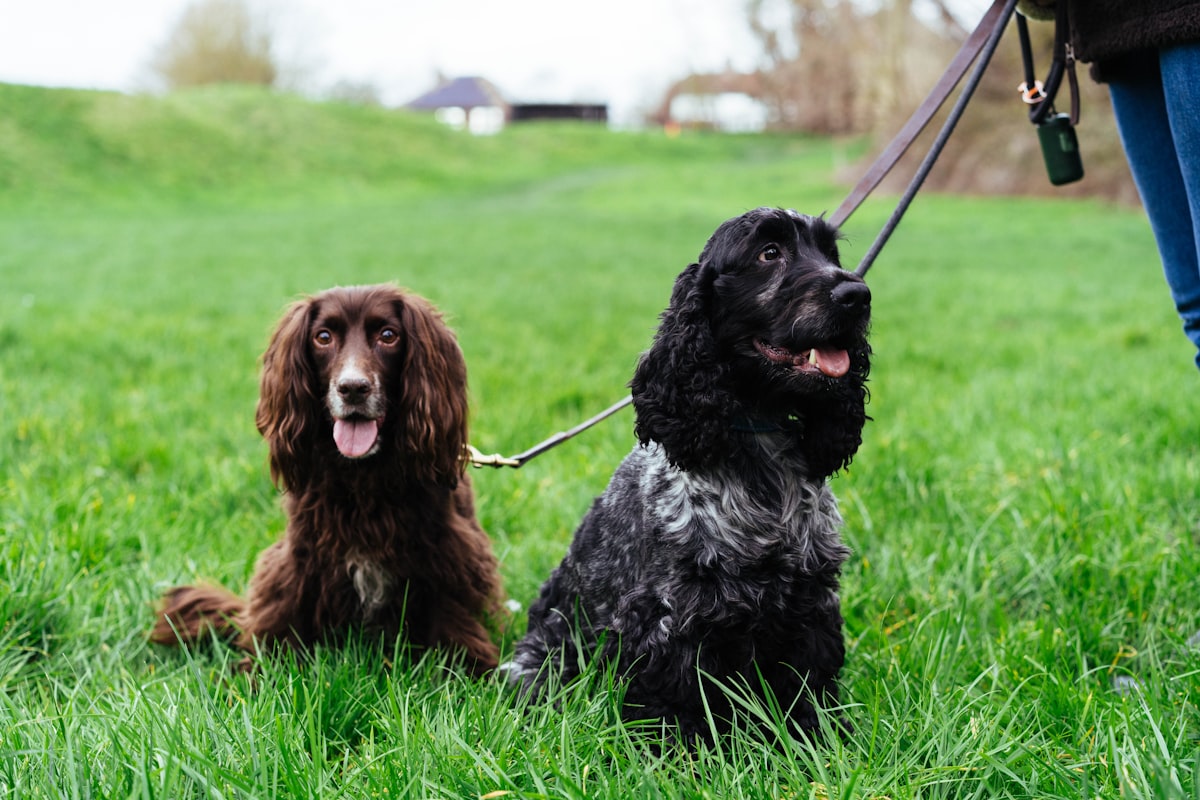
Multiple dogs multiply the complexity. A few adjustments keep group hikes manageable.
Single file is mandatory when passing others. If you're hiking three abreast with two dogs, you're taking the entire trail. Nobody can pass cleanly. Condense before encounters happen.
Designate a lead dog handler. This person manages the pace and makes passing decisions. Following dogs space themselves at intervals behind. If the lead handler steps off, everyone steps off in sequence.
Match leash lengths across the group. One person with a six-foot leash and another with a two-foot leash creates chaos when condensing. Standardize before you hit the trail.
Prevent dog-to-dog greetings during passes. Even if all your dogs are friendly, stopping to let them sniff the oncoming hiker's dog blocks traffic. Save socializing for rest stops.
The slowest reactor sets the pace for passing maneuvers. If one dog in your group needs ten seconds to settle, everyone waits ten seconds. Rushing creates incidents.
Narrow Trails and No Escape Scenarios
Some trails don't have a downhill side. Cliff edges. Thick brush. Rocky scrambles where stepping off isn't an option.
Communicate early. The moment you see someone, call out and start problem-solving together. Yelling "no place to step off here" tells them you need their input on a solution.
Sometimes backing up is the answer. If you're closer to a wide spot behind you than they are to one ahead, reverse. Yes, walking backward on a trail with a dog is awkward. It's still better than a cliffside standoff.
Use turnouts strategically. On popular narrow trails, mental map the wide spots. When you approach one, check ahead for oncoming hikers. Wait at the turnout rather than entering a section where you'll meet midway.
Rock hopping changes the equation. If passing requires scrambling across boulders, communicate who will hold position and who will traverse. One party moving at a time prevents collisions.
The Yield When Wrong Rule
Sometimes you misjudge. You think you have right of way but they've already committed. You're both moving toward each other at the same pace in the same space.
Yield anyway.
Being right matters less than being safe. If yielding prevents a collision or a dog incident, take the loss. Pride costs nothing. Injuries cost a lot.
This applies double when the other party has a dog too. Two dogs that don't want to yield to each other can escalate fast. Break the tension by being the one who steps aside first, every time.
Scout and I have yielded to people who definitely should have yielded to us. It took five extra seconds. Nobody got hurt. We moved on.
Teaching Your Dog the Wait Command for Passes
The single most useful trail command for passing situations is a solid "wait."
Wait means stop moving and don't resume until released. It's different from "stay" because you're not asking for a specific position. Just a pause.
Practice at home first. Walk toward a doorway. Say "wait" and stop. If your dog stops with you, reward. If they walk ahead, restart. Build the association between the word and the action of pausing.
Increase duration gradually. First wait for one second. Then three. Then ten. Always release with a consistent word like "okay" or "free."
Add distractions. Practice wait while someone walks past in your house. Then in your yard. Then on a quiet trail. Then on a busier trail.
The goal is a wait that holds regardless of what's happening around you. Our article on perfecting the wait command at trail junctions covers the full progression.
Emergency Commands Save Lives
Wait is just one of several emergency commands every hiking dog should know. A solid recall, a down at distance, and a leave-it can prevent disasters on the trail.
Reading Other Hikers Before They Reach You
Body language tells you how to handle an approaching encounter before anyone speaks.
Hikers who make eye contact and smile are usually fine with passing close. They're acknowledging you. They're probably dog people themselves.
Hikers who look away or speed up might be uncomfortable with dogs. Give them extra space. Don't take it personally.
Hikers who stop and brace are expecting your dog to cause trouble. Maybe they've had bad experiences. Step way off trail and keep your dog fully controlled. Prove them wrong without saying a word.
Parents with small children get maximum courtesy. Kids move unpredictably. They might run toward your dog or scream suddenly. Neither reaction helps anyone. Wide berth. Short leash. Calm movement past.
Other dog handlers get assessed by their dog's body language, not their own. A stiff dog with forward weight and locked stare means potential conflict. A loose, wiggly dog probably wants to play. Adjust your distance based on what the other dog is broadcasting.
After the Pass
Don't immediately let your leash out to full length. Wait until the other party is well behind you. Some dogs wheel around for a second look. Give yourself time to correct if needed.
A quick "thanks" to someone who yielded nicely costs nothing and builds trail community. Positive interactions make people more likely to be gracious with the next dog owner.
If something went wrong, own it. A genuine "sorry about that, we're working on it" goes further than pretending nothing happened. Other hikers appreciate honesty about training struggles.
Mental note what worked and what didn't. Each encounter teaches something. Maybe you found a better cue word. Maybe you learned your dog struggles with certain scenarios. Use that information on the next hike.
Frequently Asked Questions
Sara founded Paths & Paws to share field-tested advice with fellow dog hikers. She believes every dog deserves time on the trail.