 Paths & Paws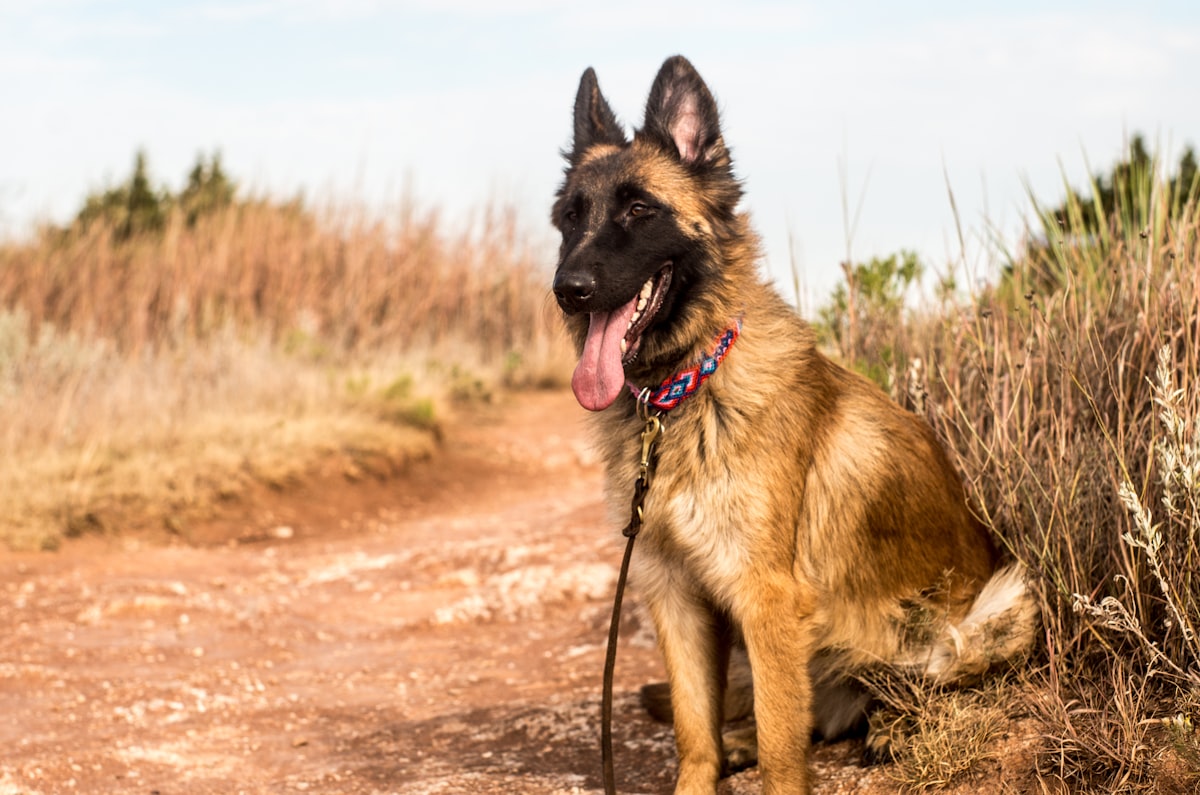
Key Takeaways
- 1Fast movement triggers prey drive in many dogs, not aggression
- 2Distance is your best friend during initial training stages
- 3Reward calm behavior before bikes get close, not after reactions
- 4Consistency across many exposures builds reliable responses
- 5Some dogs need professional help for severe bike reactivity
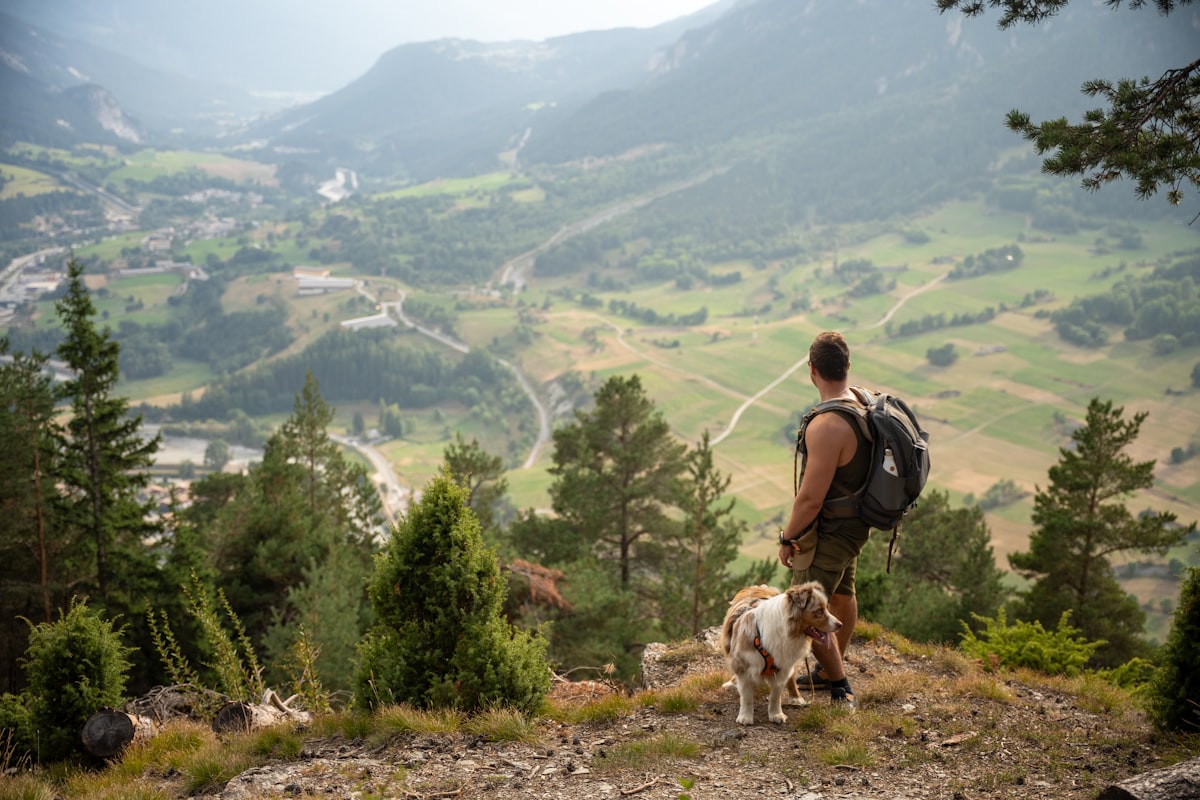
Bodie, my 9-year-old Australian Shepherd, used to lose his mind when mountain bikers appeared. The first time it happened on the Pine Creek trail, he lunged so hard he nearly pulled me off my feet. His herding instincts saw a fast-moving object that needed corralling. I saw a potential disaster.
That was six years ago. Now Bodie watches bikes pass with mild interest, sometimes glancing at me for a treat. The transformation took about four months of consistent work.
Why Dogs React to Bikes
When you understand the trigger, addressing it gets easier. Mountain bikes present a specific combination of stimuli that many dogs find overwhelming.
Movement is the primary trigger. When I filmed Bodie's reactions in slow motion, I could see his pupils dilate the instant a bike entered his peripheral vision. Fast lateral movement activates prey drive. The chase-retreat pattern when bikes pass reinforces reactive behavior. Spinning wheels create visual fixation points.
Sound compounds the problem. Bodie's ears would swivel toward bike noise before the rider appeared. The mechanical clicking from derailleurs, tire noise on gravel, rider calls. All of it added to his arousal.
Dogs aren't being bad when they react to bikes. They're responding to triggers that evolution programmed them to notice. Training helps them override those instincts with learned responses.
Note
Herding breeds like Bodie react most strongly to bikes. Their breeding selected for exactly this response to fast-moving objects. I've worked with Border Collies who needed six months of training versus Labs who got it in six weeks.
The Foundation: Distance Management
Before any training begins, you need to manage situations so reactions don't happen. Every reactive outburst reinforces the behavior pattern. With Bodie, I counted. In the first month before I understood this, he had 12 reactive incidents. Each one made the next one more likely.
To find your threshold distance, station yourself where you can see bikes coming. I used a bench near a multi-use trail junction. I brought a notebook and recorded Bodie's reactions at different distances.
His threshold was about 45 feet. Closer than that, tension visible. Beyond that, he could notice bikes without reacting. Your dog's number will be different.
Counter-Conditioning Protocol
This technique changes your dog's emotional response to bikes. Instead of "bike = chase target," you build "bike = treats from my person."
I developed a four-phase protocol with Bodie that worked well.
Weeks 1-2: Distance work. I positioned us 60 feet from a bike path. The instant Bodie noticed a bike, I said "yes!" and fed him chicken. Didn't ask for anything. Just rewarded noticing. We did this for 20-30 minutes, three times per week. By week two, he was looking at bikes and then immediately looking at me.
Weeks 3-4: Decreasing distance. I moved to 50 feet. Same protocol. Then 40 feet. When he showed stress at 35 feet, I backed up to 45. Watched for lip licking, yawning, stiff posture. Any stress meant I'd pushed too fast.
Weeks 5-8: Trail integration. Started using the protocol on actual trails. Created distance when bikes approached. Rewarded heavily for calm responses. Kept success rate above 80% before increasing difficulty.
Pro Tip
Use extremely high-value treats. Regular kibble won't compete with the excitement of a passing bike. I went through about 3 pounds of rotisserie chicken during Bodie's training. Worth every penny.
The "Watch Me" Emergency Protocol
Sometimes bikes appear suddenly with no warning. I needed a tool for unexpected situations.
This cue took two weeks of foundation work before I trusted it on trail.
At home, I said "watch me" and held chicken by my face. The moment Bodie made eye contact, I marked and treated. I practiced until "watch me" produced instant eye contact even with distractions like the cat walking by or food on the floor.
Then I brought it to trails. The first time I needed it for real, a bike came around a blind corner at 20 feet. I said "watch me" and Bodie locked onto my face. The bike passed. I gave him the whole bag of treats.
Stationary Bike Practice
Before moving to real trails, I borrowed my neighbor's mountain bike and worked with Bodie in our backyard.
Day one, the bike just leaned against the fence. I fed Bodie near it. Day two, I rolled the wheels while he watched from 30 feet. Treat for calm. Day three, my wife sat on the bike while stationary. Day four, she slowly pedaled around the yard while I worked with Bodie at distance.
By day seven, she could ride past us at 15 feet while Bodie watched calmly. This removed novelty before real trail encounters.
On-Trail Management During Training
While working through the protocol, you still need to hike. I developed management strategies that prevented setbacks.
I checked trail conditions before heading out. Weekday mornings meant fewer bikers. I chose trails with good sightlines so I could see bikes coming. When bikes approached, I stepped 20 feet off trail into trees and asked Bodie to sit.
I thanked bikers who slowed down. Most appreciated the heads-up. "Training in progress" became my standard phrase.
I avoided the popular multi-use trails until week eight. Narrow trails with blind corners were off-limits until month four.
What Not to Do
I made mistakes early in Bodie's training that slowed our progress.
I tried yelling "no" when he reacted. That just added stress to an already stressful situation. He didn't learn what to do instead. Tight leash tension communicated my own anxiety, confirming there was something to worry about.
I tried a "just expose him" approach once. Walked him right up to a stationary bike and let him sniff it. He was fine until the rider moved. Then he lost it completely. Flooding doesn't work for most dogs.
Total bike avoidance wasn't an option either. Dogs don't habituate to triggers they never encounter.
When to Seek Professional Help
Some dogs need more than owner-led training. I recommend professional guidance when your dog redirects aggression to you during episodes. The same applies when behavior plateaus after 6-8 weeks of consistent work. A behavior consultant can also help distinguish fear-based reactions from prey drive. And honestly, sometimes our own stress about encounters gets transmitted down the leash and affects training outcomes.
A friend's German Shepherd had such severe bike reactivity that she couldn't make progress alone. Three sessions with a certified behavior consultant gave her the tools and confidence to continue. The dog is now reliable on multi-use trails.
Building Long-Term Reliability
Bodie's training is technically "complete." But I still reinforce it.
I carry treats on every hike and randomly reward calm responses to bikes. Not every time anymore. Maybe one in five. Variable reinforcement maintains the behavior without constant treating.
Last spring, after a winter with few bike encounters, I noticed Bodie getting a little tense around bikes again. Two dedicated training sessions at the bike path brought him back. Don't assume good behavior will persist without occasional maintenance.
Frequently Asked Questions
Sarah is a certified canine fitness trainer with a background in veterinary rehabilitation. She focuses on injury prevention, proper conditioning, and training techniques for trail dogs.