 Paths & Paws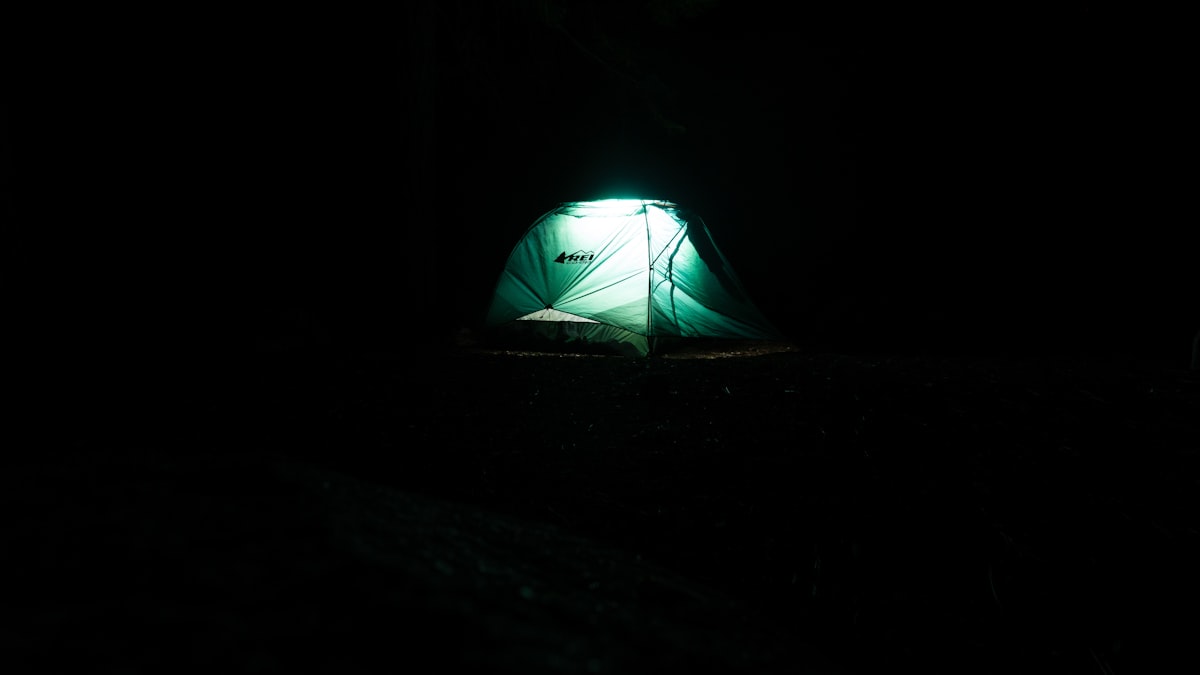
Day hiking success doesn't automatically translate to overnight readiness. Spending a night in the backcountry with your dog introduces new challenges: sleeping in an unfamiliar tent, managing food in bear country, maintaining warmth, and handling the sounds and stimulations of a wild night. Jasper's first overnight involved zero sleep for either of us. Now, with proper preparation, he settles into camp like a routine.
Key Takeaways
- 1Practice tent sleeping at home before your first backcountry night
- 2Choose an easy first trip: short mileage, mild weather, familiar terrain
- 3Additional gear weight means reconsidering what your dog carries
- 4Evening and night routines should be practiced before the trip
- 5Have realistic expectations - first trips rarely go perfectly
New challenges beyond day hiking
Overnight trips introduce several elements day hikes don't. Extended duration means your dog needs to pace energy across miles plus hours at camp plus the next day's hiking. Tents create a novel sleeping environment that feels strange to dogs, and unfamiliar sounds trigger alertness. Food management becomes complex when multiple meals must be carried and stored properly. Temperature fluctuation catches many first-timers off guard since nights get cold, even in summer, even after hot days. Wildlife activity increases because many animals are more active at night, and your dog will notice. Bathroom logistics matter too, since where and when your dog relieves themselves in camp affects Leave No Trace principles.
Preparation step 1: Tent training
Before your trip, familiarize your dog with tent sleeping. Set up your tent at home in the backyard or living room and let your dog explore it freely. Create positive associations by feeding meals in the tent and giving treats for calm behavior inside. Practice having your dog lie down and reward settling on their sleeping pad inside the tent. Build duration gradually, starting with minutes, working up to naps, then overnight sleeps. Once your dog is comfortable, add realism by setting up in the backyard and spending actual nights outside before backcountry trips.
Pro Tip
The first time your dog sleeps in a tent shouldn't be miles from the trailhead. Backyard overnights reveal problems while you still have easy solutions.
Preparation step 2: Gear testing
Test all gear before relying on it in the backcountry. Your dog needs insulation from cold ground, so practice settling on their sleeping pad at home. If your dog will use a sleeping bag or blanket, introduce it during home tent sessions. Booties require attention if campsite terrain needs protection, so ensure your dog accepts them after a day of hiking. Practice using headlamps around your dog since some dogs react to moving light beams. Whatever tether system you'll use to secure your dog at camp, test it first to work out any issues.
Choosing your first overnight trip
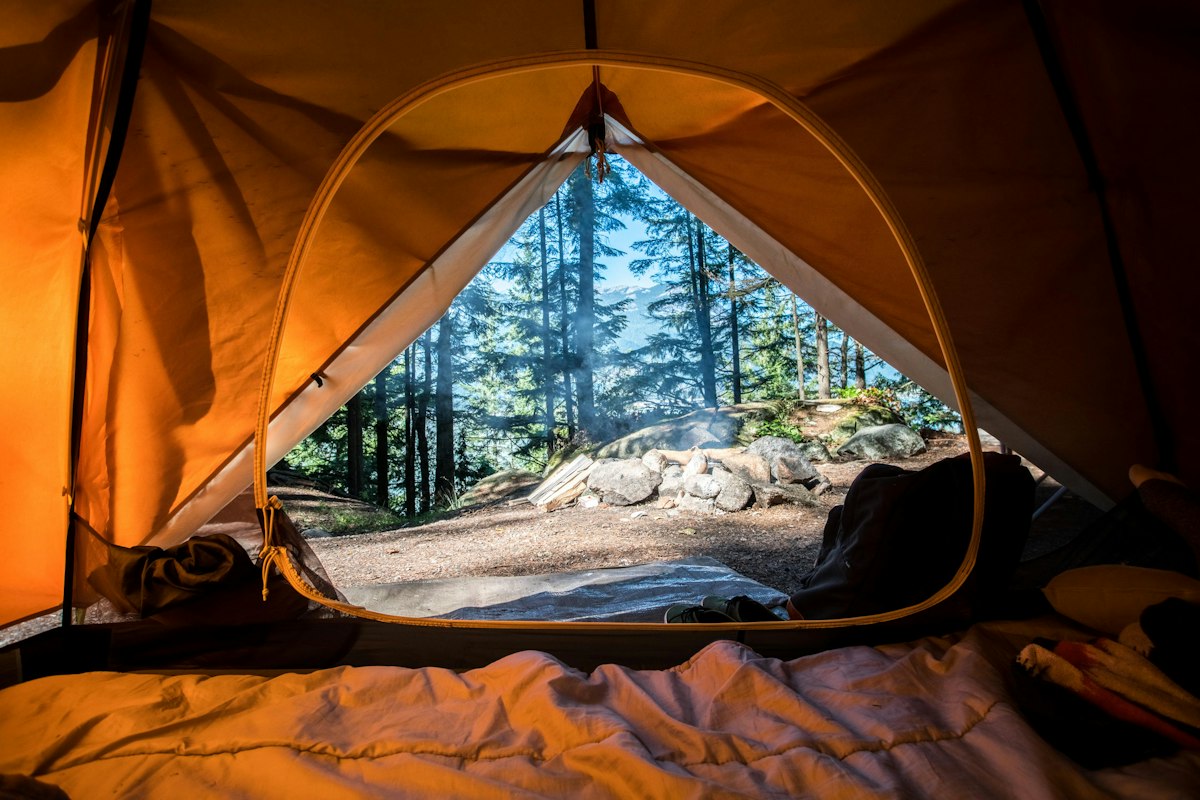
Set yourself up for success with smart trip selection. Keep mileage short at 3-5 miles to camp, which leaves energy reserves for settling in and hiking out. You can always do bigger trips later. Choose easy terrain and save technical challenges for when overnight logistics are comfortable. Wait for a good weather window with a forecast showing minimal rain, moderate temperatures, and low wind. Pick a familiar area on a trail you've day-hiked to remove navigation stress. Identify an accessible bailout so that if things go wrong, you have an easy exit option. Always verify dogs are allowed for overnight camping, not just day hiking, since regulations differ.
Packing considerations
Your pack gets heavier for overnights, and planning prevents problems. Dog food adds up quickly since 24+ hours means more meals, so plan calories per day plus extra. Know your water sources or carry enough for your dog's overnight and morning needs. Sleeping gear includes a pad, blanket or bag, and potentially a warm layer for your dog. Waste management requires thought because more time means more poop, so plan your strategy. First aid additions make sense since overnight trips warrant slightly larger, more complete kits. Bear canisters or hang supplies become mandatory in many areas for food storage.
Note
Reconsider your dog's pack weight for overnight trips. A dog carrying 15% body weight for 5 miles may struggle carrying that same weight for 10+ miles across two days.
Setting up evening routines
Predictable routines help dogs relax in novel environments. Stick to your dog's normal feeding time as closely as possible. Walk your dog away from camp for a last bathroom break and final evening relief. Use the same settling cues, commands, and rituals you use at home for bedtime. Decide where in the tent your dog will sleep and enforce that position consistently. Establish a night sounds protocol and decide how you'll respond when your dog alerts to sounds, since reassurance works better than scolding.
Managing nighttime challenges
Even prepared dogs face overnight challenges that require patience. When your dog alerts to sounds, calm reassurance helps more than frustration. A simple "Yes, I hear it too, we're fine, settle down" works wonders. Keep a leash accessible for bathroom needs because if your dog needs out, better to handle it than fight it. Have layers ready for temperature changes since a dog who starts the night warm may need covering by 3 AM. Some dogs experience restlessness and take time to settle, and first nights are often rougher than subsequent ones. If animals approach camp during wildlife encounters, stay calm because your dog takes cues from you.
Food storage with dogs
Your dog's food requires the same care as yours in the backcountry. Store dog food inside bear canisters the same as human food. Include dog food in bear hangs alongside your meals. Keep the cooking and eating area 200 feet from the sleeping area for campsite layout, and feed your dog there, not in the tent. Clean bowls go in the canister or hang for bowl management, not in your tent where scent lingers. Empty harness pockets and training pouches of treats into proper storage at night.
Warning
Dog food attracts bears just like human food. Improper storage teaches bears that dog campers equal easy meals. Protect wildlife by managing your dog's food as carefully as your own.
The morning after
Your first backcountry morning continues the learning process. Start with an assessment of how your dog slept and check for any stiffness or soreness. Give breakfast with enough time to digest before hiking out. Dogs can help carry weight again during packing, adjusted for fatigue from the previous day. Expect that yesterday's miles plus broken sleep may mean slower hiking, so adjust your pace. Take time for evaluation of what worked and what needs adjustment for next time.
Building toward longer trips
Use early overnights as stepping stones to bigger adventures. Master single nights first before attempting multi-night trips. Add elements gradually, introducing cold weather, longer miles, or technical terrain one variable at a time. Regular day hikes between overnights maintain fitness and conditioning. Each trip teaches something through feedback that you should process and apply to the next adventure.
Frequently Asked Questions
Kelly has logged over 5,000 trail miles with his dogs across the American West. He specializes in backcountry expeditions and gear testing for large breeds.