 Paths & Paws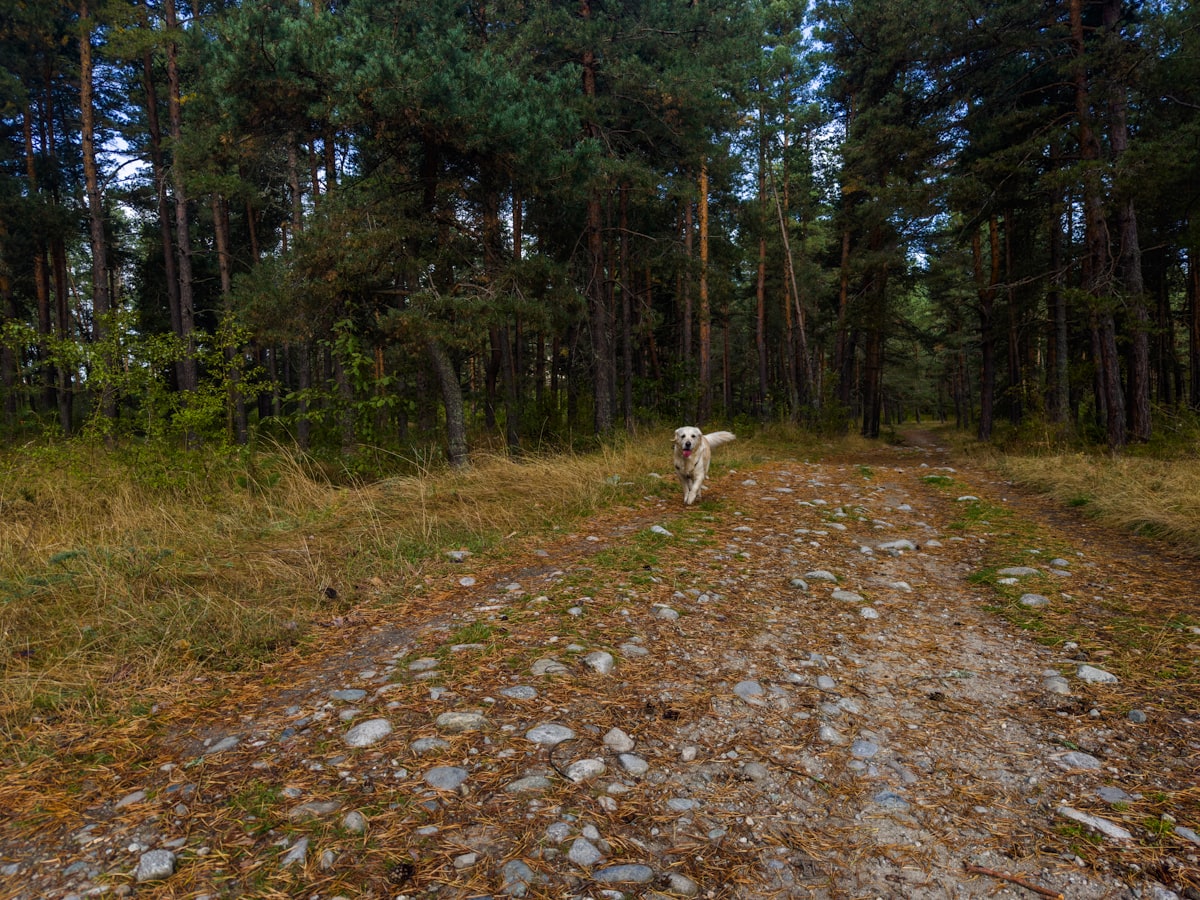
Cedar gets fed at 5 AM when we have an early trailhead start. By the time we're hiking at 7, her stomach has emptied enough for comfortable movement without the risk of exercising on a completely empty stomach. The timing matters more than most people realize. Getting it wrong can mean vomiting, discomfort, or in the worst case, gastric dilatation-volvulus (bloat).
Key Takeaways
- 1Allow 1-2 hours between a normal meal and vigorous hiking
- 2A small snack 30-60 minutes before is fine for most dogs
- 3Never hike immediately after a large meal - bloat risk is real
- 4Deep-chested breeds need extra caution around meal timing
- 5Consider your dog's individual digestion patterns
The digestion timeline
What happens after eating? Knowing the timeline helps you plan better. In the first 30 minutes, food is still in the stomach. The stomach is full and heavy, and movement can cause discomfort and sloshing. Between 30 and 60 minutes, the stomach begins to empty. Most of the meal has moved to the small intestine, and light activity is usually fine.
At the 1-2 hour mark, the stomach is largely empty and food is being absorbed. Most dogs are ready for moderate activity. After 2 hours, digestion is well underway with no restrictions from meal timing.
These times vary by meal size, food type, and individual dog.
Warning
Exercising with a full stomach increases bloat risk, especially in deep-chested breeds like Great Danes, German Shepherds, and Standard Poodles. This condition can be fatal within hours.
The 1-2 hour rule
For most situations, wait 1-2 hours after a full meal before hiking. The bigger the meal, the longer the wait. A large breakfast needs more digestion time than a small one. Activity intensity matters too. A gentle walk can happen sooner than a strenuous mountain hike. Watch your dog and learn their patterns. Some dogs handle exercise sooner; others need longer.
Small snacks are different
A small pre-hike snack follows different rules than a full meal. You can offer a snack 30-60 minutes before hiking without issues for most dogs. Keep the amount small, just a few training treats or a small handful of kibble rather than a full portion. The purpose is to provide energy for the hike without filling the stomach. Skip the snack if your dog is prone to upset stomach or if the hike is short enough that they don't need the extra fuel.
Morning hike feeding strategies
Several approaches work for early starts, and you'll need to experiment to find what works best for your dog.
The early breakfast approach works well for dogs who genuinely need morning food to function. Feed a full meal 2 hours before the hike, which means waking earlier to accommodate the timing. This approach requires the most schedule adjustment but keeps your dog's routine intact.
Some dogs do better with a small snack only. Give a handful of kibble or a few treats 30-60 minutes before hiking, then feed the main meal after returning home. This works for dogs comfortable hiking on a lighter stomach who don't need full fuel to maintain energy.
Post-hike feeding skips pre-hike food entirely. Your dog eats only after returning from the trail. This approach suits short morning hikes and dogs who tolerate fasting without energy crashes or bile vomiting.
Split meals offer a middle ground that works for many dogs. Provide a small amount before hiking and the larger portion after. This provides energy without filling the stomach, avoiding both the discomfort of hiking on a full stomach and the risks of hiking completely empty.
Signs of poorly timed feeding
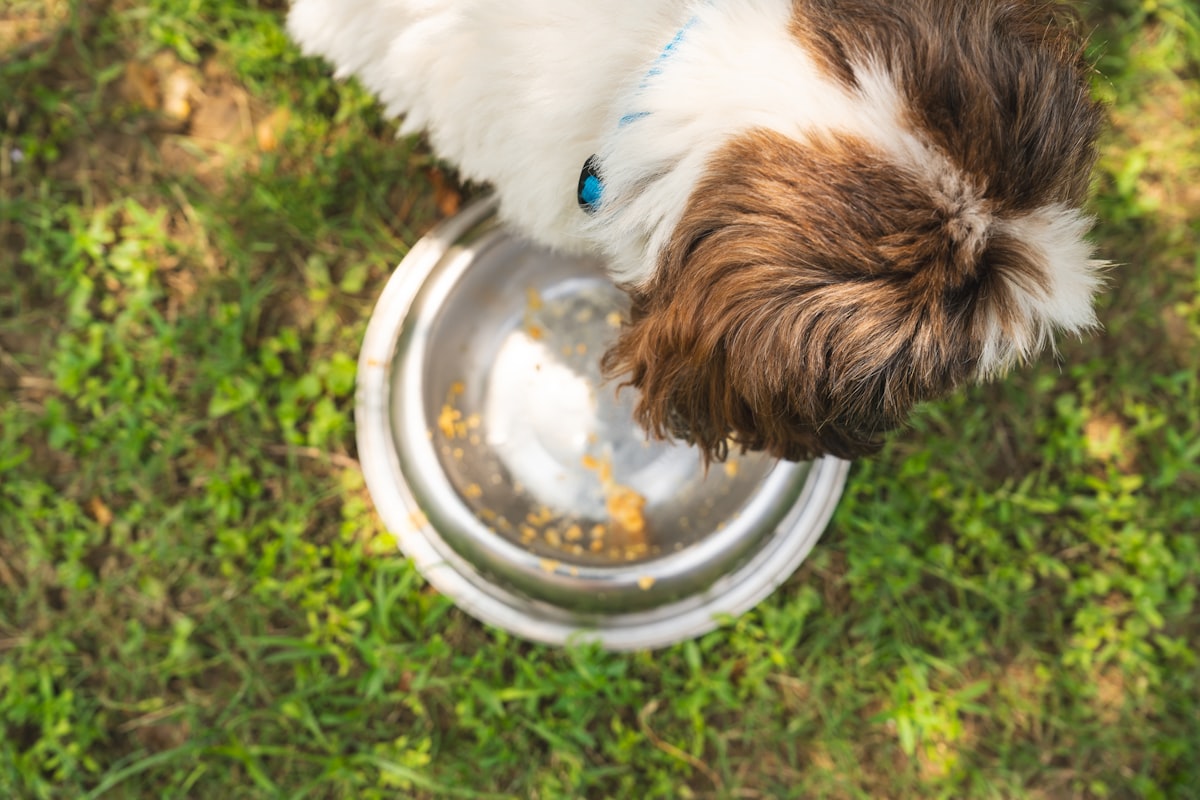
Watch for these problems during the hike. Vomiting or retching, excessive drooling, reluctance to move, abdominal discomfort, and decreased energy despite not being tired all signal poor timing. After the hike, persistent stomach upset, diarrhea, or reduced appetite at the next meal signal timing issues.
If you see these consistently, adjust your feeding timing.
Pro Tip
Keep a log of feeding times and hike quality until you find your dog's optimal schedule. What works for one dog may not work for another.
Bloat prevention
Gastric dilatation-volvulus (GDV) is life-threatening and worth understanding. Risk factors include a deep, narrow chest (large breeds especially), eating quickly, large meals, exercise immediately after eating, stress or anxiety, and family history.
Prevention involves waiting 1-2 hours after meals before vigorous exercise, feeding smaller and more frequent meals, using slow-feeder bowls if your dog gulps food, and avoiding elevated food bowls, contrary to old advice. Know the symptoms. A distended abdomen, unproductive retching, restlessness, drooling, and obvious distress all indicate a potential emergency.
Bloat is an emergency. Get to a vet immediately if you suspect it.
Water timing is different
Water follows different rules than food. Offer water freely before hiking since hydration is important. Continue offering water regularly during the hike. Small amounts of water with food are fine. Don't restrict water to manage digestion unless your vet advises it for a medical condition.
Food type considerations
Different foods digest at different rates. Dry kibble absorbs water and expands, so allow more time. Wet food generally digests faster than kibble. Raw diets vary by composition, so observe your dog's patterns. High-fat foods digest more slowly and need extra time. Treats and training rewards in small amounts digest quickly and usually don't affect timing.
Individual variation
Every dog is different. Dogs with sensitive stomachs need longer gaps between eating and exercise. Some dogs have iron stomachs and tolerate earlier activity. Puppies may need food closer to activity due to faster metabolism. Senior dogs may have slower digestion requiring longer waits. Anxious dogs process stress through their digestion and may need adjusted timing.
Learn your specific dog's needs through observation.
Multi-day trips
Extended adventures require different thinking. Breakfast timing may not always allow a 2-hour wait, so adjust portion size instead. During hiking, small snacks throughout the day work better than large meals. Eat dinner early enough to allow digestion before bed. Watch the total intake. Active dogs need more calories but still need appropriate timing.
Frequently Asked Questions
Dr. Jennifer Coates, DVM, brings 25+ years of clinical experience to Paths & Paws. Based in Fort Collins, Colorado, she specializes in preventive medicine and evidence-based nutrition for active dogs.