 Paths & Paws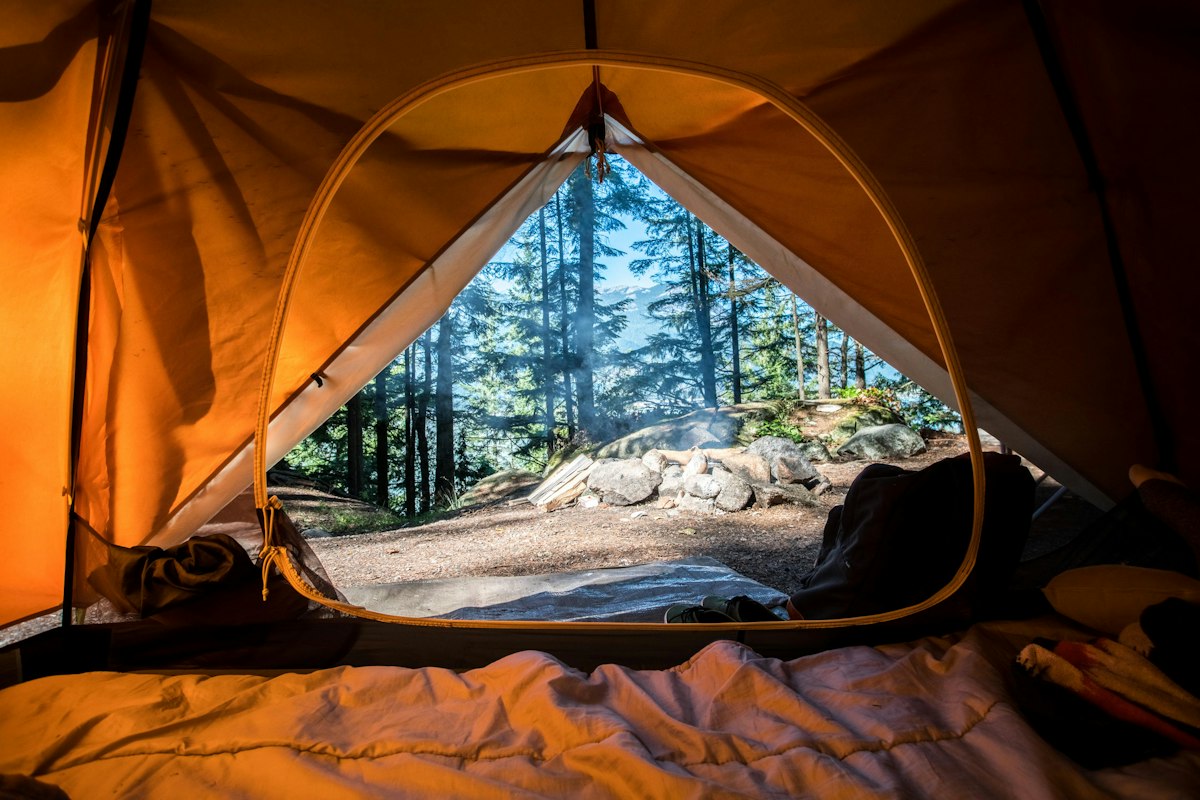
You've hiked all day. The tent is pitched. Now comes the negotiation: where does the dog sleep?
This seems simple until you're actually in a small tent with a dog who wants to be on top of you, has cold paws, and keeps repositioning at 2 AM. Planning the sleeping arrangement in advance leads to better nights for everyone.
Key Takeaways
- 1Dogs should sleep inside the tent, not tied outside
- 2Protect tent floor and sleeping pad from nails
- 3Temperature management keeps everyone comfortable
- 4Establish a spot before the trip, not during
Inside vs. Outside: Not Really a Debate
Some people tie dogs outside the tent at night. This is a bad idea.
Wildlife encounters happen at night, and a tethered dog can't escape a curious bear, porcupine, or skunk. They also can't alert you well while separated. Temperature drops overnight, and even hardy dogs can get too cold when stationary for hours without the insulation of tent and shared body heat. Theft happens, even in backcountry. An unattended dog is vulnerable to opportunistic people. Night anxiety affects many dogs in unfamiliar places, and being outside alone amplifies fear behaviors.
The only exception is sled dogs and some working breeds trained for outdoor sleeping in specific conditions. Your average pet hiking dog is not in this category.
Your dog sleeps inside the tent. The question is where inside.
Position Options
Foot of Tent
Most hikers default to this setup. Your dog curls up at your feet, either on or next to your sleeping bag.
You keep more room for yourself, their body heat warms your feet, and everyone has clear territory. Small tents can make this cramped, though. Expect your dog to inch closer throughout the night, and watch out for accidental kicks.
Along Your Side
Picture your dog stretched out parallel to you, pressed against your sleeping bag or pad.
Shared warmth works well here, and plenty of dogs prefer being this close. If your dog already sleeps beside your bed at home, this feels natural. Trade-offs include less sleeping space for you, getting jostled when your dog repositions, and dealing with a wet or muddy coat pressed against your bag.
Between Partners
Two hikers? Put your dog in the middle, nestled between both sleeping bags.
Everyone shares warmth this way, and most dogs feel secure surrounded by their people. Both humans split the inconvenience equally. Just make sure you have width for three bodies. Movement disturbances hit both sleepers, and some dogs still try to migrate elsewhere despite the cozy spot.
In Their Own Bed
Give your dog a separate pad or bed with dedicated space.
Boundaries work well when both species know where to be. Your gear stays protected from nails and dirt, and over time your dog builds independence. You do sacrifice floor space, add weight to your pack, and may find that some dogs refuse to stay put no matter how nice their spot looks.
Practice at Home
Test your sleeping arrangement at home before the backcountry. Set up your tent in the backyard. Sleep with your dog inside. Discover problems before they matter.
Protecting Your Gear
Dog nails and tent floors don't mix well. Neither do dog nails and sleeping pads.
Floor Protection
Lay a ground cloth inside your tent to add a barrier between nails and floor fabric. Tyvek works well for this since it's durable, lightweight, and cheap. Dedicated dog sleeping pads with tough surfaces resist puncture better than standard human pads. File your dog's nails before trips too. Sharp edges cause most of the damage.
Sleeping Pad Protection
Inflatable pads are vulnerable. One misplaced paw or a dog settling down for the night can puncture your pad, leaving you on cold ground until morning.
Foam pads solve this problem entirely. Closed-cell foam won't puncture. Yes, they're heavier, but also indestructible. Prefer your inflatable? Cover it with a thin blanket or pad protector to prevent direct nail contact. Or give your dog their own sleep surface so they never touch your pad.
Sleeping Bag Protection
Fur, dirt, and moisture all contaminate sleeping bags over time. Down loses loft when dirty. Synthetic bags hold up better but still get gross.
A washable bag liner protects your investment since cleaning a liner beats cleaning the whole bag. Let your dog sleep on top of your bag, not inside it. You still share warmth but keep the interior clean. Pack a small towel to wipe them down before bed.
Temperature Management
Cold Weather
Lying on cold ground drains body heat from dogs just like it does from humans. Insulation matters.
Give your dog a sleeping pad to create a thermal barrier. Foam pads, dedicated dog pads, or even folded blankets all work. Cold-sensitive breeds may need a dog sleeping bag or insulated jacket. Position your dog to share body heat without compromising your own insulation.
Having both human and dog breathing in a tent raises interior temperature noticeably. On cold nights, this helps. Just don't zip everything closed. Condensation from all that breathing needs somewhere to escape. Balance warmth with ventilation.
Warm Weather
Bodies generate heat. Tents trap it. Add a dog and temperatures climb fast.
Open all mesh panels and vents to maximize airflow. When conditions allow, sleep with the rainfly off entirely. No rain expected and bugs are tolerable? Ditch the fly. Skip insulation your dog doesn't need. Leave the dog sleeping bag at home in summer.
Watch for Overheating
Dogs pant to cool down. If your dog is panting heavily at night, the tent is too hot. Open more ventilation or move your dog away from you to reduce heat concentration.
Training for Tent Sleeping
First-timers often struggle. Strange smells, unfamiliar sounds, weird lighting. Everything feels wrong to a dog who has never slept in a tent. Prepare them before the trip.
Tent Familiarity
Pitch the tent in your backyard. Let your dog wander in and out freely. Feed them inside. Play games inside. Build positive associations before the stakes are high.
Staying in Place
Work on settling in a designated spot. A mat or bed they already recognize helps. Reward calm behavior and staying put.
Night Sounds
Play wilderness recordings at low volume while your dog rests. Owls, coyotes, wind through trees. Gradually turn the volume up over several sessions. This reduces startle responses when real sounds hit at 2 AM.
Duration Building
Dogs who already sleep in their own bed at home have a head start. If yours sleeps in your bed, tent independence becomes harder to establish. Start practicing separation well before your trip.
Problem Solving
Dog Won't Settle
A restless dog ruins sleep for everyone. What's causing it? Unfamiliar surroundings, temperature discomfort, needing to eliminate, wildlife sounds, or plain old anxiety. Sometimes all of these at once.
Tire them out before bed. A worn-out dog settles faster than an energized one. Stick to a consistent evening routine since the same sequence of dinner, final potty, and settling signals sleep time. Bring something from home that carries a familiar scent. Still restless? Take them outside for a quick potty break. Often that's the only issue.
Dog Leaves Their Spot
Even well-trained dogs migrate during the night. "Their spot" becomes a suggestion around 3 AM.
Accept some movement. Nobody stays perfectly still all night. Use physical barriers if needed. Position packs or gear to define sleeping zones. A short tether attached to the tent or your sleeping pad can also keep your dog in bounds.
Dog Barks at Sounds
Backcountry nights are loud in ways your dog has never experienced. Owls. Coyotes. Branches snapping. Some dogs bark at every single sound.
Ignore the barking when possible. Reacting to it reinforces the behavior. Stay calm and present without coddling. Steady energy helps anxious dogs more than fussing over them. If you've trained a "quiet" command, use it. Severe, constant barking that doesn't improve? This dog may not be suited for backcountry camping.
Tent Selection Considerations
If you haven't bought a tent yet or are considering an upgrade:
Size Matters
Standard tent ratings lie. A "2-person" tent barely fits one person and a dog. Two humans plus a dog? You need at least a 3-person tent.
Always add dog capacity to manufacturer ratings. "2-person plus dog" really means 3-person tent.
Vestibule Space
Roomy vestibules store dirty gear and provide overflow space for your dog in some conditions.
Floor Durability
Not all tent floors are equal. Check denier ratings when shopping. Higher numbers mean better puncture resistance from nails.
Layout
End-entry tents make it awkward to position a dog at your feet. Side entries with parallel layouts work much better for foot-of-bed arrangements.
Frequently Asked Questions
Kelly has logged over 5,000 trail miles with his dogs across the American West. He specializes in backcountry expeditions and gear testing for large breeds.