 Paths & Paws
Ruffwear Grip Trex vs Ruffwear Polar Trex
We may earn a commission if you make a purchase through links on this page. This helps support our testing methodology. Learn more.

Ruffwear Grip Trex

Ruffwear Polar Trex
The Short Version
- 1Grip Trex wins for three-season versatility and year-round trail protection
- 2Polar Trex performs best in genuine winter conditions below 30°F with snow
- 3Both share similar closure systems and sizing, making switching between them easy
- 4Grip Trex handles hot pavement; Polar Trex would overheat your dog
Quick Verdict
If you're buying one pair of boots, get Grip Trex. It handles three seasons well and works in mild winter conditions. Polar Trex only makes sense if you regularly hike in snow and sub-freezing temperatures.
Choose Ruffwear Grip Trex if:
You hike year-round and need one versatile boot that handles rocks, hot pavement, and moderate cold.
Choose Ruffwear Polar Trex if:
You live somewhere with real winters and your dog needs insulated paw protection below 30°F.
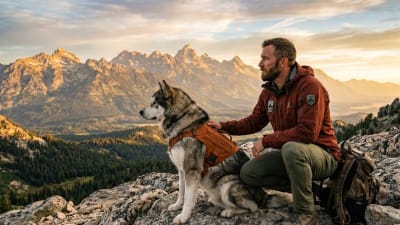
I tested both boots on Jasper, my Alaskan Malamute, over eight weeks across Colorado's varied terrain. Rocky trails in summer with Grip Trex. Snowy peaks in winter with Polar Trex. Same dog, same trails when possible, different seasons.
The verdict came down to this: most dogs need the Grip Trex far more often than the Polar Trex. Winter is only part of the year, but rough terrain happens constantly.
Specs Comparison
How We Tested This
We didn't just read the spec sheet. Kelly spent hours testing this product in real-world conditions, specifically evaluating:
My testing covered 50+ miles per boot across both seasons. For Grip Trex, that meant rocky scrambles up Green Mountain, hot parking lot walks at trailheads, and dusty single track through Chautauqua. For Polar Trex, I waited for snow at Brainard Lake and sub-zero mornings on the Peak to Peak Highway.
I checked paw pad condition after every hike, noted any hot spots, and tracked how long each boot stayed secure without adjustment.
Seasonal Versatility
Grip Trex works nine months of the year. Maybe ten in mild climates. The breathable mesh upper keeps paws comfortable in summer heat while the Vibram sole protects against sharp rocks and hot pavement.
Polar Trex only works in winter. Use it above 45°F and your dog's paws overheat. The insulation that makes it warm in January makes it miserable in May. I tried using Polar Trex on a cool spring morning once. My dog started limping from heat after half a mile.
For most hikers, this settles the debate. You need boots more often on rocky summer trails than snowy winter ones.
Terrain Protection
Grip Trex shields paws from the hazards you encounter most often. Sharp rocks. Hot asphalt. Rough scree fields. The standard Vibram compound grips well on granite and maintains flexibility through normal temperature ranges.
Polar Trex protects against cold, not terrain. The softshell upper is water-resistant but tears more easily than the reinforced mesh on Grip Trex. The cold-temperature rubber stays flexible below freezing but offers no advantage on summer rock.
After 100 miles of rocky terrain testing, my Grip Trex showed normal wear. After 30 miles of winter trails (softer surfaces), my Polar Trex had more fabric damage from occasional rock contact.
Cold Weather Performance
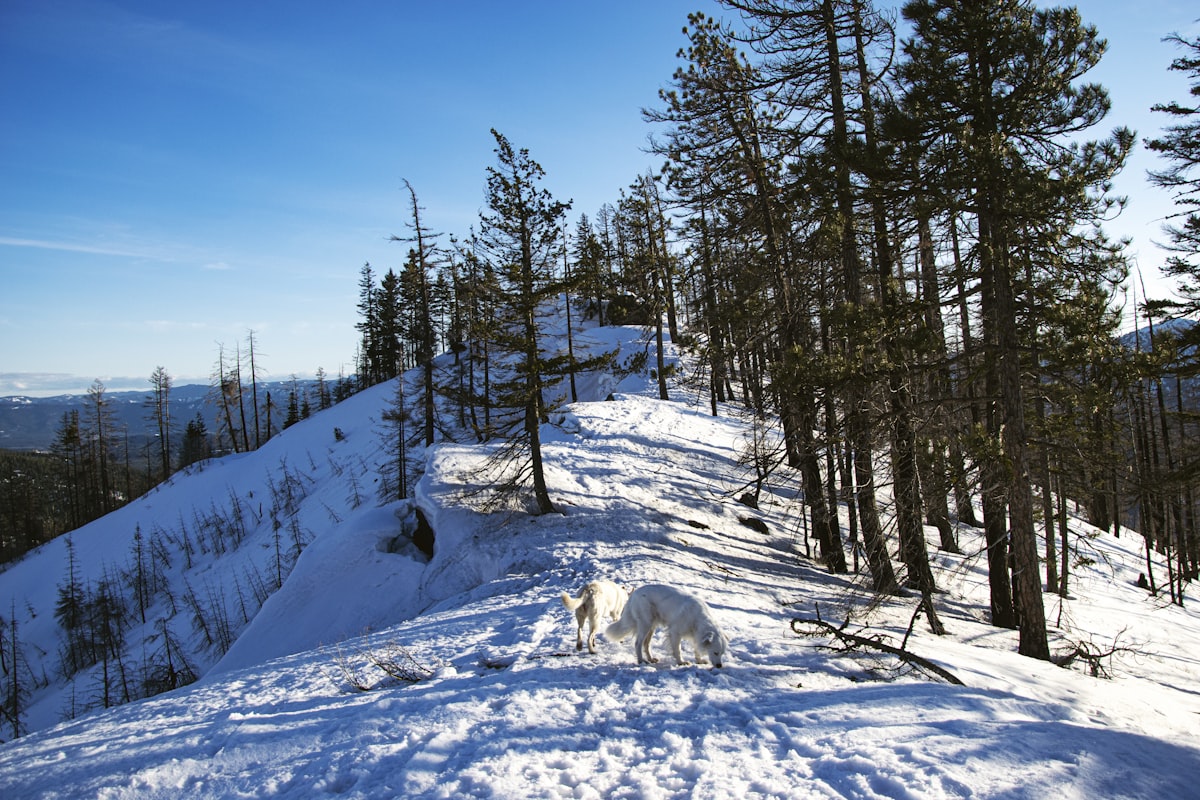
Polar Trex dominates below 30°F. The fleece-lined softshell upper keeps paws warm for hours. The stretch gaiter blocks snow from creeping in and prevents ice balls between toes.
Grip Trex provides no insulation. Below freezing, paws get cold. The mesh upper that breathes so well in summer becomes a liability when wind chill drops. I tried Grip Trex on a 25°F morning and turned around after 20 minutes when my dog started lifting paws.
For real winter hiking with prolonged cold exposure, Polar Trex wins clearly. The question is whether you hike in those conditions often enough to justify a dedicated boot.
Same Sizing, Easy Switching
Both boots use identical sizing. If your dog wears 2.75" Grip Trex, they wear 2.75" Polar Trex. Many serious hikers own both and swap based on forecast.
Value and Durability
Grip Trex costs $10-15 less than Polar Trex. That modest savings matters less than usage patterns. You'll wear out Grip Trex faster simply because you use it more months per year.
I expect 300-500 miles from Grip Trex boots. I expect 2-4 winter seasons from Polar Trex. Per-mile cost favors Grip Trex because winter hiking covers fewer total miles than three-season use.
Both boots are well-made. Neither falls apart prematurely. The durability question comes down to how much you use each one, and for most hikers, that favors the boot they can wear most of the year.
Pros & Cons Summary
Ruffwear Grip Trex
Pros
- Works spring through fall without overheating
- Handles hot pavement and sharp rocks equally well
- Dries fast after stream crossings
- Lower price point makes replacement easier
Cons
- No insulation for genuine cold weather
- Mesh upper lets cold wind through
- Snow can work its way inside without a gaiter
Ruffwear Polar Trex
Pros
- Fleece lining keeps paws warm below freezing
- Snow gaiter blocks ice balls between toes
- Cold-rated rubber stays flexible in winter
- Softshell upper resists light moisture
Cons
- Overheats quickly above 45°F
- Takes hours to dry if wet inside
- Only useful 3-4 months per year in most climates
Final Verdict
Ruffwear Grip Trex takes the win in this comparison.
For most hikers, Grip Trex is the better first purchase. It handles rocky trails, hot pavement, and moderate cold across nine months of the year. Polar Trex works best in winter conditions but sits unused the rest of the time. Unless you regularly hike below freezing with snow on the ground, start with Grip Trex.