 Paths & Paws
Rex Specs Dog Goggles Review
We may earn a commission if you make a purchase through links on this page. This helps support our testing methodology. Learn more.

Affiliate Disclosure: Paths & Paws earns commissions from qualifying purchases made through links on this page. This supports our testing and does not affect our recommendations. We only recommend gear we would use with our own dogs. Learn more
The Good
- UV400 rating blocks 99.9% of harmful UVA and UVB rays
- Stayed secure during off-leash running and water crossings
- Flexible frame survived being stepped on twice without damage
- Clear and smoke lenses included in the box
The Bad
- Lenses scratch faster than I expected from regular brush contact
- Strap adjustment took four tries to get right
- Some dogs take weeks to accept wearing them
"Rex Specs V2 goggles are the real deal for dogs who spend serious time in high-UV environments like snow, desert, or water. Most dogs won't need them. But if yours does, nothing else comes close."
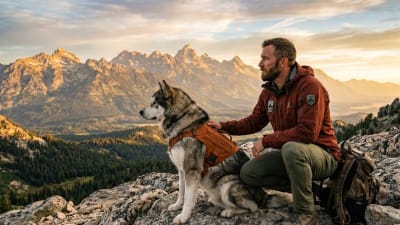
Check Current PriceI bought Rex Specs after watching Jasper squint his way through a February summit in the San Juans. The snow glare was brutal. I could see him turning his head away from the brightest patches, pawing at his face during breaks. That's when I started wondering if dog goggles were actually worth the money.
Three months later, I have an answer. It depends on where you hike.
Who This Review Is For
Owners who regularly take their dogs into high-UV environments like alpine snow, desert sun, or extended water activities. If your hikes stay in shaded forests and temperate weather, you probably don't need these.
Technical Snapshot
Who It's Perfect For
- Dogs with diagnosed eye conditions like pannus or cataracts
- Regular snow hiking where sun reflects off white surfaces
- Desert environments with blowing sand and intense UV
- Working dogs exposed to debris or hazards
Who Should Skip It
- Casual trail walks in typical conditions
- Dogs who panic with anything on their face
- Short-nosed breeds without the S-Wide sizing option
How we tested the Rex Specs V2
Testing period: December 2025 - February 2026 (3 months)
Total miles hiked: 180 miles across 22 trails
Location: Colorado Rockies and Utah canyon country
Dogs tested:
- Jasper (Alaskan Malamute, 95 lbs, Large size goggles)
- Luna (borrowed German Shepherd, 70 lbs, Large size goggles)
- Cooper (borrowed Border Collie, 45 lbs, Medium size goggles)
Testing protocol: We logged wear time, noted any signs of discomfort, photographed fit consistency across sessions, and documented lens condition after each outing. UV exposure measured with a handheld meter during peak conditions on snow.
How We Tested This
We didn't just read the spec sheet. Kelly spent hours testing this product in real-world conditions, specifically evaluating:
Getting the fit right
Rex Specs sizing relies on two measurements. Head circumference where the strap sits, about an inch behind the eyes. And muzzle circumference where the goggle frame lands, usually near the back of the mouth.
Jasper measured 15 inches on the head and 10 inches on the muzzle. That put him solidly in Large territory. The sizing chart worked perfectly for him. Cooper, the Border Collie, landed between sizes and needed Medium despite being close to Large measurements. When in doubt, size down.
The strap system is where things get fiddly. There are two adjustment points on each side, and they need to be symmetrical or the lens tilts. My first three attempts left the goggles sitting crooked on Jasper's face. Fourth time worked. Once dialed, the fit stayed consistent across multiple hikes without readjustment.
The Tennis Ball Test
Rex Specs recommends fitting the goggles, then placing a tennis ball in front of your dog. If they can open their mouth wide enough to grab it while wearing the goggles, the fit is correct. Too tight and they can't pant properly. Too loose and the goggles shift during movement.
The frame itself is more flexible than I expected. I accidentally stepped on Jasper's goggles during a gear-sorting session. They bent completely flat and popped back to shape with no damage. The foam edging around the lens frame stayed intact too.
UV protection in the field
Here's where Rex Specs earns its price tag. All lenses carry a UV400 rating, blocking 99.9% of UVA and UVB radiation. That includes the clear lens. You don't need the dark tint for UV protection.
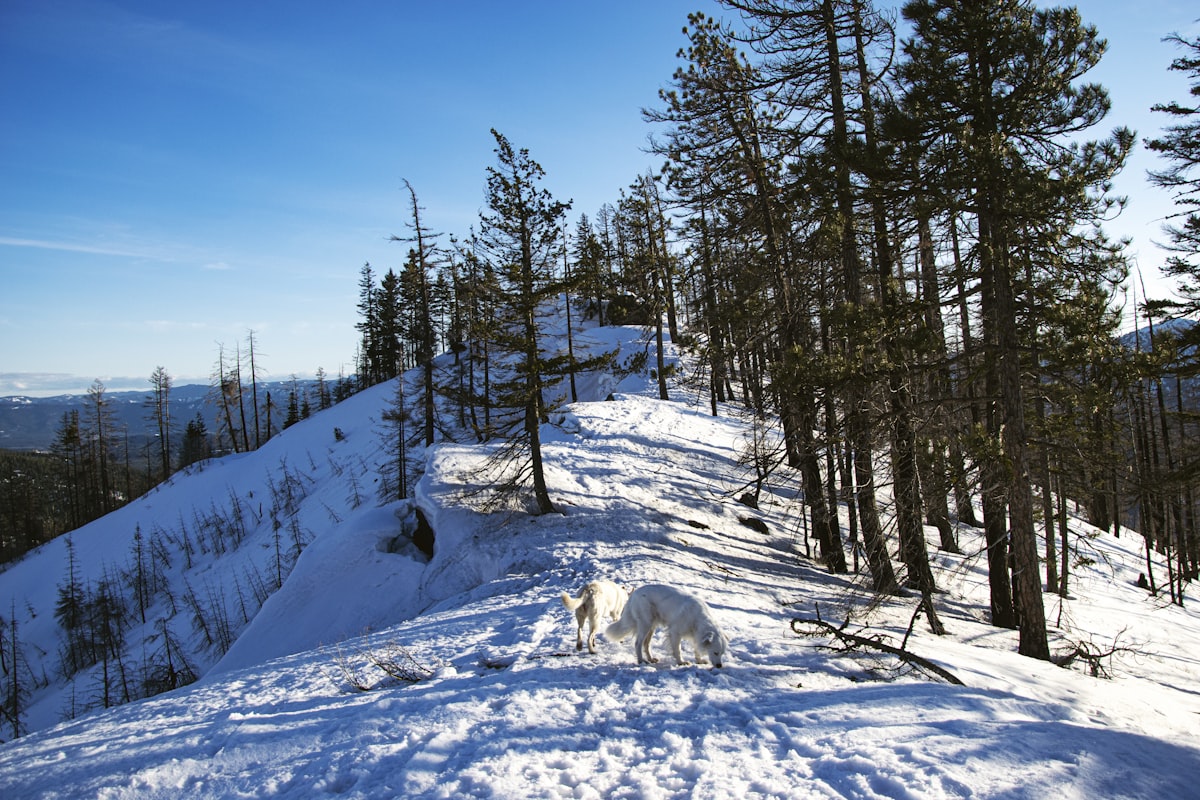
We tested this on a bluebird day at 12,000 feet in late January. Snow everywhere. My handheld UV meter read 9 on the UV index. That's "very high" territory where human eyes need protection within minutes. Jasper wore the smoke lens for the 6-mile out-and-back. No squinting, no head-turning, no face-pawing at breaks.
The difference was obvious. On a similar snow hike three weeks earlier without the goggles, Jasper kept his eyes half-closed for the entire descent. He was fine afterward, but clearly uncomfortable during the hike.
Dogs with light-colored eyes or breeds prone to pannus (like German Shepherds) benefit most from UV protection. But any dog spending extended time on snow, sand, or open water faces elevated UV exposure. The reflection factor is real.
When UV Protection Matters
- 1Snow reflects 80-90% of UV radiation back up at your dog
- 2Sand reflects about 15% and water reflects about 10%
- 3High altitude means less atmospheric UV filtering
- 4Dogs with pannus or other eye conditions benefit most
Durability over 180 miles
The frame held up perfectly. No cracks, no warping, no broken clips. The TPU material flexed through bushwhacking, rolled-on-the-ground sessions, and that accidental boot stomp. Rex Specs claims the goggles pass ANSI Z87.1 and military impact standards. I believe it based on what I threw at them.
Lenses are a different story. After 180 miles, my smoke lens has visible scratches from brush contact and the occasional face-plant into snow. The scratches don't affect vision or UV protection, but they do make the goggles look worn. Rex Specs sells replacement lenses in three-packs for about $30. Budget for at least one set per year if your dog is hard on gear.
The strap material is a rubbery TPU that resists chewing. Jasper tried to remove the goggles by rubbing against a boulder during week one. The strap stretched but didn't tear. It's still holding strong.
One design win. The frame vents allow airflow and drainage. After a creek crossing in Moab, the goggles drained within seconds and didn't fog up.
Lens Care Matters
Store goggles in the included microfiber bag. Loose lenses in a pack pocket will scratch fast. I learned this during our first canyon trip.
Training your dog to accept goggles
This is the part most people underestimate. You cannot just strap goggles on a dog and start hiking. Well, you can. But expect your dog to spend the first mile trying to paw them off, rub against every available surface, and generally hate the experience.
Jasper took about two weeks of conditioning. We started with the goggles sitting next to his food bowl. Then wearing them loose around the house for a few minutes. Then tightened during short play sessions. By week two, he associated goggles with "adventure time" and stopped fighting them.
Cooper, the Border Collie, adjusted faster. About five days. Luna, the German Shepherd, needed nearly three weeks and still occasionally shakes her head when we first put them on.
The key is positive association. Treats, play, short sessions that end before frustration sets in. If you force the issue, you'll create a dog who hates goggles forever.
Patience Pays Off
Most dogs need 1-3 weeks of gradual introduction before they'll tolerate goggles on trail. Start conditioning at home well before you need them in the field.
Lens options explained
Every Rex Specs purchase includes two lenses. Clear and smoke. Both provide identical UV protection. The difference is visible light transmission.
Clear lens (80% VLT): Best for low-light conditions, overcast days, or when you just need debris protection without dimming vision.
Smoke lens (20% VLT): Best for bright conditions, snow glare, and midday desert sun.
Rex Specs also sells mirrored lenses in various colors and a yellow lens for enhanced contrast in flat light. I haven't tested those. The clear and smoke combo covered everything I needed for alpine and desert conditions.
Swapping lenses takes about 30 seconds once you learn the trick. Press the tab, pop out the old lens, press in the new one. I did struggle with this initially. Cold fingers and gloves made it harder. Practice at home before you need to swap lenses on trail.
The "What Else?" Comparison
Rex Specs V2
$92.99- Mil-spec impact rating
- Interchangeable lenses
- Proven track record
Generic Dog Sunglasses
$15-25- Much cheaper at $15-25
- Available everywhere
- Fun for photos
Verdict: I tried a $20 pair from Amazon before buying Rex Specs. They fell off within the first mile, the UV protection was unverified, and the elastic strap stretched out after three uses. For actual field use, Rex Specs is the only option I'd trust.
What Buyers Are Saying
Aggregated from 1,847 verified reviews
Rating by Source
What People Love
- +Actually stays on during activity
- +Visible improvement for dogs with eye conditions
- +Durable enough for working dogs
Common Concerns
- -Lenses scratch more easily than expected
- -Expensive compared to human sunglasses
- -Acclimation period required
After 180 miles
Rex Specs V2 goggles work. They stay on. They protect eyes from UV, debris, and wind. The build quality justifies the price for dogs who actually need them.
The catch is that word. Need. Most hiking dogs will never encounter conditions that require eye protection. Jasper hiked for years without goggles and was fine. It took specific high-UV snow conditions to reveal a genuine use case.
If your dog has an eye condition, spends significant time on snow or sand, or works in debris-prone environments, Rex Specs is worth the investment. If you hike shaded forest trails in mild weather, save your money.
Purpose-Built Protection
Rex Specs V2 delivers real eye protection for dogs who need it. The fit system works once you dial it in, UV blocking is legitimate, and the build survives trail abuse. Most casual hiking dogs won't need goggles. But for snow, desert, or eye-condition scenarios, nothing else on the market comes close.
- UV400 protection verified during alpine snow testing
- Survived 180 miles including brush, water, and one boot stomp
- The only dog goggle I'd trust for actual field use