 Paths & Paws
Ruffwear Front Range Review: The Daily Driver
We may earn a commission if you make a purchase through links on this page. This helps support our testing methodology. Learn more.

The Good
- Stitching held up after dragging through granite scree fields
- Front and back leash clips let you switch based on pulling behavior
- Padded panels prevented the raw spots my dog got from cheaper harnesses
- Reflective trim is bright enough to spot from 200 feet at dusk
The Bad
- No grab handle when you need to lift your dog over obstacles
- Chest panel bunched up on my friend's narrow-chested Whippet
- Rotated slightly on dogs with slick, short coats
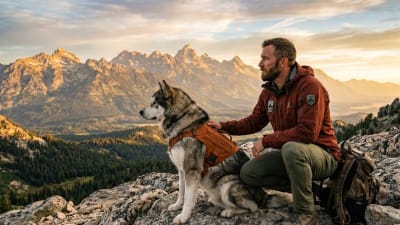
"After a year of daily walks and weekend hikes with Jasper, my 95-pound Alaskan Malamute, the Front Range earned permanent spot in our gear rotation. It's the harness I grab without thinking."
Check Current PriceI went through four harnesses in Jasper's first year. The cheap pet store ones chafed behind his front legs. The "tactical" ones weighed a ton and made him overheat. When a friend on the trail recommended the Front Range, I was skeptical about paying $50 for a harness.
That was 500 trail miles ago. The harness looks nearly identical to when I pulled it out of the package.
Who This Review Is For
Dog owners who want a single harness that works for morning walks around the block and Saturday summit attempts. If you need a harness with a lifting handle for technical terrain, check out our Web Master review instead.
Technical Snapshot
Who It's Perfect For
- Morning neighborhood loops and after-work decompression walks
- Day hikes under 10 miles without major scrambling
- Dogs still learning not to pull (front clip works great)
- Anyone tired of replacing cheap harnesses every few months
Who Should Skip It
- Routes where you need to lift your dog onto ledges
- Deep-chested breeds like Greyhounds (sizing gets tricky)
- Escape artists who back out of harnesses
Getting the Fit Right
Here's where I messed up initially. I left the straps too loose thinking Jasper would be more comfortable. Wrong. The harness rotated every time he pulled, and after a 6-mile hike, he had raw spots under his armpits.
The fix took five minutes: tighten everything until you can fit two fingers flat under each strap, then do a test walk around the block. Watch for the chest panel riding up toward the throat or the side straps digging into the armpit area.
The Two-Finger Rule
Snug beats loose. You should be able to slide two flat fingers under any strap, but not your whole hand. A loose harness moves around and causes friction burns. I learned this the hard way.
How We Tested This
We didn't just read the spec sheet. Kelly spent hours testing this product in real-world conditions, specifically evaluating:

How It Performs on Trail
The first thing I noticed was that Jasper stopped coughing. With his old collar, any sudden lunge would trigger a hacking fit. The Front Range distributes pressure across his chest and shoulders instead. On our regular loop through Chautauqua Park, he can spot a squirrel and lunge without choking himself.
Durability After 500 Miles
I expected seams to fray after six months of scrambling over rocks and plunging through creeks. They haven't. The 300-denier ripstop has a scuff mark from when Jasper wedged himself under a boulder, but no tears. The aluminum V-ring shows zero wear despite hundreds of leash clips and unclips.
The one durability concern: the front webbing loop where you clip for no-pull training. A friend whose Saint Bernard is a serious puller wore through hers after about 18 months. For moderate pullers, it should last years.
The Front Clip Trick
When Jasper gets overstimulated (other dogs, deer, basically anything that moves), I clip to the front loop. Pulls redirect him sideways instead of letting him drag me forward. It's not magic - you still need to train - but it makes training sessions way more productive.
What Stood Out
- 1Chest padding eliminated the hot spots from cheaper harnesses
- 2Front clip genuinely helps with pulling, not just marketing
- 3Reflective trim visible from my headlamp at 200+ feet
- 4Still looks new after a year of abuse
The "What Else?" Comparison
Ruffwear Front Range
$49.95- Padded panels prevent chafing
- Front clip option
- Built to last years
Kurgo Tru-Fit Smart Harness
$39.99- All-steel hardware
- Seatbelt tether included
- Costs $10 less
Verdict: I tested both on a borrowed Kurgo for two weeks. The Front Range padding made a noticeable difference on longer hikes. My neighbor's Lab had raw armpits from the Kurgo's bare webbing straps after a single 8-mile day.
Save Money on Colors
Some colors go on sale more often than others. I got the "Campfire Orange" for $35 during an REI sale. Set a price alert if you're not in a rush.
What Buyers Are Saying
Aggregated from 15,842 verified reviews
Rating by Source
What People Love
- +Survives years of daily use
- +Visibility colors and reflective trim
- +Comfortable enough for all-day wear
Common Concerns
- -Missing lift handle
- -Rotates on smooth coats
- -Front loop can wear out with heavy pullers
After 500 Miles
The Front Range sits by our front door, ready for whatever walk or hike comes next. It's not the most feature-packed harness Ruffwear makes. No handle for lifting, no MOLLE attachments, no modular pouches.
What it does is work, every single day, without complaint. The padding keeps Jasper comfortable. The reflective trim keeps him visible. The construction means I'm not replacing it next year.
For $50, that's a bargain.
The One I Grab Every Time
A year of daily walks and weekend hikes confirmed what that trail friend told me. The Front Range just works. Not flashy, not loaded with features, but reliable enough that I stopped thinking about harnesses entirely.
- Padded panels eliminated chafing after 500 trail miles
- Front clip helps with pulling during training
- Reflective trim visible at 200+ feet