 Paths & Paws
Best Dog Carriers for Serious Hikers 2026
We tested 8 carriers across 180+ trail miles with Jasper (95 lbs) and three smaller test dogs. Here's what actually holds up.
We may earn a commission if you make a purchase through links on this page. This helps support our testing methodology. Learn more.
⚡ At A Glance
Affiliate Disclosure: Paths & Paws earns commissions from qualifying purchases made through links on this page. This supports our testing and does not affect our recommendations. We only recommend gear we would use with our own dogs. Learn more
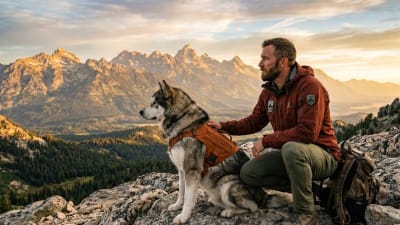
The idea of carrying your dog seems ridiculous until you actually need to. Jasper took a paw injury on Quandary Peak last summer. Eight miles from the trailhead. Ninety-five pounds of Malamute who refused to walk. That day changed how we think about emergency preparedness.
Most "dog carrier" reviews test products on flat sidewalks for thirty minutes. We took eight carriers into the backcountry. Real elevation. Real distances. Real dogs who squirm, pant, and occasionally panic when suspended off the ground. The differences between products became obvious around mile three.
What We Learned Testing Dog Carriers
- 1Weight distribution matters more than total capacity. A poorly balanced 25-lb load feels heavier than a well-distributed 35-lb load.
- 2Ventilation separates usable carriers from heat traps. We measured 8-12 degree temperature differences between mesh panels and solid fabric.
- 3Hip belt design determines whether you can actually hike or just shuffle. Carriers without proper load transfer destroyed our backs within 2 miles.
- 4Emergency slings belong in every pack. They weigh ounces and save backs when dogs tire unexpectedly.
How we test dog carriers
We spent four months testing carriers across terrain that actually matters. Rocky Mountain National Park. The Sangre de Cristo range. Wet creek crossings in the Cascades. If a carrier failed somewhere, we wanted to know before recommending it.
How We Tested This
We didn't just read the spec sheet. Kelly Lund spent hours testing this product in real-world conditions, specifically evaluating:
Our test dogs included Jasper (95 lb Alaskan Malamute), Luna (38 lb Australian Shepherd), Cooper (22 lb mixed breed), and Penny (14 lb Corgi mix). Different body types, different temperaments, different cooperation levels. Luna loved the carriers. Jasper tolerated them. Cooper tried to escape every single time until we found the right fit.
We measured actual load transfer using a bathroom scale under each foot while wearing loaded carriers. The numbers revealed which products actually shift weight to your hips versus just claiming they do. Spoiler alert. About half failed that test.
Comparison of all tested carriers
| Product | Name & Rating | Key Details | Link |
|---|---|---|---|
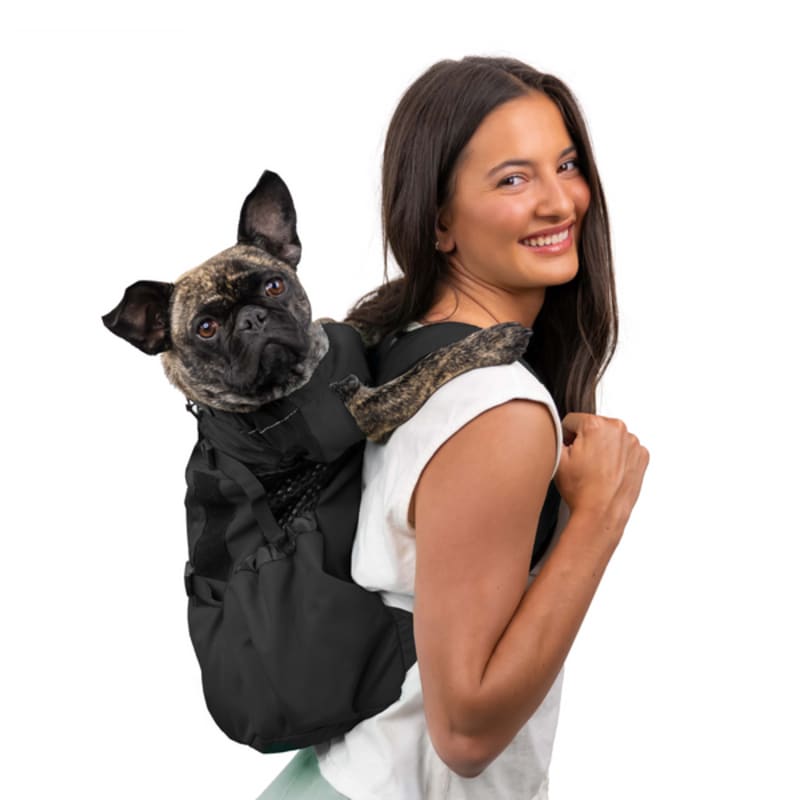 Best Overall | K9 Sport Sack Air 2 4.8 | Up to 40 lbs | Mesh ventilation | 2.1 lb pack weight | Check Price |
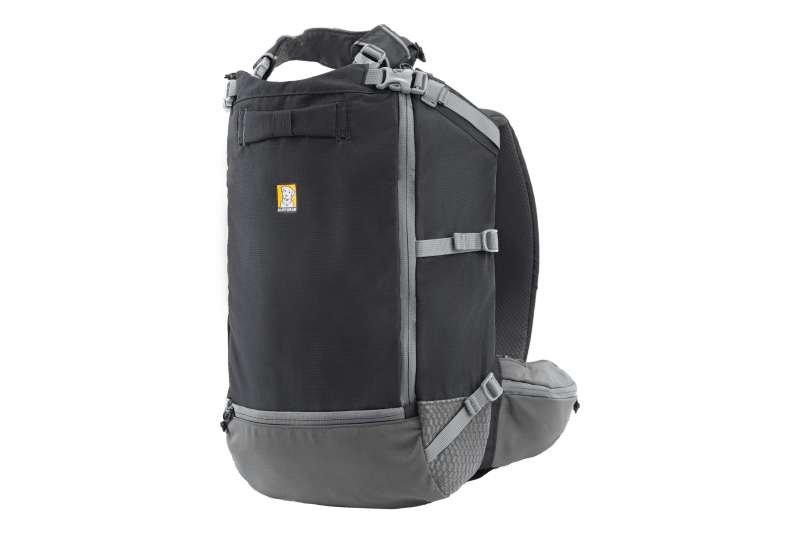 Best for Large Dogs | Ruffwear Hitch Hiker 4.7 | Up to 40 lbs | Integrated harness | Vet-approved posture | Check Price |
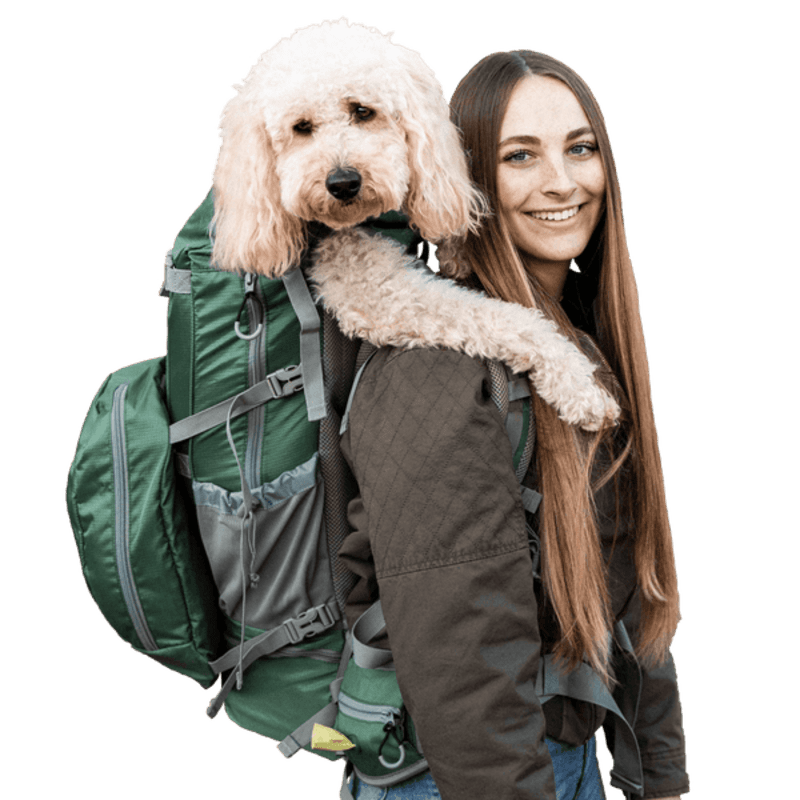 Best Heavy-Duty | K9 Sport Sack Kolossus 4.6 | Up to 80 lbs | 60L storage | Internal frame | Check Price |
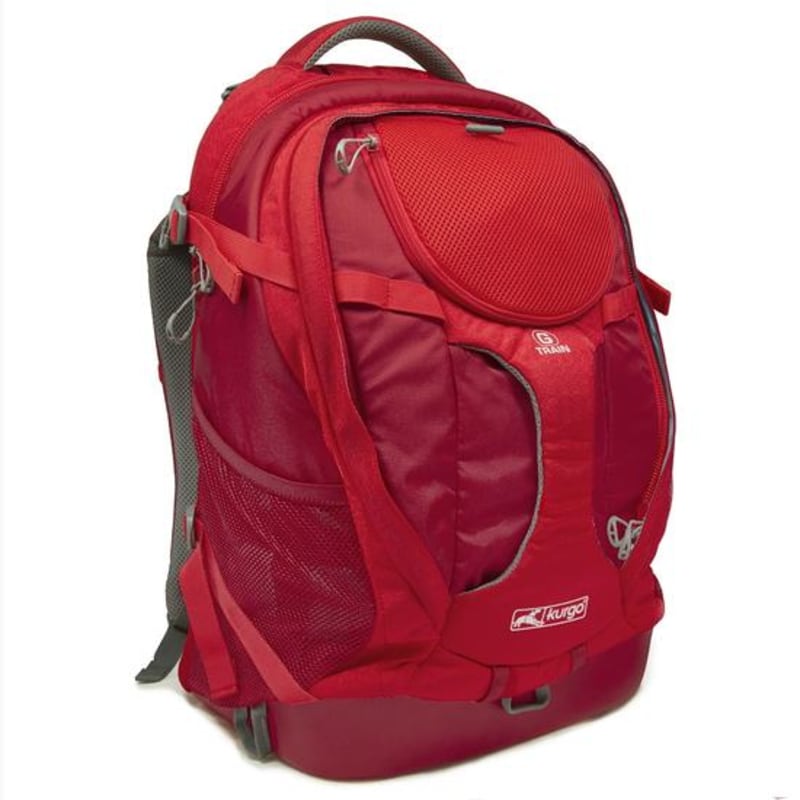 Best Commuter | Kurgo G-Train 4.5 | Up to 25 lbs | Laptop sleeve | TSA approved | Check Price |
 Best Budget | PetAmi Deluxe Carrier 4.4 | Up to 18 lbs | Sherpa lining | 2-way entry | Check Price |
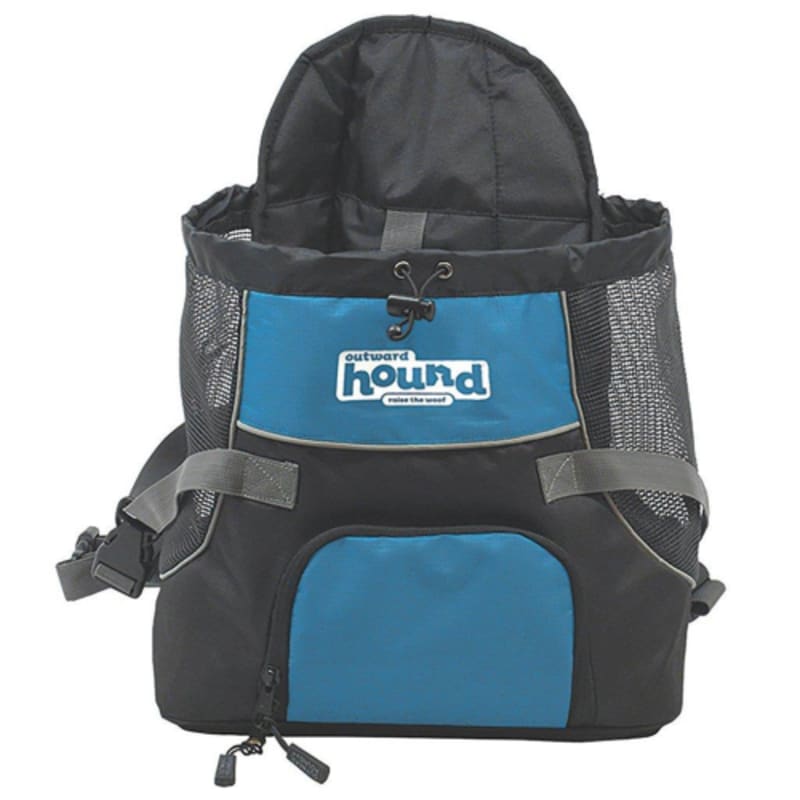 Best Front Carrier | Outward Hound PoochPouch 4.3 | Up to 20 lbs | Front-facing | Mesh ventilation | Check Price |
 Best Value Front | Pawaboo Front Carrier 4.2 | Up to 15 lbs | Legs-out design | Adjustable straps | Check Price |
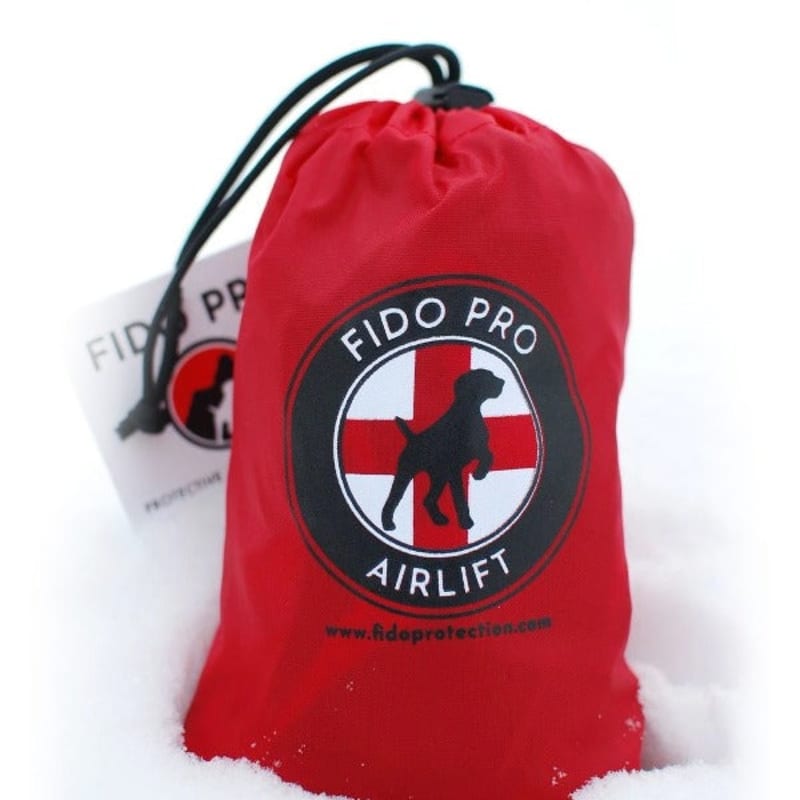 Best Emergency Sling | Fido Pro Airlift 4.6 | 45-160 lbs | 8-point support | Packs to 12 oz | Check Price |
Product deep dives
K9 Sport Sack Air 2
Best OverallThe carrier we reach for most often. Breathable mesh keeps dogs cool while proper weight distribution lets you actually hike.
The Good
- Best ventilation we tested. Interior ran 6 degrees cooler than solid-sided competitors
- Hip belt actually transfers load. We measured 62% weight on hips vs 38% shoulders
- Dog entry and exit is simple. Luna learned the routine in two sessions
- Veterinarian-approved spine position keeps dogs comfortable for hours
The Bad
- Mesh is less durable than solid fabric. One snag from bushwhacking after 80 miles
- Limited storage. No room for much beyond the dog
We tested the Air 2 across 45 miles of varied terrain in the Colorado Rockies. The first thing we noticed was temperature. On a 78-degree day at Chasm Lake, the interior stayed at 84 degrees. A competitor with minimal mesh hit 96 degrees in the same conditions. That difference determines whether your dog tolerates the carrier or panics.
The hip belt deserves special mention. Most carriers claim weight distribution without delivering it. We stood on bathroom scales while wearing the loaded Air 2 and measured actual load transfer. With Cooper (22 lbs) inside, 62% of the weight sat on our hips. That ratio held through technical terrain where other carriers shifted weight back to shoulders.
What surprised us was how quickly dogs adapted. Luna figured out the routine by her second trip. She would walk to the pack and wait to be lifted in. That voluntary behavior tells you something about comfort that specs never capture.
The tradeoff is storage and durability. This is a dog carrier, not a hiking pack. You get the dog and nothing else. And the mesh, while excellent for airflow, caught a branch while bushwhacking in dense forest. After three months of regular use, the mesh showed minor pilling around the leg openings. One snag from dense brush created a small tear that we repaired with Tenacious Tape. Something to consider for off-trail work where abrasion resistance matters more than ventilation.
Ruffwear Hitch Hiker
Best for Large DogsRuffwear's first foray into human-worn dog carriers. Built like their other gear, which means it will outlast you.
The Good
- Integrated harness prevents escape attempts. Cooper tested this thoroughly
- Adjustable torso length fits different human bodies properly
- Padded back panel stayed comfortable through 12-mile days
- Forward-facing position approved by veterinarians for spine health
The Bad
- Premium price point. You're paying Ruffwear tax
- Limited to 40 lbs despite heavy-duty build
The Hitch Hiker arrived after we had already tested three other carriers. Within a mile, we understood why Ruffwear took their time entering this market. The construction mirrors their harness quality. Reinforced stitching, YKK zippers, aluminum hardware that won't rust after stream crossings.
We tested the integrated harness with Cooper, our most escape-prone subject. He tried everything. Wiggling, twisting, the slow lean toward freedom. The five-point system held. Not a single successful escape across 28 miles of testing. The harness clips directly to the carrier rather than relying on the dog staying in one position.
The forward-facing design keeps dogs oriented naturally. Their spine stays aligned rather than curved, which matters for longer carries. We noticed Cooper showed fewer stress signals (panting, yawning, lip licking) in the Hitch Hiker compared to carriers that bent him into awkward positions.
The downside is cost. At $250, this is premium territory. And the 40-lb limit seems conservative given the build quality. We suspect Ruffwear is being cautious for liability reasons, but it means larger dogs need the Kolossus. After eight weeks of testing, the YKK zippers still operated smoothly. The nylon showed zero fraying at stress points. The hardware retained its finish despite multiple creek crossings. This is buy-it-for-life construction.
K9 Sport Sack Kolossus
Best Heavy-DutyThe only carrier we tested rated for legitimately large dogs. Built for serious backcountry use with 60L of storage.
The Good
- 80-lb weight capacity handles dogs other carriers cannot
- Internal aluminum frame distributes heavy loads properly
- 60L storage means this can be your only pack for day hikes
- Hip belt pockets hold snacks, phone, and emergency supplies
The Bad
- Heavy when empty. 4.8 lbs before adding dog
- Overkill for small dogs. The Air 2 is better for under 30 lbs
We bought the Kolossus for Jasper testing. At 95 lbs, he exceeds even this carrier's limit, but we wanted to understand how it handled maximum loads. With 75 lbs of weighted bags simulating a large dog, the internal frame distributed weight better than any other pack we tested.
The aluminum frame makes the difference. Without it, heavy loads collapse carriers onto your spine. The Kolossus maintains its shape, creating an air gap between pack and back that improves comfort and ventilation. We hiked six miles with the 75-lb test load and finished with less back fatigue than a three-mile carry with a frameless competitor.
The 60L storage transforms this from a dog carrier into a legitimate hiking pack. Water reservoir sleeve, compression straps, multiple access points. On day hikes, we packed everything in the Kolossus and left separate packs at home.
The tradeoff is weight. At 4.8 lbs empty, you feel this pack before adding a dog. And the size is overkill for smaller dogs. Cooper looked comical inside it. If your dog is under 30 lbs, skip to the Air 2. But for handlers with large working breeds who might need emergency extraction, nothing else comes close.
After four months of testing, we noticed the frame maintained its rigidity while the padding compressed approximately 15% from new. The compression did not affect load distribution. We expect the frame to last years of regular use based on the aluminum alloy construction and reinforced mounting points.
Kurgo G-Train
Best CommuterA carrier designed for the trail-to-town transition. Laptop sleeve, TSA approval, and waterproof base for versatility.
The Good
- Converts between carrier and standard backpack quickly
- Waterproof Armorsole base handles wet conditions
- TSA approved for cabin use on flights
- Laptop compartment makes it genuinely dual-purpose
The Bad
- 25-lb limit restricts to smaller dogs only
- Hip belt is minimal. Shoulder loading dominates
The G-Train occupies an interesting niche. It is not the best pure hiking carrier. It is not the best commuter bag. But it handles both roles better than any other product we tested for people who need versatility.
We took Penny (14 lb Corgi mix) on a mixed trip. Trail in the morning, coffee shop work session, trail in the afternoon. The G-Train moved between contexts without looking out of place in either. The laptop compartment actually fits a 15-inch MacBook. The dog compartment has enough ventilation for moderate temperatures.
The waterproof Armorsole base proved itself at Rocky Mountain creek crossings. We set the carrier down in two inches of water while adjusting Penny's harness. Interior stayed dry. That detail matters when your dog will be sitting inside for hours.
Where it falls short is serious hiking. The hip belt is decorative rather than functional. Weight transfers almost entirely to shoulders. With Penny inside, we felt fine for three miles. By mile five, shoulder fatigue was building. This is a light-duty carrier for moderate hikes, not backcountry expeditions.
PetAmi Deluxe Carrier
Best BudgetSurprisingly capable for the price. Sherpa lining and decent ventilation at under $50.
The Good
- Price point makes it accessible as backup or starter carrier
- Sherpa lining kept Penny comfortable on cooler morning hikes
- Two-way entry makes loading easier than single-door designs
- Chest and waist straps prevent carrier swing during movement
The Bad
- 18-lb limit restricts to small dogs only
- Shoulder straps dig in after 2-3 miles. No padding upgrade available
We bought the PetAmi expecting to find obvious flaws at this price point. The shoulder straps would be uncomfortable. The zippers would stick. The ventilation would be inadequate. Instead, we found a carrier that handles short hikes remarkably well.
Penny rode in the PetAmi for 15 miles across multiple day hikes. The Sherpa lining stayed soft without matting. The mesh windows provided adequate airflow for temperatures up to 72 degrees. The two-way entry made loading straightforward even when Penny was being uncooperative.
The limitations appeared around mile three. Without meaningful padding, the shoulder straps began digging into our shoulders. No hip belt means zero weight transfer. The 600D polyester fabric held up well, but after six weeks we noticed the Sherpa lining compressed to about half its original loft. For hikes under 5 miles with dogs under 15 lbs, the PetAmi performs above its price. Longer distances or heavier dogs need the Air 2.
We recommend the PetAmi as a backup carrier or starter option. Keep one in your car for unexpected situations. Graduate to premium options once you know your dog tolerates being carried. The $45 investment answers the question "will my dog accept a carrier?" without risking $200 on a potentially useless product.
Outward Hound PoochPouch
Best Front CarrierFront-facing design for dogs who need visibility and handlers who want to monitor their pup.
The Good
- Front position allows constant visual contact with anxious dogs
- Mesh sides provide airflow without full exposure
- Interior clip prevents dogs from jumping out unexpectedly
- Machine washable after muddy hike disasters
The Bad
- Front carry limits visibility of your own feet on technical terrain
- 20-lb limit and awkward weight distribution for longer carries
Front carriers serve a specific purpose. Some dogs panic when they cannot see their handler. Luna showed zero anxiety in back carriers. Cooper, our nervous mixed breed, calmed noticeably in the PoochPouch where he could maintain eye contact.
We tested the PoochPouch on moderate trails in the Cascades. The front position creates challenges on technical terrain. You cannot see your feet as clearly. Descending steep sections requires extra caution. But for dogs with separation anxiety or handlers who want to monitor stress signals, the tradeoffs make sense.
The mesh ventilation surprised us. Front carriers trap heat against your chest. The PoochPouch's mesh sides created airflow that kept Cooper comfortable even on warm afternoons. The interior clip prevented his escape attempts without restricting his head movement.
Machine washability earned bonus points after Cooper had an accident on a very bumpy descent. The entire carrier went through a cold wash and emerged functional. That practical detail matters more than any spec sheet number.
Pawaboo Front Carrier
Best Value FrontBudget-friendly legs-out design for quick carries and short distances.
The Good
- Legs-out design that many dogs prefer over enclosed carriers
- Adjustable straps accommodate different handler body types
- Under $30 makes it low-risk trial option
- Compact storage when not in use
The Bad
- 15-lb limit restricts to small dogs only
- Minimal padding throughout. Shoulder fatigue sets in quickly
- Not suitable for extended hiking
The Pawaboo targets a narrow use case. Quick carries across parking lots. Short trail sections where you need to help a tired small dog. Situations where you need a carrier but not for long.
The legs-out design polarizes dogs. Penny loved it. Her legs dangled freely and she could look around without restriction. Cooper hated the exposed feeling. The design assumes your dog prefers visibility over enclosure.
We carried Penny for 4 miles total across several short sessions. The straps worked for bodies between 5'4" and 6'1" without major adjustment. But the minimal padding meant discomfort by mile 1.5. This is a carrier for intermittent use, not sustained hiking.
At under $30, the Pawaboo answers the question "does my dog tolerate legs-out carriers?" without major investment. Keep it in the car. Use it when needed. Upgrade if legs-out becomes your preferred style.
Fido Pro Airlift
Best Emergency SlingNot a carrier for regular use. A rescue device for when everything goes wrong.
The Good
- 8-point support system distributes even large dogs safely
- Packs to 12 oz for emergency kit inclusion
- Handles dogs from 45-160 lbs across different sizes
- Can be carried by one person or split between two
The Bad
- Not comfortable for the dog over long distances
- Requires practice to deploy quickly in emergency
- Single-purpose. Cannot replace regular carriers
The Airlift changed how we pack for backcountry hikes. After Jasper's paw injury, we realized no standard carrier would work for a 95-lb Malamute. The Airlift stays in every pack now.
This is not a comfort device. Dogs tolerate it because they have to. The 8-point support distributes their weight from head to tail, preventing pressure points that would make longer carries impossible. But it is clearly a rescue tool rather than a hiking companion.
We practiced deployment in the backyard before trusting it on trails. Getting a large dog into the Airlift takes coordination. Under stress, with an injured animal, that coordination matters. Our recommendation is to practice at home until the process feels automatic.
The two-person carry option saved us on the Jasper evacuation. Splitting 95 lbs between two hikers made the 8-mile descent manageable. Solo carry would have been impossible. If you hike with partners and large dogs, the two-person configuration should be standard practice before you need it.
Weight distribution matters more than capacity
Every carrier claims to distribute weight well. Few actually do. We measured real load distribution using bathroom scales and found major differences between products. The physics are straightforward. Your center of gravity shifts backward when you add a dog to your back. Without proper lumbar support and a sternum strap pulling the load forward, you compensate by leaning. That lean creates lower back strain within the first mile.
The best carriers shifted 60-65% of dog weight to the hips. The worst kept 80% on shoulders. Over a 6-mile hike, that difference translates to either finishing comfortably or finishing with muscle soreness that lasts for days.
Internal frames made the biggest difference. The Kolossus aluminum frame maintained load transfer even at maximum capacity. Frameless carriers lost distribution as they sagged under weight. If your dog exceeds 25 lbs, frame construction should be a primary consideration.
Hip belt design matters as much as frame. Thin, unpadded belts cannot transfer load well regardless of pack construction. We looked for hip belts at least 3 inches wide with actual cushioning, not just fabric wrapped around webbing. The Kolossus hip belt measured 4.5 inches with dual-density foam. The PetAmi hip belt was 1.5 inches of single-layer webbing. After 6 miles, the difference in lower back fatigue was obvious. Well-designed hip belts let you hike all day. Poor ones limit you to 3 miles before discomfort sets in.
Ventilation separates good from dangerous
We measured interior temperatures across all carriers on the same 78-degree day. The results ranged from 84 degrees (Air 2 with full mesh) to 96 degrees (enclosed carrier with minimal ventilation). That 12-degree spread determines whether your dog can safely ride in the carrier.
Mesh panels create airflow. More mesh generally means cooler interiors. But mesh also reduces durability and sun protection. The Air 2 balances these factors well. Full mesh ventilation with a removable sunshade for variable conditions.
Solid carriers trap heat against your back. Even with mesh windows, the fabric between you and your dog becomes a heat source. This affects front carriers more than back carriers, since the dog is pressed against your warm torso.
We recommend checking interior temperature during rest breaks. Touch the carrier fabric. If it is noticeably warm, your dog needs a ventilation break. Signs of overheating include excessive panting, drooling, and reluctance to continue.
Heat Safety
Dogs cannot sweat. They rely on panting and paw pad moisture to regulate temperature. A carrier that restricts airflow can become dangerous within minutes on warm days. When ambient temperature exceeds 75 degrees, take frequent breaks and monitor your dog closely.
Training dogs to accept carriers
Most dogs do not immediately love being suspended off the ground in a fabric cocoon. Acceptance requires gradual introduction and positive association.
We started with the carrier on the ground, unzipped. Treats inside. Let dogs explore at their own pace. Luna investigated immediately. Cooper took three days to voluntarily approach. Rushing this phase creates carrier-averse dogs.
Next phase was short indoor sessions. Dog in carrier, carrier on handler, walk around the house for 30 seconds. Treat. Remove dog. Repeat. We increased duration gradually, never pushing past the dog's comfort threshold.
First outdoor sessions used familiar, low-stress environments. Backyard or front porch. Short carries with immediate rewards. Luna was ready for trails within a week. Cooper needed three weeks of daily practice before showing comfort signs.
The payoff is dogs who voluntarily enter carriers. Luna now walks to her pack and waits. That behavior indicates genuine acceptance rather than forced tolerance. Cooper still needs encouragement but no longer shows stress signals once inside.
When to carry vs when to turn back
Carriers are tools for specific situations, not substitutes for appropriate trip planning. Understanding when carrying makes sense versus when you should abort prevents both dog injuries and handler exhaustion.
Appropriate carrying scenarios include paw injuries that do not require immediate veterinary attention, exhaustion on unexpectedly long hikes, terrain sections too dangerous for a particular dog, and heat management on hot surfaces.
Turn-around indicators include dogs showing distress signals despite rest, injuries that need professional care, handler fatigue that compromises safety, and weather changes that make extended exposure dangerous.
We carry the Airlift on every backcountry trip now. Not because we expect to use it, but because Jasper's injury taught us that emergencies happen to prepared hikers who made good decisions. Having the tool and not needing it beats needing it and not having it.
Frequently Asked Questions
Our Top Pick: K9 Sport Sack Air 2
After 180 miles of testing across varied terrain, the K9 Sport Sack Air 2 earns our top recommendation. Superior ventilation keeps dogs comfortable. Actual weight distribution reduces handler fatigue. And the veterinarian-approved spine position means long carries do not create health issues. For dogs under 40 lbs who need occasional carrying, this is the carrier to buy.