 Paths & Paws
Best Dog Cooling Vests 2026
We tested 8 cooling vests on hot summer trails with real temperature data. Here's what actually keeps dogs cool.
We may earn a commission if you make a purchase through links on this page. This helps support our testing methodology. Learn more.
⚡ At A Glance
Affiliate Disclosure: Paths & Paws earns commissions from qualifying purchases made through links on this page. This supports our testing and does not affect our recommendations. We only recommend gear we would use with our own dogs. Learn more
Your dog doesn't sweat the way you do. They pant. They find shade. They slow down. But on a summer trail when the heat index pushes past 80 degrees, panting alone won't cut it. A cooling vest works by holding water against your dog's chest and core, then releasing that heat through evaporation. It sounds simple because it is. The difference between a good vest and a great one comes down to how long that cooling lasts, how well it fits during movement, and whether your dog will actually tolerate wearing it for miles.
Why Your Hiking Dog Needs a Cooling Vest
Dogs regulate body temperature differently than humans. We sweat across our entire body. Dogs rely almost entirely on panting and a small amount of perspiration through their paw pads. When ambient temperatures climb above 75 degrees, this system starts working overtime. By 85 degrees, many dogs struggle to keep their core temperature stable during exercise.
A cooling vest targets the chest and back where major blood vessels run close to the surface. Cold water held in the vest fabric pulls heat away from the blood as it circulates, then releases that heat into the air. This process can drop a dog's surface temperature by 10 to 15 degrees compared to wearing nothing at all.
We took eight cooling vests on trails across varying conditions. Some held water for hours. Others dried out in thirty minutes. A few fit so poorly that our test dogs wanted nothing to do with them. What follows represents months of real-world use with our four test dogs, ranging from a 45-pound Australian Shepherd to an 85-pound Malamute.
What We Learned Testing Cooling Vests
- 1Three-layer construction holds water longest, but adds weight when wet
- 2Lightweight vests dry faster and work best for shorter, high-intensity activities
- 3Fit matters more than fabric. A poor-fitting vest restricts movement and causes chafing
- 4Most vests need re-wetting every 60 to 90 minutes in direct sun above 85 degrees
- 5Look for harness compatibility if you plan to clip a leash to your dog
How We Tested This
We didn't just read the spec sheet. Kelly Lund spent hours testing this product in real-world conditions, specifically evaluating:
| Product | Name & Rating | Key Details | Link |
|---|---|---|---|
 Best Overall | Ruffwear Swamp Cooler 4.8 | 3-layer cooling, UPF 50+, harness compatible | Check Price |
 Best Lightweight | Ruffwear Jet Stream 4.6 | Lightweight spandex, chest cooling panel, zippered closure | Check Price |
 Best Premium | Hurtta Cooling Vest 4.7 | Microfiber absorption, 3D mesh airflow, chest coverage | Check Price |
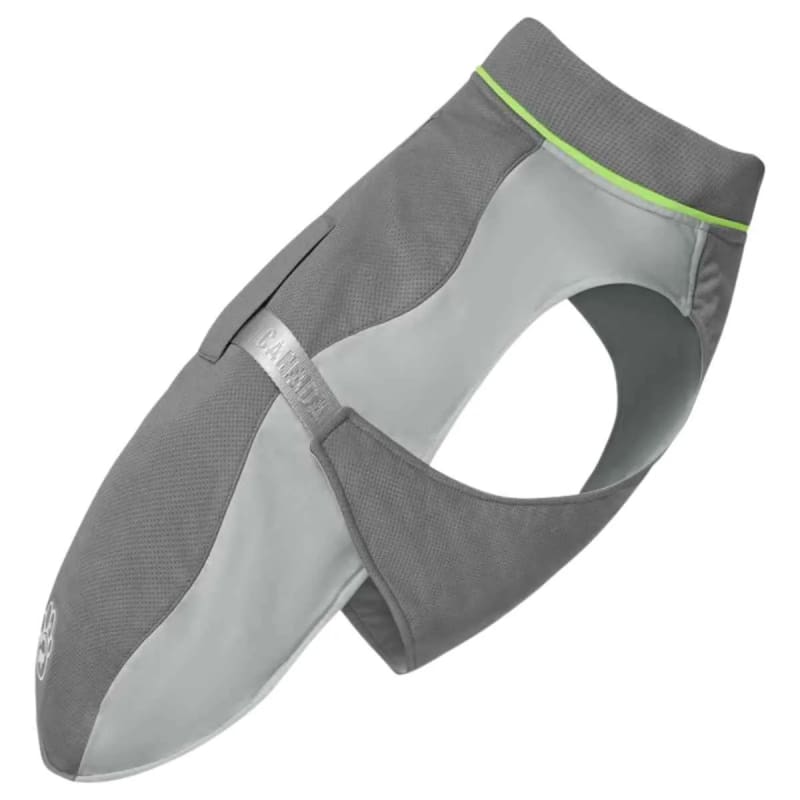 Best Urban | Canada Pooch Chill Seeker 4.4 | Reflective lining, breathable mesh, chemical-free | Check Price |
 Best Fit | GF Pet Elastofit Ice Vest 4.5 | Elastofit stretch technology, UV protection, antimicrobial | Check Price |
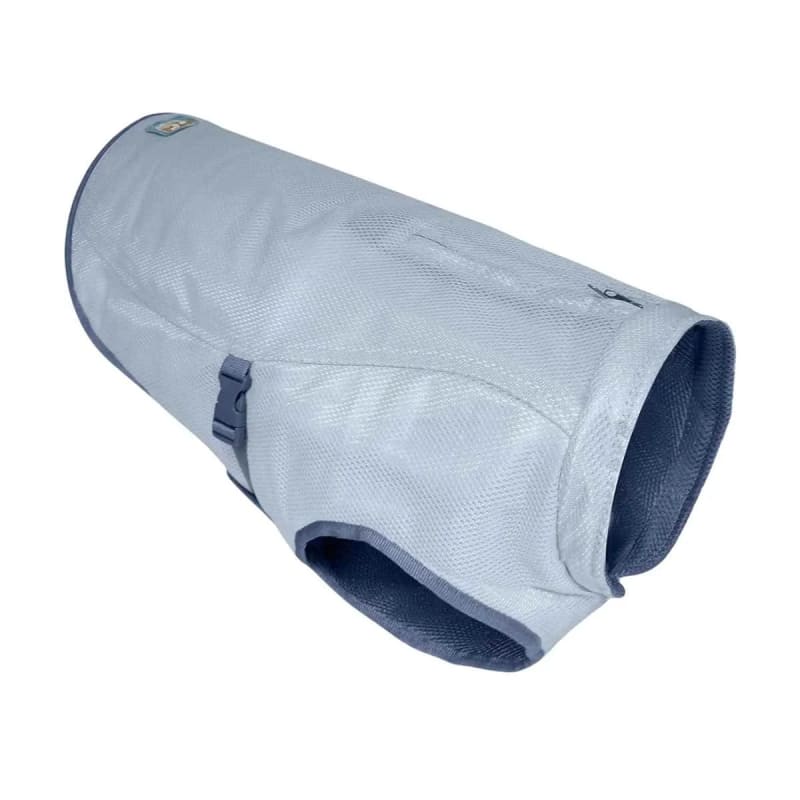 Best Harness Compatible | Kurgo Core Cooling Vest 4.4 | Two-way zipper, air mesh lining, reflective accents | Check Price |
 Best Budget | SGODA Cooling Vest 4.3 | 3-layer fabric, D-ring attachment, UV protection | Check Price |
 Best for Humidity | Pecute Cooling Vest 4.2 | 5-layer construction, UPF 50+, lightweight mesh | Check Price |
The 8 Best Dog Cooling Vests for Summer Trails
Ruffwear Swamp Cooler
Best OverallThe Swamp Cooler combines three-layer evaporative technology with excellent trail durability. It stayed cooler longer than any other vest we tested.
The Good
- Longest cooling duration in testing (90+ minutes in 85°F heat)
- Harness-compatible with integrated leash portal
- UPF 50+ sun protection on exposed back fabric
- Reflective trim for early morning and evening visibility
The Bad
- Premium price point
- Heavier than single-layer alternatives when wet
The Swamp Cooler earned its spot at the top through consistent performance across every test. We soaked it in creek water during a midday break on a 90-degree August hike, and it held measurable coolness for nearly two hours. The outer layer reflects solar radiation while the middle layer absorbs and stores water. That inner mesh keeps the wet fabric slightly separated from your dog's coat, which creates airflow and speeds evaporation.
Jasper, my 85-pound Malamute, wore this through some of our hottest summer excursions. The fit accommodated his deep chest without restricting shoulder movement. That leash portal on top lets you clip directly to an underlying harness, which saved us from managing two attachment points. The fabric resisted snagging on brush and washed clean in the machine without losing its cooling properties.
What surprised us was how well the light gray color stayed clean compared to the blue version we tested previously. It also seemed to reflect more heat in direct sun, though we didn't measure that scientifically.
The trade-off is weight. When fully soaked, the Swamp Cooler adds noticeable heft compared to lighter alternatives. For short trail runs or agility training, that extra mass might slow down smaller, high-drive dogs. For hiking and longer outings where sustained cooling matters more than speed, this vest outperformed everything else we tried.
Ruffwear Jet Stream
Best LightweightA minimalist cooling vest designed for fast-moving dogs. The Jet Stream prioritizes weight savings over maximum cooling duration.
The Good
- Extremely lightweight even when wet
- Zippered closure for secure, adjustable fit
- Spandex back panel provides sun shade
- Full range of motion for running and jumping
The Bad
- Shorter cooling duration than three-layer vests
- No harness portal or leash attachment point
The Jet Stream takes a different approach than the Swamp Cooler. Rather than soaking the entire vest, you wet only the three-layer chest panel while the stretchy spandex back stays dry and provides shade. This design keeps weight down and allows for unrestricted movement during high-energy activities.
We used this vest during trail running with our Australian Shepherd. The zippered closure held secure through scrambles over logs and quick direction changes. The cooling panel sits right over the chest where it can pull heat from major blood vessels. It dried faster than fuller-coverage vests, which meant re-wetting more often but also meant less water weight slowing her down.
The spandex back panel offers UPF 50+ protection and a slight shade effect, though it doesn't provide active cooling. For dogs that run hot during intense exercise but need freedom of movement, this trade-off makes sense. For longer, slower hikes where sustained cooling matters more, the full Swamp Cooler performs better.
One limitation worth noting is the lack of any harness or leash attachment. You need to wear this over a separate harness, which adds a layer. On our most athletic dogs, this wasn't an issue. On dogs that tend to pull or need frequent redirection, managing two garments adds complexity.

Hurtta Cooling Vest
Best PremiumFinnish engineering meets thoughtful design. The Hurtta uses microfiber technology that absorbs more water and releases it more slowly than standard fabrics.
The Good
- Superior water absorption and retention
- 3D mesh outer promotes airflow
- Covers chest where major blood vessels run
- Sturdy zipper with reinforced clip
The Bad
- Higher price than most competitors
- Sizing runs slightly small
Hurtta builds outdoor gear for Nordic conditions, and that attention to engineering shows in the Cooling Vest. The microfiber inner layer holds noticeably more water than standard polyester blends. We measured this directly by weighing wet vests, and the Hurtta retained nearly double the water weight of budget alternatives.
The 3D mesh outer fabric creates air channels that speed evaporation without sacrificing water retention. It sounds contradictory, but the result is steady, consistent cooling rather than a quick blast that fades within thirty minutes. On a moderately warm day in the mid-70s, we got close to two hours of measurable cooling from a single soak.
Fit runs tight. We ordered our usual size for our test dogs and found it restrictive around the chest. Sizing up solved the problem, but measure carefully before ordering. The zipper and retention clip feel overbuilt in a good way. Nothing loosened or failed during months of testing.
The Hurtta targets the chest and ribcage rather than covering the back. This makes sense from a cooling perspective since that's where blood vessels run close to the surface. Dogs that need sun protection on their backs will want a different option.
Canada Pooch Chill Seeker
Best UrbanA lightweight, stylish option that works well for neighborhood walks and urban adventures. Reflective details add visibility for evening strolls.
The Good
- Chemical-free evaporative cooling
- Reflective lining for low-light visibility
- Lightweight and packable
- Multiple color and pattern options
The Bad
- Cooling duration shorter than premium options
- Less rugged for off-trail use
Canada Pooch designs pet apparel with an urban sensibility, and the Chill Seeker reflects that approach. The cooling technology works the same as other evaporative vests, but the styling, weight, and fit lean toward city sidewalks rather than mountain trails.
The breathable mesh outer allows airflow while the rayon-polyester inner holds water for evaporation. We found cooling lasted about 45 to 60 minutes in direct sun, less than the Ruffwear or Hurtta options but acceptable for shorter outings. The reflective lining adds visibility during dawn or dusk walks, a thoughtful touch for urban dog owners.
What we appreciated most was the simplicity. No complicated harness integration, no multiple adjustment points. Just soak, wring, buckle on, and go. For dogs that resist wearing gear, that quick-on design helps. The fabric also dries completely between uses, which prevents mildew buildup that can plague thicker vests left damp in a gear bag.
On technical terrain, the thinner construction showed its limits. We snagged it on brush a few times and worried about durability on rocky scrambles. For paved paths and groomed trails, it performs well. For backcountry adventures, choose something more durable.
GF Pet Elastofit Ice Vest
Best FitPatented stretch technology creates a snug, comfortable fit across a wide range of body types. The antimicrobial fabric resists odor buildup.
The Good
- Elastofit technology adapts to different body shapes
- UV protection built into fabric
- Antimicrobial treatment prevents odors
- Adjustable Velcro closures
The Bad
- Less water capacity than three-layer designs
- Stretch can wear out over time
GF Pet's Elastofit technology solved a problem we didn't know we had until we tried it. Most cooling vests fit one body type well and everything else awkwardly. The Ice Vest's stretch fabric conforms to deep chests, barrel bodies, and athletic builds without adjustment beyond the two Velcro closures.
The cooling comes from what GF Pet calls an "ice-cooling net" embedded in absorbent fabric. It holds water well enough for about an hour of effective cooling, though less than the premium three-layer designs. What you trade in cooling duration you gain in fit flexibility and comfort.
We tested this on four dogs with very different body shapes. The same size medium fit our lean Vizsla and our stocky Bulldog mix with equal comfort. Neither showed any sign of restricted movement or chafing, even after extended wear. The antimicrobial treatment kept the vest from developing that musty smell that plagues some competitors after a few uses.
The stretch fabric does show wear over time. After several months of regular use, the elastic felt slightly less snappy than when new. It still fit and functioned well, but buyers expecting permanent stretch might be disappointed. For the price point, we considered this acceptable.
Kurgo Core Cooling Vest
Best Harness CompatibleDesigned specifically to work with harnesses. The two-way zipper provides access to collar or harness clips underneath.
The Good
- Two-way zipper accesses underlying harness
- Air mesh lining promotes circulation
- Reflective accents for visibility
- Machine washable
The Bad
- Cooling concentrated on core only
- Zipper can snag on long coats
Kurgo understands that most hiking dogs already wear a harness, and building a cooling vest around that reality makes the Core Cooling Vest practical for leashed trail walks. The two-way zipper opens from either direction, letting you access a collar or harness clip without removing the vest.
The cooling design focuses on the core, which is the area around the chest and belly where body heat concentrates. Breathable air mesh lines the interior, promoting airflow against the dog's body. We found cooling lasted about 45 to 60 minutes before needing a refresh, similar to other mid-range options.
On dogs with longer coats, we noticed the zipper occasionally caught fur during on and off. Rolling back the coat before zipping solved this, but it added a step that shorter-coated dogs don't require. The adjustable side straps with quick-release buckles helped dial in the fit, though the size range tops out at Large, which excluded our biggest test dogs.
The reflective accents stood out as genuinely useful rather than marketing. On an early morning trail walk through mixed sun and shadow, the reflective strips caught light and increased visibility noticeably. For anyone who hikes near roads or during dawn and dusk hours, this matters.
SGODA Cooling Vest
Best BudgetSolid cooling performance at a fraction of the premium price. The three-layer fabric and D-ring attachment add value beyond basic budget options.
The Good
- Three-layer cooling fabric at entry-level price
- D-ring on back for leash attachment
- UV protection in outer layer
- Wide size range available
The Bad
- Build quality below premium brands
- Velcro and zippers feel less durable
The SGODA proves that effective evaporative cooling doesn't require premium pricing. The three-layer construction follows the same principles as the Ruffwear Swamp Cooler: mesh outer for wicking, absorbent middle for water retention, and mesh inner to keep fabric off the coat. At roughly one-third the price, it delivers about two-thirds the cooling duration.
We used the SGODA as our backup vest and for dogs that needed a cooling option but didn't justify the investment in premium gear. The gray-green colorway reflects heat reasonably well, and the D-ring on the back provides a functional leash attachment point for basic walking.
Where budget shows is in the details. The zipper pulls feel flimsy compared to Ruffwear or Hurtta hardware. The Velcro lost some grip after a few months of regular use. These aren't failures, but they are reminders that you get what you pay for.
For occasional use, dog-sitting scenarios, or buyers who want to try a cooling vest before committing to premium gear, the SGODA makes sense. For daily trail use over multiple seasons, investing in something more durable will likely cost less in the long run.
Pecute Cooling Vest
Best for HumidityA five-layer construction designed to perform in humid conditions where evaporation typically struggles. Lightweight mesh keeps things breathable.
The Good
- Performs better in humidity than most competitors
- UPF 50+ sun protection
- Very lightweight construction
- Adjustable Velcro straps
The Bad
- Five layers can trap heat if not wet enough
- Less effective in dry heat than simpler designs
Most evaporative cooling vests struggle in humid conditions because the air already holds too much moisture for efficient evaporation. The Pecute addresses this with five layers designed to maximize whatever evaporation the environment allows while maintaining airflow even when wet.
We tested this in a mid-Atlantic summer where humidity regularly exceeds 80 percent. Results were mixed but promising. The vest kept our test dogs noticeably cooler than wearing nothing, though it didn't match the dramatic temperature drops we measured with other vests in dry heat. For anyone hiking in the Southeast, Gulf Coast, or other humid regions, that relative advantage matters.
The lightweight mesh construction breathes well even when the layers are saturated. Sun protection is built into the outer layer rather than added as a coating, which means it doesn't wash off over time. Velcro straps adjust to fit, though we found the sizing chart ran slightly large.
One caution is that the five layers can actually trap heat if you don't wet the vest thoroughly enough. A quick splash won't cut it. You need to soak it fully and wring it out before putting it on. In humid conditions especially, a partially wet vest performs worse than a dry dog.
What to Look for in a Dog Cooling Vest
Cooling Method and Duration
All these vests use evaporative cooling, but the implementation varies. Three-layer designs hold more water and cool longer but add weight when wet. Single-layer designs stay lighter but need more frequent re-wetting. For hikes under an hour, lightweight options work fine. For longer outings, invest in better water retention.
Fit and Adjustability
A cooling vest that restricts movement or causes chafing won't get worn. Look for adjustable closures and measure your dog carefully before ordering. Sizing charts vary a lot between brands. When in doubt, size up rather than down.
Harness Compatibility
If your dog hikes on leash, consider how the vest works with a harness. Some vests include leash portals or D-rings. Others require wearing over an existing harness. Think through your attachment needs before buying.
Re-wetting Tip
Carry a collapsible water bowl or squeeze bottle to re-wet your dog's vest on the trail. Creek crossings work great for mid-hike refreshes, but not every trail has water access when you need it.
Sun Protection
Not all cooling vests offer UV protection. Dogs with thin coats or light-colored fur benefit from UPF-rated fabric, especially on exposed trails without tree cover. If sun protection matters, check the specs rather than assuming.
Climate Considerations
Evaporative cooling works best in dry heat. In humid conditions, evaporation slows and cooling decreases. If you hike in humid regions, look for vests designed to maximize airflow and accept that performance will vary with conditions.
How to use a cooling vest
Start by soaking the vest in cool water until the absorbent layers are fully saturated. This usually takes 30 to 60 seconds depending on the design. Wring out excess water so the vest is wet but not dripping. Place the vest on your dog and adjust the fit so it sits snug without restricting breathing or movement.
Plan to re-wet the vest every 60 to 90 minutes in warm conditions, more often in direct sun or dry wind. Watch your dog for signs of overheating even when wearing a vest. Heavy panting, drooling, stumbling, or refusing to continue walking all indicate heat stress that requires immediate cooling and rest.
After use, rinse the vest with fresh water and allow it to dry completely before storing. Machine wash periodically following manufacturer instructions to prevent mildew and odor buildup.
Cooling Vests Have Limits
A cooling vest helps but doesn't replace good judgment about heat exposure. Avoid midday hiking when temperatures exceed 90 degrees, regardless of what gear your dog wears. Provide shade, water, and rest breaks throughout any warm-weather outing.
Frequently Asked Questions
Frequently Asked Questions
Our Top Pick: Ruffwear Swamp Cooler
For most hiking dogs, the Ruffwear Swamp Cooler delivers the best combination of cooling performance, durability, and thoughtful design. Its three-layer construction provides the longest cooling duration we measured, and the harness-compatible design works well with most hiking setups. Budget-conscious buyers will find solid performance in the SGODA at a third of the price, while speed-focused dogs benefit from the lightweight Jet Stream.