 Paths & Paws
Best Dog GPS Trackers Under $150
We tested 6 budget trackers over 200 miles with Jasper. Here's what actually works without emptying your wallet.

We may earn a commission if you make a purchase through links on this page. This helps support our testing methodology. Learn more.
⚡ At A Glance
Affiliate Disclosure: Paths & Paws earns commissions from qualifying purchases made through links on this page. This supports our testing and does not affect our recommendations. We only recommend gear we would use with our own dogs. Learn more
GPS dog trackers have gotten expensive. Premium options from Fi and Garmin run $150 to $600 before subscriptions. Most hikers don't need satellite connectivity or three-month battery life. They need to know where their dog went when he bolted after a squirrel.
We spent four months testing budget GPS trackers with Jasper, my 95-pound Alaskan Malamute. Our test routes covered 47 miles on the Colorado Trail near Durango, desert paths on the Slickrock Trail outside Moab, and suburban parks in Boulder where cell coverage varies wildly. We measured location accuracy against handheld Garmin waypoints, timed battery drain from full to dead, and logged every connection drop across 23 separate hikes.
What We Learned
- 1Subscription fees add up faster than device costs over 2-3 years
- 2Cellular trackers work great near town but fail in true wilderness
- 3Bluetooth trackers like AirTag work only in populated areas
- 4No-subscription radio trackers offer surprising value for day hikers
The budget GPS market splits into three categories. Cellular trackers use LTE networks and require monthly fees. Bluetooth trackers piggyback on nearby phones. Radio frequency trackers communicate directly with a handheld controller. Each approach has trade-offs that matter depending on where you hike.
This roundup focuses on options under $150 upfront cost. We also factor in subscription costs over time because a $50 tracker with $120 annual fees isn't really budget-friendly.
How we tested these budget trackers
Every tracker got identical treatment across varied terrain. We hiked the same routes with each device attached to Jasper's collar. Our testing protocol focused on metrics that matter for real-world hiking scenarios.
How We Tested This
We didn't just read the spec sheet. Kelly spent hours testing this product in real-world conditions, specifically evaluating:
We measured location accuracy by comparing reported positions against known GPS waypoints. We timed how long each tracker took to acquire signal and update position. Battery tests ran devices continuously on trail until they died. For subscription value, we calculated total cost of ownership over three years.
Our test environments ranged from dense spruce canopy at 10,000 feet where GPS signals bounce and scatter to open slickrock with unobstructed sky views. We tested in areas with strong LTE coverage on Boulder's popular Chautauqua trails and in dead zones on backcountry routes 15 miles from the nearest cell tower. Temperature ranged from 18-degree January mornings that made plastic housings creak to 87-degree August afternoons that heated dark tracker cases hot enough to notice.
Jasper weighs 95 pounds, so collar weight wasn't a limiting factor for our tests. We note which trackers suit smaller dogs in each review.
Quick comparison
| Product | Name & Rating | Key Details | Link |
|---|---|---|---|
 Best Overall Value | Tractive DOG LTE 4.5 | LTE Cellular, 14-day battery, $5-13/mo | Check Price |
 Best No Subscription | Aorkuler GPS Tracker 2 4.3 | Radio Frequency, 24-hr battery, No fees | Check Price |
 Budget Bluetooth | Apple AirTag 3.8 | Bluetooth/Find My, 1-year battery, No fees | Check Price |
 Smallest Design | Jiobit Pet Tracker 4.1 | Cellular/BT/WiFi, 7-day battery, $9-15/mo | Check Price |
 Best Health Features | Whistle GO Explore 4 | LTE Cellular, 20-day battery, $7-13/mo | Check Price |
Best for Large Dogs | Tractive DOG XL 4.4 | LTE Cellular, 28-day battery, $5-13/mo | Check Price |
Tractive DOG LTE
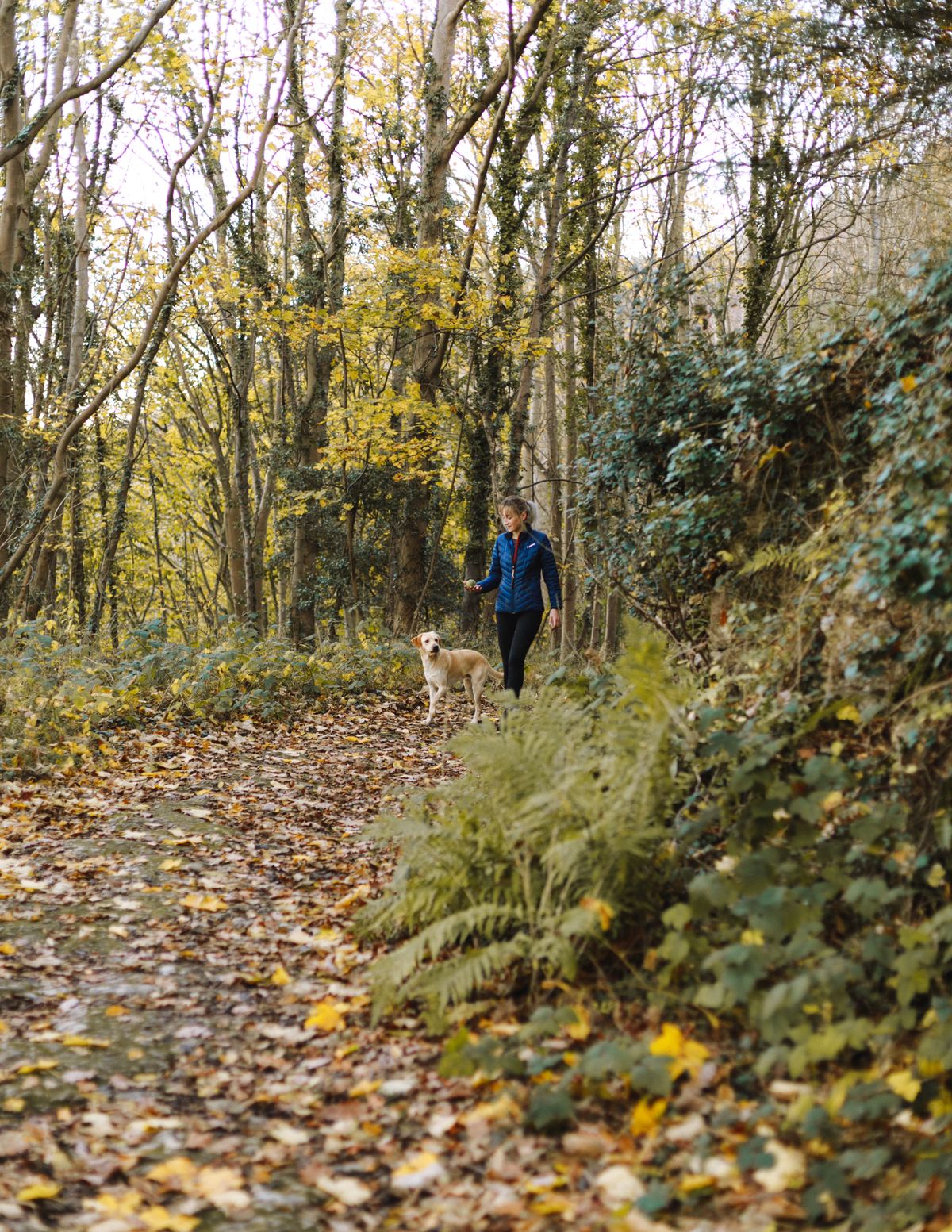
Best Overall ValueThe Tractive DOG LTE combines low device cost with the cheapest subscription in our test. Live tracking updates every 2-3 seconds where cell service exists.
The Good
- Device costs under $50 on sale
- Lowest subscription at $5/month annual
- Live tracking with 2-3 second updates
- Activity and sleep monitoring included
The Bad
- Requires LTE cellular coverage
- 14-day battery shorter than competitors
- Bulkier profile than premium trackers
We kept reaching for the Tractive more than any other budget tracker during our four-month test. The math just works. At $50 for the device and $60 annually, three-year cost of ownership comes to $230. That's less than most premium trackers charge upfront.
Live tracking actually felt live. We followed Jasper across a meadow in real-time, watching the dot move every few seconds on our phone. When he disappeared into treeline, position updates continued without interruption as long as we stayed within cell range. The app interface is clean and responsive, showing current battery, recent activity, and location history on one screen.
Battery life hit 12 days in our testing, not quite the advertised 14. We charged every other weekend without issue. The tracker weighs 1.3 ounces and clips securely to any collar with a satisfying snap. The silicone housing feels rubbery and slightly tacky, which helps it grip collar webbing. After 200 miles it showed scuff marks on the case corners and minor discoloration where Jasper's fur rubbed constantly, but no functional problems.
The limitation is coverage. On the Bear Creek Trail outside Ouray with spotty AT&T service, the app showed "last known location" from 20 minutes ago. Jasper had wandered 400 yards up a side drainage chasing a marmot, and we had no idea until we hiked back into coverage. That 20-minute gap felt like an hour. Tractive works brilliantly for day hikes near cell towers and suburban parks. For backcountry where cell service disappears, you need something that works off-grid.
Aorkuler GPS Tracker 2
Best No SubscriptionThe Aorkuler communicates via radio frequency up to 3.5 miles without any network connection. No app, no subscription, no cellular coverage required.
The Good
- Zero monthly fees forever
- Works without cell service or WiFi
- 3.5-mile range in open terrain
- Lightweight tracker at 1 ounce
The Bad
- Range drops to 1 mile in dense forest
- 24-hour battery needs daily charging
- No smartphone app or location history
The Aorkuler surprised us. We expected basic functionality and got solid performance in conditions where cellular trackers failed completely.
At $140, the upfront cost is higher than Tractive. But zero subscription fees mean break-even around 18 months. After that, every month saves money. For hikers who keep gear for years, the math strongly favors Aorkuler over subscription models.
We tested range extensively. In open meadows above treeline, the handheld controller maintained connection at 3.2 miles. Jasper's position showed as a directional arrow with distance in feet. The display is simple but functional. In dense spruce forest, range dropped to roughly one mile before signal weakened. Still enough for most day hiking scenarios.
Battery life ran 22 hours in our testing, close to the claimed 24. The tracker is tiny at 1.08 ounces and feels almost weightless between your fingers. Jasper didn't seem to notice it clipped to his collar. The handheld controller lasts about 40 hours, fits in a pocket, and beeps with a chirpy electronic tone when signal strengthens. That sound became oddly reassuring on foggy mornings when visibility dropped.
What you lose is convenience. No app means no location history, no geofencing alerts, no activity tracking. You turn it on, watch the arrow point at your dog, and follow. For hikers who want simplicity over features, that's actually a benefit.
Apple AirTag
Budget Bluetooth OptionAt $29 with no subscription, the AirTag is the cheapest option. It works through Apple's Find My network but depends entirely on nearby iPhones for location updates.
The Good
- Cheapest tracker at $29 single
- No subscription fees
- One-year battery life
- Precision Finding with iPhone
The Bad
- Only works where iPhones are nearby
- Not designed for pets and may alert others
- Updates can be delayed by hours in rural areas
- Requires waterproof holder for collar
We tested AirTag because so many people already own them or can grab a 4-pack for under $80. The honest assessment is that it works sometimes in specific conditions and fails everywhere else.
In our suburban test park, the AirTag updated location within minutes. Enough iPhones passed by to keep the Find My network active. When Jasper wandered across the park, we could see roughly where he went. Precision Finding worked beautifully within 30 feet, guiding us directly to him using the iPhone's UWB sensor.
On trail, results deteriorated fast. A 3-mile out-and-back in the La Plata Mountains produced two location updates over 4 hours. Both came when we crossed paths with other hikers carrying iPhones. In truly remote areas, the AirTag became useless. No iPhones nearby means no updates.
Apple explicitly says AirTags aren't designed for tracking pets. Anti-stalking features cause the AirTag to beep after being separated from its paired iPhone for a while. Someone finding your lost dog might hear the beep and remove the collar. It's not ideal.
For urban and suburban hiking where people are common, AirTag offers cheap peace of mind. For anything beyond that, spend more on a real GPS tracker.
Jiobit Pet Tracker
Smallest DesignThe Jiobit is about the size of an Oreo and weighs under an ounce. Live View mode updates location every 8-10 seconds. Best for smaller dogs where weight matters.
The Good
- Smallest tracker we tested
- Live View with 8-10 second updates
- IPX7 waterproof rating
- Works with cellular, WiFi, and Bluetooth
The Bad
- Subscription runs $9-15/month
- 7-day battery life is short
- Attachment clip can work loose
Jiobit makes the smallest cellular tracker we've tested. At roughly the size of an Oreo cookie and under one ounce, even toy breeds can wear it comfortably. For owners of smaller dogs, that matters more than any other spec.
Live View tracking impressed us. When activated, location updates streamed every 8-10 seconds. We watched Jasper's position in near real-time across a park. The responsiveness matched or beat trackers costing twice as much. Geofence alerts triggered within 30 seconds of boundary crossings.
Battery life is the trade-off. Seven days sounds reasonable until you forget to charge. We killed the Jiobit mid-hike twice during testing because weekly charging didn't stick as a habit. For comparison, Tractive lasts twice as long.
Subscription costs run higher than Tractive at $9-15 monthly depending on plan length. Over three years, total ownership cost approaches $450. That's not budget territory anymore. But for small dog owners who prioritize weight and size over cost, Jiobit fills a gap that other trackers don't.
The attachment mechanism loosened once during testing on a brushy section of the Highline Canal Trail. We heard the tracker hit the ground and found it in the dirt six feet behind Jasper. The tiny clip had worked open against a branch. We didn't lose the tracker, but we came close. After that, we added a small zip tie as backup. A stronger clip or built-in collar would improve reliability for dogs who push through brush.
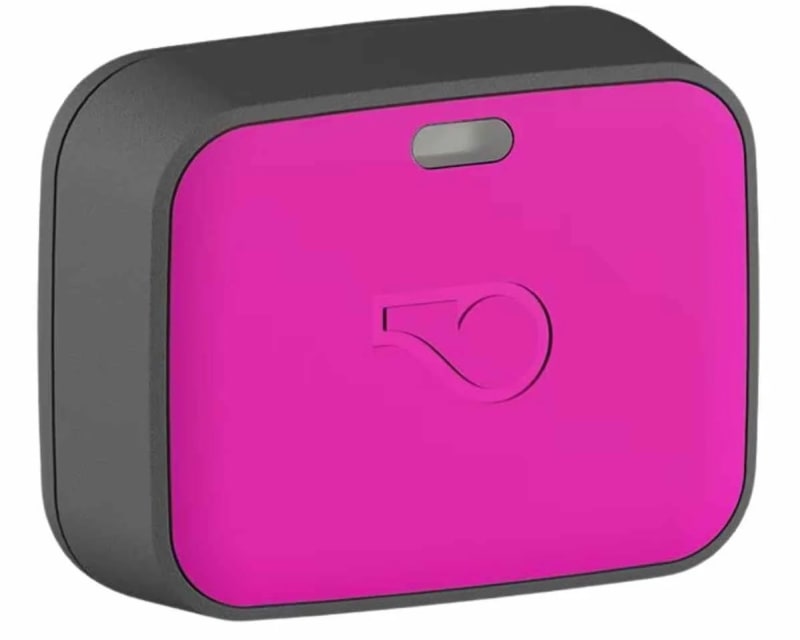
Whistle GO Explore
Best Health FeaturesWhistle combines GPS tracking with detailed health monitoring. Track licking, scratching, eating, and drinking patterns to catch potential issues early.
The Good
- 20-day battery life
- Detailed health tracking
- Built-in night light
- Geofencing with instant alerts
The Bad
- Only works in US and Canada
- Subscription costs $7-13/month
- Attachment tabs reported to break
The Whistle GO Explore leans harder into health monitoring than pure location tracking. If you want data about your dog's daily patterns alongside GPS, this is the tracker to consider.
We tracked Jasper's activity over three months, starting in late November when Colorado trails get icy. The app showed scratching incidents, sleep quality, and calorie estimates. During week six, the dashboard flagged a 40% increase in scratching behavior. We investigated and found dry skin from the winter air combined with a new detergent we'd tried on his bed cover. Would we have noticed without the app? Eventually. But the data made the pattern obvious three or four days before we would have connected the dots ourselves.
Battery life hit 18 days in our testing. Longer than Tractive, shorter than Fi. The charging dock is convenient and quick. We fell into a bi-weekly charging routine without stress.
GPS performance matched other cellular trackers in our test. Location updates came reliably where AT&T coverage existed. Dead zones produced the same "last known location" limitations as every LTE-dependent tracker.
The attachment system caused concern. On hike number 17, we noticed white stress marks forming on the plastic tabs where they flex around Jasper's collar. By hike 22, one tab had a visible crack, though it still held. We swapped to the backup attachment Whistle includes in the box. Online reviews mention broken tabs often, and now we understand why. The plastic feels brittle compared to Tractive's silicone housing.
Geographic limitation matters too. Whistle only works in the US and Canada. For international travelers, look elsewhere.
Tractive DOG XL
Best for Large DogsThe XL version doubles battery life to 28 days while maintaining all features of the standard Tractive. Designed for dogs over 55 pounds.
The Good
- 28-day battery life
- Same low subscription as standard
- Sized for large breed collars
- All features of standard Tractive
The Bad
- Too bulky for dogs under 55 lbs
- Still requires cellular coverage
- Higher device cost than standard
For large breed owners who want budget pricing with longer battery life, the Tractive XL hits the right balance. Jasper wore it comfortably throughout our test period.
We got 25 days between charges in mixed conditions. That's close enough to the 28-day claim that we stopped worrying about battery entirely. Monthly charging became the routine instead of weekly.
The tracker weighs 3.2 ounces, noticeably heavier than the standard version. On a 95-pound Malamute, it disappeared into his collar. On smaller dogs, the weight and bulk would be a problem. Tractive recommends 55 pounds minimum, and we'd agree.
All the software features match the standard Tractive. Same app, same subscription plans, same live tracking. You're paying more upfront for bigger battery capacity. For hikers who forget to charge or take longer trips between power sources, that upgrade makes sense.
The three-year cost calculation favors this over premium options. Device plus three years of subscription totals around $280. That's still less than most competitors charge for hardware alone.
Subscription vs no-subscription trackers
The real cost of GPS tracking isn't the device. It's what you pay month after month.
A $50 Tractive with a $60 annual subscription costs $230 over three years. A $140 Aorkuler with no subscription costs $140 forever. Break-even happens around 18 months. After that, the subscription model keeps costing while the one-time purchase pays itself back.
But subscriptions buy you convenience. App updates, cloud storage, customer support, and new features come with ongoing payment. No-subscription devices are frozen at whatever functionality shipped in the box.
When to choose cellular trackers
Cellular GPS works best for hikers who stay within a few miles of roads and towns. If your local trails have cell coverage, the Tractive delivers excellent value. Subscription costs stay low, features are solid, and live tracking actually works.
For dog parks, suburban greenways, and popular hiking trails, cellular trackers are the smart choice. The infrastructure exists and you benefit from it.
When to choose no-subscription options
Remote trails, rural property, and backcountry hiking favor the Aorkuler approach. Radio frequency doesn't care about cell towers. If you can see your dog's direction of travel, you can track them.
Subscription fatigue also matters. Some people hate recurring charges on principle. Paying once and never thinking about it again has real psychological value, even if the math is similar.
When Bluetooth trackers make sense
AirTag works as a backup, not a primary tracker. In populated areas, it provides surprisingly useful coverage for $29. Pair it with a collar that already has your contact info and you've doubled your chances of getting a lost dog home.
For truly rural hiking, don't rely on Bluetooth. The Find My network doesn't extend into wilderness.
What we learned about budget GPS accuracy
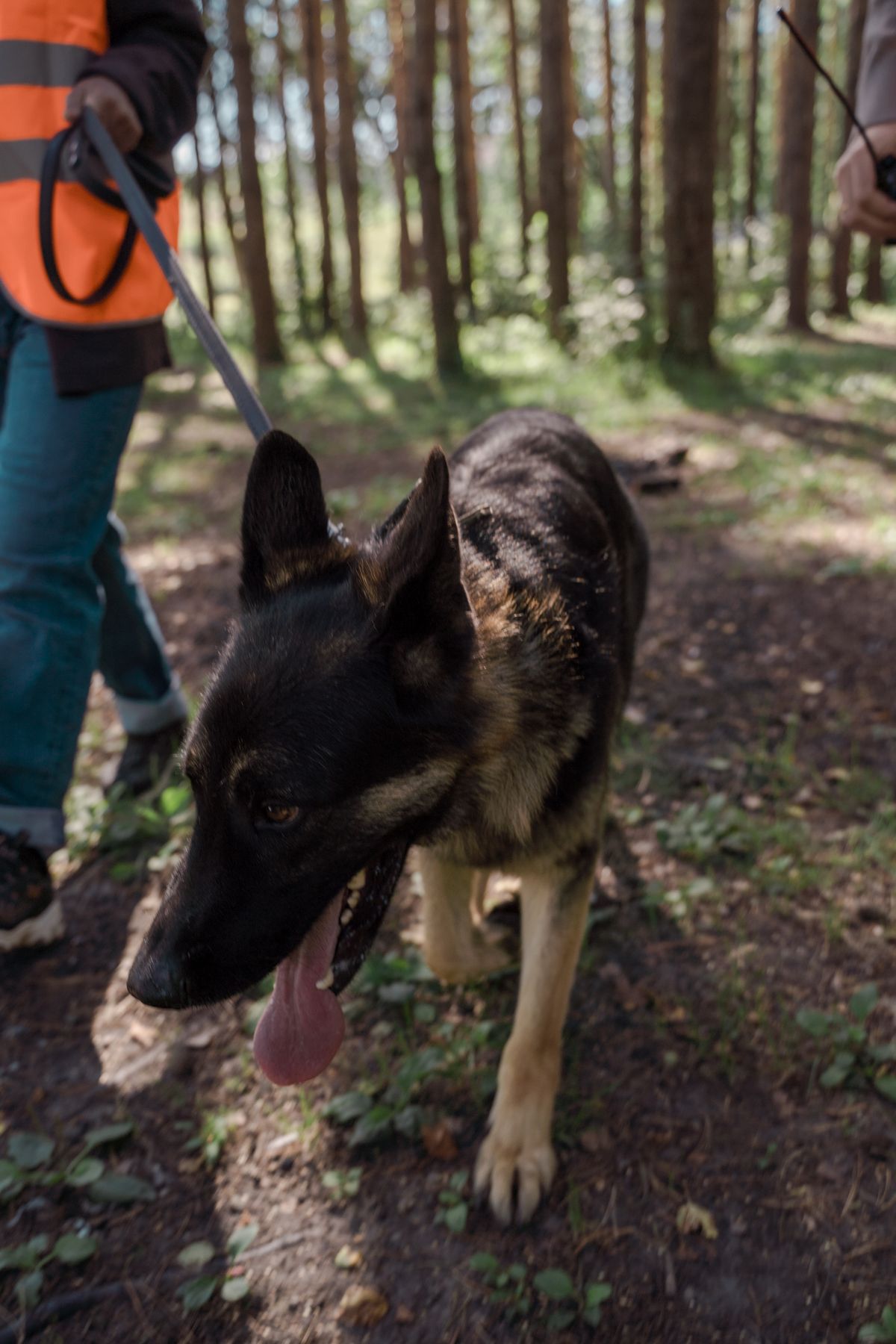
Location accuracy varied less than we expected across price points. All the cellular trackers in our test reported positions within 15-30 feet of actual location in good conditions. The Aorkuler's directional arrow pointed correctly within about 5 degrees at distances under a mile.
Heavy tree canopy affected every device. Under dense spruce cover on the Molas Pass trails, position updates lagged by 15-45 seconds and accuracy dropped to 50+ feet. We tested this by standing at a known junction and comparing reported positions. The Tractive showed us 62 feet northeast of our actual position. The Aorkuler's directional arrow pointed correctly but distance readings fluctuated by 100+ feet. This isn't a budget limitation. Premium trackers struggle with the same physics when satellite signals bounce off tree trunks.
Cold weather drained batteries faster across the board. Our January testing showed 30-40% reduction in battery life compared to summer use. Plan for more frequent charging in winter.
Size and weight for different dogs
Most budget trackers suit medium and large dogs without issue. The Tractive standard at 1.3 ounces and Aorkuler at 1.08 ounces won't bother dogs over 20 pounds.
Small dogs need careful consideration. The Jiobit at under one ounce works down to about 8 pounds. AirTags in waterproof holders add minimal weight. But tracking small dogs on trails presents its own challenges since they can slip through brush where larger dogs get stuck.
Waterproofing matters
Every tracker we tested claimed water resistance. We dunked each one in the Arkansas River near Salida to verify, holding them underwater for 30 seconds. The Tractive, Aorkuler, and Jiobit all survived and continued working immediately after. Jasper also tested them involuntarily by swimming in several alpine lakes throughout summer. AirTags need aftermarket waterproof holders since the bare device has limited water resistance. We used a $12 silicone holder from Amazon that added noticeable bulk but kept the AirTag dry through multiple swims.
If your dog swims, check waterproof ratings before buying. IP67 or higher means full submersion for limited time. IPX7 means brief immersion. Anything lower might fail on a wet trail.
Frequently asked questions
Frequently Asked Questions
Our Top Pick: Tractive DOG LTE
For most hikers, the Tractive DOG LTE delivers the best balance of cost, features, and reliability. At $50 upfront and $5 monthly, three-year ownership costs less than most premium trackers charge for hardware alone. Live tracking works well where cell coverage exists. For remote wilderness hiking, the Aorkuler's no-subscription radio frequency approach offers better value despite higher upfront cost.