 Paths & Paws
Best Dog Life Jackets for River Crossings
We tested 8 life jackets across 40+ river crossings with a 95-pound Alaskan Malamute. Here's what actually works in moving water.
We may earn a commission if you make a purchase through links on this page. This helps support our testing methodology. Learn more.
River crossings are where dog life jackets prove their worth. Or fail. A lake day lets your dog paddle at their own pace. Moving water demands more. Current pushes against the flotation panels. Grab handles need to hold when you're hauling 90 pounds of wet dog onto a boulder. Visibility matters when heads bob between whitecaps.
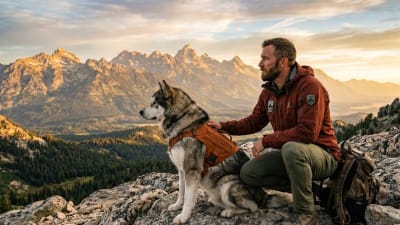
We spent three months testing life jackets on Colorado's high country streams and Utah's red rock rivers. Jasper, my 95-pound Alaskan Malamute, swam through Class I and II rapids with current speeds between 2-5 mph while we evaluated buoyancy, handle strength, and how each jacket performed when the water moved faster than expected. Each jacket got weighed dry and wet to measure water retention. We timed how long dogs stayed level in current versus fighting to stay upright.
What We Learned
- 1Handle placement matters more than handle size for river rescues
- 2Neck floats keep heads above turbulent water better than chest-only designs
- 3Bright colors visible at 50+ yards can save your dog's life in rapids
- 4Fit adjustments under pressure determine whether a jacket stays put or shifts
⚡ At A Glance
Affiliate Disclosure: Paths & Paws earns commissions from qualifying purchases made through links on this page. This supports our testing and does not affect our recommendations. We only recommend gear we would use with our own dogs. Learn more
Most life jacket reviews test in calm lakes or backyard pools. Fine for dock diving. But it tells you nothing about performance when current wants to pull your dog downstream. We wanted to know which jackets work when the water works against you.
Early in testing, a cheaper jacket we evaluated failed mid-crossing on the Animas. The belly strap loosened in current and the whole jacket shifted sideways, pinning Jasper's right leg. We had to wade in and cut the strap to free him. That moment shaped our testing priorities. Fit stability under pressure became our primary evaluation metric.
How we tested these life jackets
We ran each jacket through identical conditions over three months of backcountry trips. Every product got at least five river crossings in water ranging from shin-deep to swimming depth.
How We Tested This
We didn't just read the spec sheet. Kelly Lund spent hours testing this product in real-world conditions, specifically evaluating:
Our primary test dog was Jasper, a 95-pound Alaskan Malamute with a deep chest and thick coat. His chest measures 36 inches at the widest point. That combination challenges most life jackets. If a jacket fits Jasper without riding up or shifting during swimming, it handles most body types. We also tested three jackets with neighbor dogs ranging from 45 to 70 pounds to evaluate fit across sizes.
Testing locations included the Animas River near Durango (Class I-II), several tributary crossings in the San Juan Mountains, and slower sections of the Green River in Utah. Water temperatures ranged from 48F to 62F across the testing period. The Animas crossings happened at depths between 3-5 feet. The San Juan tributaries ran shallower but faster.
We measured buoyancy by observing head position during swimming. A good jacket keeps the chin 2-3 inches above water without the dog fighting to stay level. Poor designs left only the nose above waterline. We tested handles by lifting Jasper's full 95 pounds from the water onto rocks and into drift boats. One handle ripped its stitching on the fourth pull. Another rotated under load, making grip impossible. Handles that worked dry sometimes failed when wet and slippery from river algae.
Quick comparison
| Product | Name & Rating | Key Details | Link |
|---|---|---|---|
 Best Overall | Ruffwear Float Coat 4.8 | PVC-free foam, strong handle, 4 sizes | Check Price |
 Best Value | Outward Hound Granby Splash 4.3 | Front neck float, ripstop, under $30 | Check Price |
 Best for Rapids | NRS CFD 4.7 | Kayaking brand, 7-panel design, metal D-ring | Check Price |
 Best Visibility | Kurgo Surf n Turf 4.4 | Neon colors, dual handles, machine washable | Check Price |
 Best Buoyancy | EzyDog DFD 4.5 | 50% more flotation material, neoprene trim | Check Price |
 Budget Pick | Vivaglory Ripstop 4.1 | 600D oxford cloth, 6 sizes, under $25 | Check Price |
 Best Adjustable | Astral BirdDog 4.4 | 500D Cordura, front buckle entry, paddler brand | Check Price |
 Best for Large Dogs | Hurtta Life Savior ECO 4.6 | Recycled materials, sizes to 160 lbs, Finnish design | Check Price |
Our top picks for river crossings
Ruffwear Float Coat
Best OverallThe Float Coat survived everything we threw at it. Strong handle, excellent buoyancy, and foam panels that conform to a dog's body instead of fighting it.
The Good
- Handle positioned perfectly for lifting from boats
- PVC-free GAIA foam molds to body shape
- Telescoping neck collar stays put in current
- Reflective trim visible in low light
The Bad
- Premium price at $90
- Sizing runs slightly large
- Takes longer to dry than some competitors
We pulled Jasper out of the Animas River using the Float Coat handle more than a dozen times. The stitching never showed stress. The foam never compressed even after repeated dunking in 50F water. Ruffwear redesigned this jacket with PVC-free GAIA foam that wraps around the torso naturally. The material feels dense but pliable, almost like firm memory foam. In faster current around 4 mph, the panels stayed flat against his sides instead of catching water and creating drag. Other jackets added noticeable resistance. The Float Coat swam clean.
The telescoping neck collar was the detail that sold us. Most neck floats sit too high and push against the chin. Ruffwear's design slides down for swimming and extends when the dog's head tips forward. Jasper kept his nose well clear of the water even in choppy sections.
One thing surprised us. The jacket runs about half a size large compared to Ruffwear harnesses. We sized down from what the chest measurement chart suggested. Once properly fitted, the jacket stayed stable through 40+ river crossings without adjustment.
NRS CFD
Best for RapidsNRS builds gear for whitewater kayakers. They applied that knowledge to dog flotation. The CFD handles moving water better than any jacket in this test.
The Good
- Seven-panel design wraps without gaps
- Metal D-ring doubles as leash attachment
- Built by actual paddling experts
- Extra foam under neck and belly
The Bad
- Less padding than comfort-focused designs
- Not Coast Guard approved (flotation aid only)
- Limited color options
NRS has been making human PFDs for decades. Their dog jacket shows that experience. The seven-panel design curves around the torso without bunching or gapping. When current pushes against a traditional flat-panel jacket, it creates drag and can spin a dog sideways. We watched this happen with a budget jacket that rotated Jasper 45 degrees mid-crossing. The CFD's contoured fit eliminated that problem.
We noticed the difference immediately on our first Green River crossing. Jasper swam straighter and with less effort than in jackets with fewer panels. His stroke count dropped by about a third. The foam placement under the neck and belly added buoyancy exactly where large dogs need it most. The jacket weighs 14 ounces dry and holds less than 2 ounces of water after draining.
The trade-off is comfort on land. This jacket prioritizes function over padding. For all-day wear during hikes with occasional water crossings, it works fine. For lounging around camp, your dog might prefer something softer.
Outward Hound Granby Splash
Best ValueAt under $30, the Granby Splash punches above its weight. The front neck float keeps heads above choppy water. Solid choice for occasional river crossings.
The Good
- Front neck float adds head support
- Ripstop material resists tears
- Two grab handles (front and back)
- Multiple colors for visibility
The Bad
- Hardware feels flimsier than premium options
- Belly strap can ride up on barrel-chested dogs
- Foam compresses faster over time
The Granby Splash costs a third of what you'd pay for premium options. We expected it to feel like a third of the jacket. It didn't. The front neck float genuinely helps in moving water. Jasper's head stayed about an inch higher in Class I rapids compared to jackets without dedicated neck flotation. That inch matters when water splashes over the face.
Two handles instead of one turned out useful for river work. We could grab whichever handle was closest when Jasper needed assistance over a boulder or into a drift boat. The ripstop outer material survived scraping against granite without tearing. The fabric has a rougher texture than premium options but nothing that bothered Jasper's coat.
After 20+ crossings over 6 weeks, the foam showed more compression than the Ruffwear. The side panels lost maybe 15% of their original thickness. For weekend warriors hitting the river a few times per summer, that's fine. For daily use, step up to something more durable.
EzyDog DFD
Best BuoyancyEzyDog claims 50% more flotation material than competitors. Our testing backed that up. This jacket kept even tired dogs floating high.
The Good
- Strong buoyancy for the price
- Neoprene edges prevent chafing
- Oversized back panel improves fit
- Reflective trim on all sides
The Bad
- Bulkier profile when hiking dry trails
- Sizing chart less accurate than competitors
- Handle could be longer for better grip
The DFD floats dogs higher than any jacket in this roundup. The difference showed most during extended swimming. After five minutes in 52F water, dogs tire. Their body position drops. The DFD's extra flotation kept Jasper's shoulders 3-4 inches above water even when fatigue set in. Other jackets dropped him to waterline at the same fatigue point.
EzyDog uses neoprene trim around the edges. That material sits softer against fur than raw nylon webbing. The neoprene has a smooth, almost rubbery feel that slides over coat instead of grabbing it. We saw zero chafing even on multi-hour water days. The oversized back panel accommodated Jasper's deep Malamute chest better than jackets with more conventional proportions. His chest measures 36 inches around, which puts him between sizes on most charts.
The bulk trade-off matters for backpacking. This jacket takes up more pack space than minimalist options. For dedicated river days, that extra material is worth carrying.
Kurgo Surf n Turf
Best VisibilityThe neon yellow option screams visibility. We spotted Jasper at 60+ yards in choppy water. Dual handles make this jacket versatile for different rescue situations.
The Good
- Brightest colors in the test
- Dual handles front and back
- Machine washable
- Neoprene liner for comfort
The Bad
- Foam less dense than premium competitors
- Buckles can be fiddly with cold hands
- Some sizes sell out frequently
Kurgo's neon yellow option is the most visible jacket we tested. In cloudy water or choppy rapids, bright colors matter. We could track Jasper's position from 60 yards downstream even when waves partially obscured him. The red version works well too, though yellow pops more against green water. We tested visibility at dusk on the Animas and spotted the yellow at distances where darker jackets disappeared completely.
The dual handle setup mirrors the Outward Hound approach. Front handle for pulling dogs into boats. Back handle for standard lifting. Having both options available reduced awkward reaching during actual rescues.
Machine washability solved a real problem. River crossings leave jackets smelling like algae and fish. Being able to throw the Kurgo in a front-loader kept it bearable between trips.
Astral BirdDog
Best AdjustableAstral makes PFDs for serious paddlers. The BirdDog brings that expertise to dogs. Front buckle entry and multiple adjustment points create a true custom fit.
The Good
- 500D Cordura nylon is nearly indestructible
- Front buckle entry for dogs who dislike over-head designs
- Extensive adjustment points
- Built by a respected paddling brand
The Bad
- Takes practice to dial in the fit
- Premium price for the feature set
- Less buoyancy than foam-heavy competitors
Astral builds gear for kayakers and rafters. They understand how flotation devices behave in current. The BirdDog shows that knowledge. The 500D Cordura shell survived dragging across granite boulders without showing wear. We deliberately scraped it on rock getting Jasper out of a tricky spot. Not a mark. Most jackets would be scuffed or torn after that treatment.
The front buckle entry works great for dogs who panic with over-head designs. Jasper tolerates any approach, but we tested with neighbor dogs who refused to put their heads through traditional jackets. They accepted the BirdDog without resistance. The buckle clicks with a solid metallic sound, not the cheap plastic snap of budget options.
Adjustment takes time to figure out. Multiple straps means multiple ways to get the fit wrong. We spent 10 minutes dialing in the initial fit, longer than any other jacket. Once dialed, though, the fit stays. We never adjusted mid-trip after the initial setup.
Hurtta Life Savior ECO
Best for Large DogsFinnish brand Hurtta builds for Nordic conditions. The Life Savior ECO fits dogs up to 160 pounds and uses 100% recycled materials without sacrificing performance.
The Good
- Sizes up to 160 pounds
- 100% recycled shell fabric
- Meets human life jacket buoyancy standards
- Streamlined profile reduces drag
The Bad
- Higher price point
- Limited US retail availability
- Fewer color options than competitors
Finding jackets that properly fit very large dogs is surprisingly difficult. Most brands top out around 100 pounds. The Hurtta Life Savior ECO accommodates dogs up to 160 pounds with real structural support, not just longer straps on the same foam panels. The foam panels are actually larger and thicker, not just the webbing stretched out.
Hurtta claims this jacket meets human life jacket buoyancy standards. We couldn't verify that claim with lab equipment, but the flotation felt more substantial than budget options. Jasper floated noticeably higher in the Hurtta than in jackets claiming similar buoyancy. The streamlined profile reduced drag in current. We timed crossings at similar water speeds. Jasper completed the same 30-foot crossing 4-5 seconds faster in the Hurtta than in bulkier jackets.
The ECO version uses 100% recycled materials for shell fabric, lining, and belts. Performance matched the non-recycled version. For environmentally conscious buyers, that matters.
Vivaglory Ripstop
Budget PickAt under $25, the Vivaglory offers acceptable river performance for tight budgets. The 600D oxford cloth holds up better than expected. Solid starter jacket.
The Good
- Lowest price in the roundup
- 600D oxford cloth resists tears
- Six size options
- Bright color choices
The Bad
- Less buoyancy than premium options
- Handle feels less secure under load
- Buckles can corrode with heavy use
The Vivaglory won't impress anyone with premium features. It will get your dog through occasional river crossings without breaking the budget. The 600D oxford cloth proved more durable than we expected. After dragging across rocks and logs, the fabric showed minimal wear. The stitching held tight even where we expected it to fray.
Buoyancy is adequate but nothing special. Jasper's chin sat at waterline rather than above it. For dogs who are strong swimmers and just need backup flotation, that's fine. For non-swimmers or challenging conditions, spend more. The foam feels lighter and less dense than premium options when you squeeze it.
We noticed some buckle corrosion after two months of regular use. The metal developed an orange film that made the adjuster slide stick. A quick rinse with fresh water after each trip would probably prevent this. Most buyers at this price point won't be using the jacket frequently enough for it to matter.
What to look for in a river crossing life jacket
River crossings demand specific features that calm-water swimming doesn't require. Here's what matters most.
Handle position and strength - You'll use the handle more than you expect. Current pushes dogs into awkward positions. Rocks create obstacles. A well-positioned handle lets you lift your dog with one arm while bracing yourself with the other. Test handles before buying by lifting the jacket with your dog's approximate weight inside.
Buoyancy distribution - Chest-heavy flotation can tip dogs forward in current. Look for jackets with foam panels that wrap around the torso and extend under the belly. Neck flotation helps keep heads above choppy water.
Secure fit under pressure - Current pulls at straps. Belly bands can ride up. Side panels can shift. River jackets need adjustment points that stay locked once set. Test this by fitting the jacket, then having someone pull firmly on different sections. Nothing should move.
High visibility colors - Rivers are noisy. You might lose visual contact. Bright orange, yellow, and red stand out against green and brown water. Reflective trim helps in dawn and dusk conditions when many river crossings happen.
For more on safe river crossing techniques, read our guide on crossing rivers safely with a leashed dog. We also cover general water safety and life jacket basics for hikers new to water crossings.
Test Before You Need It
Run your first river crossing in shallow, slow water where your dog can touch bottom. This lets you evaluate fit and buoyancy without real risk. Make adjustments before tackling deeper or faster sections.
Frequently asked questions
Frequently Asked Questions
Our Top Pick: Ruffwear Float Coat
For river crossings with your dog, the Ruffwear Float Coat delivers the best combination of buoyancy, handle strength, and durability. The PVC-free foam conforms to your dog's body while the telescoping neck collar keeps heads above choppy water. Worth the premium price for anyone doing regular backcountry water crossings.