 Paths & Paws
Best Dog Sleeping Bags for Cold Weather Camping
We tested 5 dog sleeping bags over two seasons in Colorado's backcountry. Here's what keeps dogs warm when temperatures drop.
We may earn a commission if you make a purchase through links on this page. This helps support our testing methodology. Learn more.
⚡ At A Glance
Affiliate Disclosure: Paths & Paws earns commissions from qualifying purchases made through links on this page. This supports our testing and does not affect our recommendations. We only recommend gear we would use with our own dogs. Learn more
Your dog worked hard on the trail today. They deserve a warm, comfortable place to sleep tonight. But most dog sleeping bags either fall apart after a few trips or don't provide enough insulation when temperatures actually drop.
We tested five popular dog sleeping bags through two seasons of backcountry camping in Colorado's San Juan Mountains. Temperatures ranged from 20°F to 50°F. Our test dogs included a 45-pound Australian Shepherd and a 70-pound Labrador mix. Most bags made big claims. Few delivered.
What We Learned
- 1Most heat loss happens through ground contact, not air temperature
- 2Insulation thickness matters more than brand marketing
- 3Premium bags survive more abuse and maintain loft longer
- 4Budget options work fine for three-season camping above 40°F
The difference between sleeping bags comes down to insulation quality and ground contact. A bag that keeps your dog off cold ground makes more difference than one with fancy outer materials but thin fill.
How we tested these sleeping bags
We brought each sleeping bag on overnight trips in Colorado's high country. Every bag got at least 10 nights of use, including exposure to dirt, dog nails, and morning condensation.
How We Tested This
We didn't just read the spec sheet. Kelly spent hours testing this product in real-world conditions, specifically evaluating:
We measured warmth retention using an infrared thermometer on bag interiors after 8 hours. We tracked puncture resistance against dog nails. We compared packed sizes to manufacturer claims. We washed each bag multiple times to test durability.
The bags that made this list survived conditions that destroyed the others.
Quick comparison
| Product | Name & Rating | Key Details | Link |
|---|---|---|---|
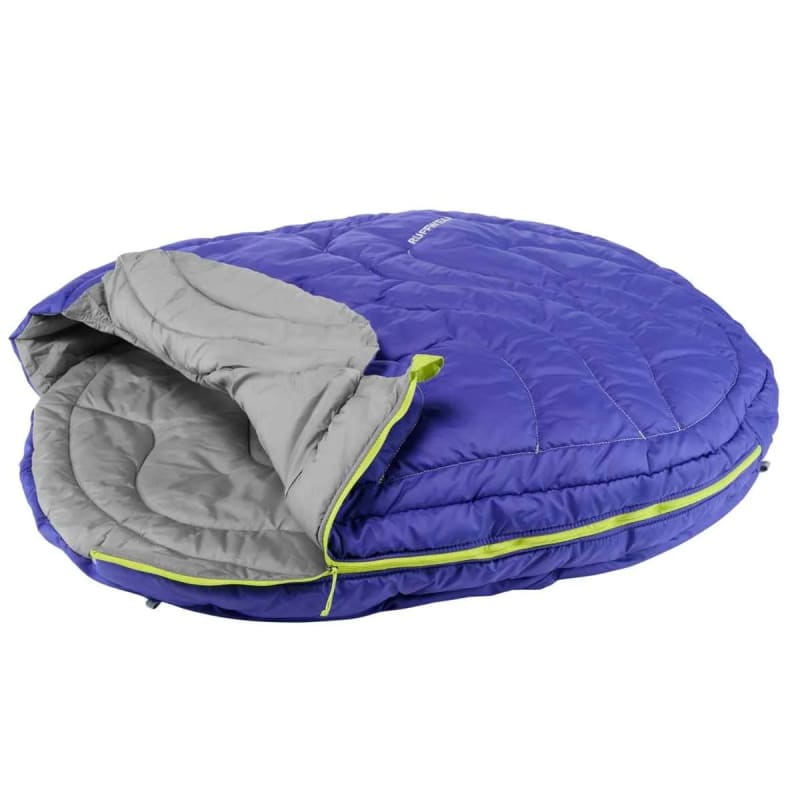 Best Overall | Ruffwear Highlands 4.8 | Rated to 20°F, pad attachment system | Check Price |
 Best Premium | Hurtta Outback Dreamer ECO 4.6 | Circular design, eco-friendly materials | Check Price |
 Best Value | Wilderdog Sleeping Bag 4.5 | Best warmth per dollar spent | Check Price |
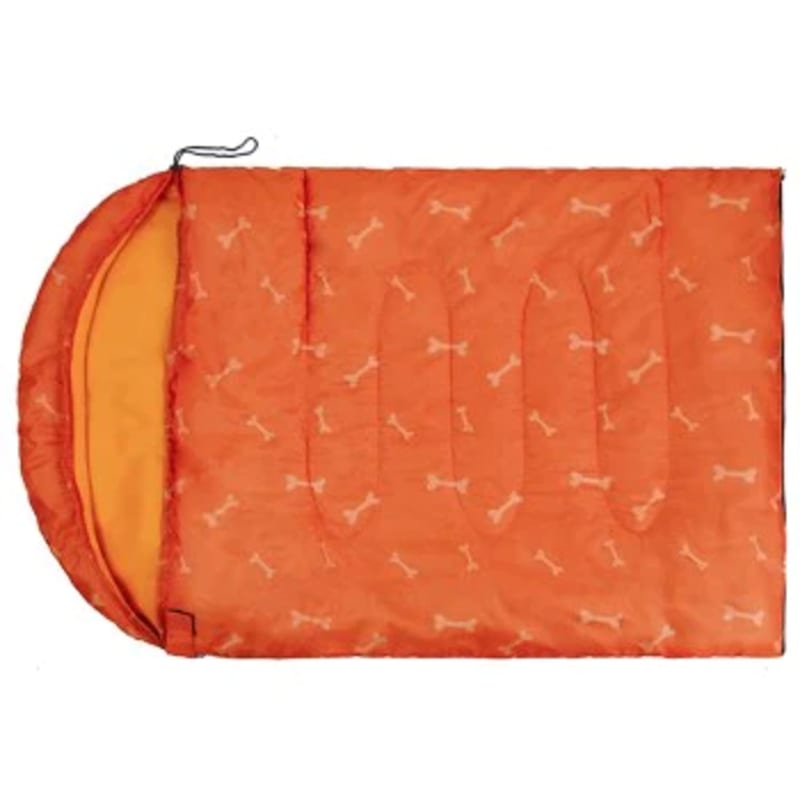 Best Budget | Lifeunion 4.2 | Entry-level, fleece lined, $35 | Check Price |
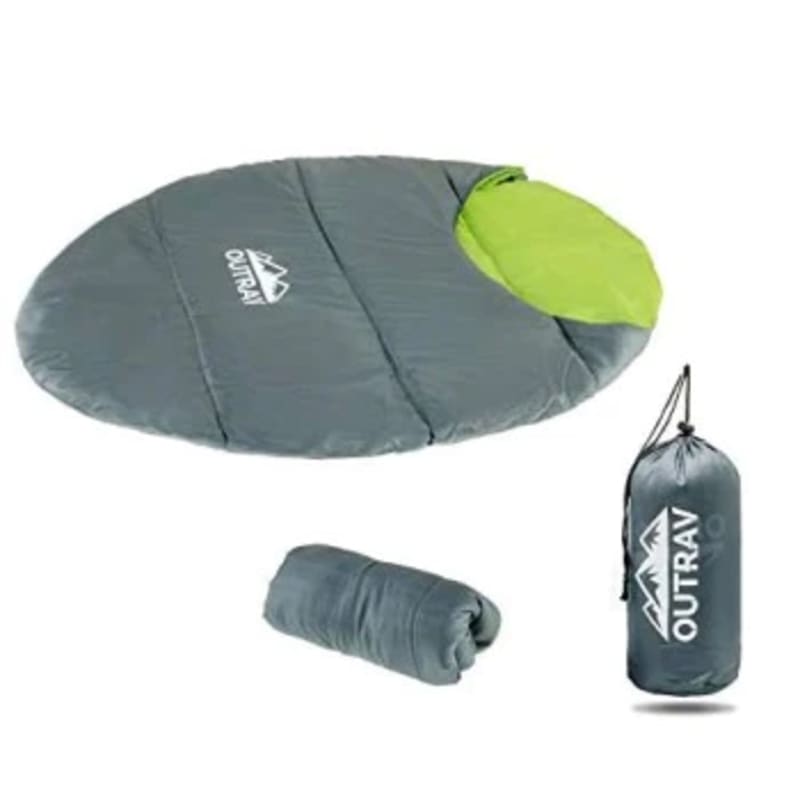 Most Waterproof | Outrav 4 | Fully waterproof shell, thin insulation | Check Price |
Ruffwear Highlands
Best OverallThe Highlands kept both test dogs warm through a 22°F night without any shivering. The recycled polyester fill bounced back after compression, and the attachment points for Ruffwear's sleeping pad create a true sleep system.
The Good
- Synthetic insulation rated to 20°F
- DWR-coated shell sheds moisture
- Attaches to Ruffwear sleeping pads
- Compresses to 7 x 5 inch cylinder
The Bad
- Premium price point at $130
- Only one size fits 35-80 lb dogs
The Ruffwear Highlands earned its reputation. During a November trip to Ice Lake Basin, temperatures dropped to 22°F overnight. The Aussie burrowed into the Highlands and slept soundly for nine hours. The synthetic insulation still felt lofty after being crammed into a stuff sack all day.
What sets the Highlands apart is the system design. The attachment loops connect to Ruffwear's Highlands Pad, creating an insulated cocoon that prevents heat loss to the cold ground. Most heat loss in sleeping bags happens through ground contact, not air temperature.
Best for: Serious backcountry campers who want gear that matches their own sleep system.
Hurtta Outback Dreamer ECO
Best PremiumThe Outback Dreamer ECO appeals to dogs who prefer curling into a ball. The donut shape creates a natural nest, and the eco-friendly materials justify the premium for sustainability-minded owners.
The Good
- Circular design lets dogs curl naturally
- Recycled Houndtex outer shell
- Fluorocarbon-free DWR treatment
- Made in Finland with ethical sourcing
The Bad
- Highest price in category at $150
- Circular shape doesn't pack as small
Hurtta approaches dog sleeping bags differently. Instead of a traditional mummy shape, the Outback Dreamer ECO uses a circular design that mimics how dogs naturally sleep. The Lab mix immediately understood it, circling twice before settling into the raised edges.
The Finnish brand prioritizes sustainability. The Houndtex shell uses recycled polyester, and the DWR coating avoids harmful fluorocarbons. For owners who research the environmental impact of their gear, Hurtta delivers without compromising performance.
Best for: Eco-conscious owners with dogs who sleep curled up rather than stretched out.
Wilderdog Sleeping Bag
Best ValueThe Wilderdog punches above its weight. In side-by-side testing with the Ruffwear Highlands, it kept my dogs nearly as warm down to about 30°F. Below that, the thinner insulation showed its limits.
The Good
- Comparable warmth to bags twice the price
- Water-resistant ripstop shell
- Packs down to included stuff sack
- Works for dogs 30-90 lbs
The Bad
- Thinner insulation than premium options
- No attachment points for pads
If you camp in moderate cold (30-50°F), the Wilderdog offers exceptional value. The ripstop nylon shell survived the Lab's nails without puncturing, and the synthetic fill dried quickly after morning condensation.
The main trade-off is insulation thickness. The Wilderdog uses less fill than premium bags, which affects warmth in deep cold but reduces pack size. For three-season camping, this compromise makes sense.
Best for: Hikers who want quality gear without the premium price tag.
Lifeunion Dog Sleeping Bag
Best BudgetThe Lifeunion works for car camping and mild overnight trips. It's not backcountry-ready, but for $35, it provides surprising comfort in temperatures above 45°F.
The Good
- Unbeatable price for entry-level gear
- Soft fleece lining dogs love
- Machine washable construction
- Includes storage bag
The Bad
- Thin insulation limits cold-weather use
- Water resistance is minimal
The Lifeunion proves you don't need expensive gear to start camping with your dog. The fleece lining attracted both test dogs immediately, and the polyester shell handled light moisture from tent condensation.
Where the Lifeunion falls short is true cold weather. The thin synthetic fill provides minimal insulation below 45°F. But for summer backpacking or car camping shoulder seasons, it's perfectly adequate.
Best for: New dog campers or warm-weather camping where insulation matters less.
Outrav Dog Sleeping Bag
Most WaterproofThe Outrav performs best in wet conditions where waterproofing matters more than warmth. It's best suited for dogs under 60 lbs in mild temperatures.
The Good
- Fully waterproof exterior shell
- Compact packed size for travel
- Good for wet climate camping
The Bad
- Runs small - check measurements carefully
- Thin insulation for cold weather
The Outrav fills a specific niche: wet-weather camping where waterproofing trumps insulation. The fully waterproof shell kept moisture out during a rainy October trip, though the thin insulation meant my dogs needed supplemental warmth from a fleece blanket.
Best for: Rainy-climate campers prioritizing waterproofing over insulation.
What to look for in a dog sleeping bag
Temperature Rating
Unlike human sleeping bags, most dog sleeping bags don't list specific temperature ratings. Use the insulation thickness as a guide:
- Premium bags (3-4" loft): 20-30°F and below
- Mid-range bags (2-3" loft): 30-45°F
- Budget bags (1-2" loft): 45°F and above
Size and Fit
A sleeping bag should let your dog curl up comfortably without excess dead space. Too much room means body heat escapes. Too little room and your dog won't use it.
Shell Material
Look for ripstop nylon or polyester with DWR (durable water repellent) coating. This protects against tent condensation and light rain without the weight of full waterproofing.
Packability
Backcountry campers should prioritize compressed size. The Ruffwear and Wilderdog pack smallest. Car campers can ignore this factor.
How to get your dog to use a sleeping bag
Some dogs instinctively burrow into sleeping bags. Others need encouragement:
- Start at home - Let your dog nap in the bag during the day
- Add familiar scent - Include a worn t-shirt or their blanket
- Practice in the backyard - Simulate camping before heading out
- Stay calm - Your energy affects your dog's comfort level
Frequently Asked Questions
Do dogs really need sleeping bags for camping?
Dogs lose body heat through ground contact, just like humans. A sleeping bag provides insulation from cold ground and traps body heat. Most dogs sleep warmer and more comfortably with some form of insulation.
What temperature is too cold for dogs to camp?
This depends on your dog's breed, coat, and conditioning. Double-coated breeds like Huskies handle freezing temperatures easily. Short-coated dogs may need insulation at 50°F. Use your dog's behavior as a guide - shivering, seeking warmth, or reluctance to settle means they need more insulation.
Can I use a human sleeping bag for my dog?
You can, but human bags aren't designed for dog nails and don't let dogs enter naturally. Purpose-built dog bags use reinforced materials and allow dogs to curl up how they prefer.
How do I clean a dog sleeping bag?
Most dog sleeping bags are machine washable on gentle cycle with cold water. Use pet-safe detergent and air dry completely before storing. Check manufacturer instructions for specific care.
Should I get a sleeping bag or a pad for my dog?
Both serve different purposes. Pads insulate from ground cold. Sleeping bags trap body heat. For best results in cold weather, use both together - the Ruffwear Highlands system is designed exactly for this.