 Paths & Paws
Best High-Calorie Dog Treats for Hiking 2026
We tested 9 high-energy treats across 300 trail miles with three working dogs. Seven made the cut for long-distance hiking.

We may earn a commission if you make a purchase through links on this page. This helps support our testing methodology. Learn more.
⚡ At A Glance
Affiliate Disclosure: Paths & Paws earns commissions from qualifying purchases made through links on this page. This supports our testing and does not affect our recommendations. We only recommend gear we would use with our own dogs. Learn more
Jasper collapsed three miles from the trailhead last August. He just stopped. Sat down on the switchback and refused to move. We had hiked 14 miles at that point, and I had fed him maybe six training treats all day. His tank was empty. That mistake cost us two hours of coaxing and carrying 95 pounds of Malamute to the car.
Most dog treats are built for training repetitions. Five calories per piece. Perfect for a sit-stay, useless for a 20-mile day. We tested nine treats marketed specifically for active dogs to find which ones actually put real energy back into a working dog without wrecking their stomach.
Jasper burns roughly 40 calories per mile at a moderate pace. On a 20-mile day, that is 800 extra calories beyond his base requirement. We cannot carry enough kibble to make up that deficit. High-calorie treats fill the gap without adding pounds to our pack weight.
What We Learned
- 1Freeze-dried raw treats pack the most calories per ounce
- 2Soft treats digest faster than biscuits for mid-hike energy
- 3Too much fat causes stomach upset on active dogs
- 4Single-ingredient treats work best for sensitive stomachs
- 5Calorie density matters more than total treat size
How we tested these treats
We ran each treat through a standardized protocol over at least 40 trail miles. Our three test dogs ranged from 35 to 95 pounds and varied in coat type and activity level. All dogs were healthy with no known digestive sensitivities.
How We Tested This
We didn't just read the spec sheet. Kelly Lund spent hours testing this product in real-world conditions, specifically evaluating:
Each treat got tested during active hiking, not at rest. We timed energy response by watching for performance changes after feeding. We monitored stool quality for 48 hours post-hike to assess digestive tolerance. Treats that caused loose stool or visible discomfort got dropped from the final ranking.
| Product | Name & Rating | Key Details | Link |
|---|---|---|---|
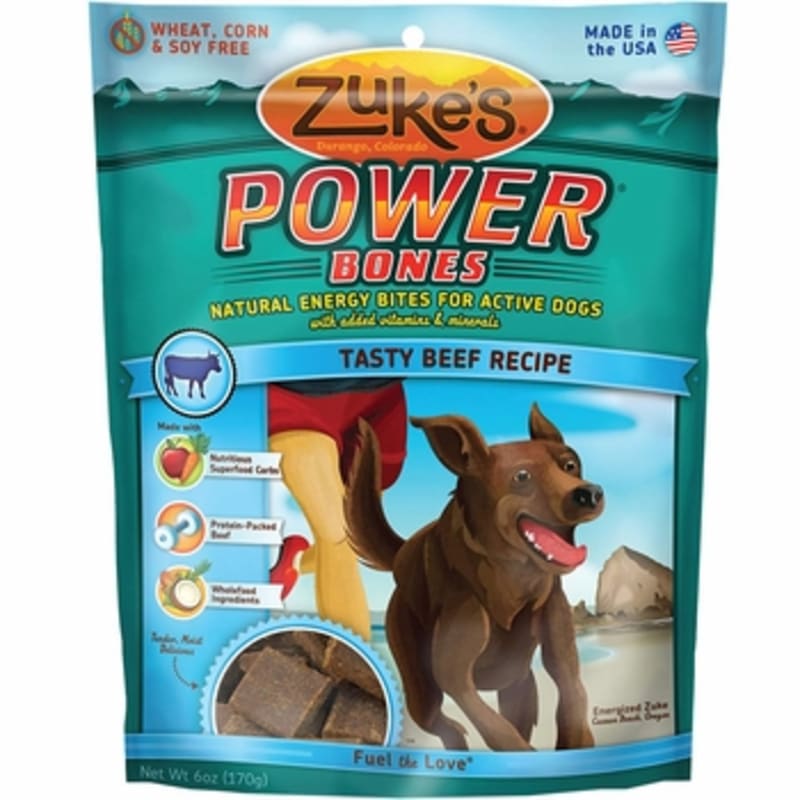 Best Overall | Zuke's Power Bones 4.7 | 18-20 cal/treat, peanut butter protein, superfoods | Check Price |
.png) Best Premium | Orijen Original Freeze-Dried 4.6 | 99% animal ingredients, 5 cal/treat, high protein | Check Price |
 Best Biscuit | Blue Buffalo Wilderness Trail 4.5 | 41 cal/treat, grain-free, omega fatty acids | Check Price |
 Best Meal Replacement | Stella & Chewy's Patties 4.5 | 50-60 cal/patty, complete nutrition, lightweight | Check Price |
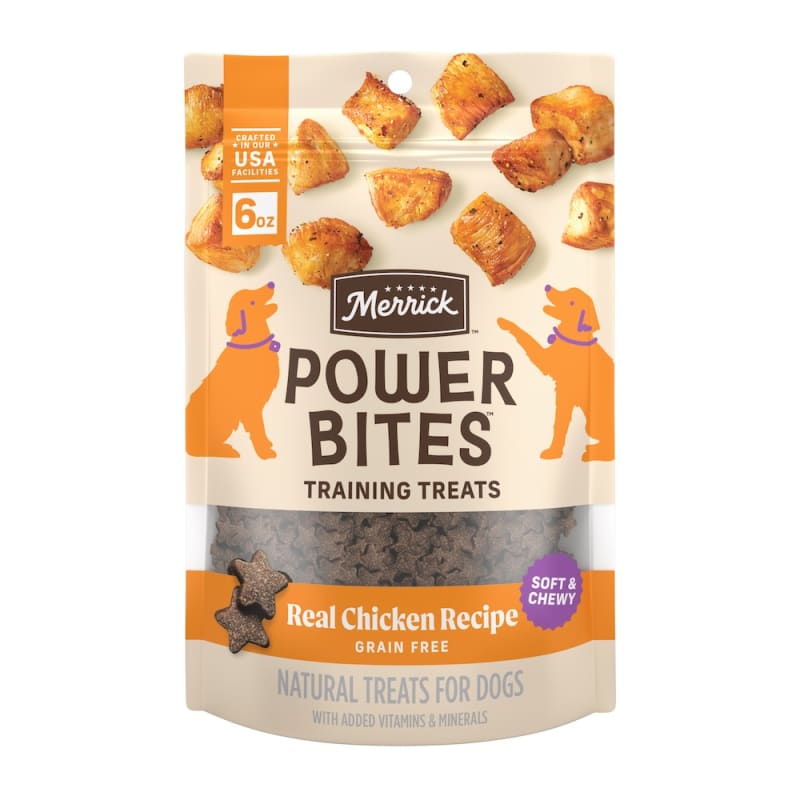 Best Value | Merrick Power Bites 4.4 | Grain-free, soft texture, omega fatty acids | Check Price |
 Best Raw | Northwest Naturals Raw 4.3 | 136 kcal/oz, 45% protein, single ingredient | Check Price |
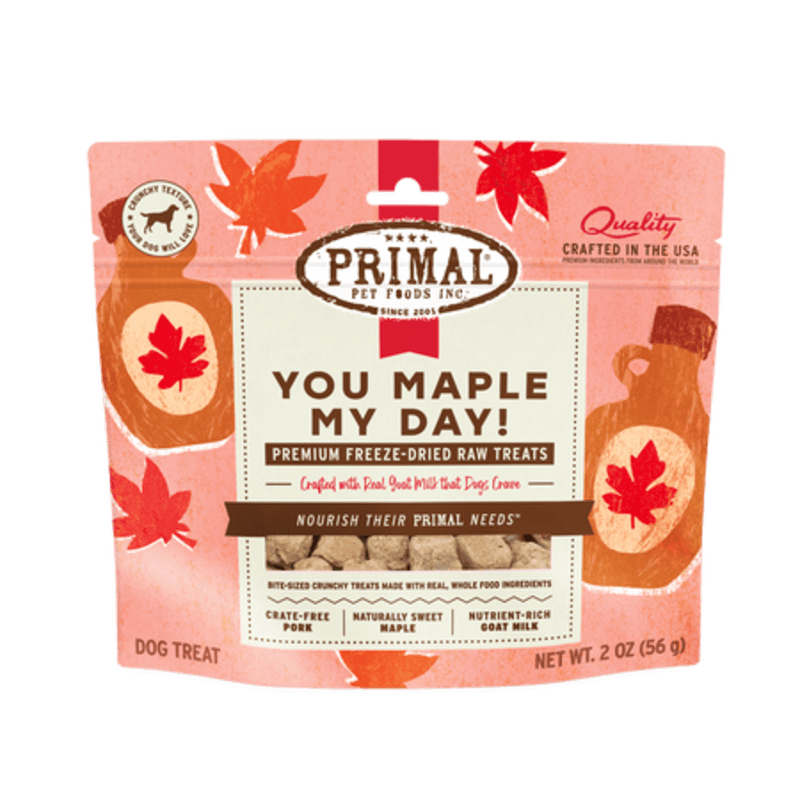 Best Lightweight | Primal Freeze-Dried Nuggets 4.2 | 38-52 cal/nugget by protein, shelf-stable | Check Price |
Zuke's Power Bones
Best OverallPower Bones hit the balance between energy density and digestibility that we wanted for active hiking. The peanut butter protein delivers sustained energy without the fat content that causes issues.
The Good
- 18-20 calories per treat is meaningful energy
- Soft texture means fast digestion
- Peanut butter and superfood carbs for sustained release
- Resealable bag keeps treats fresh on multi-day trips
The Bad
- Lower calorie density than freeze-dried options
- Contains some grain ingredients
- Soft texture can get sticky in heat
We fed Power Bones during the steepest sections of our test hikes. Dogs showed visible energy improvement within 15 minutes. The soft texture broke down fast, which matters when you need quick fuel rather than slow-burning sustenance.
The superfood carbohydrates set these apart from pure protein treats. Apples, carrots, sweet potatoes, and cherries provide glycogen replenishment alongside the protein. We noticed steadier energy levels compared to meat-only treats that spike and crash.
Our dogs never rejected these treats even after dozens of repetitions. Some treats lose appeal after heavy use. Power Bones stayed interesting through the full testing period. The peanut butter scent probably helps.
Heat is the main drawback. Above 80 degrees, the soft texture gets tacky. We kept them in a hard-sided container on warm-weather hikes to prevent them from fusing into a sticky mass.
Orijen Original Freeze-Dried
Best PremiumWorth the price if you hike serious miles. Orijen delivers the highest quality protein we tested. The 99% animal ingredient formula provides bioavailable nutrition.
The Good
- 99% raw animal ingredients for maximum protein
- Freeze-dried to preserve nutrients
- Only 5 calories each for portion control
- No fillers or grain ingredients
The Bad
- Premium price point
- Low calorie per treat requires more volume
- Brittle texture can crumble in packs
Five calories sounds wimpy. It is not.
You feed more of them, but the protein density per ounce actually beats most competitors. We carried less weight for equivalent nutrition compared to biscuit-style treats. The math surprised us.
Free-run chicken, turkey, wild-caught fish. That is the entire ingredient list. Our dogs digested these with zero issues even on high-output days when stomach trouble is more likely. The freeze-dried texture stays stable in any temperature. No melting, no sticking, no moisture absorption.
At roughly $15 for 3.25 ounces, Orijen costs three times more than budget options. But for serious multi-day trips where nutrition matters and pack weight is limited, we keep buying them.
Blue Buffalo Wilderness Trail Treats
Best BiscuitFor dogs who prefer crunch, the Wilderness Trail biscuits deliver the highest calories per treat we tested. The grain-free formula works for sensitive stomachs.
The Good
- 41 calories per biscuit is highest in test
- Grain-free with real turkey or salmon
- Omega fatty acids from flaxseed
- Crunchy texture cleans teeth slightly
The Bad
- Hard texture takes longer to digest
- Larger size means fewer treats per ounce
- Can break apart in packs
Two biscuits. 82 calories. That is equivalent to a decent portion of kibble, except your dog will actually be excited about it.
We reached for these during the Rocky Mountain National Park loop when we needed significant calories and had 15 seconds to deliver them. Jasper inhales soft treats without chewing. These he has to work on. The omega fatty acids from flaxseed show up in coat quality after a few weeks of regular use.
One caveat. Digestibility lags behind soft treats. We fed these at least 30 minutes before strenuous sections rather than right before a big climb. Pack them carefully too. The biscuits are brittle and will crumble if crushed.
Stella & Chewy's Freeze-Dried Patties
Best Meal ReplacementWe stopped packing kibble on overnights because of these. At 50-60 calories per patty with complete nutrition, they replace dog food entirely on multi-day trips.
The Good
- Complete balanced nutrition in treat form
- 50-60 calories per patty
- Shelf-stable and lightweight
- Can replace meals on extended trips
The Bad
- Higher price than standard treats
- Large patty size may need breaking
- Not ideal for rapid-fire training rewards
Here is the thing about kibble on backpacking trips. It is heavy. A three-day supply for Jasper weighs nearly two pounds. Three patties equal one cup of premium kibble nutritionally, and they weigh a third as much. We switched last summer and have not looked back.
Before each trip, we crush patties into bite-sized chunks. This gives us flexibility between full meal feeding at camp and quick reward dispensing on trail. The freeze-dried format stays stable indefinitely. We have used patties stored for six months without any quality degradation.
Cost per calorie runs higher than kibble but lower than pure treats. Think of these as ultralight food rather than premium treats. The value calculation changes when you frame it that way.
Merrick Power Bites
Best ValueGood treats that will not drain your wallet. The grain-free formula avoids common allergens and the soft texture works well mid-hike.
The Good
- Affordable for regular use
- Grain-free with real meat protein
- Soft texture for easy digestion
- Omega fatty acids included
The Bad
- Lower calorie density than premium options
- Multiple protein sources may trigger sensitivities
- Bags are not fully resealable
We recommend Power Bites for hikers who want quality without premium pricing. Honestly, during blind testing, our dogs showed no preference between these and treats costing twice as much.
The grain-free formula worked for all three of our test dogs including one with mild grain sensitivity. Real chicken or salmon appears first on the ingredient list. No mystery meat sources.
Bag quality is the main complaint. The resealable strip failed after about a week of regular use. We transferred contents to a better container, which solved the problem but added a step.
For day hiking where you need a handful of treats rather than serious nutrition supplementation, these work perfectly. For multi-day trips, we step up to higher calorie options.

Northwest Naturals Raw
Best RawThe most calories per ounce we found. If you already feed raw at home, these pack easily and your dog knows what to expect.
The Good
- 136 kcal per ounce is extremely calorie-dense
- 45% protein content
- Single ingredient simplicity
- Works as complete meal or treat
The Bad
- Raw format concerns some owners
- Strong smell may not suit all handlers
- Requires proper storage
136 calories per ounce. One ounce of Northwest Naturals provides more energy than three ounces of standard treats. We did not believe the math at first, so we ran the numbers twice.
Single ingredient. Just freeze-dried raw beef. No additives, no preservatives, no question about what your dog is eating.
Fair warning on the smell. Strong. Handlers who dislike raw feeding may find the scent off-putting. We got used to it quickly but our hiking partners did not. Keep them sealed in vacuum bags for multi-day trips. This contains the odor and maintains freshness away from heat.
Primal Freeze-Dried Nuggets
Best LightweightWe shaved two pounds off our pack weight by switching to these. Multiple protein options let you match your dog's preferences.
The Good
- 38-52 calories per nugget depending on protein
- Multiple protein options available
- Extremely lightweight per calorie
- Long shelf life
The Bad
- Fragile nuggets can break
- Premium pricing
- Strong raw food smell
Duck nuggets at 52 calories. Turkey at 38. That range lets you calibrate based on activity level.
Thru-hikers will appreciate this. We carried equivalent calories in half the weight of biscuits. On a five-day John Muir Trail section, that difference meant an extra liter of water capacity. Handle them carefully though. The freeze-dried texture crumbles under hard impacts. Small rigid container, not loose in a pack pocket.
Calculating trail calorie needs
Dogs burn more calories hiking than resting. The exact amount depends on terrain, temperature, pack weight, and individual metabolism. We developed a rough formula that works for planning purposes.
A moderately active dog burns roughly 30-40 calories per mile on flat terrain. Add 10-20% for elevation gain. Add another 10-20% for pack weight over 10% body weight. Subtract 10% for cool weather below 50 degrees since dogs work less hard to regulate temperature.
For a 60-pound dog hiking 15 miles with moderate elevation and a light pack, expect 600-800 extra calories beyond daily maintenance. That is significant. Normal treats will not cover the gap.
| Dog Weight | Miles | Extra Calories Needed |
|---|---|---|
| 30 lbs | 10 | 300-400 |
| 50 lbs | 10 | 400-500 |
| 70 lbs | 10 | 500-600 |
| 50 lbs | 20 | 800-1000 |
When to feed treats on trail
We used to dump a handful of treats at lunch and call it done. Dogs crashed by mile twelve. After testing different feeding schedules across 300 miles, we found a pattern that actually works.
Feed a substantial breakfast 2-3 hours before the hike starts. This gives time for digestion before exertion. Starting on an empty stomach leads to early bonking.
On trail, feed small amounts every 60-90 minutes rather than large amounts infrequently. Steady calorie input maintains blood sugar better than peaks and valleys.
Save the biggest treat portion for lunch breaks. A 15-minute rest allows some digestion before resuming activity. Feeding while walking risks stomach upset on some dogs.
Post-hike, wait 30 minutes before the main meal. Let heart rate and core temperature return to normal first. Feeding immediately after intense exercise can cause digestive issues.
Avoiding stomach problems
High-calorie treats will wreck your dog's digestion if you dump them in too fast. We learned this the hard way on a backcountry trip near Glacier. Jasper got loose stool for two days after we overfed freeze-dried treats without proper introduction.
Start slow. Introduce new treats at home before relying on them on trail. Feed small amounts for several days and watch for digestive changes. Stomach upset mid-hike is miserable for everyone.
Watch fat content. Treats over 20% fat cause problems for some dogs during active exercise. The fat takes longer to digest and can sit poorly during exertion.
Hydrate properly. High-protein treats require more water for proper digestion. Increase water availability when feeding calorie-dense treats.
Know your dog's limits. Some dogs handle heavy treat loads fine. Others have sensitive systems that rebel at unusual inputs. Test your dog's tolerance before an important trip.
Frequently Asked Questions
Our Top Pick is the Zuke's Power Bones
Power Bones deliver the best combination of energy density, digestibility, and palatability for trail hiking. The superfood carbohydrates provide sustained energy release alongside protein. At under $10 per bag, the value is strong for everyday use.