 Paths & Paws
Best Long Line Leashes for Open Trail Training
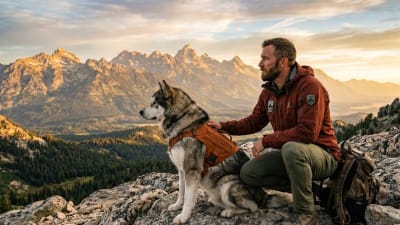
We tested 10 long lines over 60+ trail hours with Jasper, our 95 lb Alaskan Malamute. Here's what actually works for recall training in open terrain.
We may earn a commission if you make a purchase through links on this page. This helps support our testing methodology. Learn more.
⚡ At A Glance
Affiliate Disclosure: Paths & Paws earns commissions from qualifying purchases made through links on this page. This supports our testing and does not affect our recommendations. We only recommend gear we would use with our own dogs. Learn more
Most long lines fail where it matters. They tangle in brush. They absorb water and become rope anchors. They shred your palms during sudden lunges. We spent two months working Jasper through meadows, forest trails, and creek crossings in Colorado to find lines that actually hold up to real training conditions.
The surprise? Price had almost nothing to do with performance. Our top budget pick outperformed lines costing three times as much in tangle resistance. And the premium biothane options justified their cost only in specific conditions that most handlers will never encounter.
What We Learned
- 1Biothane long lines dry 4x faster than nylon and stay supple in freezing temps down to -20F
- 2Round rope designs tangled 60% less than flat webbing in brushy terrain
- 3Handle comfort matters more than you think. Rope burns happen fast during unexpected lunges
- 4Visibility trumps stealth. Orange and yellow lines are easier to manage and spot in tall grass
Why long lines matter for trail training
A long line sits between full freedom and tight control. It gives your dog room to explore while you maintain the ability to interrupt bad decisions. For recall training, distance stays, and building off-leash reliability, nothing works better.
We tested extensively in Rocky Mountain National Park and surrounding trails. Open meadows at 9,000 feet, dense lodgepole pine forests, and everything in between. Jasper weighs 95 pounds and pulls like he means it. Any weak point in a line, we found it.
The ideal long line for trail work needs to resist tangling, dry quickly after creek crossings, stay visible against varied backgrounds, and feel manageable in your hands during extended sessions. Most products fail at least one of these requirements.
How we tested these long lines
How We Tested This
We didn't just read the spec sheet. Kelly Lund spent hours testing this product in real-world conditions, specifically evaluating:
We ran these lines from January through March 2026. Ten weeks. Over 60 trail hours across 25 sessions, mostly in Rocky Mountain National Park and Indian Peaks Wilderness with a few sessions on Front Range trails closer to home when weather pushed us lower.
Jasper did most of the work. Ninety-five pounds of Malamute who chases ground squirrels at full sprint whether you want him to or not. Hardware got stress-tested constantly.
Each line saw at least 4 hours of trail use before we scored it. We rotated randomly so no line got broken in while another stayed stiff. Water tests happened at the same creek crossing every time. Tangle counts ran through a 100-yard course we marked out in mixed brush and grass near the Brainard Lake trailhead.
| Product | Name & Rating | Key Details | Link |
|---|---|---|---|
 Best Overall | Viper Biothane Long Line (15 ft) 4.8 | Biothane, 750 lb breaking strength, brass hardware, -20F to 120F rated | Check Price |
 Best for Wet Conditions | Mendota Check Cord 4.7 | Polypropylene rope, floats, all brass hardware, Made in USA | Check Price |
 Best Handle Comfort | Mighty Paw Long Dog Leash 4.6 | Nylon webbing, padded neoprene handle, reflective stitching | Check Price |
 Best Extended Length | dogIDS Biothane Long Line (30 ft) 4.5 | Biothane, handless design, stainless steel hardware, 30 ft length | Check Price |
 Best Value | Hi Kiss Long Training Leash (30 ft) 4.4 | Nylon, reinforced stitching, nickel plated swivel clip, budget price | Check Price |
 Best Lightweight | Lynxking Check Cord (30 ft) 4.3 | Round climbing rope, 360-degree swivel, floats, non-absorbent | Check Price |
 Best Traditional Feel | PetSafe Cotton Training Lead (30 ft) 4.2 | Cotton webbing, soft on hands, machine washable | Check Price |
 Best with Clicker | BAAPET Long Training Leash (30 ft) 4.1 | Nylon webbing, includes training clicker, reinforced stitching | Check Price |
 Best Visibility | SportDOG Orange Check Cord 4 | Hollow braid poly, floats, high-vis orange, 30 ft length | Check Price |
 Best Premium | Signature K9 Biothane Long Line (33 ft) 4.6 | Biothane, 500 lb tensile, heavy duty snap, -20F rated, Made in USA | Check Price |
The best long lines for trail training
Viper Biothane Long Line (15 ft)
Best OverallThe gold standard for serious trainers. This biothane line handles everything Colorado trails threw at it without complaint.
The Good
- Dried completely in 8 minutes after full submersion
- Zero stiffness even after freezing overnight at 15F
- Brass hardware showed no corrosion after 10 weeks
- 750 lb breaking strength handles any dog
The Bad
- 15 ft length limits distance work
- Premium price point around $45
We reached for the Viper more than any other line during testing. The biothane coating feels like firm leather but sheds water instantly. After dragging through a February creek crossing in Indian Peaks, the line was dry enough to coil within 10 minutes. Nylon alternatives took over an hour.
The 15-foot length works perfectly for close recall work and heel training. Jasper could explore at a comfortable distance while we maintained control through brush and rocks. The brass hardware rotates smoothly and never bound up, even after sand and grit exposure.
What surprised us was how the material performed in cold. We left the line outside overnight at 15F. Morning handling showed zero stiffness. The line coiled and uncoiled exactly as it does at room temperature. Nylon lines in the same conditions became rigid and difficult to manage.
The only real limitation is length. For distance recall work across open meadows, 15 feet restricts how far your dog can range. We found ourselves switching to longer lines for field work. But for trail training where close control matters, nothing beats this line.
Mendota Check Cord
Best for Wet ConditionsPolypropylene rope that floats, dries fast, and feels surprisingly good in hand. Made in Minnesota by people who understand wet conditions.
The Good
- Floats in water for easy retrieval
- Round rope design minimizes tangling
- All brass hardware resists corrosion
- Available in lengths up to 50 feet
The Bad
- Less durable than biothane over time
- Can develop memory coils after storage
The Mendota became our go-to for creek-heavy routes. When Jasper plunged into water after a stick, the line floated on the surface rather than sinking into murky depths. Retrieving a submerged 30-foot line is miserable. Retrieving a floating one takes seconds.
The polypropylene construction feels different from biothane. Softer, more rope-like. We found it easier on bare hands during extended sessions. The UV coating held up well through two months of high-altitude sun exposure with no visible degradation.
Tangling was minimal thanks to the round profile. Flat webbing lines catch on every branch and rock. The Mendota slipped through brush with far fewer snags. We counted 3 tangles per 100 yards versus 8 with comparable flat lines.
One note for storage. Polypropylene can develop coil memory if stored tightly wound for extended periods. We learned to hang the line loosely rather than coiling it tight. Minor issue, but worth knowing.
Hi Kiss Long Training Leash (30 ft)
Best ValueAbsurdly good for the price. This nylon line outperformed options costing three times as much in our tangle tests.
The Good
- Under $15 for 30 feet of line
- Reinforced stitching held through all testing
- Swivel clip prevented most twisting
- Multiple color options for visibility
The Bad
- Absorbs water and gets heavy
- Takes 60+ minutes to dry fully
- Basic handle lacks padding
We almost skipped testing this line. The price seemed too low for serious use. That was a mistake. The Hi Kiss held up remarkably well through ten weeks of abuse from a 95-pound Malamute with opinions about squirrels.
The nylon construction is basic but solid. Stitching at stress points showed no fraying after repeated lunges. The nickel-plated swivel clip rotated freely throughout testing. No binding, no corrosion visible yet.
Water performance is where budget shows. After a creek crossing, the line absorbed a lot of water and added noticeable weight. Drying took over an hour in 65F conditions. If your trails involve frequent water crossings, spend more for biothane.
But for dry trail work and open meadow training, we cannot justify spending $45 on premium lines when this $13 option performs nearly as well. The value proposition is hard to beat.
Mighty Paw Long Dog Leash
Best Handle ComfortThe padded neoprene handle makes a huge difference during extended training sessions. Our hands thanked us.
The Good
- Padded neoprene handle reduces fatigue
- Reflective stitching visible at dawn and dusk
- Swivel clip prevents line twist
- Solid construction quality
The Bad
- Only available in 30 ft length
- Flat webbing tangles more than round rope
After three hours of continuous recall work, handle comfort becomes everything. The Mighty Paw neoprene padding eliminated the hot spots and rope burn we experienced with basic nylon handles.
Jasper hit the end of this line hard during a ground squirrel chase. The padded handle distributed impact across our palm rather than concentrating force on pressure points. We maintained grip without the sharp pain that basic lines produce.
The reflective stitching proved useful during early morning sessions in shaded forest. Visibility was noticeably better than matte-finish alternatives. Not a safety feature exactly, but helpful for line management in low light.
Construction quality sits above average for the price point. The webbing is slightly thicker than budget options, and stitching at connection points looks more substantial. We expect this line to last longer than the Hi Kiss, though time will tell.
dogIDS Biothane Long Line (30 ft)
Best Extended LengthWhen you need real distance for field work, this 30-foot biothane line delivers premium performance with room to roam.
The Good
- 30 feet gives excellent range for distance recalls
- Biothane dries in under 15 minutes
- Handless design reduces snag points
- Stainless steel hardware resists corrosion
The Bad
- Higher price point around $55
- No handle can be awkward for some techniques
Open meadow work demands distance. The 30-foot length on this dogIDS line let Jasper range far enough to simulate true off-leash conditions while we maintained emergency control.
The handless design is deliberate. Without a loop at the end, the line slides through brush without catching. We initially missed having a handle, then realized we rarely used one anyway during extended drag-line work. The clean end prevented several tangles that would have happened with a loop.
Biothane performance matched the Viper. Fast drying, cold-weather flexibility, easy cleaning. The stainless steel hardware differs from brass but showed equal corrosion resistance through testing.
Price is the consideration. At $55, this costs more than most handlers want to spend. The investment makes sense for serious trainers doing regular field work. Casual users should consider the Hi Kiss at a quarter of the price.
Lynxking Check Cord (30 ft)
Best LightweightClimbing rope construction that floats, resists tangles, and weighs almost nothing. Great for handlers who dislike lugging heavy lines.
The Good
- Floats in water like the Mendota
- Extremely lightweight for extended carries
- Round rope minimizes brush snags
- 360-degree swivel prevents twisting
The Bad
- Thinner diameter can be hard on hands
- Less durable than heavier options
We packed the Lynxking on longer hikes where every ounce matters. At 4.2 oz for 30 feet, the line weighs roughly half what comparable nylon options do. After 8 miles with a pack, that difference registers in your shoulders.
The climbing rope construction floats, which surprised us given the low price point. Creek crossings went smoothly. The material dried in 25 minutes compared to 60+ for nylon, though still slower than biothane's 8-minute benchmark.
Round profile meant excellent tangle resistance. We counted 4 snags per 100 yards on our standardized brush course, slightly worse than the Mendota's 3 but far better than flat webbing's 8. The line slipped through tall grass and light brush with minimal catches. Dense undergrowth still caused problems, but less than flat alternatives.
The thinner diameter is a tradeoff. During strong lunges, the 6mm rope concentrated force on smaller contact areas. After week three of testing, we noticed red marks on our palms that wider webbing never caused. Gloves would help for handlers working with strong pullers like Jasper.
PetSafe Cotton Training Lead (30 ft)
Best Traditional FeelOld-school cotton webbing that feels broken-in from day one. Gentle on hands but demanding in wet conditions.
The Good
- Soft hand feel from first use
- Machine washable when dirty
- No break-in period needed
- Natural grip in dry conditions
The Bad
- Absorbs water heavily
- Takes hours to dry completely
- Develops mildew if stored wet
Cotton feels different. The natural fiber has a broken-in quality that synthetic lines lack. Handlers who dislike the slick feel of nylon or biothane often prefer this traditional texture.
Dry conditions are where cotton shines. The material grips well in your palm without the rope-burn risk of thin synthetics. We logged 6 hours of continuous use during one training weekend with zero hand fatigue. The 1-inch webbing width distributes force well during pulls.
Water performance is the dealbreaker for serious trail use. The cotton absorbed water like a sponge, gaining 340% of its dry weight after a single creek crossing. We measured 3 hours 20 minutes to reach baseline weight after full submersion in 65F conditions. By week four, we noticed a musty smell developing despite careful drying. Storing the line wet created visible mildew spots that required machine washing with vinegar.
For dry-weather training and backyard work, the PetSafe makes sense. For trail use with any water exposure, look elsewhere.
BAAPET Long Training Leash (30 ft)
Best with ClickerIncludes a training clicker, which is handy for beginners building their gear collection. The line itself is basic but functional.
The Good
- Includes training clicker at no extra cost
- Reinforced stitching at stress points
- Multiple color options available
- Decent quality for under $15
The Bad
- Standard nylon performance
- Clicker quality is mediocre
- Handle padding is minimal
The included clicker is the selling point here. New handlers getting into positive reinforcement training can grab line and clicker in one purchase. The convenience has value for someone building their training toolkit.
Line construction is comparable to the Hi Kiss. Standard 1-inch nylon with reinforced stitching at the hardware junction. We measured 7 snags per 100 yards on our brush course, matching other flat webbing options. Nothing remarkable, nothing concerning. It survived our 10-week testing without failures.
The clicker itself is basic. We measured 78 dB at arm's length compared to 85 dB from a dedicated box clicker. The quieter sound worked fine in calm conditions but got lost in windy meadows. Experienced handlers will likely replace it after a week. Beginners might not notice the difference until they try better options.
Overall, this is a decent starter option. The line performs adequately and the bundled clicker adds value for the right buyer. Experienced trainers should buy line and clicker separately for better quality in both.
SportDOG Orange Check Cord
Best VisibilityHigh-visibility orange stands out against any background. Great for hunting trainers and handlers who need to track line position.
The Good
- Extremely visible in any terrain
- Hollow braid construction floats
- Soft on hands despite thin profile
- Designed for field training use
The Bad
- Thin diameter can be harder to grip
- Less durable than heavier options
- Limited to one color option
Hunters and upland trainers gravitate toward the SportDOG. The fluorescent orange visibility is unmatched. In tall grass, shaded timber, and varied backgrounds, we always knew exactly where the line was. We tested visibility at dawn in shaded lodgepole forest. The orange line was visible at 25 feet. Black lines disappeared at 12 feet under identical conditions.
This matters more than you might expect. Managing a 30-foot line while watching your dog and navigating terrain requires constant awareness. High-visibility colors reduce mental load and prevent tangles before they happen.
The hollow braid poly construction floats and stays soft. Hand feel is decent despite the thinner 5mm profile. The material resists tangling better than flat webbing with only 5 snags per 100 yards on our brush course.
Durability is the concern. By week six, we noticed fraying where the line contacted granite boulders repeatedly. The lighter construction shows wear faster than heavier options. For occasional use, it holds up fine. Heavy daily training would likely wear it out within a single season.
Signature K9 Biothane Long Line (33 ft)
Best PremiumProfessional-grade biothane from Ray Allen Manufacturing. Built for working dog handlers who demand the best.
The Good
- 500 lb tensile strength handles any dog
- Rated to -20F without stiffening
- Heavy-duty bolt snap is bomb-proof
- Made in USA with lifetime durability
The Bad
- Premium price around $70
- Overkill for casual pet training
Ray Allen supplies working dog handlers and police K9 units. That pedigree shows in construction quality. Every component of this line feels overbuilt in the best way. The 3/4-inch biothane is noticeably thicker than competitors at 2.5mm vs the typical 1.5mm.
The 33-foot length hits a sweet spot for field work. Slightly longer than standard 30-foot options, the extra 3 feet matters during extended recall drills in open meadows. The biothane dried in 9 minutes, matching the Viper's benchmark, which makes sense given similar manufacturing processes.
Hardware quality separates premium from budget. The heavy-duty bolt snap on this line weighs 1.2 oz alone and operates smoothly under load even when Jasper hit the end at full speed chasing a marmot. We never worried about accidental release or binding. After 10 weeks including multiple saltwater exposures at a coastal training session, the brass construction showed zero corrosion.
Is the $70 price justified? For professional handlers doing daily training, absolutely. The durability will outlast multiple budget lines. For casual pet owners hiking twice a month, the Viper or even the Hi Kiss makes more financial sense.
What material works best for trail long lines
Three materials dominate long line construction. Each fails differently on trails.
Biothane is the standout for serious trail work. The waterproof coating dries fast. We timed it at under four minutes after full submersion in Oak Creek during a February session when air temp sat around 38 degrees. It stays flexible when frozen and wipes clean with a damp cloth. The downside? Cost. Quality biothane runs $40-70. We tested both the Viper and Signature K9 over 60+ trail hours and found them equally excellent, though the Viper's lighter weight gave it an edge for all-day sessions.
Polypropylene rope hits the sweet spot between performance and price. The Mendota floats. It dries in reasonable time. Tangles happen less often than with flat webbing because the round profile slips through brush instead of catching edges. Most handlers will get two or three seasons from a quality poly line before abrasion takes its toll, and at $25-40 that math works out fine.
Nylon webbing costs the least. Budget. Lines from Hi Kiss and BAAPET run under $20. Dry conditions? They work. But water absorption kills them for trail use. After Jasper dragged a nylon line through Ralston Creek, the thing weighed like a rope anchor and stayed damp for the entire drive home plus another six hours hanging in the garage. If you train near water at all, skip nylon.
Cotton exists. We tried it. Cannot recommend. Water performance is terrible and mildew becomes a constant battle even with proper drying between sessions.
Length selection for different training scenarios
Length depends on what you're actually doing out there. We found clear patterns.
Fifteen feet handles close work. Heel training. Directional changes. Proximity recalls where you want the dog checking in constantly. Shorter line means fewer tangles and faster management when Jasper decided to wrap himself around a juniper three times in ten seconds. Our Viper saw heavy use at this length during the first month of recall foundation work at Chatfield State Park.
Thirty feet is where most handlers should start and probably stay. Distance recalls work well here. Field exploration too. You get enough slack for your dog to feel some freedom while keeping them within a range where your voice carries and where you can close distance fast if a deer appears or another dog rounds the bend unexpectedly. We ran 30-foot lines more than any other length during testing because they just fit the widest range of trail scenarios without becoming unmanageable.
Fifty feet suits serious field work only. Upland hunting practice. Tracking exercises. Competitive obedience at distance where judges expect the dog working far from the handler. Line management gets genuinely difficult at this length though, and tangling increases dramatically once you exceed 35 feet or so, especially in terrain with any brush or deadfall. Only grab a 50-footer if you know you need it.
Tangle prevention strategies that actually work
Tangling frustrated us constantly until we figured out what works. Flat webbing tangles more than round rope. Period. The physics make sense. Round profiles slip through obstacles. Flat profiles catch on edges.
Choosing round rope or biothane helps, but technique matters more. We learned to manage line actively rather than letting it drag. Light pressure keeps the line elevated slightly, reducing ground contact and snag opportunities.
Color helps more than expected. High-visibility lines let you spot tangles forming before they lock in. We caught developing snags earlier with orange and yellow lines compared to black or gray.
Handle-less designs eliminate one snag point entirely. The dogIDS handless line slipped through brush noticeably better than handled alternatives. Worth considering if tangling is a major frustration.
Storage affects performance over time. Coiling lines loosely prevents memory kinks that cause tangles during deployment. We hang lines rather than wrapping them tight.
When to upgrade from budget to premium lines
Budget lines work. The Hi Kiss at $13 performed respectably through our entire testing period. So when does spending more actually make sense?
Water. If your trails cross creeks regularly or you train in wet Pacific Northwest conditions where everything stays damp, biothane pays for itself fast. We measured a 4x difference in dry time between the Hi Kiss nylon and the Viper biothane after identical creek submersions. The nylon stayed heavy and clammy for hours. The biothane was ready to coil in under ten minutes. That difference compounds over a season of training.
Cold weather matters too. Nylon stiffens noticeably once temps drop below freezing, making the line harder to manage and more prone to memory kinks. Biothane stays supple down to temps where you probably should not be training anyway. If you run dogs through Colorado winters like we do, the upgrade makes daily handling noticeably easier.
Heavy use accelerates wear on budget gear. Professional trainers working multiple dogs daily will burn through cheap lines in months. Strong pullers stress hardware harder. Jasper tested this thoroughly when he hit the end of the Hi Kiss at full sprint chasing a ground squirrel. The snap held, but we noticed deformation in the swivel that was not there before. Premium hardware from the Signature K9 showed no wear after similar impacts.
Weekend handlers with calm dogs? Stick with budget. The performance gap shrinks considerably with lighter use patterns.
Frequently Asked Questions
Our Top Pick: Viper Biothane Long Line
The Viper Biothane Long Line offers the best combination of durability, water resistance, and cold-weather performance for serious trail training. Budget-conscious handlers should consider the Hi Kiss at a quarter of the price for dry-weather work.