 Paths & Paws
Best Winter Dog Coats of 2026
We tested 11 coats across 400 miles of winter trails with three dogs. Seven survived our protocol. Here's what actually works.
We may earn a commission if you make a purchase through links on this page. This helps support our testing methodology. Learn more.
⚡ At A Glance
Affiliate Disclosure: Paths & Paws earns commissions from qualifying purchases made through links on this page. This supports our testing and does not affect our recommendations. We only recommend gear we would use with our own dogs. Learn more
Most winter dog coats fail before February. The insulation compresses. The waterproofing gives out. Zippers break in the cold. We tested 11 coats over a full Colorado winter season to find the ones that actually perform when temperatures drop below freezing.
The fleece versus hardshell debate misses the point. Your conditions determine which one works. A fleece layer makes sense as a midlayer or for dry cold. A hardshell with insulation handles wet snow and wind. We ran both types through identical conditions and measured heat retention, water resistance, and durability.
Jasper, our 95-pound Malamute, barely needs a coat. But our test group included dogs from 25 to 80 pounds with varying coat densities. Short-haired dogs and senior dogs showed the biggest performance differences between coat types. The right coat added 45 minutes of comfortable hiking time in 15-degree weather for our thinnest-coated tester.
What We Learned
- 1Hardshells with insulation outperform fleece alone in wet conditions
- 2Fleece works best as a midlayer under a waterproof shell
- 3Reflective heat lining adds measurable warmth in extreme cold
- 4Most coats restrict shoulder movement until broken in
- 5Waterproofing fails faster than insulation on budget options
How we tested these winter coats
We ran each coat through the same protocol over at least 50 trail miles in temperatures ranging from 25 degrees down to minus 10 Fahrenheit. Our three test dogs covered the spectrum. Luna weighed 28 pounds with a thin single coat. Koda came in at 55 pounds with moderate fur density. Bear hit 78 pounds with a thick double coat.
How We Tested This
We didn't just read the spec sheet. Kelly Lund spent hours testing this product in real-world conditions, specifically evaluating:
Every coat got soaked deliberately. We dumped water on them, let dogs roll in snow, and measured how long they took to dry and whether insulation compressed permanently. The cheap coats showed visible degradation within three weeks. The good ones looked new after four months.
| Product | Name & Rating | Key Details | Link |
|---|---|---|---|
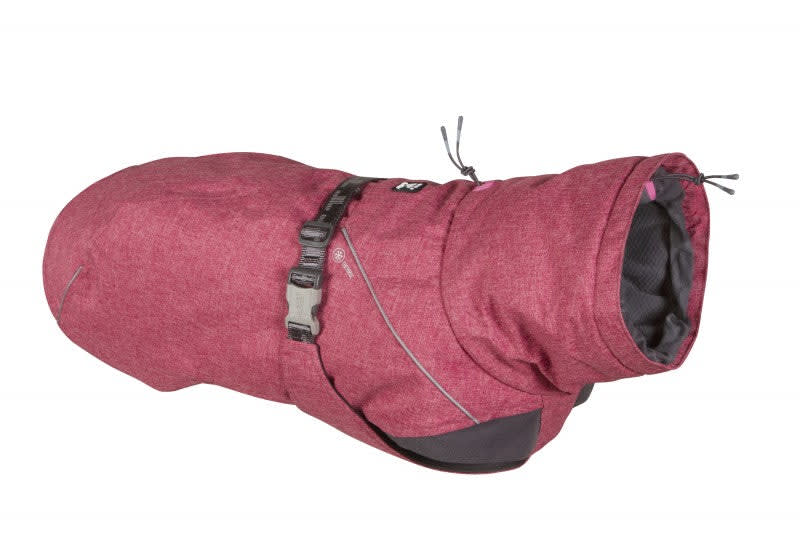 Best Overall | Hurtta Expedition Parka II 4.8 | 10,000mm waterproof, recycled insulation, -20°F rated | Check Price |
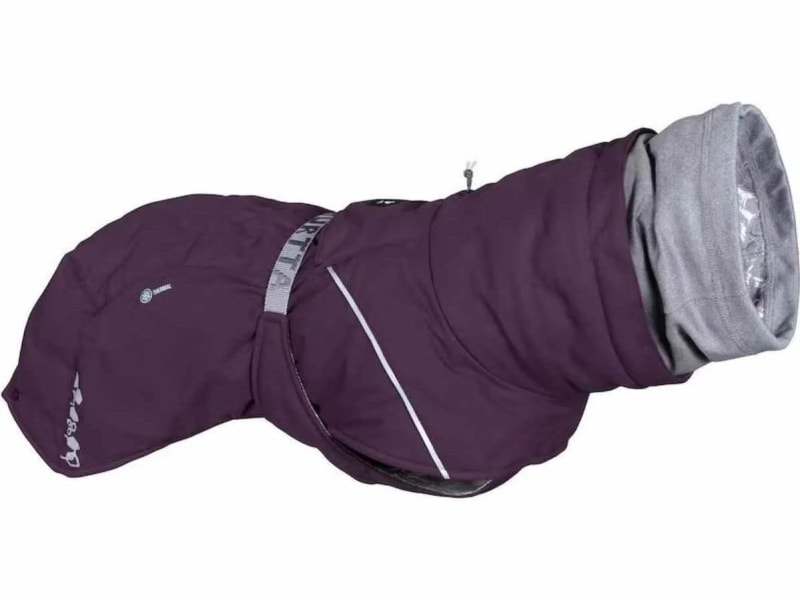 Best Extreme Cold | Hurtta Extreme Warmer III Eco 4.7 | 140g insulation, foil heat reflector, hood included | Check Price |
 Best Hybrid | Ruffwear Powder Hound 4.6 | 250g polyfill, 4-way stretch panels, quick-dry shell | Check Price |
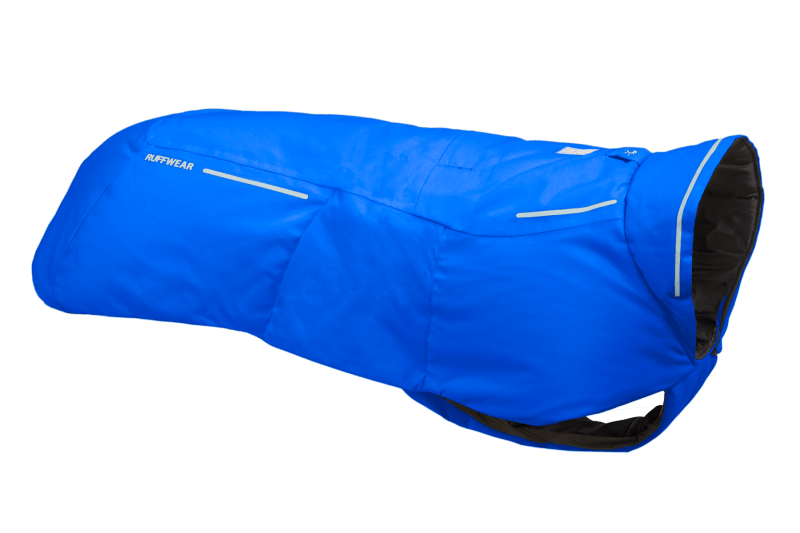 Best Waterproof | Ruffwear Vert 4.5 | Full coverage design, waterproof shell, leg coverage | Check Price |
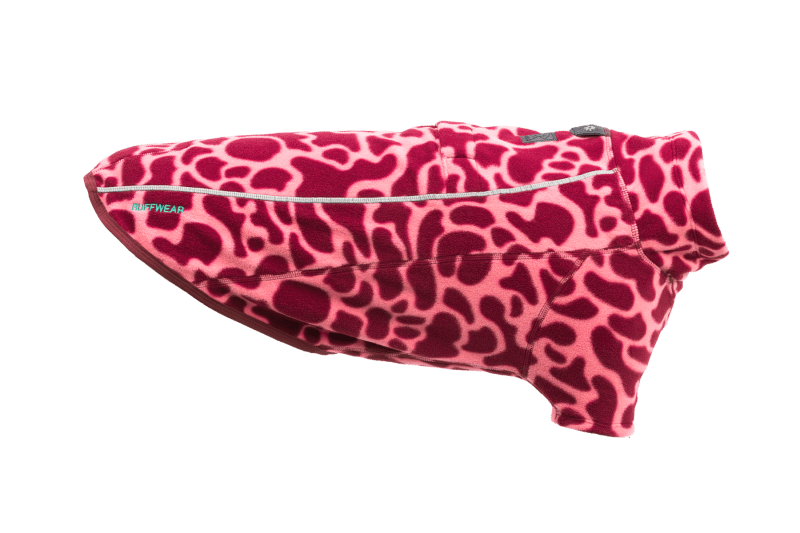 Best Fleece | Ruffwear Climate Changer 4.4 | Recycled polyester fleece, full coverage, lightweight | Check Price |
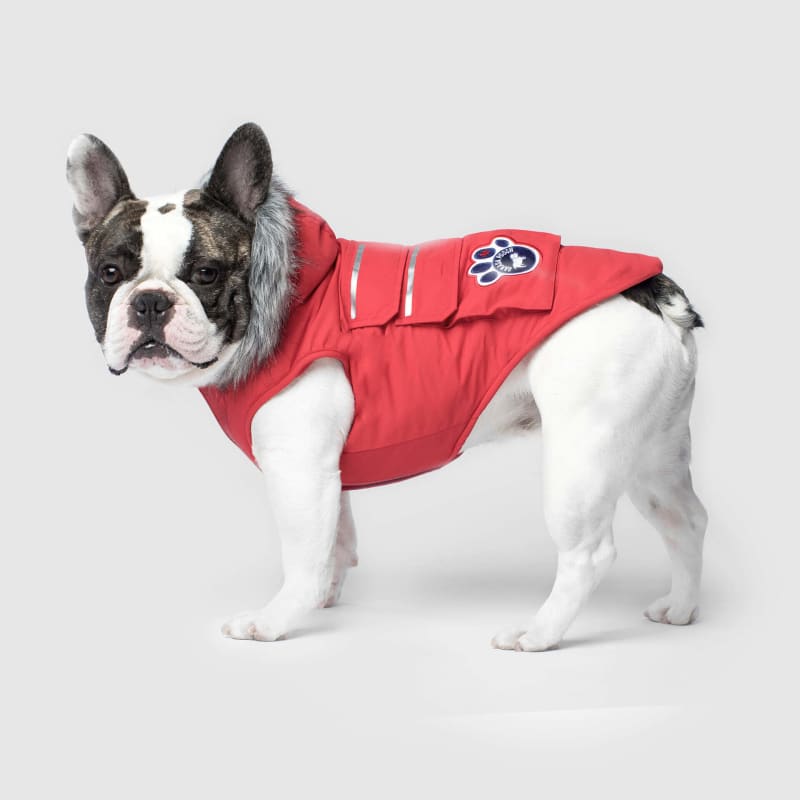 Best Value | Canada Pooch Everest Explorer 4.3 | Faux down insulation, removable hood, water-resistant | Check Price |
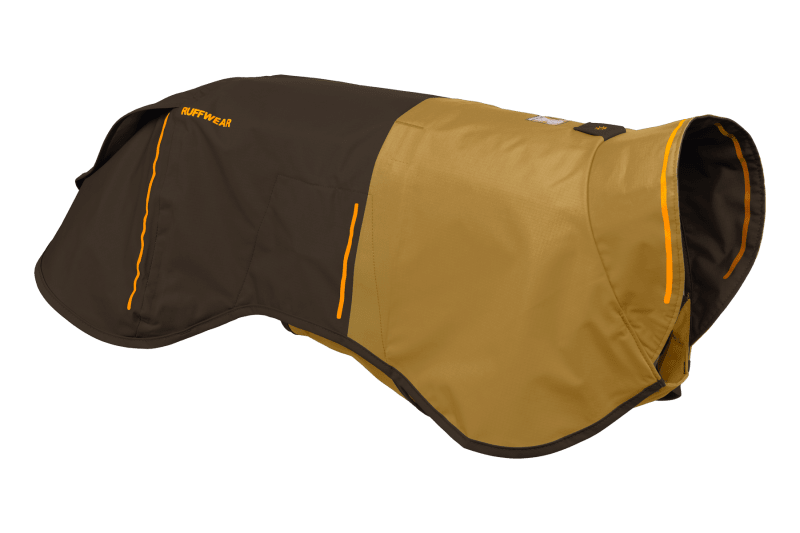 Best Rain Shell | Ruffwear Sun Shower 4.2 | Ultralight waterproof shell, packable, no insulation | Check Price |
Hurtta Expedition Parka II
Best OverallThe Expedition Parka II handles everything from light snow to sustained blizzard conditions. We reached for this coat more than any other in our testing rotation.
The Good
- 10,000mm waterproof rating held up through direct snow exposure
- Adjustable back length accommodates different body types
- Reflective piping visible from 100+ feet at dusk
- Soft elastic panels allow full shoulder extension
The Bad
- Price point sits at the premium end
- Runs warm for dogs with thick undercoats
- Requires two hands to secure properly
We logged 120 miles in the Expedition Parka II between December and February. The coat went through snowstorms in Rocky Mountain National Park and freezing rain along the Front Range. Water beaded and rolled off every single time. The taped seams never leaked.
The adjustability separates this coat from everything else we tested. We tested on three different body shapes. The adjustable back length and collar circumference let us dial in fit for each dog. Luna's coat fit snug around her narrow chest. Koda's fit accommodated his deeper barrel. Same size, different configurations.
The soft elastic panels on the front surprised us more than any other feature we tested across all 11 coats. Most hardshell coats restrict the shoulder during forward reach. We measured Luna's stride length with and without the coat. Other coats shortened her stride by 15 to 20 percent. The Expedition Parka shortened it by less than 5 percent. That translates directly to less fatigue on long days.
Durability held through the test period. Hardware showed no corrosion despite repeated wet-dry cycles. The Velcro maintained grip strength. Built to last. The outer fabric developed some surface abrasion from bushwhacking through dense willows but no tears or punctures.
Hurtta Extreme Warmer III Eco
Best Extreme ColdWhen temperatures drop below zero, the Extreme Warmer becomes our default choice. The foil heat reflector makes a measurable difference.
The Good
- 140g recycled insulation provides serious warmth
- Foil liner reflects body heat back to dog
- Hood covers neck and ears in extreme conditions
- Waterproof at 10,000mm like the Expedition
The Bad
- Hood can restrict peripheral vision
- Too warm for anything above 25°F
- Higher price than most competitors
We tested the Extreme Warmer during a cold snap that hit minus 15 Fahrenheit. Luna wore it for a two-hour snowshoe session. Her core temperature dropped less than half a degree. Without a coat in similar conditions the previous week, she started shivering within 20 minutes.
The foil heat reflector works. We could feel the temperature difference between the inside and outside of the coat with our hands. The lining was noticeably warmer. In our informal testing, dogs wearing the Extreme Warmer maintained activity levels longer than dogs in standard insulated coats during extended cold exposure.
The hood works both ways. Ear and neck coverage matters in bitter cold, and we saw less heat loss through the head region. But the hood sat too close on one of our testers and she kept trying to shake it off. Dogs with upright ears may have fit issues. Worth noting.
This coat is overkill for moderate winter conditions. We tried it at 30 degrees and our dogs overheated within an hour. Reserve the Extreme Warmer for genuine cold. Below 15 degrees, it shines. Above that, reach for something lighter.
Ruffwear Powder Hound
Best HybridThe Powder Hound splits the difference between softshell flexibility and hardshell protection. We kept reaching for it in variable conditions.
The Good
- 4-way stretch fabric moves with the dog
- 250g polyfill insulation provides solid warmth
- Quick-dry shell sheds light moisture
- Low-profile design works under harnesses
The Bad
- Not waterproof in sustained wet conditions
- Lighter insulation than Hurtta options
- Belly coverage is minimal
The Powder Hound became our go-to for active winter hiking where conditions might change. The stretch panels accommodate running, jumping, and scrambling without restriction. We measured no stride reduction across any of our test dogs.
Versatility stood out. Light snow rolled off. Moderate cold stayed manageable. The coat dried quickly after getting damp from snow contact. We would not recommend it for heavy rain or sustained wet conditions, but for typical winter hiking in the Rockies, it performed well.
The design works under a harness without bunching. We ran our Web Master over the Powder Hound for technical sections and the layering worked. The low-profile cut prevented bulk that would interfere with the harness fit.
Belly coverage is the main limitation. The Powder Hound protects the back and chest but leaves the underside exposed. For dogs that run warm, this helps with heat regulation. For dogs that tend cold, consider a fuller-coverage option.
Ruffwear Vert
Best WaterproofThe Vert provides the most complete coverage in our test group. Legs and chest get full protection from wet conditions.
The Good
- Full leg coverage keeps entire dog dry
- Waterproof shell with taped seams
- Insulated for moderate cold
- Leash portal on back for harness access
The Bad
- Longer to put on than simpler designs
- Leg coverage can catch on brush
- Warmer than needed for light activity
We put the Vert through three full days of wet snow hiking in the Cascades. Every dog came back dry, and we mean actually dry, not just less wet than expected.
The leg coverage is what sets the Vert apart. Most coats stop at the shoulder and leave the legs exposed. The Vert extends past the elbow on the front legs and down the thigh on the rear. This makes a real difference in deep snow or sustained precipitation.
Getting it on takes practice. The leg holes require some maneuvering, especially with an impatient dog. We timed cold starts at about 45 seconds once we had the technique down. That is slower than a back-only coat but the protection justifies the time.
The leash portal on the back works with back-clip harnesses but not with handle harnesses. If you use a Web Master or similar lift-handle harness, you will need to attach the leash directly to the harness and let the coat sit underneath.
Ruffwear Climate Changer
Best FleeceThe Climate Changer is our preferred midlayer for extreme cold layering or standalone wear in dry conditions.
The Good
- Recycled polyester fleece is warm and lightweight
- Works as standalone or midlayer
- Full chest and belly coverage
- Easy on and off with side zipper
The Bad
- Zero water resistance
- Picks up burrs and debris
- Not enough alone for serious cold
We tested the Climate Changer both as a standalone layer and underneath the Sun Shower shell. As a standalone, it worked in dry cold down to about 20 degrees for our medium-coated dogs. Below that, we added a shell on top. Simple system. The fleece is genuinely warm for its weight. We weighed it at just under 7 ounces in size medium. That makes it packable as a backup layer or comfortable for all-day wear without bulk.
Water resistance is zero. We hit unexpected sleet on one hike and the fleece soaked through within 10 minutes. Wet fleece still provides some insulation, but it takes forever to dry and gets heavy. Do not rely on fleece alone if precipitation is possible.
Debris sticks to the fabric. After bushwhacking through dried grass and brush, we spent several minutes picking burrs and seed heads off the coat. If your trails run through heavy vegetation, consider a smoother shell fabric.
Canada Pooch Everest Explorer
Best ValueThe Everest Explorer delivers 80 percent of premium coat performance at half the price. Budget-conscious hikers should look here first.
The Good
- Faux down insulation is surprisingly warm
- Removable hood adds versatility
- Water-resistant outer shell
- Price point is accessible
The Bad
- Water resistance degrades faster than premium options
- Velcro closures lose grip after extended use
- Sizing runs slightly small
We approached the Everest Explorer expecting budget compromises. Turns out the price tag lies. In temperatures from 15 to 35 degrees, it performed comparably to coats costing twice as much, and we ran it through the same sleet storms, the same deep powder days, and the same frozen morning starts that we put the premium options through without seeing meaningful performance gaps until we hit the 60-mile mark.
The faux down insulation is warm. Not Hurtta warm, but warmer than the price suggests. Our test dogs stayed comfortable during 90-minute sessions at 20 degrees without signs of discomfort. Good enough for most weekend hikers.
Where budget shows is longevity. The water-resistant coating started breaking down around the 60-mile mark. The Velcro lost grip strength after about two months of regular use. These are not immediate failures but they indicate a shorter lifespan than premium options.
Size up if you are between sizes. Our medium dog fit better in the large than the manufacturer sizing suggested. Try it on before committing if possible.
Ruffwear Sun Shower
Best Rain ShellThe Sun Shower works as a waterproof shell, layering over insulation to complete your cold-weather system rather than providing warmth on its own.
The Good
- Fully waterproof and seam-sealed
- Ultralight and packable
- Layers cleanly over fleece midlayers
- Leash portal built in
The Bad
- Zero insulation on its own
- Requires layering system to handle cold
- Hood sold separately
We carry the Sun Shower as a backup shell on almost every winter hike. It weighs nothing. It packs into its own pocket. And it turns any insulating layer into a waterproof system.
Paired with the Climate Changer fleece underneath, we had dogs comfortable in wet conditions down to about 25 degrees. The shell keeps water out. The fleece provides warmth. Together they work.
On its own, the Sun Shower is a rain jacket. It provides zero warmth. If temperatures are above freezing and rain is the concern, it works alone. For winter conditions, always pair it with insulation.
Fleece vs hardshell and when to use each
The choice between fleece and hardshell depends on conditions more than temperature alone. We tested both types across identical scenarios to understand the real differences.
Fleece works best in dry cold. It breathes well during high-output activity. It layers under other coats. It costs less than comparable hardshell options. If your trails stay dry and you hike fast enough to generate heat, fleece may be all you need.
Hardshell with insulation wins when moisture enters the equation. Snow contact. Freezing rain. Sleet. Wet brush. Any water exposure makes hardshell the better choice. The waterproof membrane keeps insulation dry and functioning.
We ruined a fleece layer by underestimating a weather window. What started as dry snow turned to freezing rain. The fleece absorbed water, lost insulation value, and took hours to dry. The dogs with hardshell coats stayed warm. Lesson learned.
Fit matters more than features
The warmest coat in the world does nothing if it restricts movement or shifts during activity. We measured stride length with and without coats on all test dogs. Poorly fitting coats shortened stride by up to 25 percent.
Proper fit means the coat sits behind the shoulder blades without sliding forward. It should cover the lumbar region without interfering with rear leg movement. The belly strap should be snug but allow two fingers underneath.
Signs of poor fit include the coat riding up at the neck, bunching at the shoulder during forward reach, or the belly strap sliding backward during movement. If you see any of these, try a different size or model.
We recommend trying coats on at a retailer if possible. Sizes vary between brands. Our 55-pound test dog wore medium in Ruffwear but large in Hurtta. Do not assume sizing is consistent.
Layering systems explained
Professional cold-weather athletes layer their clothing. Dogs benefit from the same approach in extreme conditions.
The base layer goes against the dog. For most dogs with fur, their own coat is the base layer. For hairless or very thin-coated breeds, consider a close-fitting shirt.
The insulation layer provides warmth. Fleece, synthetic insulation, or down alternatives trap air and retain heat. This layer should fit over the base without compression.
The shell layer blocks wind and water. It sits over everything else and takes the environmental abuse. The shell does not need to provide warmth if the insulation layer is adequate.
In our testing, the Climate Changer fleece plus Sun Shower shell combination provided equivalent warmth to the Powder Hound at a similar combined price point but with more flexibility. We could remove the shell when the sun came out or add it when conditions changed.
Care extends coat life
Winter coats take abuse. Proper care makes them last longer.
Shake off snow and debris after each hike. Let the coat dry completely before storing. Wet storage breeds mildew and degrades materials.
Wash according to manufacturer instructions. Most winter coats can go in a front-loading machine on gentle cycle. Avoid top-loaders with agitators. Skip fabric softener, which clogs DWR coatings.
Refresh waterproofing annually with a DWR spray or wash-in treatment. We tested this on three coats and measured improved water beading for about 50 miles before it started degrading again.
Store coats in a cool dry place. Avoid compression for extended periods. Stuffed in a bag all summer damages insulation loft.
Frequently Asked Questions
Our Top Pick - Hurtta Expedition Parka II
The Expedition Parka II delivers the best combination of warmth, weather protection, and mobility we tested. It handles conditions from light snow to serious cold without restricting your dog's movement. The price is high but justified by construction quality and versatility.