 Paths & Paws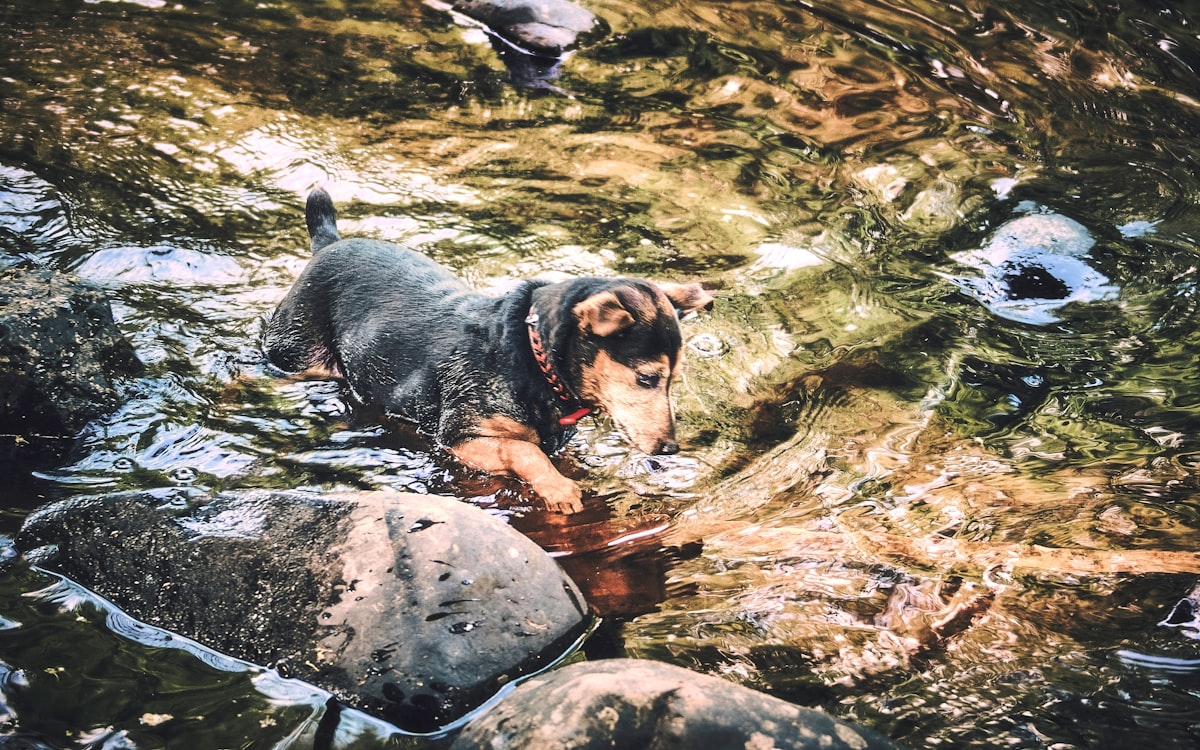
Your dog spots the stream before you do. They're pulling toward it, tongue out, clearly ready to drink. The water looks crystal clear, tumbling over rocks in a mountain meadow. It seems cleaner than anything that comes out of a city tap. So you let them drink.
Three days later, they have diarrhea that won't quit.
What You'll Learn
- 1Why clear mountain water can still make your dog sick
- 2The parasites and bacteria found in wilderness water sources
- 3Which water sources carry lower risk on the trail
- 4Practical strategies for keeping your dog hydrated safely
The short answer
Moving water in the backcountry is generally safer than still water, but neither is truly safe. Giardia, leptospirosis, and other pathogens exist in even the cleanest-looking mountain streams. Wildlife upstream contaminates the water in ways you can't see.
Should you ever let your dog drink from streams? We do, selectively. But we understand the risks and watch for symptoms afterward. We also carry enough clean water to limit how much stream drinking happens.
The reality is that most dogs will drink from wild water at some point on a hike. Our job is to minimize exposure and know what to do if they get sick.
What lurks in that clear water
Water clarity tells you nothing about safety. A stream can be cold, fast-moving, and visually pristine while still carrying organisms that cause disease.
The main concerns in mountain water:
| Pathogen | Source | Symptoms in Dogs |
|---|---|---|
| Giardia | Wildlife feces, especially beaver | Diarrhea, vomiting, weight loss |
| Leptospirosis | Urine from infected wildlife | Fever, muscle pain, kidney failure |
| Cryptosporidium | Feces from wildlife and livestock | Watery diarrhea, dehydration |
| Campylobacter | Bird and mammal feces | Bloody diarrhea, fever |
All of these organisms survive in cold water. Some persist for months. The beautiful alpine stream that looks untouched by civilization is actually a highway for wildlife, and wildlife leaves things behind.
Blue-Green Algae
Standing water with a greenish scum or unusual color may contain cyanobacteria (blue-green algae). This is not just an infection risk. It can be acutely toxic. Keep your dog away from any water that looks off.
Giardia: The most common culprit
Giardia deserves its own section because it's the pathogen your dog is most likely to encounter. It's everywhere. One study found giardia cysts in 7% of stream water samples taken from wilderness areas with no human development upstream.
Beavers are the classic carriers, but deer, elk, coyotes, and other mammals also shed giardia. The cysts survive for months in cold water. Your dog doesn't need to drink much contaminated water to get infected.
Symptoms usually appear within one to two weeks:
- Sudden diarrhea, often foul-smelling
- Soft, greasy-looking stools
- Occasional vomiting
- Weight loss if the infection persists
- Some dogs show no symptoms but still carry and shed the parasite
Treatment is straightforward with veterinary care. Metronidazole or fenbendazole clears most infections. But untreated giardia can lead to chronic digestive issues and malnutrition.
We've dealt with giardia twice. Both times we noticed loose stools a week or so after a backpacking trip. A fecal test confirmed it, antibiotics cleared it, and life went on. It's not a disaster, but it's also not something you want happening regularly.
Other waterborne threats
Leptospirosis is less common than giardia but more dangerous. The bacteria spread through the urine of infected animals, particularly rodents, raccoons, and skunks. Stagnant puddles and slow-moving water near wildlife activity carry the highest risk.
Unlike giardia, leptospirosis can cause serious organ damage. Symptoms include fever, lethargy, vomiting, muscle stiffness, and eventually kidney or liver failure if untreated. A vaccine exists and provides reasonable protection if you hike frequently in high-risk areas.
Cryptosporidium acts similarly to giardia but is harder to treat. Campylobacter causes more acute symptoms, including bloody diarrhea. Both are less common than giardia but present in wilderness water.
Which water sources are safer
Not all backcountry water carries equal risk. Some sources are cleaner than others.
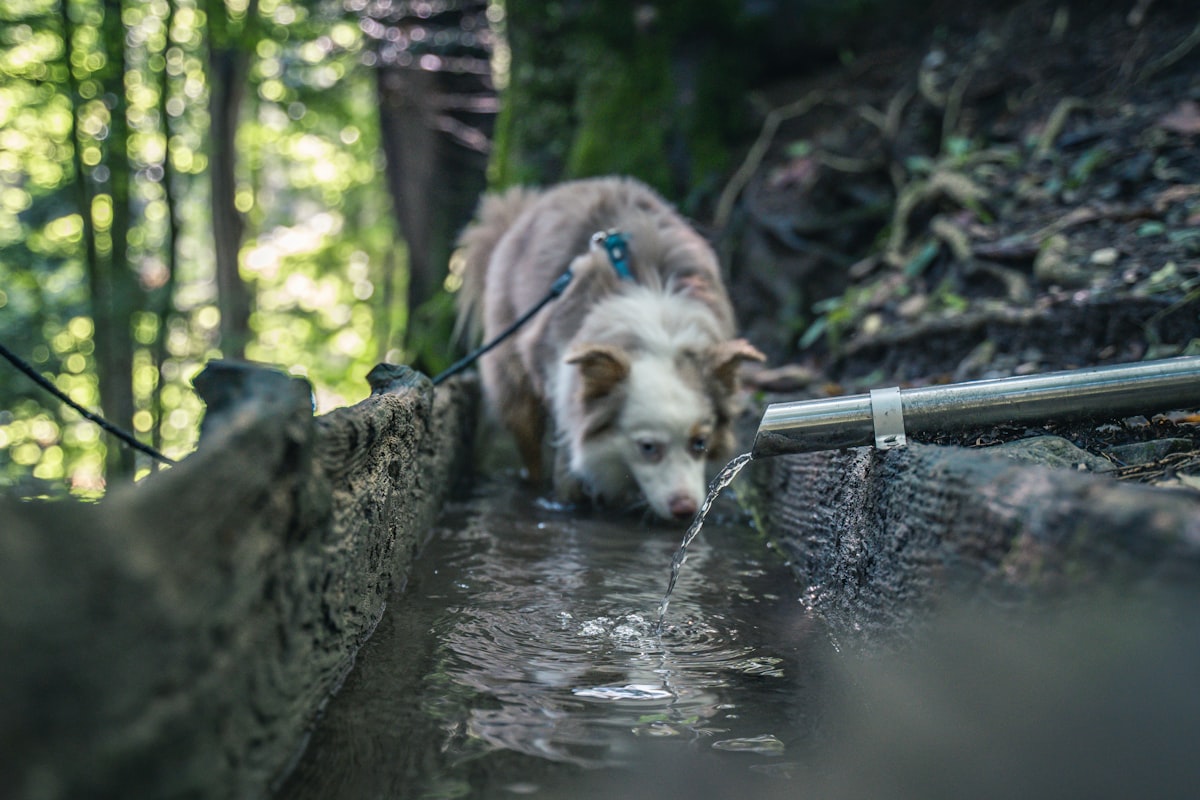
Safer options include springs emerging directly from rock, which tend to be least contaminated. Fast-moving streams at higher elevations carry less risk than lower valley water. Snowmelt above the treeline and running water with no visible upstream wildlife activity areas also rank better.
Higher risk sources include still or slow-moving water, ponds and lakes (especially those with visible algae), water downstream of beaver dams, and streams running through meadows where wildlife grazes. Any water near campsites or heavy trail use should be avoided when possible.
The safest wild water is the spring that bubbles up from underground, having been filtered through rock and soil. But these aren't common on most trails.
When we do let our dogs drink from streams, we look for fast-moving water at higher elevations, preferably without obvious wildlife trails leading to it. That's not a guarantee of safety, but it's better than a slow creek running through a beaver meadow.
Carry More Water Than You Think
The easiest way to limit stream drinking is to keep your dog well-hydrated with clean water. Bring at least one ounce per pound of body weight per hour of hiking. If your dog isn't thirsty, they're less likely to gulp from every water source they pass.
Practical hydration strategies
You can't always prevent your dog from drinking wild water, but you can reduce the amount they consume.
Before the hike, make sure your dog is well-hydrated. Offer water at the trailhead. A dog that begins the hike with a full tank is less desperate to drink from every puddle they pass.
On the trail itself, offer clean water from your supply every 15 to 20 minutes in warm weather. Use a collapsible bowl they're familiar with. Some dogs prefer moving water, so pouring slowly while they drink can help encourage them to choose your supply over wild sources.
At water crossings, if your dog is going to drink from a stream anyway, try redirecting them to the faster-moving sections rather than still pools. Not perfect, but better.
After the hike, monitor for symptoms over the next two weeks. Diarrhea, vomiting, or unusual lethargy warrant a vet visit and probably a fecal test.
Portable water filters designed for hikers can work for dogs too. If you're filtering water for yourself, filter extra for your dog. The filter removes giardia and cryptosporidium. Chemical treatments like iodine are less reliable for these parasites.
For more on water and hydration essentials, see our complete hiking with dogs packing list.
Frequently asked questions
Frequently Asked Questions
Dr. Jennifer Coates, DVM, brings 25+ years of clinical experience to Paths & Paws. Based in Fort Collins, Colorado, she specializes in preventive medicine and evidence-based nutrition for active dogs.
References & Further Reading
- Giardiasis in Dogs — Merck Veterinary Manual
- Leptospirosis in Dogs — American Veterinary Medical Association