 Paths & Paws
We have logged over 500 miles hiking with dogs across the Rockies, the Cascades, and Appalachian foothill trails. Some of those hikes went perfectly. Others taught us hard lessons about forgotten gear, inadequate water supplies, and the consequences of skipping paw protection on volcanic rock.
Essential Gear at a Glance
- 1Water: 1 oz per pound of body weight minimum
- 26-foot fixed leash and harness with ID tags
- 3Collapsible bowl and high-value treats
- 4Dog-specific first aid kit
- 5Poop bags (always pack extras)
This packing list comes from those miles. Every item earned its place through actual trail use. We cut the fluff and kept what matters.
The quick checklist
Before we explain why each item matters, here is the complete list. Print it. Tape it to your gear closet.
Every hike, no exceptions:
- Water (1 oz per pound of body weight, minimum)
- Collapsible bowl
- Leash (6-foot fixed, not retractable)
- Harness with ID tags
- High-value treats
- Poop bags (minimum 4)
- Basic first aid supplies
Day hikes over 3 miles:
- Extra water beyond the minimum
- Dog food or meal-replacement treats
- Paw balm or booties (terrain dependent)
- Emergency space blanket
Overnights and multi-day trips:
- Dog backpack with 10-15% body weight load
- Sleeping pad or bag
- Extra food plus 20% buffer
- Jacket or insulation layer
- LED collar light or beacon
Water and hydration
We measure water needs by body weight. A 50-pound dog needs roughly 50 ounces of water per day under normal conditions. Trail conditions are not normal. Heat, exertion, and altitude can double that requirement.
During a July hike in Sedona, Scout, my 45-pound Lab mix, drained 60 ounces before we reached the turnaround point. The ambient temperature read 94°F. We had packed 100 ounces total and barely made it back with dry bottles.
Pack more water than you think you need. We carry a minimum of 1.5 ounces per pound for any hike over 5 miles. Collapsible silicone bowls weigh almost nothing and clip to any pack. We tested the Ruffwear Quencher against three generic Amazon options. The Ruffwear held its shape better after 200+ uses, but the cheap bowls work fine if you replace them yearly.
One tip we learned late. Offer water every 20-30 minutes rather than waiting for your dog to seem thirsty. By the time they show obvious panting, they are already behind on hydration.
Hydration Rule of Thumb
Offer water every 20-30 minutes on the trail. Do not wait for signs of thirst. A dog showing heavy panting is already behind on hydration.
Food and treats
For hikes under 4 hours, treats handle the job. We pack dense, high-calorie options. Freeze-dried liver, dehydrated meat chunks, and training treats with real protein work well. Avoid anything crumbly that disintegrates in your pocket.
For longer hikes and overnights, bring actual meals. We pre-portion kibble into ziplock bags. Each bag holds one meal plus a small buffer. Airtight containers prevent spoilage but add weight. We found the balance point at two meals per container for multi-day trips.
The calorie math matters here. An active hiking dog burns 2-3 times their normal daily calories. A dog that normally eats 2 cups per day might need 4-5 cups on a strenuous backpacking trip. We learned this the hard way watching our dog lose visible muscle mass on a 4-day trek through the White Mountains. Now we pack 20% more food than calculated.
Treats serve double duty as training reinforcement on trail. When another hiker appears with an off-leash dog, a high-value treat helps maintain focus. We keep a separate pouch of "emergency" treats that only come out for difficult moments.
Harness and leash
Collars are fine for around town. Trails need a harness. The reasons stack up fast. A harness distributes pulling force across the chest instead of the neck. It gives you a grab handle for scrambles and creek crossings. It stays put when your dog backs out of a collar.
We tested 14 harnesses over three years. The Ruffwear Front Range became our daily driver because it balances comfort, durability, and adjustment range. Four points of adjustment let us dial the fit tight enough to prevent chafing without restricting movement. The padded chest panel lasted 400+ miles before showing wear.
Leash length matters more than most people realize. Retractable leashes fail on trails. The thin cord tangles in brush, the braking mechanism jams when wet, and the lack of immediate control creates dangerous situations with wildlife or other dogs. We use 6-foot fixed leashes with traffic handles near the collar for close control on narrow sections.
For steep terrain, consider a waist leash with shock absorption. The Ruffwear Roamer lets us go hands-free while maintaining control. The bungee section absorbs sudden lunges without yanking us off balance.
Paw protection
Not every hike needs booties. Most do not. But the hikes that need them really need them.
We skip paw protection on moderate dirt trails with established tread. Forest paths, meadow crossings, and packed earth cause no issues for healthy paw pads. The problems start with temperature extremes and abrasive surfaces.
Hot rock in desert environments tears up paw pads fast. We hiked Canyonlands in late May and watched our dog favor her front left paw within 2 miles. The sandstone had absorbed morning sun and sat well above 100°F. Booties would have prevented the blister that ended our trip early.
Sharp volcanic rock, scree fields, and ice all demand protection. We tested the Ruffwear Grip Trex against the Kurgo Blaze Cross and the Ultra Paws Durable. The Grip Trex stayed on best during scrambles and water crossings. The Vibram soles gripped wet rock without slipping.
If booties feel excessive, paw balm creates a protective barrier. Mushers Secret and similar products work well for moderate conditions. Apply before the hike and reapply at rest stops. The balm prevents cracking and helps shed debris.
Train your dog to accept booties before you need them on trail. We spent two weeks with short sessions in the backyard before our first booted hike.
Safety and first aid
Be Prepared for Emergencies
Trail emergencies happen without warning. A cut paw, a porcupine encounter, an allergic reaction to a bee sting. The difference between a minor incident and a trip-ending crisis comes down to preparation.
We built a dog-specific first aid kit after a nasty run-in with broken glass on a river trail. The kit fits in a stuff sack smaller than a softball. Here is what we carry:
| Item | Purpose |
|---|---|
| Sterile gauze pads | Wound coverage |
| Self-adhering bandage wrap | Securing gauze, pressure |
| Antiseptic wipes | Cleaning cuts |
| Styptic powder | Stopping nail bleeds |
| Tweezers | Tick and splinter removal |
| Emergency blanket | Warmth, shock prevention |
| Benadryl (vet-approved dose) | Allergic reactions |
| Muzzle or gauze strip | Pain response protection |
The muzzle deserves explanation. Even the friendliest dog might bite when injured and scared. A strip of gauze wrapped around the muzzle protects you while you administer first aid. Practice this at home so you know the technique.
LED lights and reflective gear matter for early starts and late finishes. We clip the Ruffwear Beacon to our dog's harness for any low-light conditions. The rechargeable battery lasts 14 hours on steady mode. We have finished more hikes in darkness than planned. That light paid for itself on the first twilight descent.
GPS trackers add a layer of security for off-leash sections where allowed. The Fi Series 3 collar tracked our dog across a 2-mile chase after a deer in Montana. Without it, that search would have taken hours instead of 20 minutes.
Dog backpacks
A dog carrying their own gear changes the math on longer hikes. That said, not every dog needs a pack. Day hikes under 5 miles rarely justify the extra equipment.
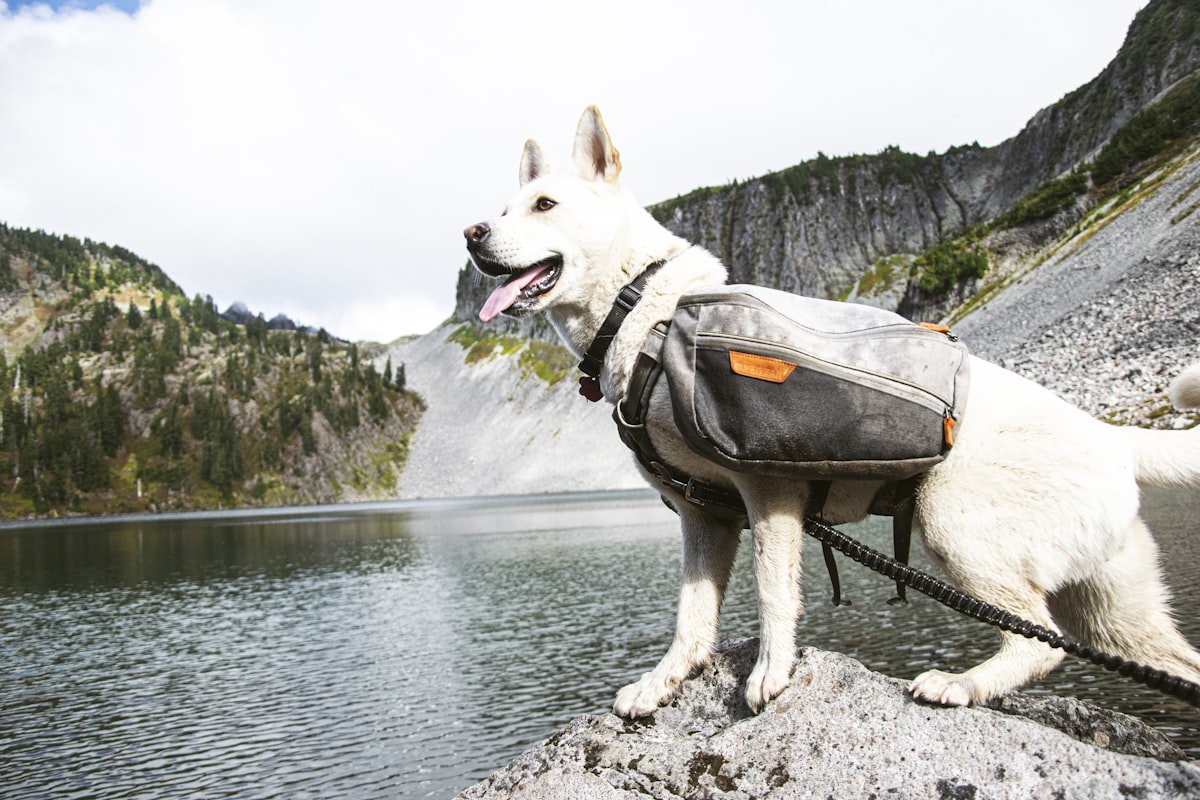
The pack becomes worthwhile when your dog can meaningfully offset what you carry. A 60-pound dog can safely haul 9-12 pounds. That covers their water, food, bowls, and some shared supplies. Our dog backpack roundup covers the options in detail.
We started our dog at 10% body weight and built up over months. The conditioning matters. Jumping straight to max load causes muscle strain and discourages pack acceptance. Eight weeks of progressive loading got us to 15% body weight for day hikes.
Pack fit determines everything else. A poorly fitted pack shifts, rubs, and creates hot spots. We measured girth at three points and compared against manufacturer sizing charts before buying. The Ruffwear Palisades runs slightly large. The Kurgo Baxter runs true to chart.
Saddlebag balance affects how your dog moves. We weigh each side before loading and aim for even distribution. Uneven weight causes gait compensation that leads to soreness over distance.
Weather gear
Mountain weather changes fast. A sunny trailhead can become a hailing summit in two hours. We pack layers for the dog just like we pack layers for ourselves.
The threshold for most short-coated dogs sits around 45°F. Below that, an insulation layer extends comfort and safety. We use the Ruffwear Cloud Chaser for active hiking in cold conditions. The synthetic fill retains warmth when damp. The integrated harness opening lets us clip a leash without removing the jacket.
Rain gear creates more debate. Some dogs tolerate rain jackets. Ours does not. We found that a quick-dry coat paired with a post-hike towel works better than fighting the jacket battle mid-trail. Your results may vary.
Summer heat presents the opposite challenge. Cooling vests actually work when used correctly. The Ruffwear Swamp Cooler dropped our dog's surface temperature by 7°F in Arizona desert conditions. The evaporative effect lasts about 2 hours before re-soaking. They add weight and require water access, so factor that into your planning.
Waste management
Pack it in. Pack it out. No exceptions.
We carry a minimum of 4 poop bags per hike. The number scales with distance and your dog's schedule. Compostable bags exist but degrade slowly enough that they still require proper disposal. Do not bury them. Do not leave them trailside "to grab on the way back." You will forget.
A carabiner clip holds used bags on the outside of your pack until you reach a trash receptacle. Some hikers use dedicated pouches. We found that a simple double-bag system works. The inner bag holds waste. The outer bag contains smell.
For multi-day trips in backcountry, bury solid waste in a cathole 6-8 inches deep, at least 200 feet from water sources. The same Leave No Trace principles apply to dog waste as human waste. Some wilderness areas require pack-out for all waste regardless of burial options. Check regulations before your trip.
Frequently asked questions
Frequently Asked Questions
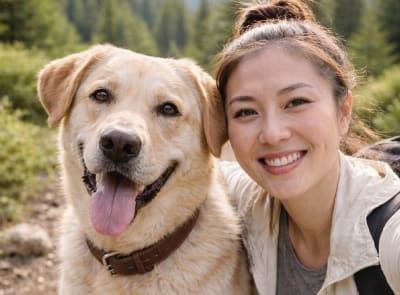
Sara founded Paths & Paws to share field-tested advice with fellow dog hikers. She believes every dog deserves time on the trail.
References & Further Reading
- Hiking Dogs Expert Advice — REI
- American Hiking Society — AHS