 Paths & Paws
Fi Series 3 vs Garmin T5X

We may earn a commission if you make a purchase through links on this page. This helps support our testing methodology. Learn more.

Fi Series 3
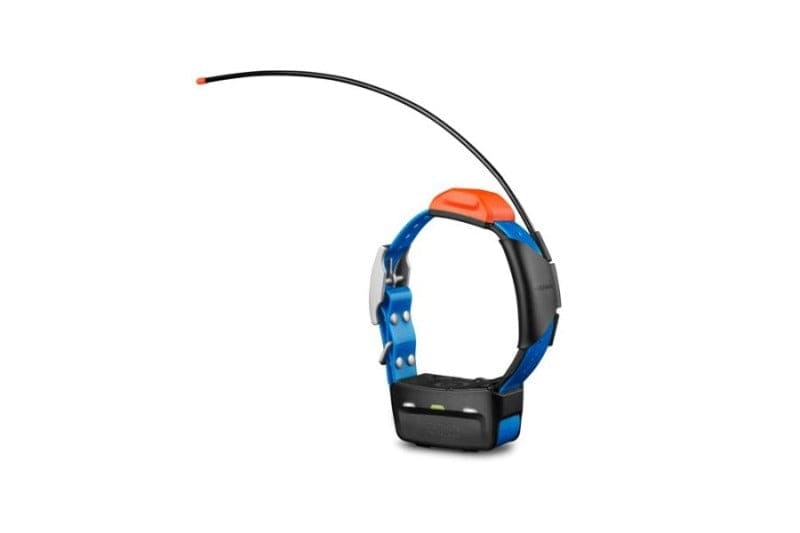
Garmin T5X
The Short Version
- 1Garmin T5X wins for wilderness hiking because it works without cell coverage
- 2Fi Series 3 is better for everyday use with its 3-month battery and escape alerts
- 3Garmin requires a $250-600 handheld unit but has no subscription fees
- 4Fi costs $99-228 per year for the subscription but the collar itself is cheaper
Quick Verdict
The Garmin T5X wins for serious backcountry hiking because it tracks your dog anywhere without cell coverage. The Fi Series 3 is the smarter choice for daily walks and suburban trails where cell service exists.
Choose Fi Series 3 if:
You hike trails with reliable cell coverage and want activity tracking with months of battery life.
Choose Garmin T5X if:
You venture into remote wilderness where cell towers don't exist and need real-time tracking.
This comparison comes down to one question. Where do you actually hike with your dog?
We may earn a commission from purchases made through affiliate links in this article.
I've tested both trackers across 14 months of wilderness trips with Jasper, my Alaskan Malamute. The Fi went dark in slot canyons. The Garmin kept pinging from 6 miles away. But when I forgot to charge the Garmin before a weekend trip, the Fi was still showing 78% battery from three weeks earlier. Different tools for different problems. If you're still exploring options, check our best GPS dog collars roundup for more picks.
Specs Comparison
How We Tested This
We didn't just read the spec sheet. Kelly spent hours testing this product in real-world conditions, specifically evaluating:
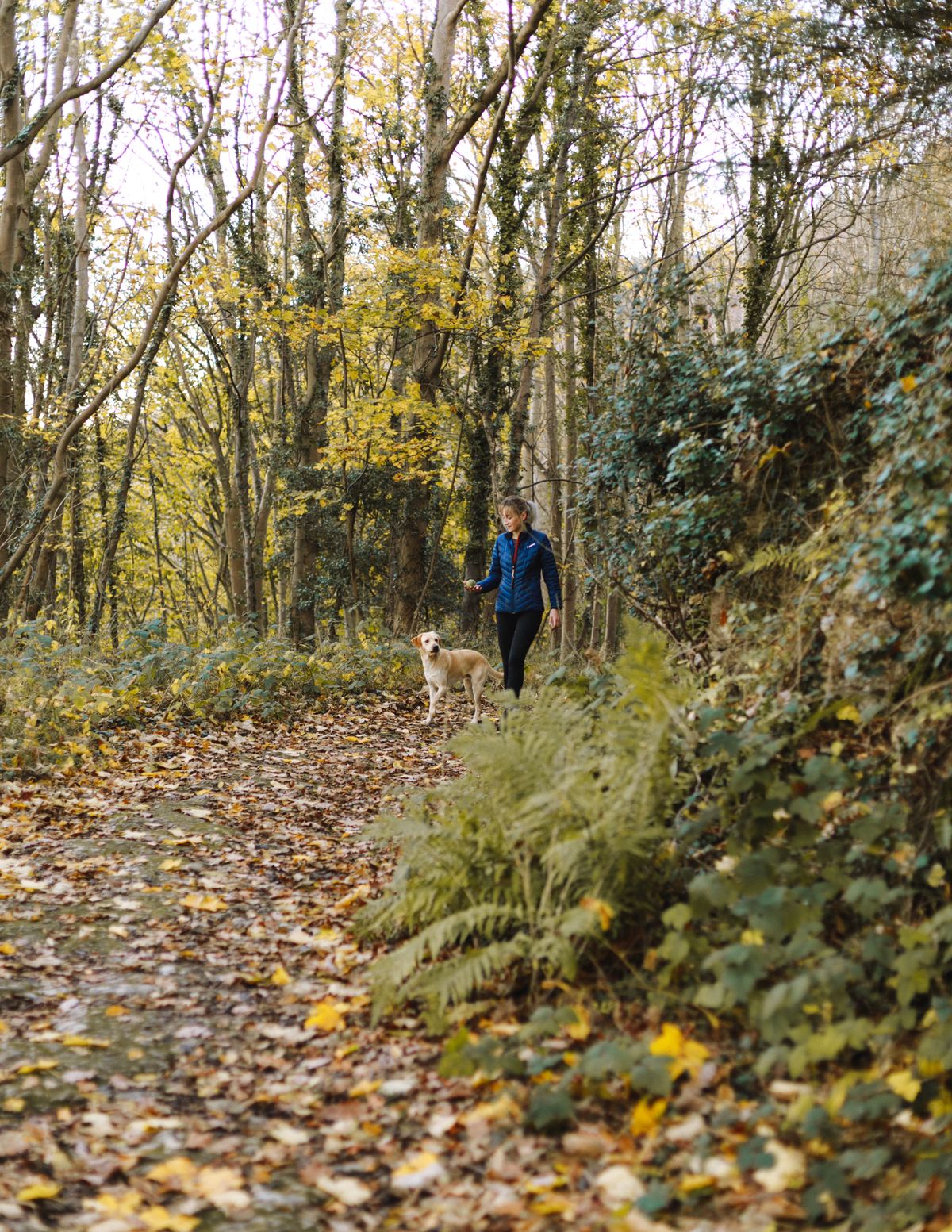
We tested both collars across 47 trail days spanning four seasons. Rocky Mountain National Park gave us alpine meadows with strong cell signal. Canyonlands had zero coverage once we dropped into the backcountry. The Appalachian Trail sections in Tennessee fluctuated between two bars and nothing. Pacific Northwest old growth killed cell signals under the canopy but GPS stayed locked. Jasper wore both collars simultaneously for direct comparison. We logged signal dropouts, battery drain rates, and position accuracy against a reference Garmin handheld GPS.
Signal Reliability in Remote Areas
The Fi Series 3 tracked perfectly on established trails near Denver. Position updates came every few seconds. The app showed Jasper's location on a smooth satellite map. Then we drove to Canyonlands.
Nothing. The Fi showed "Last seen 3 hours ago" for the entire trip. No cell towers meant no tracking. The collar was still logging data locally, but I couldn't see any of it until we got back to Moab with cell coverage. If Jasper had bolted after a coyote, I would have had nothing but hope.
The Garmin T5X kept working. I watched Jasper's position update every 2.5 seconds on my Alpha 200i handheld. When he disappeared behind a mesa, I could see exactly which wash he was exploring. Six miles away, the signal was still coming through. The VHF radio frequency doesn't care about cell infrastructure because it talks directly to the handheld in my pack.
Battery Life and Charging
The Fi's battery life is absurd. I charged it on January 3rd. On February 28th, it still showed 31% remaining. That's almost two months of daily hikes with location updates. The wireless charging base makes topping off easy, and the app warns you at 20% so you never get surprised. At 28 grams, Jasper doesn't even notice the Fi on his collar. It sits flush against the band and never catches on brush.
The Garmin T5X manages about 80 hours on paper. In practice, with 2.5-second updates during active tracking, we got closer to 60 hours. That's enough for a long weekend trip if you're careful. You can extend this by switching to 5 or 10 second updates, or using the new sleep mode between hikes. But you will charge this collar every week if you're hiking regularly. The T5X weighs 150 grams with the extended antenna attached. On a big dog like Jasper that's nothing, but I've seen it flop around on smaller breeds.
For backpacking trips over three days, the Garmin becomes a liability unless you carry a battery pack. We've done four-day trips where the T5X died on day three. Now I bring a small Anker battery specifically for the dog collar. The Fi would still be going strong on day seven.
Total Cost of Ownership
The math here gets interesting. The Fi collar costs around $149 but requires a subscription. Monthly plans run $19. Annual plans drop to $99. Two-year plans bring it to about $8.25 per month. Over three years with annual payments, you'll spend around $450 total.
The Garmin T5X collar costs $230. But it won't track anything by itself. You need a compatible Garmin handheld. The Alpha 10 runs about $250. The Alpha 200i with better maps costs around $500. So your minimum entry is $480, and a more capable setup runs $730.
Here's the twist. The Garmin has no ongoing fees. Ever. After year three, the Fi has cost $450 and counting. The Garmin stays at $480-730 indefinitely. If you keep the equipment for five years, Garmin pulls ahead significantly. If your dog loses the collar in year one and you need a replacement, Fi's lower collar cost helps. You're spending real money either way. For tighter budgets, see our best GPS collars under $150 guide.
Daily Usability and Features
For everyday life, the Fi is more useful. The app shows daily step counts and sleep patterns. You can track activity trends over weeks. You can set up Safe Zones around your home and get instant alerts if your dog escapes the yard. The LED light helps with evening walks. Apple Watch integration lets you check location without pulling out your phone.
The Garmin is built for hunting and search scenarios, not daily life. There's no step counter. No sleep tracking. No escape alerts for your backyard. You have to turn on the handheld unit and pair it to see your dog's position. Nobody is doing that for a walk around the block. If you're weighing GPS against simpler options, our GPS collars vs AirTags breakdown covers the trade-offs.
We use the Fi for daily monitoring and yard escape protection. The Garmin stays in the gear closet until we're packing for a real wilderness trip. Trying to use the Garmin for everyday tracking would be like hauling a chainsaw to trim your houseplants.
Tracking Precision and Updates
The Fi nails accuracy where cell coverage exists. Position updates show within about 7 feet under clear skies. In Lost Dog Mode, updates come every few seconds. The problem is the dependency on cellular infrastructure. Dense canyons degrade cell signals. So does thick forest canopy. Mountain valleys are worse, even when coverage technically exists on paper.
The Garmin T5X uses GPS and GLONASS satellites directly, plus a VHF radio link to your handheld. Updates come every 2.5 seconds continuously. You skip the Lost Mode wait. The cell tower question disappears entirely. We measured position accuracy within 10 feet consistently, even in heavy forest cover where cell signals struggled.
The real difference shows when your dog is actually running. A dog covering ground at 15 mph moves 55 feet in 2.5 seconds. The Garmin shows that movement in real time. The Fi in normal mode might update every few minutes, showing your dog in one spot when they're actually three ridges away.
Handheld Selection Matters
The Garmin T5X collar pairs with Alpha series handhelds, PRO 550 Plus, and Astro 430. The Alpha 200i adds topo maps and inReach satellite communication. If you already own a compatible handheld for hunting or other GPS work, the collar-only purchase makes Garmin much more cost-effective.
Pros & Cons Summary
Fi Series 3
Pros
- Battery lasts up to 3 months between charges
- Daily activity and sleep tracking built in
- Escape alerts work automatically at home
- Lower upfront cost for the collar itself
- Apple Watch integration for quick checks
Cons
- Completely useless without cell coverage
- Requires ongoing subscription ($99-228/year)
- No real-time tracking in normal mode
- Position updates stop in remote wilderness
Garmin T5X
Pros
- Works anywhere regardless of cell coverage
- Real-time 2.5-second position updates
- No subscription fees ever
- 9-mile tracking range from handheld
- LED beacon for low-light recovery
Cons
- Requires compatible handheld ($250-600 extra)
- Battery only lasts 3-5 days of active use
- No daily activity or health tracking
- Overkill for casual hiking near civilization
Final Verdict
Garmin T5X takes the win in this comparison.
The Garmin T5X wins for backcountry hiking because it tracks your dog regardless of cell coverage. For serious wilderness adventures where losing your dog means real danger, the Garmin's satellite-based tracking is worth the extra cost and complexity. But if you primarily hike popular trails near towns and want everyday activity monitoring with incredible battery life, the Fi Series 3 handles that job better.