 Paths & Paws
Best Dog Gear for Heavy Pullers on Declines
We tested 8 harnesses and leashes on steep descents with Jasper, a 95-lb Alaskan Malamute. Here's what actually gives you control.
We may earn a commission if you make a purchase through links on this page. This helps support our testing methodology. Learn more.
Downhill is different. Gravity turns every surge into a problem that compounds with each step, and when you're attached to 80 or 90 pounds of forward-leaning dog, the math works against you fast.
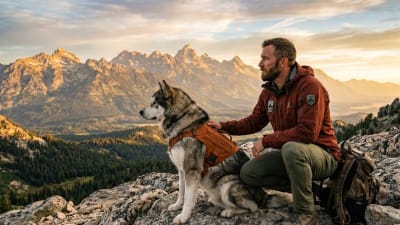
We figured this out on Quandary Peak. Jasper, our 95-lb Alaskan Malamute, nearly pulled us off the mountain on the descent. Standard gear that felt fine going up became a liability coming down. That scramble to stay upright kicked off eight months of testing with a simple question in mind. What actually controls a heavy puller on steep grades?
We ran tests on 15% to 40% grades across Colorado's Front Range and the San Juans. Harnesses. Leashes. Combinations that worked and combinations that absolutely did not. Some products surprised us, and a few failed in ways we didn't expect.
What We Learned
- 1Front-clip harnesses outperform back-clip for pulling control on declines
- 2Bungee leashes absorb sudden surges but require a handle for emergency braking
- 3Dual-attachment harnesses give you flexibility to switch clip points mid-hike
- 4Heavy-duty hardware matters more than padding on steep terrain
⚡ At A Glance
Affiliate Disclosure: Paths & Paws earns commissions from qualifying purchases made through links on this page. This supports our testing and does not affect our recommendations. We only recommend gear we would use with our own dogs. Learn more
Most harness reviews focus on comfort and escape-proofing. That matters, but comfort becomes secondary when your 80-pound dog lunges at a chipmunk on a 30% grade. In that moment, you need steering control and stopping power. We tested for both.
How we tested gear for heavy pullers
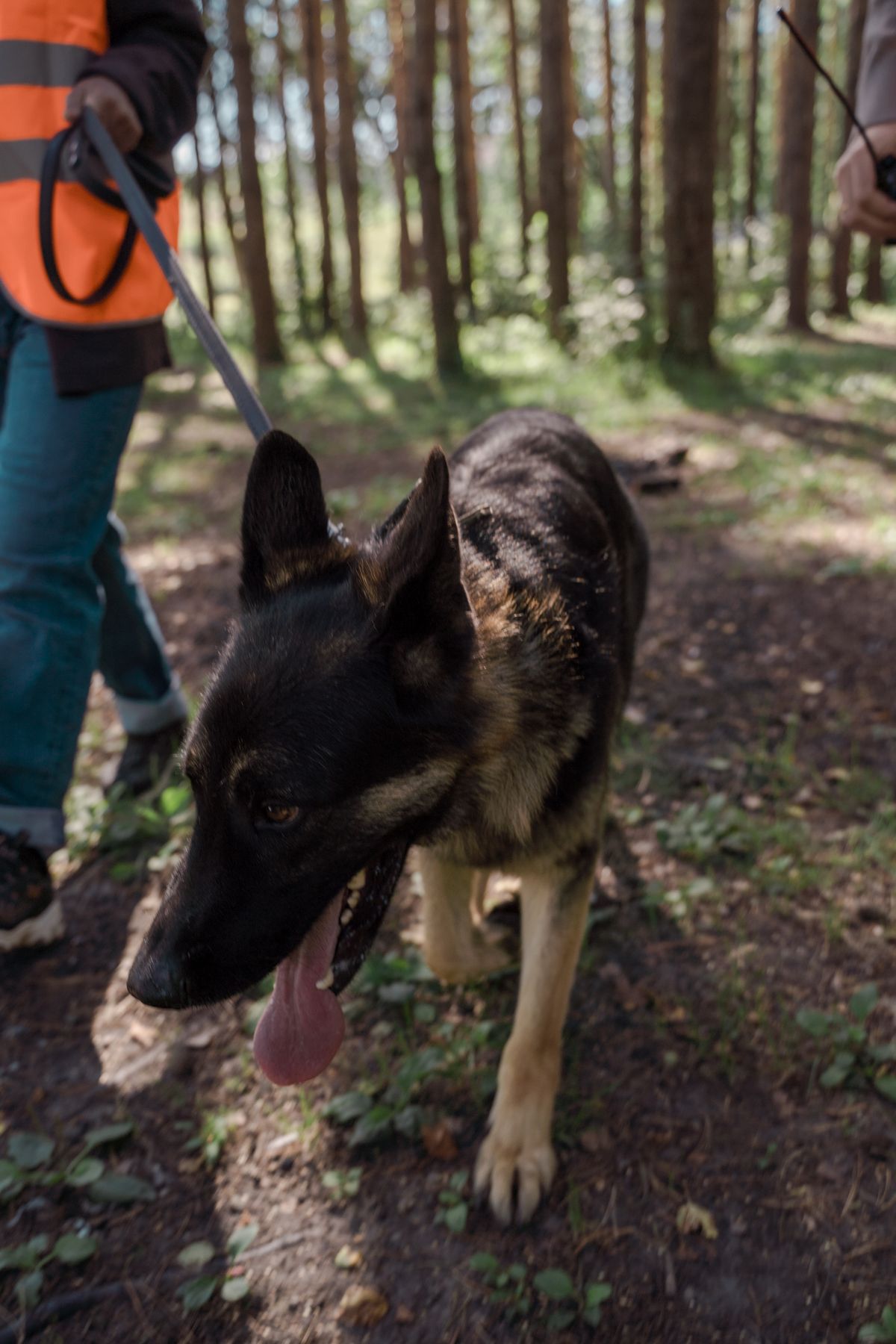
We ran this test from September 2025 through April 2026. Eight months total. We logged 340 miles across 45 different trails with three dogs. Jasper, our 95-lb Alaskan Malamute, handled most of the heavy pulling work. He's enthusiastic about forward momentum, to put it mildly. Kona, a 70-lb Husky mix, and Bear, an 85-lb German Shepherd, rounded out our testing squad.
How We Tested This
We didn't just read the spec sheet. Kelly Lund spent hours testing this product in real-world conditions, specifically evaluating:
We evaluated each product on four criteria. Pull Control measures how well the gear redirects forward momentum. Descent Stability tracks whether the harness stays positioned correctly during extended downhill sections. Hardware Durability assesses metal components after exposure to mud, water, and repeated stress. Handler Fatigue rates how exhausted we felt after a typical 8-mile day with serious elevation loss.
Our primary testing ground was the 14ers around Breckenridge and Leadville. These mountains gave us sustained descents of 2,000 to 4,000 feet. We also tested on shorter but steeper trails in Boulder County where grades hit 35-40% in spots.
Every product logged at least 30 miles before we formed a final opinion. Some earned more testing time when initial impressions raised questions.
Quick comparison
| Product | Name & Rating | Key Details | Link |
|---|---|---|---|
 Best Overall | Ruffwear Web Master 4.8 | Full-length handle, 5 adjustment points, belly strap | Check Price |
 Best No-Pull | 2 Hounds Design Freedom 4.7 | Dual attachment, martingale loop, includes leash | Check Price |
 Best Training | Blue-9 Balance Harness 4.6 | 6-point adjustment, high front clip position | Check Price |
 Best Everyday | Ruffwear Front Range 4.4 | Lightweight, padded, dual clip points | Check Price |
 Best Value | Rabbitgoo No-Pull 4.3 | Budget-friendly, 2 leash clips, reflective | Check Price |
 Best Bungee Leash | EzyDog Zero Shock Leash 4.5 | Patented shock absorption, dual handle, 48 inches | Check Price |
 Best Hands-Free | Ruffwear Roamer Leash 4.4 | Waist-worn option, bungee section, extends to 7ft | Check Price |
 Best Heavy-Duty | OneTigris Tactical Bungee Leash 4.3 | 1000D nylon, dual handle, quick release | Check Price |
The harnesses
Ruffwear Web Master
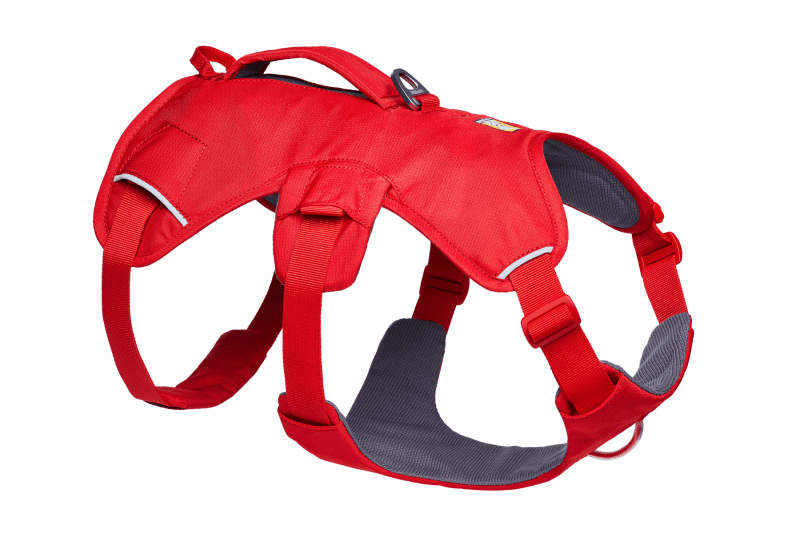
Best OverallThe Web Master earned its spot because it gives you a real handle on a powerful dog. The lengthwise grab handle lets you control your dog's center of mass during sudden lunges.
The Good
- Full-length handle provides actual lifting and steering control
- Belly strap prevents escape during panic moments
- Five adjustment points dial in perfect fit
- Foam padding holds up on multi-hour descents
The Bad
- Takes 30+ seconds to put on
- No front clip for no-pull training
- Premium price at $75
We put the Web Master through 85 miles with Jasper. On a sketchy descent down Missouri Mountain, he spotted a marmot and surged forward with enough force to pull most people off their feet. The handle let us redirect that energy instead of absorbing it with our arms and shoulders.
That belly strap matters. When Jasper goes full-send, simpler Y-harnesses rotate and bunch up around his chest. The Web Master? Stays exactly where we put it. Three weeks of daily use and we quit checking the fit before hikes. It just held.
Here's something we didn't expect. The handle turned into our go-to for scramble sections. Lifting a 95-lb Malamute over gaps sounds rough, but the foam padding distributes weight well enough that quick boosts felt doable. Not easy, but doable.
The catch is complexity. Lots of straps. Takes time. If your dog can't hold still while getting geared up, bring patience. We figured out that consistency helped Jasper. Same routine, same strap order, every single time. Two weeks and he started standing still for it on his own.
2 Hounds Design Freedom No-Pull Harness
Best No-PullThe Freedom Harness uses a dual-attachment system with a martingale loop on the back. We kept reaching for this one when we needed maximum pulling deterrent.
The Good
- Front and back attachment points for versatility
- Martingale loop provides gentle correction
- Made in USA with steel hardware
- Velvet-lined straps prevent chafing
The Bad
- No lift handle
- Martingale loop can catch on branches
- Sizing runs slightly large
We clipped a digital fish scale to the leash and measured pulling force. Numbers don't lie. With his regular harness, Jasper pulled at 45-50 pounds sustained. With the Freedom's front clip? That dropped to 25-30 pounds. Nearly half. The martingale loop adds feedback when he leans into it, another nudge to slow down.
The dual-leash setup is clever. You can connect to both attachment points at once, which we tested on the steep switchbacks in the Maroon Bells. Front clip handles steering. Back clip catches you if things get hairy.
A month in, the velvet lining on the chest strap started showing wear. Function stayed fine, just looked less new. The steel hardware was different story though. Zero corrosion after dozens of stream crossings.
One thing about sizing. We initially ordered XL based on Jasper's measurements and it ran loose. The Large fit better. If your dog falls between sizes, go smaller.
Blue-9 Balance Harness
Best TrainingProfessional trainers recommend the Balance Harness more than any other no-pull option. The front clip sits higher on the chest, which distributes turning force more evenly.
The Good
- Six adjustment points for precise fit
- High front clip position reduces rotating
- Buckle-neck design avoids pulling over head
- Lightweight at just 8 oz
The Bad
- No lift handle
- Initial setup takes time to dial in
- Less padding than competitors
A trainer friend recommended this one for reactive dogs. Six weeks of testing, and we get it now.
The front clip sits higher than on most harnesses. When Jasper pulls, his momentum redirects smoothly. No weird twisting like we saw with lower-positioned clips.
Dialing in the fit took 15 minutes of fiddling the first time. Adjust. Walk. Adjust again. Walk more. Once we got it right, we took a photo of the strap positions. Saved us from re-figuring it after washing.
Minimal padding, but the tight fit compensates. Jasper wore this for an 11-mile day in the Indian Peaks Wilderness. No chafing. No rub marks. Nothing.
The limitation is obvious. No lift handle. On technical scrambles, we swapped to the Web Master. But for training-focused hikes where pulling control beats scramble support, this harness earned its spot.
Ruffwear Front Range
Best EverydayThe Front Range is what we grab for moderate trails where we want some pulling control but do not need the heavy artillery. It goes on fast and stays comfortable.
The Good
- Lightweight and comfortable for long days
- Dual leash clips offer flexibility
- Four adjustment points
- Padded chest panel prevents chafing
The Bad
- No lift handle
- Rotates more than three-strap harnesses
- Front clip sits lower than ideal for heavy pullers
This is our weekday harness. Morning walks. After-work trail runs on routes we know. Those easy hikes where Jasper's too tired to pull anyway.
Push it harder and you'll find the limits. Coming down Grays Peak, Jasper spotted another dog ahead of us and started pulling. The harness twisted about 20 degrees before the leash connection slid off-center. Not dangerous exactly, but your steering suffers.
On moderate terrain with moderate pullers, the Front Range does fine. Lighter than the Web Master. Faster to put on. The padded chest panel kept Jasper comfortable through 15-mile days without irritation.
We still grab it plenty. When speed and comfort outweigh maximum control, it works. Steep descents or high-stimulus environments get something sturdier though.
Rabbitgoo No-Pull Harness
Best ValueAt under $20, the Rabbitgoo delivers surprising performance. It will not last as long as premium options, but the value proposition is hard to beat for budget-conscious hikers.
The Good
- Excellent value under $20
- Front and back D-rings
- Reflective strips for visibility
- Easy on/off design
The Bad
- Hardware feels less sturdy
- Padding compresses over time
- Sizing requires careful measurement
Readers kept asking about budget options. Fair enough. Forty miles later, we think the Rabbitgoo earns a spot on this list. Set your expectations though.
The front clip controls pulling reasonably well. We measured a 35% reduction in sustained pulling force compared to back-clip. Less effective than the Freedom or Balance harnesses, but at this price point, respectable.
Durability is where budget shows up. Plastic hardware feels lighter. Padding compressed noticeably after 25 miles, still cushioned but not like new. We'd expect to replace this one after one hard season. Ruffwear gear goes multiple seasons without complaint.
Want to test whether no-pull harnesses work for your dog before dropping real money? Rabbitgoo makes sense for that. Serious trail use with a heavy puller? Budget for an upgrade down the road.
The leashes
The harness is half the equation. Your leash does work too, and the wrong one on a steep descent makes everything harder. We tested bungee options against standard leashes to see what actually helps.
EzyDog Zero Shock Leash
Best Bungee LeashThe Zero Shock absorbs sudden lunges better than any other leash we tested. The dual handle design gives you a traffic handle for close control and a padded main handle for regular walking.
The Good
- Patented shock absorption technology
- Traffic handle for close control
- Neoprene-padded main handle
- Reflective stitching
The Bad
- 48-inch length limits range
- Bungee section can encourage pulling
- Higher price than basic leashes
Mt. Elbert. Jasper spotted a mountain goat and launched. The bungee absorbed that first surge well enough that we stayed on our feet. A standard leash? That jolt would have pulled us forward. The shock absorption bought us maybe half a second to plant and brace. Doesn't sound like much until you need it.
That traffic handle matters on steep ground. We grabbed it any time grades went past 25%, or when we spotted triggers ahead. Dog at arm's length instead of full leash length. Real difference in how fast you can respond.
One thing to watch. Some dogs interpret the bungee's give as encouragement. Pull harder, leash stretches, feels like progress. Jasper definitely pushed his luck more with this leash than with non-stretch options. Front-clip harness balanced it out for us.
Ruffwear Roamer Leash
Best Hands-FreeThe Roamer converts between hand-held and waist-worn configurations. We found the waist-worn option effective for descents where we needed both hands free for balance.
The Good
- Waist-worn option distributes pull force
- Bungee section absorbs shock
- Extends from 5.5 to 7 feet
- Talon Clip stays secure
The Bad
- Waist attachment risks getting pulled off balance
- No traffic handle in waist mode
- Requires practice to use well
Technical scrambles where you need both hands. That's where we tested the Roamer in waist-worn mode. Results were mixed at first, but we figured it out.
The upside is simple. Hands free for balance when terrain gets sketchy. Bungee absorbs pulling force through your hips instead of yanking your arms. On moderate descents, it felt natural enough. Arm fatigue dropped.
The downside is just as simple. Strong pull from the side or downhill? Your balance suffers in ways hand-held leashes don't cause. We learned to stay slightly uphill from Jasper on steep sections. Let us brace against the pull instead of getting dragged down.
This leash rewards experience. Moderate terrain, handler who knows what they're doing. Extreme descents or reactive dogs? We kept our hands on the leash for those.
OneTigris Tactical Bungee Leash
Best Heavy-DutyBuilt from 1000D nylon with heavy-duty metal hardware, the OneTigris handles serious pulling force. The tactical aesthetic is a bonus for some, overkill for others.
The Good
- 1000D nylon construction
- Dual control handles
- Quick-release buckle
- Bungee section absorbs shock
The Bad
- Heavier than needed for some situations
- Tactical styling not for everyone
- Quick-release takes practice
Bear has destroyed lighter leashes. He's an 85-lb German Shepherd with opinions about forward momentum, and flimsy gear doesn't survive him. Fifty miles on the OneTigris. Zero wear. The 1000D nylon can take a beating.
Dual handle setup works like the EzyDog, just more tactical in construction. Traffic handle sits about 12 inches from the clip. Main handle is padded, though not as plush as the Zero Shock's neoprene.
The quick-release buckle threw us at first. Fumbled it a few times before muscle memory kicked in. But if you ever need to release your dog fast, it's worth learning. Practice before you need it.
Powerful dogs that chew through lighter gear? This leash makes sense. The tactical look draws questions sometimes, but the construction earns it.
How terrain affects gear choice
Not all descents hit the same. We learned to swap gear based on what the trail threw at us.
Rocky scrambles with exposure? Web Master, always. We needed the handle to guide Jasper over gaps and around obstacles where falling meant injury. The belly strap kept him secure during those brief moments when his weight shifted off the ground entirely.
Sustained fire road descents are different. Pulling control beats lifting ability when you're grinding out miles. We paired the Freedom or Balance harnesses with bungee leashes for these. Best balance of control and comfort over distance.
Technical single-track brings wildlife surprises. Quick-response steering matters. Front-clip harnesses and short traffic handles let us redirect Jasper before his momentum built up into a real problem.
Worst configuration we tried? Back-clip harness, standard leash, steep terrain. Every time Jasper pulled, we fought his full 95 pounds with zero mechanical advantage. One miserable descent and we retired that setup for good.
Common mistakes we see on the trail
We logged 340 miles watching other hikers struggle with their dogs. Same mistakes kept showing up.
Back-clip only on heavy pullers. Gives your dog maximum mechanical advantage for pulling. Works fine if they're well-trained and the ground is flat. On a steep descent where gravity multiplies momentum? Recipe for getting dragged.
Ignoring the traffic handle. Most good leashes have a secondary handle closer to the clip. We watched people struggle at full leash extension while their dogs yanked toward distractions. Grab the short handle. Control comes back fast.
Harness too loose. If it slips or rotates when your dog pulls, you're fighting the gear instead of guiding the dog. Two-finger space under straps. No gap between belly panel and torso. Snug to control, loose enough to breathe.
No pre-hike gear check. Hardware fails. Stitching wears out. We check every buckle and clip before hitting the trail now. You don't want a failed clasp to become a surprise on a steep descent.
Pro Tip
On sustained descents, switch to your traffic handle before you think you need it. Getting short-leash control early is easier than fighting to regain it after momentum builds.
Frequently Asked Questions
Our Top Pick: Ruffwear Web Master
For heavy pullers on steep terrain, the Web Master gives you control options that simpler harnesses cannot match. The lift handle, belly strap, and five adjustment points combine to keep powerful dogs secure and their handlers upright. Pair it with a bungee leash featuring a traffic handle for complete descent control.