 Paths & Paws
Best Dog Hiking Harnesses of 2026
We tested 14 harnesses over 500 trail miles with three dogs. Ten made the cut. Here's what actually works.
We may earn a commission if you make a purchase through links on this page. This helps support our testing methodology. Learn more.
The right hiking harness keeps your dog secure on technical terrain, comfortable on long days, and gives you control when you need it. The wrong one chafes, slips, or falls apart after a few months.
We tested 14 harnesses over eight months and 500 trail miles with three dogs ranging from 25 to 75 pounds. Ten made the cut. The others failed on durability, fit consistency, or just made our dogs miserable.
What We Learned
- 1Lift handles matter on technical terrain but add weight and bulk
- 2Front clip attachment helps with pulling but wears faster than back clips
- 3Belly straps prevent escape but slow down bathroom breaks
- 4Crash-tested harnesses double as car restraints but cost more
⚡ At A Glance
How we tested these harnesses
We ran each harness through the same protocol over at least 50 trail miles per harness. Our three test dogs covered the size spectrum: Luna (25lb Border Collie mix), Koda (55lb German Shepherd mix), and Bear (75lb Bernese Mountain Dog).
How We Tested This
We didn't just read the spec sheet. Sarah & Team spent hours testing this product in real-world conditions, specifically evaluating:
Every harness got dunked in at least five stream crossings. We timed how long each took to dry and checked for rust or corrosion on hardware after a month of regular use. Anything that showed visible wear before 50 miles got dropped from the final list.
Ruffwear Web Master
Best Overall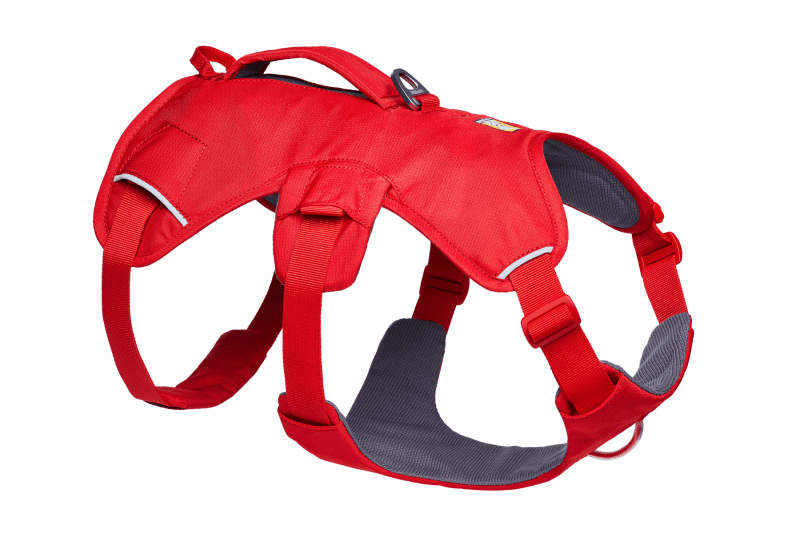
The Web Master is what we reach for on any hike involving scrambling, boulder hopping, or steep terrain where we might need to lift a dog over obstacles. The lengthwise handle gives you real leverage.
The Good
- Lift handle runs full length of back
- Belly strap prevents escape on technical terrain
- Five adjustment points dial in the fit
- Foam padding stayed comfortable for 15-mile days
The Bad
- Takes longer to put on than simpler harnesses
- Overkill for flat trail walks
- Higher price point at $75
We hoisted our 75-pound Bernese up a four-foot rock face using the Web Master handle. The foam padding distributed the weight across his chest instead of concentrating it at pressure points. He didn't resist or show discomfort even with his full weight suspended momentarily.
The belly strap adds security but also adds time. Expect an extra 15 seconds getting the harness on compared to a simple over-the-head design. For mellow trails, that's annoying. For technical routes where a dog could slip out and tumble, it's worth it.
Kurgo Tru-Fit Smart
Best Value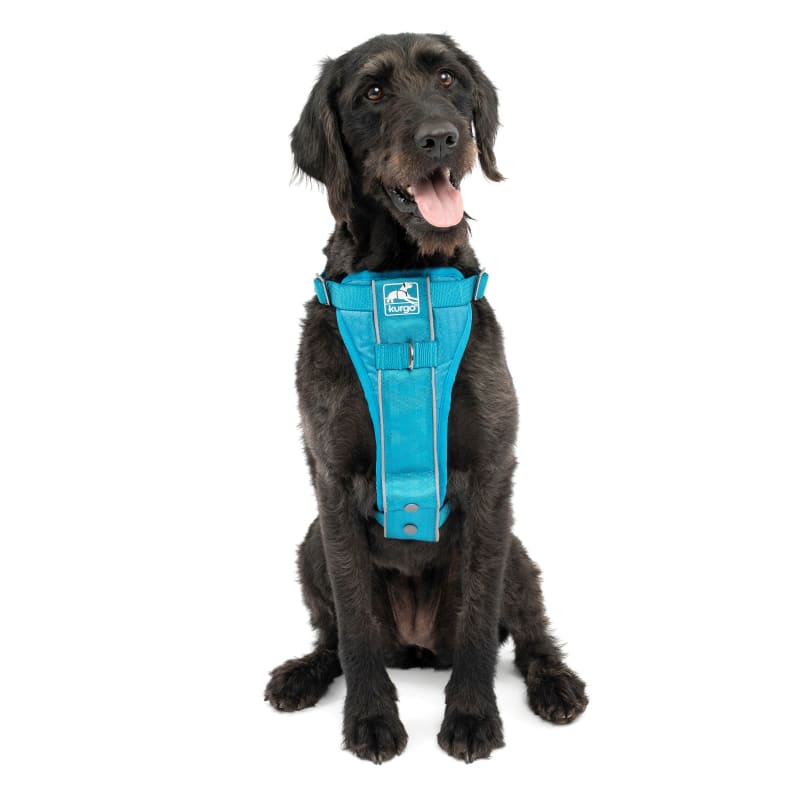
At $30, the Tru-Fit costs less than half what you'd pay for a Ruffwear. And it does double duty as a car restraint since it's actually crash-tested, not just marketed as safe.
The Good
- Crash-tested for car safety
- Includes seatbelt tether
- Steel nesting buckles feel solid
- Front D-ring for no-pull training
The Bad
- No lift handle
- Padding thinner than premium options
- Chest strap can ride up on deep-chested dogs
We used the Tru-Fit as our daily driver for three months. The steel hardware held up better than expected. No rust after dozens of stream crossings. The included seatbelt tether saves you $15-20 versus buying one separately.
The trade-off is thinner padding and no lift handle. For flat to moderate trails under 8 miles, that's fine. For technical terrain or all-day efforts, step up to the Web Master.
Ruffwear Front Range
Best Everyday
The Front Range is what we grab for morning neighborhood walks and after-work decompression hikes. It goes on in about 10 seconds once you have the fit dialed.
The Good
- Lightweight and quick to put on
- Dual leash clips (front and back)
- Padded chest panel prevents chafing
- Four adjustment points
The Bad
- No lift handle
- Not ideal for dogs over 30 pounds on technical terrain
- Chest panel can bunch on some body types
The padded chest panel eliminated the raw spots our Border Collie used to get from cheaper harnesses. The dual clip system works well: back clip for regular walking, front clip when you're working on pulling behavior.
Fair warning: this harness runs small on medium and large dogs. Our 55-pound German Shepherd barely fit the Large size.
Julius K9 IDC Power Harness
Best for Large Dogs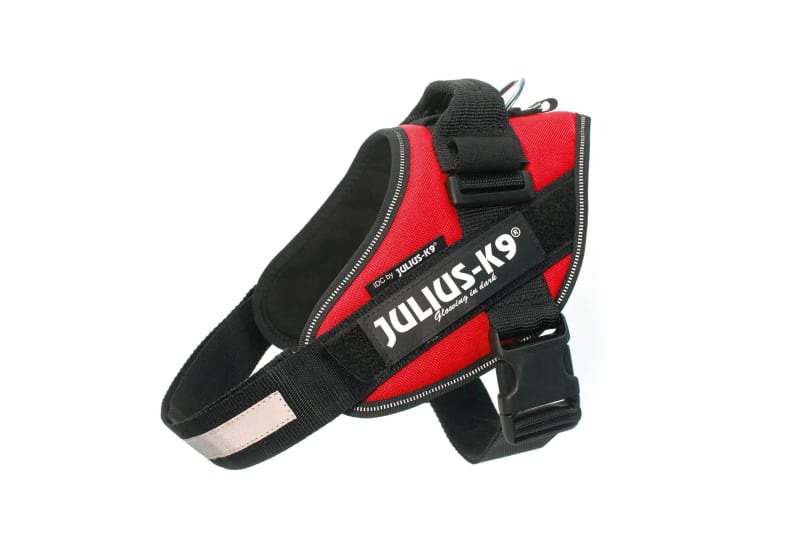
Our 75-pound Bernese is a puller. Most harnesses either chafe his armpits or let him slip out when he really commits to a lunge. The Julius K9 solved both problems.
The Good
- Doesn't rub armpits like many harnesses
- Escape-proof design
- Strong back ring handles heavy pullers
- Customizable patches
The Bad
- Bulkier than minimalist designs
- Chest plate can get warm in summer
- Sizing runs large
The design leaves the legs completely free while the chest plate sits across the sternum, not the shoulders. This means less restriction on movement and no rubbing where the front legs meet the body. After three months of daily use, zero hot spots.
Kurgo Journey Air
Best Breathable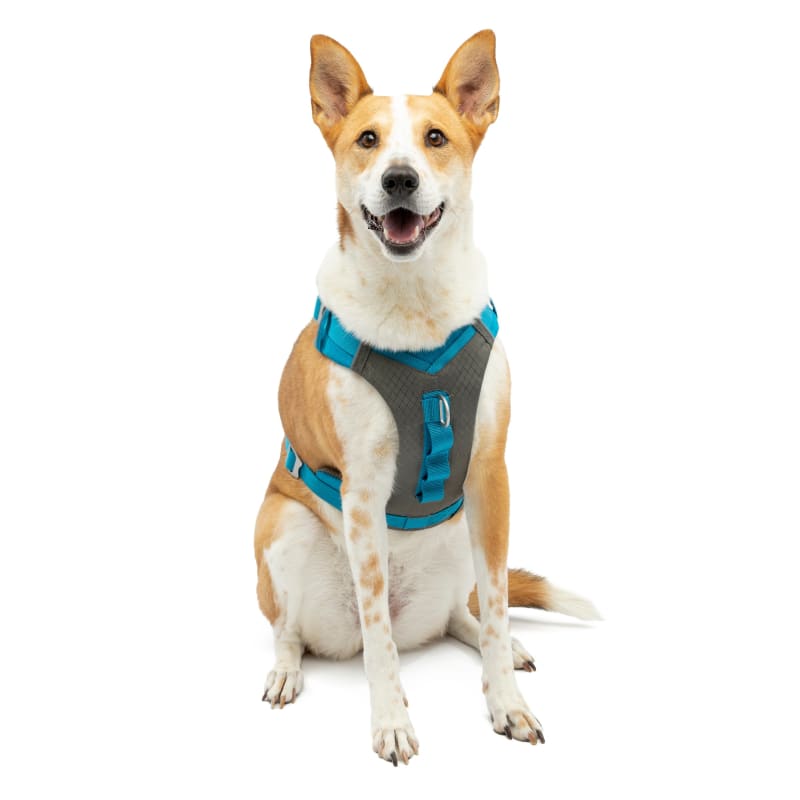
Colorado summers mean early morning hikes before the heat kicks in. The Journey Air became our go-to once temps started hitting 80 degrees.
The Good
- Mesh interior keeps dogs cooler
- Lighter than most padded harnesses
- Metal hardware throughout
- Good value for the quality
The Bad
- Mesh can snag on brush
- Less padding than premium options
- No lift handle
The mesh interior actually breathes. We could feel airflow through the material when we held it up. Compare that to foam-padded harnesses that trap heat against the dog's body.
One caveat: the mesh catches on thorny brush. We snagged it twice on a single hike through scrub oak.
How to choose the right harness
The best harness depends on your dog, your trails, and how you hike together.
Get a lift handle if: You hike technical terrain with scrambling, your dog is heavy enough that boosting them over obstacles would strain your back, or you have an older dog who occasionally needs assistance.
Skip the lift handle if: You stick to maintained trails, your dog weighs under 30 pounds, or you prioritize minimal weight.
Get a belly strap if: Your dog is an escape artist, you tackle terrain where slipping out could be dangerous, or you use the harness for activities beyond hiking.
Get crash-tested if: You want one harness for both hiking and car travel. The Kurgo Tru-Fit handles both jobs well.
The Two-Harness Solution
Many serious hikers own two harnesses. A lightweight everyday option like the Front Range for casual outings, and a technical harness like the Web Master for challenging terrain.